Last updated: 10 November 2026 · By Naijatipsland Editorial Team · Editorial policy
Talking about mental health in Nigeria is no longer a fringe conversation — it’s a necessity. Between rising economic pressure, a severe shortage of mental health professionals, and deep-rooted stigma, many Nigerians are quietly struggling without knowing where to turn. This guide lays out exactly how big the gap is, which helplines and organizations actually offer free or low-cost support right now, and how to find help whether you’re in Lagos, Abuja, or anywhere else in the country.
How big is Nigeria’s mental health gap?
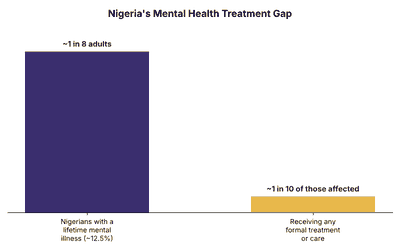
The numbers are sobering. Research based on a WHO-backed national survey found that roughly one in eight Nigerian adults (about 12.5%) will experience a mental illness at some point in their life, most commonly depression or an anxiety disorder. Yet only a small fraction of those affected ever receive formal treatment or care — most estimates put it at around one in ten.
Why is the gap so wide? A mix of factors: stigma that makes people reluctant to admit they’re struggling, the cost and scarcity of professional care, limited public awareness of what mental illness actually looks like, and — critically — a severe shortage of trained mental health professionals to meet the demand in the first place.
Nigeria’s psychiatrist shortage, by the numbers
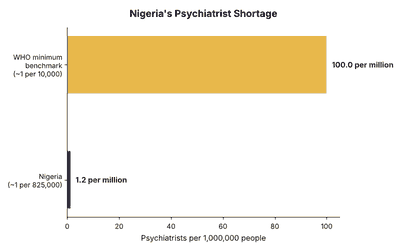
According to the Association of Psychiatrists in Nigeria, the country has approximately 250 registered psychiatrists serving a population of over 200 million people. That works out to roughly one psychiatrist per 825,000 people — dramatically below the level most health bodies consider adequate for a functioning mental health system.
This shortage means that even Nigerians who want professional help and can afford it often face long waits or have to travel significant distances to see a specialist. It’s part of why helplines, community support groups, and non-specialist counseling services have become such an important part of the support landscape — they fill gaps that the formal psychiatric system, as it stands, simply cannot.
Real helplines you can call right now
These organizations currently offer free or low-cost phone support across Nigeria. Save at least one of these numbers — you may need it yourself someday, or you may be the one who helps a friend or family member reach out.
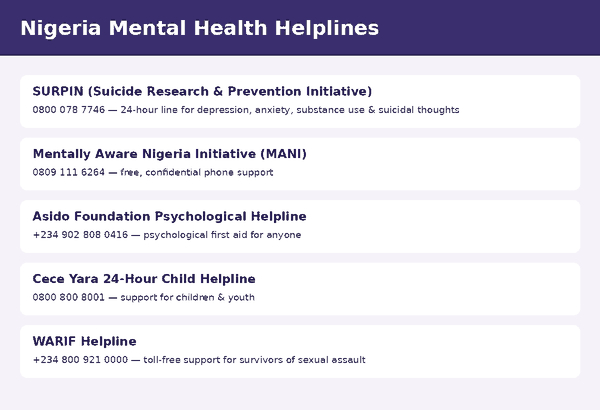
- SURPIN (Suicide Research & Prevention Initiative): 0800 078 7746 — a 24-hour line covering depression, anxiety, substance use, and suicidal thoughts.
- Mentally Aware Nigeria Initiative (MANI): 0809 111 6264 — free, confidential phone support and information.
- Asido Foundation Psychological Helpline: +234 902 808 0416 — psychological first aid for anyone who needs to talk.
- Cece Yara 24-Hour Child Helpline: 0800 800 8001 — dedicated support for children and young people.
- WARIF Helpline: +234 800 921 0000 — toll-free, confidential support for survivors of sexual assault.
Beyond helplines: other places to find support
- Teaching hospital psychiatric units. Federal and state teaching hospitals (such as LUTH, UCH, and others) have psychiatric departments that see patients, often at lower cost than private clinics.
- Workplace or campus counseling. Some employers and universities now offer free counseling sessions — check with HR or student affairs before assuming none exists.
- Community and faith-based support groups. Many churches, mosques, and community organizations now run informal peer-support groups, which can be a useful first step for people not ready for clinical care.
- Online and app-based therapy. A growing number of Nigerian startups offer text or video-based counseling at a fraction of the cost of in-person sessions, which can help bridge the gap created by the psychiatrist shortage.
How to support someone who’s struggling
- Listen without judgment first. Resist the urge to immediately offer solutions or tell them to “pray about it” — just hearing them out matters more than advice in the first conversation.
- Offer to help them make the call. Reaching out to a helpline or professional for the first time can feel overwhelming — offering to sit with them while they call, or helping them find the right number, lowers that barrier.
- Check in again later. A single conversation rarely resolves anything. Following up a few days later shows the support wasn’t a one-time gesture.
- Know your own limits. You are not a substitute for professional care. If someone is in crisis or talking about self-harm, get them to a helpline or emergency service immediately rather than trying to handle it alone.
The bottom line
Nigeria’s mental health system is stretched thin — one in eight adults affected, only around one in ten of those getting formal care, and just 250 psychiatrists for the entire country. But stretched doesn’t mean nonexistent. Real helplines exist, more alternative support options are emerging every year, and simply knowing where to turn — for yourself or someone you love — is often the first and most important step toward getting help.
Related guide (updated 7 November 2026)
Natural ways to improve sleep and reduce stress (evidence-based habits)
Related guide (updated 10 Nov 2026)
How to Improve Your Memory and Concentration covers sleep, exercise, study methods and when to see a doctor.
Join the discussion
Have you tried this, or do you have a question we did not answer? Be the first to share your experience. Naijatipsland members help each other with real, first-hand experience.