

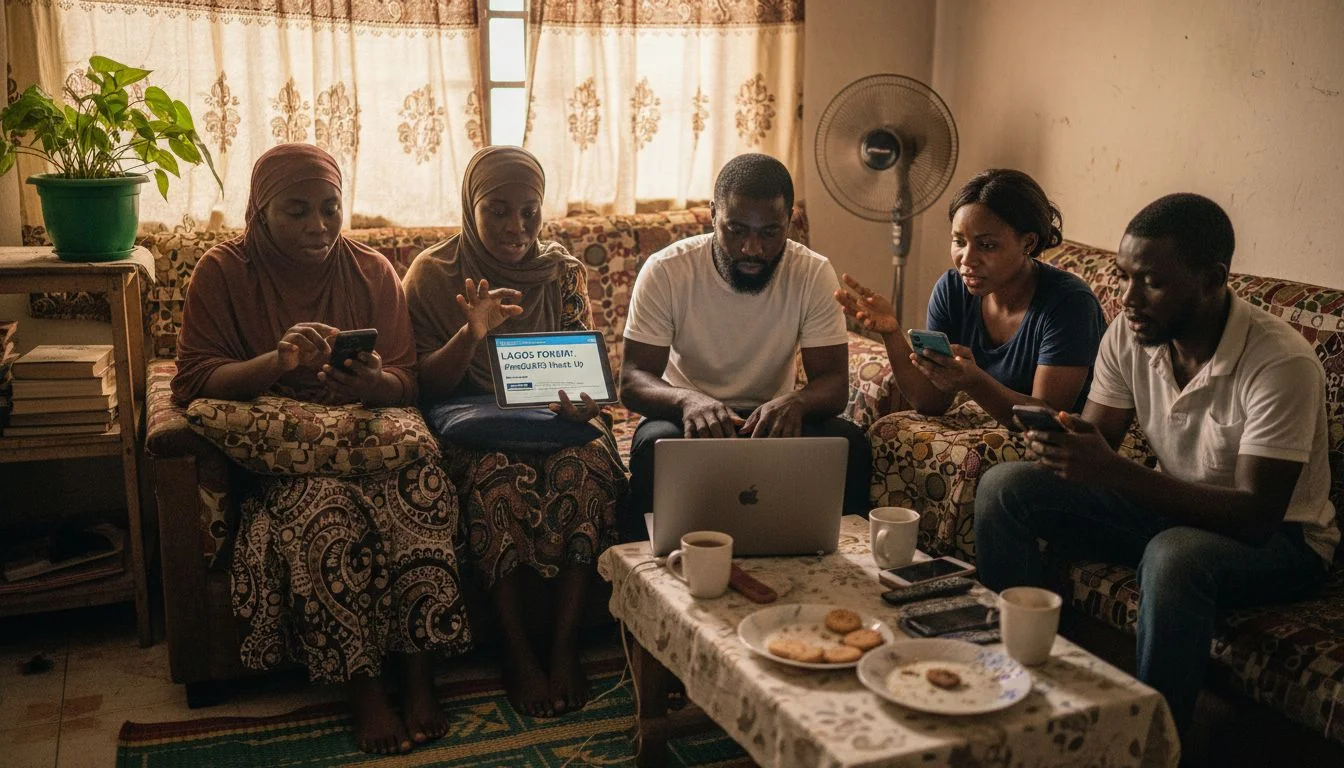
Scrolling through your favorite online group, you quickly notice the rich mix of conversations shaping opinions, spreading news, and building friendships across Nigeria’s cities. As digital spaces become central to daily life, understanding what truly defines an internet community and how its core concepts influence culture is more important than ever. This article uncovers the key features and social dynamics that set powerful online networks apart, helping you navigate and contribute meaningfully to Nigeria’s vibrant digital society.
Table of Contents
- Defining Internet Communities And Core Concepts
- Types Of Internet Communities And Their Purposes
- Key Features And Dynamics In Nigerian Context
- Impact On News, Culture, And Civic Life
- Challenges, Risks, And User Responsibilities
Key Takeaways
| Point | Details |
|---|---|
| Diverse Types of Internet Communities | Nigerian internet communities encompass professional networking, entertainment groups, support systems, and educational platforms, each serving distinct purposes. |
| Cultural and Civic Engagement | Digital platforms facilitate greater cultural expression and grassroots political mobilization, allowing Nigerians to express their opinions and engage in civic discourse. |
| Challenges of Digital Interaction | Users must navigate risks such as cyberbullying, misinformation, and privacy vulnerabilities, emphasizing the need for digital literacy and safety measures. |
| Importance of Community Dynamics | The unique dynamics of Nigerian internet communities reflect cultural sensitivity and adaptive communication strategies, enhancing collective engagement and support. |
Defining Internet Communities and Core Concepts
In the digital age, internet communities have transformed how Nigerians connect, share information, and build social networks beyond traditional geographic boundaries. Emerging online community research reveals these digital spaces are far more complex than simple communication platforms – they represent intricate social ecosystems with unique dynamics and interaction patterns.
These digital networks can be understood through several fundamental characteristics that distinguish them from traditional community structures:
- Voluntary participation where members actively choose engagement
- Shared interests that transcend physical location
- Technology-mediated interactions enabling real-time communication
- Flexible membership with low entry and exit barriers
- Diverse communication channels including forums, chat rooms, social media groups
Online community taxonomies demonstrate that these digital spaces are not monolithic but represent nuanced social structures. They range from professional networking groups to entertainment fan communities, each with distinct communication norms and social protocols.
In the Nigerian context, internet communities have become critical platforms for information sharing, social mobilization, and cultural expression. They provide spaces where individuals can discuss everything from political developments and economic challenges to entertainment and personal interests, creating powerful networks of collective knowledge and social support.
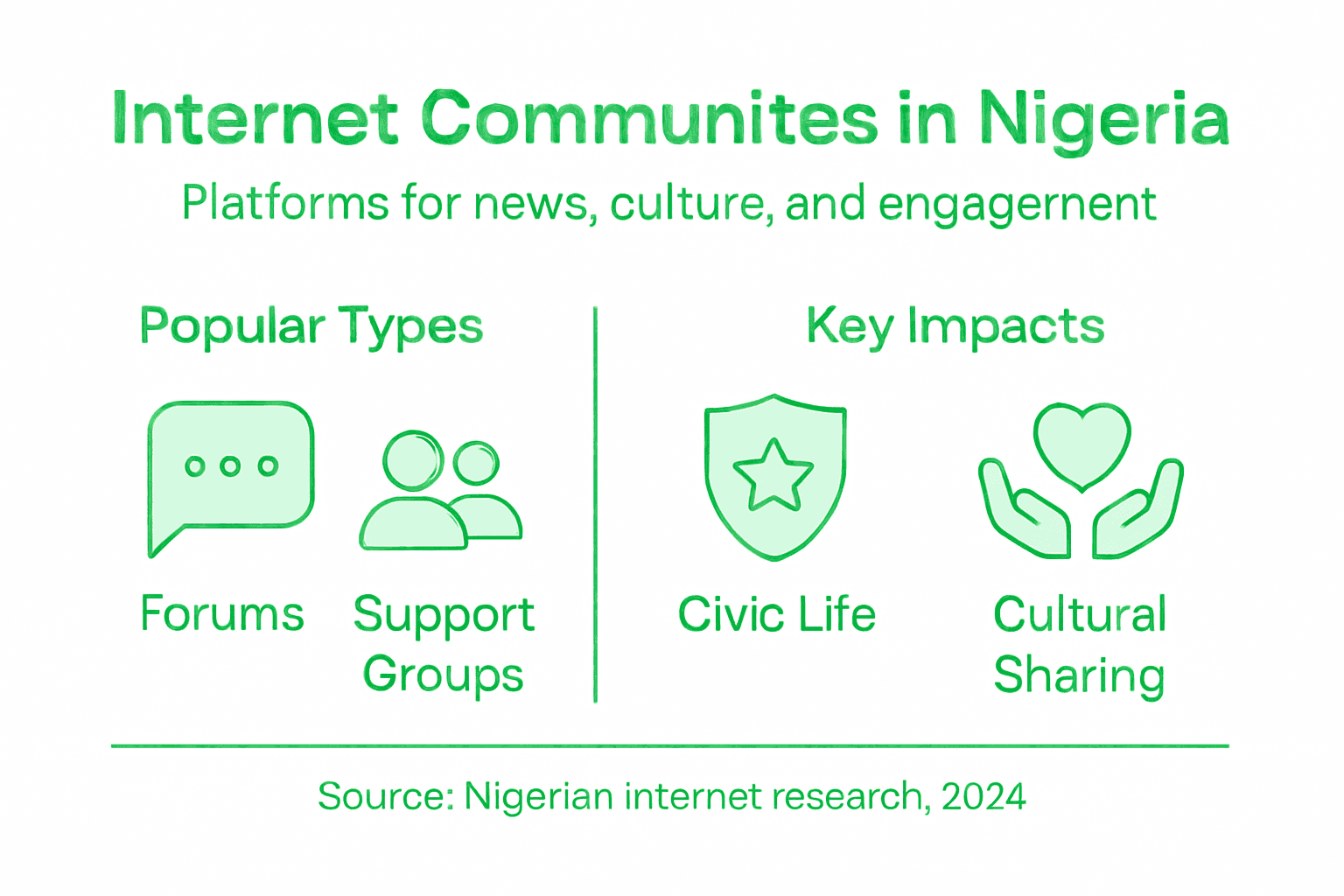
Pro tip: When joining online communities, always verify the credibility of information sources and engage respectfully to build meaningful digital relationships.
Types of Internet Communities and Their Purposes
Internet communities have evolved into complex social ecosystems with diverse purposes and structures. Scholarly research on virtual communities reveals multiple typologies that help us understand their intricate social dynamics and functional variations.
Nigerian internet communities can be broadly categorized into several distinctive types:
- Professional networking communities connecting career-focused individuals
- Entertainment fan groups centered around music, movies, and pop culture
- Support communities addressing specific health, social, or personal challenges
- Educational platforms facilitating learning and knowledge exchange
- Political discussion forums enabling civic engagement and social commentary
- Trade and marketplace communities supporting economic interactions
Online community research highlights that these digital spaces serve multiple critical functions beyond simple communication. They act as platforms for identity exploration, social support, information sharing, and collective problem-solving.
In Nigeria’s rapidly digitizing landscape, these internet communities have become powerful tools for social connection, enabling individuals to transcend traditional geographic and social barriers. They provide spaces for marginalized voices, facilitate collective action, and create networks of mutual support across diverse demographic groups.
Pro tip: Always assess the credibility and purpose of an online community before deep engagement to ensure a positive and constructive digital experience.
Here’s a summary of major types of Nigerian internet communities and their primary benefits:
| Community Type | Main Purpose | Typical Users |
|---|---|---|
| Professional networking | Career growth and connections | Business professionals |
| Entertainment fan groups | Pop culture engagement | Music and movie fans |
| Support communities | Emotional and peer support | Health and social groups |
| Educational platforms | Learning and skill development | Students, educators |
| Political discussion forums | Civic participation and debate | Youth, activists |
| Trade and marketplace networks | Buying, selling, and networking | Entrepreneurs, consumers |
Key Features and Dynamics in Nigerian Context
Internet communities in Nigeria represent a unique digital ecosystem shaped by complex social, cultural, and technological interactions. Discourse features in Nigerian online forums reveal intricate communication patterns that reflect the rich and nuanced social dynamics of Nigerian digital spaces.
Key characteristics of Nigerian internet communities include:
- Multilingual communication spanning English and indigenous languages
- High social context sensitivity reflecting cultural communication norms
- Rapid information sharing through interconnected digital networks
- Strong communal interaction prioritizing collective engagement
- Adaptive communication strategies that overcome technological constraints
Social media usage research demonstrates that these digital platforms serve multiple critical functions beyond simple communication. They act as powerful tools for social mobilization, cultural expression, and collective problem-solving, particularly among younger Nigerian demographics.
Unique to the Nigerian context, these internet communities transcend traditional communication barriers by creating spaces for marginalized voices, facilitating civic engagement, and providing platforms for economic and social empowerment. They represent dynamic social infrastructures that enable rapid knowledge exchange, community building, and collective action across diverse geographic and social boundaries.
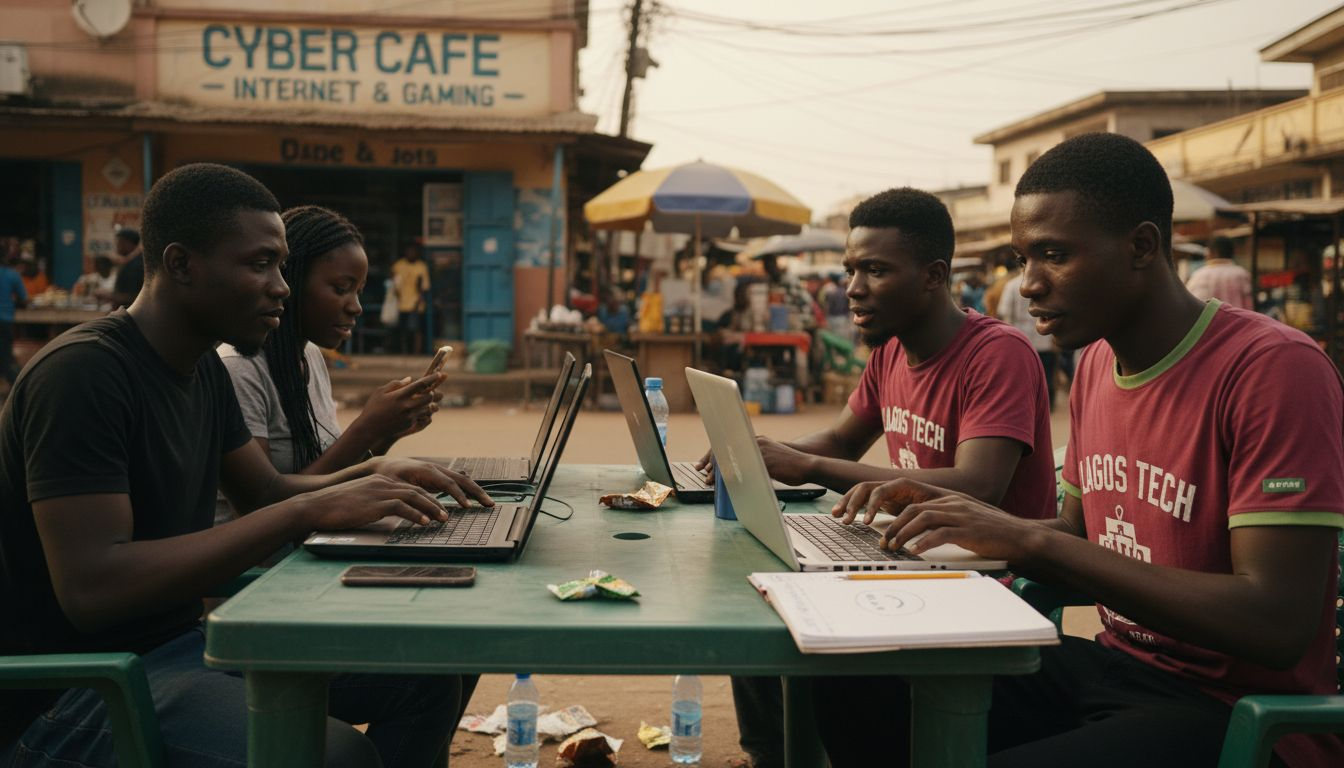
Pro tip: Develop digital literacy skills to effectively navigate and contribute meaningfully to Nigerian internet communities.
The table below compares unique dynamics of Nigerian internet communities with global digital spaces:
| Feature | Nigeria Communities | Global Communities |
|---|---|---|
| Language diversity | Multilingual, including local | Mostly English or global |
| Social mobilization | Strong, youth-led | Variable, context-driven |
| Cultural representation | High, preserving traditions | Often broad or generic |
| Tech adaptation | Flexible, overcoming constraints | Generally standardized |
Impact on News, Culture, and Civic Life
Digital platforms have fundamentally transformed how Nigerians consume news, engage with culture, and participate in civic discourse. Social media’s influence on Nigerian culture reveals a profound shift in communication dynamics and societal interactions.
Key transformative impacts include:
- Democratization of information breaking traditional media monopolies
- Rapid news dissemination across diverse digital platforms
- Cultural preservation through digital storytelling and heritage sharing
- Grassroots political mobilization enabling citizen engagement
- Global cultural representation amplifying Nigerian voices internationally
Online communities in civic participation demonstrate how digital spaces transcend geographical limitations, creating unprecedented opportunities for collective action and social dialogue. These platforms have become critical infrastructure for Nigerian youth to express political opinions, challenge existing narratives, and drive social change.
Moreover, internet communities have emerged as powerful mechanisms for cultural documentation, allowing Nigerians to share indigenous knowledge, preserve linguistic diversity, and challenge external representations of their society. They serve as dynamic spaces where traditional cultural practices intersect with modern digital communication technologies, creating innovative forms of cultural expression and social interaction.
Pro tip: Critically evaluate digital content and use online platforms responsibly to contribute positively to Nigeria’s evolving digital narrative.
Challenges, Risks, and User Responsibilities
Internet communities in Nigeria face complex challenges that require proactive engagement and critical awareness. Cyber risks among Nigerian students highlight the urgent need for comprehensive digital literacy and safety strategies to protect vulnerable internet users.
Key challenges in Nigerian digital spaces include:
- Cyberbullying and harassment targeting vulnerable users
- Misinformation and disinformation spreading rapidly
- Privacy vulnerabilities exposing personal data
- Sexual solicitation threatening adolescent and youth safety
- Financial fraud and scam networks exploiting digital platforms
Cybersecurity challenges in Nigeria demonstrate that technological vulnerabilities require multi-stakeholder approaches involving education, legal frameworks, and individual responsibility. User awareness becomes critical in mitigating risks and creating safer digital environments.
Moreover, Nigerian internet communities must develop robust self-regulation mechanisms, promoting digital citizenship that emphasizes ethical behavior, critical thinking, and mutual respect. This involves creating community guidelines, supporting transparent moderation practices, and empowering users to recognize and report potential digital threats.
Pro tip: Always verify information sources, protect personal data, and maintain respectful digital interactions to contribute to a safer online ecosystem.
Connect, Engage, and Empower Through Nigerian Internet Communities
Understanding the pivotal role internet communities play in shaping Nigerian society means recognizing the challenges of misinformation, privacy risks, and the urgent need for trustworthy, respectful digital interaction. At Naijatipsland.com, we address these concerns by providing a vibrant platform where Nigerians can safely share insights, cultural stories, and vital news with real-time engagement and a strong sense of community. Our user-driven forums foster respectful discussions, helping you navigate complex digital spaces with confidence while amplifying authentic Nigerian voices.
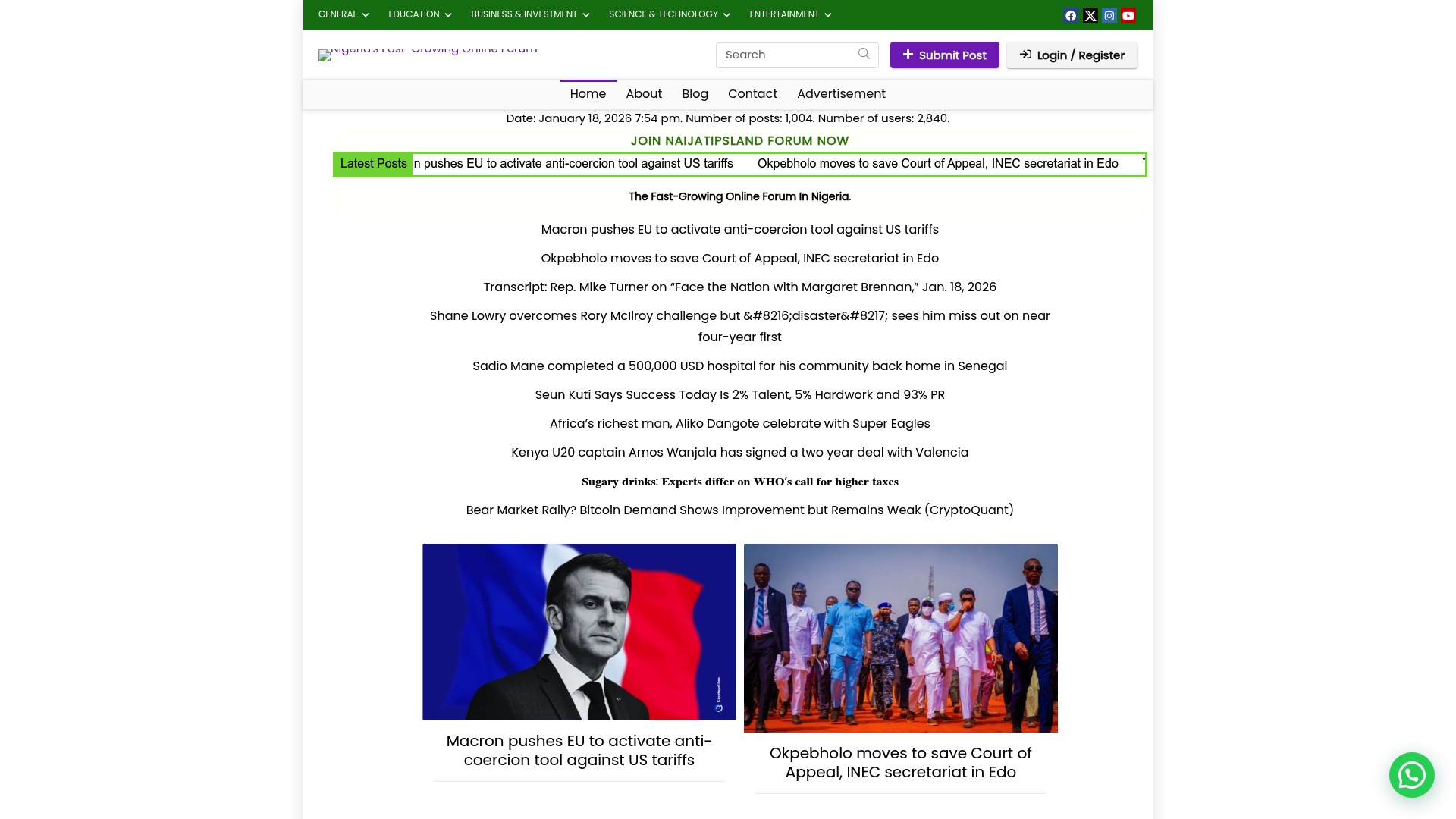
Join thousands of Nigerians who actively participate in meaningful conversations about politics, entertainment, and social issues on Naijatipsland.com. Take control of your digital experience by contributing to a space that values credibility, cultural diversity, and collective empowerment. Start by creating your account, sharing your views, and staying updated on trending topics to turn everyday web browsing into impactful engagement. Visit Naijatipsland.com now and be part of the digital movement transforming Nigerian society.
Frequently Asked Questions
What are internet communities?
Internet communities are digital spaces where individuals connect and share information based on shared interests, transcending geographic boundaries.
What types of internet communities exist?
Internet communities can be categorized into professional networking, entertainment fan groups, support communities, educational platforms, political discussion forums, and trade networks, each serving distinct purposes.
How do internet communities impact civic life?
Internet communities facilitate civic engagement by breaking traditional media monopolies, allowing rapid news dissemination, and enabling grassroots political mobilization among users.
What are the challenges faced by internet communities in Nigeria?
Challenges include cyberbullying, misinformation, privacy vulnerabilities, sexual solicitation, and financial fraud, necessitating proactive digital literacy and user responsibility.