

TL;DR:
- Memes function as a fast, visual language that shapes identity, political discourse, and community building online. They rely on shared cultural context to communicate layers of meaning quickly and often serve as tribal boundary markers. Their influence extends beyond entertainment, impacting social engagement, political awareness, and emotional coping within digital societies.
Memes are defined as units of cultural information that spread through imitation, humor, and shared context across digital networks. The role of memes online goes far beyond entertainment. They function as a fast, relatable language that shapes how millions of people communicate identity, process politics, and build community every single day. More than 66% of respondents now view memes and online humor as serious forms of expression, a shift that has moved meme culture from niche internet subcultures to the center of mainstream discourse. Understanding what drives this shift matters for anyone active on social media today.
How memes function as a cultural language online
Memes work because they compress meaning. A single image, phrase, or video clip carries layers of cultural context that a paragraph of text cannot replicate at the same speed. This compression is what makes memes so effective as communication tools, but it also means they require a shared cultural key to decode. Without that shared context, a meme becomes unintelligible noise to outsiders, which is precisely why they double as tribal boundary markers.
Online communities on platforms like Reddit, X (formerly Twitter), and WhatsApp groups use memes to signal belonging. When you share a specific meme format, you are not just making a joke. You are announcing membership in a group that understands the reference. This is how digital communities shape identity and reinforce shared values without anyone writing a single formal statement.
Meme culture creates social rituals. Reacting to a trending meme, remixing it with a local twist, or sharing it within a friend group are all acts of participation in a living cultural conversation. In Nigeria, for example, memes referencing Nollywood characters or local political figures carry meaning that travels instantly within the community but may confuse outsiders entirely. That exclusivity is a feature, not a flaw.
Here is what makes memes particularly powerful as a cultural language:
- Shared humor creates emotional bonds faster than formal communication.
- Remixability allows communities to adapt global formats to local contexts.
- Visual shorthand communicates complex emotions that words struggle to capture, as seen with phenomena like the Harambe meme, which became a generational touchstone for expressing abstract grief and absurdity years after the original event.
- Speed allows cultural commentary to emerge within hours of a news event.
Pro Tip: When you encounter a meme you do not understand, treat it as a signal that a community exists around that reference. Search the format on Know Your Meme to decode the cultural context quickly.
What is the impact of memes on politics and social discourse?
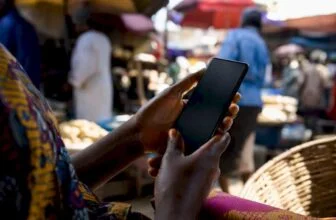
Political memes now perform the cultural role once held by political cartoons. They democratize commentary by allowing real-time reactions from diverse creators, bypassing the traditional gatekeepers of newspapers and broadcast media. Anyone with a smartphone can produce and distribute political commentary that reaches thousands within minutes.
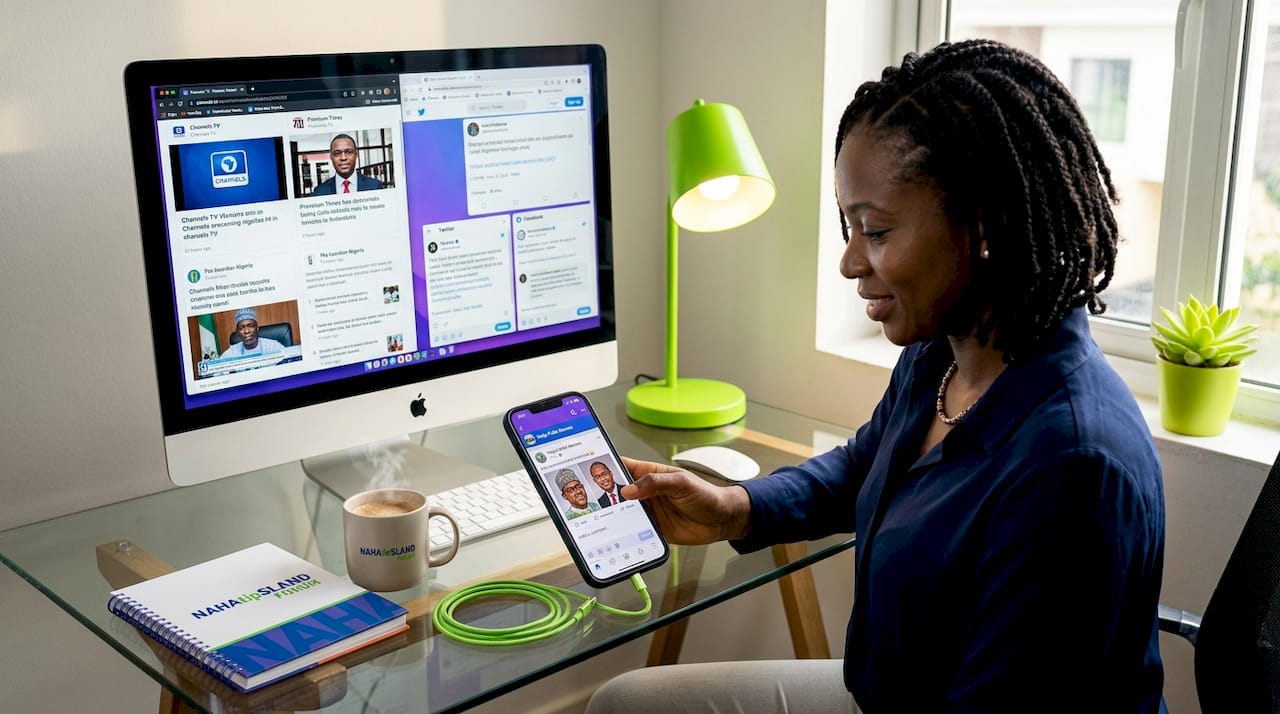
Research confirms this influence is measurable. Political memes increase issue-specific interest and perceived importance among young adults, with humor mediating some of those effects. This means memes are not just entertainment. They are actively shaping what issues young people care about and how seriously they take them.
The mechanisms behind this influence follow a clear pattern:
- Emotional entry point. Memes bypass cognitive defenses because they present as humor or relatable emotion rather than argument. By the time a viewer consciously evaluates the claim, the emotional impression has already landed.
- Mass participation. Movements like #MeToo and Black Lives Matter used memes to spread awareness rapidly, lowering the cost of engagement for people who would never attend a rally or write an op-ed.
- Agenda framing. Meme formats can frame a political figure or policy in ways that stick. The Modi-Meloni meme cycle in 2023 and countless local political memes in Nigeria demonstrate how a single image can define public perception of a leader for weeks.
- Misinformation risk. The same emotional bypass that makes memes persuasive also makes them dangerous. State actors have used meme-style content in disinformation campaigns precisely because humor lowers scrutiny.
“Memes travel instantly across platforms, inviting mass participation beyond traditional media gatekeepers.” — Storyboard18
The dual role of memes in politics is real. They can unite communities around shared frustration with a government policy, and they can just as easily deepen divisions by reducing complex issues to a punchline that one group celebrates while another finds offensive.
Why do memes resonate so strongly and spread so fast?
Meme culture grows because it fits how people actually use the internet. Audiences prefer fast, emotionally recognizable content that slots into existing digital habits, and memes deliver exactly that. They require no setup, no long read, and no prior expertise. The emotional payoff is immediate.
Algorithms on platforms like TikTok, Instagram, and X reward content that generates fast engagement. Memes are engineered by culture, not design teams, to trigger that engagement. A meme that makes you laugh or nod in recognition gets shared before you even think about it. That reflexive sharing is what drives viral spread at a scale traditional media humor formats cannot match.
Memes also serve a psychological function that goes beyond entertainment. They combine relatable humor with emotional detachment, enabling cognitive reappraisal that reduces distress. During the COVID-19 pandemic, meme formats about lockdown life, remote work, and collective anxiety spread globally because they gave people a way to process shared stress through laughter. That coping function made meme consumption feel necessary, not optional.
| Driver | How it fuels meme growth |
|---|---|
| Algorithmic amplification | Platforms reward fast engagement, pushing memes to wider audiences automatically |
| Emotional resonance | Humor and relatability trigger sharing before conscious evaluation |
| Low production barrier | Anyone with a phone can create and distribute a meme within minutes |
| Cognitive coping | Memes reduce distress by reframing difficult experiences through humor |
| Cultural remixability | Global formats adapt to local contexts, extending reach and relevance |
Pro Tip: If you want to understand why a specific meme is trending, look at the news cycle from the previous 24 to 48 hours. Most viral memes are direct responses to a real-world event, and spotting that connection tells you a lot about what a community is feeling.
What challenges come with widespread meme culture?
The same qualities that make memes powerful create real risks when left unchecked. The biggest problem is oversimplification. 30% of people express concern that memes reduce complex issues to scrollable moments. A policy debate that requires understanding economics, history, and social context gets compressed into a four-panel image. That compression can mislead as easily as it informs.
The challenges worth understanding include:
- Misinformation spread. Culturally tailored prebunking memes can reduce false claims, but the same meme format used without care spreads health misinformation by making unverified claims feel credible through humor.
- Echo chambers. Memes that require insider knowledge to decode naturally exclude outsiders. Over time, communities consuming only their own meme culture develop increasingly narrow views of reality, reinforcing existing beliefs rather than challenging them.
- Algorithmic prioritization of novelty. Platforms reward new meme formats over contextually accurate ones. A meme that is funny but factually wrong will often outperform a correction because novelty drives engagement more reliably than accuracy.
- Cultural fragmentation. When different communities operate on entirely different meme vocabularies, shared public discourse becomes harder to maintain. Two groups can look at the same political event and produce memes that are so different they seem to describe separate realities.
- Erosion of serious discourse. When every major event immediately spawns a meme cycle, the space for sustained, serious analysis shrinks. Humor becomes a reflex that can prevent deeper engagement with difficult topics.
The solution is not to stop sharing memes. It is to develop media literacy skills that let you recognize when a meme is informing versus manipulating. Asking “what is this meme asking me to feel, and is that feeling based on accurate information?” is a habit worth building.
Key takeaways
Memes are a legitimate, measurable force in digital communication, shaping political engagement, community identity, and information spread in ways that demand critical awareness rather than passive consumption.
| Point | Details |
|---|---|
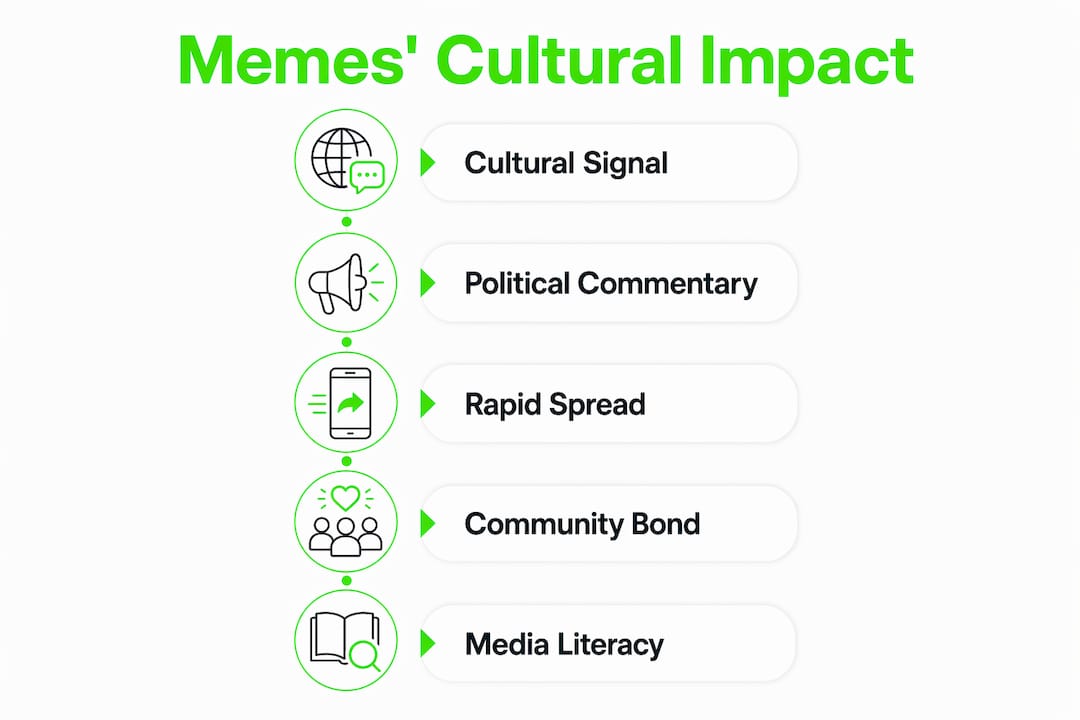
| Memes as cultural language | Memes compress shared meaning into fast, visual formats that build community and signal group identity. |
| Political influence is real | Research shows meme exposure increases political interest and issue importance among young adults. |
| Psychological coping function | Memes reduce distress through humor and cognitive reappraisal, making them a genuine emotional tool. |
| Misinformation risk | Memes bypass critical thinking by entering as emotional content, making fact-checking a necessary habit. |
| Media literacy matters | Recognizing the intent behind a meme is the most practical skill for navigating meme culture responsibly. |
Naijatipsland’s take on where meme culture is heading
At Naijatipsland, we have watched meme culture evolve from a curiosity into one of the most reliable indicators of what a community is actually feeling. The memes circulating on Nigerian WhatsApp groups and Twitter right now tell you more about public sentiment than most opinion polls. That is not an exaggeration. It is a pattern we see consistently.
What strikes me most is the archival function of memes. Saving a meme acts as personal archiving, preserving digital moments against algorithmic forgetting. The memes you saved in 2020 during the #EndSARS protests are a record of collective emotion that no news article fully captures. Memes are living memory, and that makes them historically significant in ways most people have not yet recognized.
The uncomfortable truth about meme culture is that most people consume it passively without realizing how much it shapes their opinions. The humor feels harmless. The emotional impression is not. Treating memes as meaningful social signals rather than throwaway jokes is not being overly serious. It is being honest about how influence actually works in 2026.
The next evolution of meme culture will likely involve AI-generated formats that personalize memes to individual emotional states. That raises questions about authenticity and manipulation that we are only beginning to ask. For now, the best approach is to stay curious, stay critical, and keep paying attention to what the memes around you are actually saying.
— Naijatipsland
Stay informed on culture and current affairs with Naijatipsland
Meme culture does not exist in isolation. Every trending meme connects to a real event, a political moment, or a social movement that deserves deeper understanding. At Naijatipsland, we cover the current affairs and cultural trends that give memes their meaning, so you always have the context you need to engage thoughtfully. Understanding why current affairs matters in Nigeria is the foundation for reading any cultural signal, including the memes flooding your timeline. Explore our platform for coverage that connects digital culture to the issues shaping Nigerian life, and join a community that takes both humor and information seriously. You can also browse meme wallpapers to see just how deeply meme aesthetics have embedded themselves in everyday digital life.
FAQ
What is the role of memes online?
Memes serve as fast, visual units of cultural communication that build community, shape political opinion, and help people process shared experiences through humor. Their role spans entertainment, identity signaling, and social influence across platforms like X, Instagram, and WhatsApp.
How do memes influence politics?
Political memes democratize commentary by allowing anyone to respond to events in real time, replacing the role once held by political cartoons. Research shows that exposure to political memes increases issue-specific interest and perceived importance among young adults.
Why do memes spread so quickly on social media?
Memes spread fast because they fit natural digital habits, require no setup, and trigger immediate emotional responses that prompt sharing. Platform algorithms on TikTok and Instagram amplify this by rewarding fast engagement over depth.
Can memes spread misinformation?
Yes. Memes bypass critical thinking by entering as emotional or humorous content, making false claims feel credible before the viewer consciously evaluates them. Culturally tailored prebunking memes have shown promise in reducing this effect, but media literacy remains the most reliable defense.
What is meme culture?
Meme culture is the shared system of visual references, humor formats, and in-group language that communities use to communicate online. It functions as a living cultural archive, with formats remixed across time to reflect new events while preserving older emotional contexts.