

TL;DR:
- Nigerian blogging has evolved into a major digital industry, shaping public discourse and influencing media beyond traditional outlets.
- Bloggers in Nigeria earn through sponsored content, diversify across platforms, focus on niches, and face challenges like monetization variability and infrastructure barriers.
Nigeria’s digital space is louder, faster, and more influential than most people outside the country realize. The role of bloggers in Nigeria has shifted from casual online journaling to driving national conversations on politics, entertainment, culture, and business. What started with a handful of pioneers posting opinions on free platforms has grown into a sprawling ecosystem of content creators, media brands, and digital entrepreneurs. If you are a blogger, content creator, or digital marketer trying to understand where this industry stands and where it is going, this article gives you the full picture.
Table of Contents
- Key Takeaways
- The role of bloggers in Nigeria: how it all started
- How bloggers shape opinions and media in Nigeria
- Challenges faced by Nigerian bloggers
- Strategies to grow your blog and monetize it
- Future outlook for the Nigerian blogging community
- My honest take on Nigerian blogging
- Take your blogging journey further with Naijatipsland
- FAQ
Key Takeaways
| Point | Details |
|---|---|
| Bloggers shape public discourse | Nigerian bloggers influence opinions on politics, culture, and entertainment far beyond traditional media. |
| Monetization is real but variable | Sponsored posts can earn between ₦50,000 and ₦500,000 depending on traffic and engagement levels. |
| Niche focus beats broad content | Specializing in a topic area attracts dedicated audiences and builds stronger long-term authority. |
| Challenges are manageable | Credibility, competition, and infrastructure hurdles are common but can be overcome with the right strategies. |
| The future is multi-platform | Combining blogging with video, social media, and digital products is the path to sustainable income and influence. |
The role of bloggers in Nigeria: how it all started
Nigerian blogging did not appear overnight. The earliest bloggers in Nigeria were mostly students, professionals, and activists writing on platforms like Blogger and WordPress in the early 2000s. Their audiences were small and traffic was modest. Then came a shift that nobody fully anticipated.
Linda Ikeji transformed Nigerian blogging from a personal hobby into a multi-million naira industry. She combined speed, authentic content, and a deep understanding of what her audience actually wanted to read. Her success did not just make her wealthy. It proved to an entire generation of Nigerians that blogging could be a legitimate, lucrative career.
After her rise, the Nigerian blogging community expanded rapidly across multiple niches:
- Entertainment and celebrity gossip: Following Linda Ikeji’s model, many bloggers built audiences around Nollywood, Afrobeats, and celebrity lifestyle content.
- Tech and gadgets: Platforms covering smartphones, startups, and digital trends found a growing middle-class audience hungry for that information.
- Fashion and beauty: Nigerian fashion bloggers carved out strong followings, especially as Nigerian designers gained international recognition.
- Politics and current affairs: Independent political bloggers began holding public officials accountable in ways traditional newspapers could not always afford to.
- Faith and lifestyle: Given Nigeria’s deeply religious culture, faith-based blogs attracted some of the most loyal readerships on the continent.
Today, Nigeria’s blogging environment features diversified niches and a growing number of bloggers fueled by social media access and mobile internet penetration. The Nigerian blogging community is no longer niche. It is mainstream digital media.
How bloggers shape opinions and media in Nigeria
The impact of blogging in Nigeria on the country’s media ecosystem is hard to overstate. Before blogs became prominent, Nigerians relied almost entirely on print newspapers and broadcast television for news. Bloggers cracked that model open.
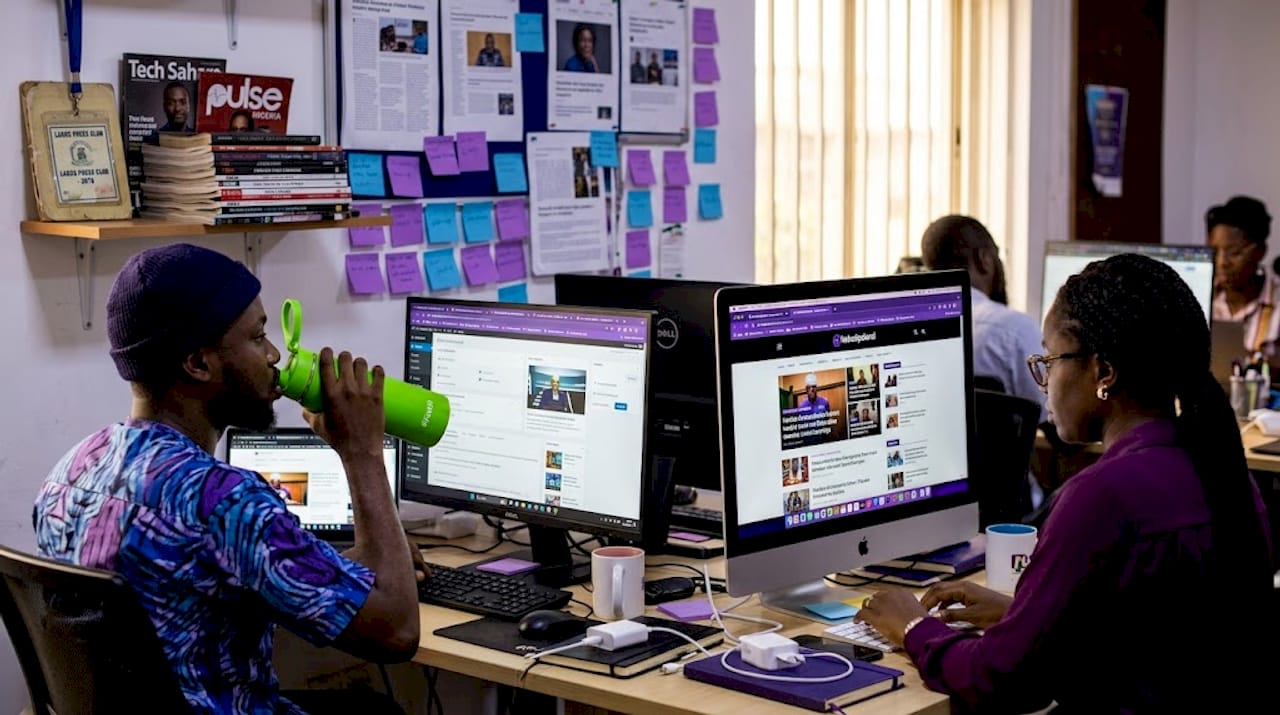
Consider how celebrity culture works in Nigeria now. A story breaking on a top entertainment blog can trend on Twitter, get picked up by radio stations, and influence what television programs discuss, all within hours. Bloggers influence in Nigeria extends far beyond their own websites. They set the agenda.
Here is how that influence plays out across four major areas:
- News democratization: Bloggers give ordinary Nigerians a platform to report, comment on, and amplify stories that traditional media may ignore or downplay. The stories of police brutality, election irregularities, and community protests often gain national attention first through blogs and social media posts.
- Celebrity and entertainment culture: Entertainment bloggers directly shape the public image of musicians, actors, and public figures. A single post can launch a career or damage a reputation within 24 hours.
- Political discourse: Political bloggers and commentators push analysis and opinion that challenge official narratives, giving citizens access to perspectives they would not find in state-aligned media.
- Consumer behavior: Product reviews and recommendations from trusted bloggers routinely influence purchasing decisions. Brands know this, which is why sponsored content has become a significant income stream.
The relationship between blogging and journalism in Nigeria is now deeply intertwined. Social media blogging tools are integral to Nigerian journalism for sourcing, gathering, and disseminating news. Journalists use blogs and social platforms to break stories faster, while bloggers increasingly adopt journalistic standards to maintain credibility.
“Social media platforms and blogging tools have become indispensable to journalism in Nigeria, reshaping how journalists work and engage with audiences.” — Influence Of Social Media Blogging On The Professional Journalism Practice In Nigeria
Understanding how bloggers shape trends and culture in Nigeria gives you a clearer picture of why brands and political campaigns now budget specifically for blogger outreach.
Challenges faced by Nigerian bloggers
Every industry has its friction, and blogging in Nigeria comes with specific challenges that are worth understanding plainly, not glossing over.
The challenges faced by Nigerian bloggers include:
- Monetization inconsistency: While top blogs earn significant sums, the majority of bloggers earn irregularly. Bloggers face struggles including monetization variability, fierce competition, and infrastructure limitations. Advertising revenue alone rarely sustains a blogger who is not in the top tier.
- Misinformation pressure: The race for traffic creates a temptation to publish unverified content. This damages individual credibility and the Nigerian blogging community’s reputation as a whole. Knowing how to avoid misinformation is not optional. It is a career requirement.
- Infrastructure barriers: Unreliable electricity and expensive data plans increase the cost and difficulty of consistent content production. This is a real disadvantage compared to bloggers operating in markets with better infrastructure.
- Competition and discoverability: With thousands of new blogs launching each year, standing out requires more than good writing. SEO knowledge, social media strategy, and personal branding all matter now.
- Platform dependence: Many Nigerian bloggers depend heavily on Google traffic or a single social platform. Algorithm changes can wipe out a blog’s audience overnight.
Pro Tip: Diversify your traffic sources from day one. Build an email list, a WhatsApp broadcast group, and a social media following simultaneously so that no single platform holds your audience hostage.
Managing credibility is perhaps the longest-term challenge. Readers are increasingly skeptical of clickbait and partisan content. Bloggers who build a reputation for accuracy and fairness consistently outperform those chasing viral traffic over time.
Strategies to grow your blog and monetize it
Growth in the Nigerian blogosphere is not random. The bloggers who build lasting influence follow patterns you can study and replicate.
| Strategy | What it involves | Why it works in Nigeria |
|---|---|---|
| Niche specialization | Focus on one topic area deeply | Niche blogging attracts dedicated audiences and reduces competition |
| Multi-platform presence | Blog plus YouTube, Instagram, TikTok | Reaches Nigerians across different usage habits and devices |
| Mobile-first design | Fast-loading, mobile-optimized pages | Most Nigerian readers access content via smartphones |
| Sponsored content | Brand partnerships and paid posts | Popular blogs earn ₦50,000 to ₦500,000 per sponsored post |
| Digital products and coaching | E-books, courses, paid consultations | Creates income independent of ad revenue and traffic spikes |
Successful Nigerian bloggers evolve from single-platform bloggers into multi-platform media brands. Video content is no longer optional for this evolution. A blog post that becomes a YouTube video, an Instagram Reel, and a Twitter thread reaches a far larger audience than the original text alone.
Audience understanding is the foundation of all of this. Linda Ikeji’s success is directly linked to her ability to understand her audience and post consistently. She did not guess what her readers wanted. She observed, tested, and repeated what worked.
Beyond advertising, the bloggers building sustainable careers in Nigeria are those treating their blogs as the center of a broader business. They sell digital products, offer consulting, host events, and run affiliate marketing programs. This diversification means a bad month for ad revenue does not collapse their entire income.
Pro Tip: Start collecting emails from your first 100 readers. An email list gives you direct access to your audience that no algorithm can take away.
If you are just starting out, this step-by-step launch guide for starting a blog in Nigeria will help you avoid the common early mistakes that slow down growth.
Future outlook for the Nigerian blogging community
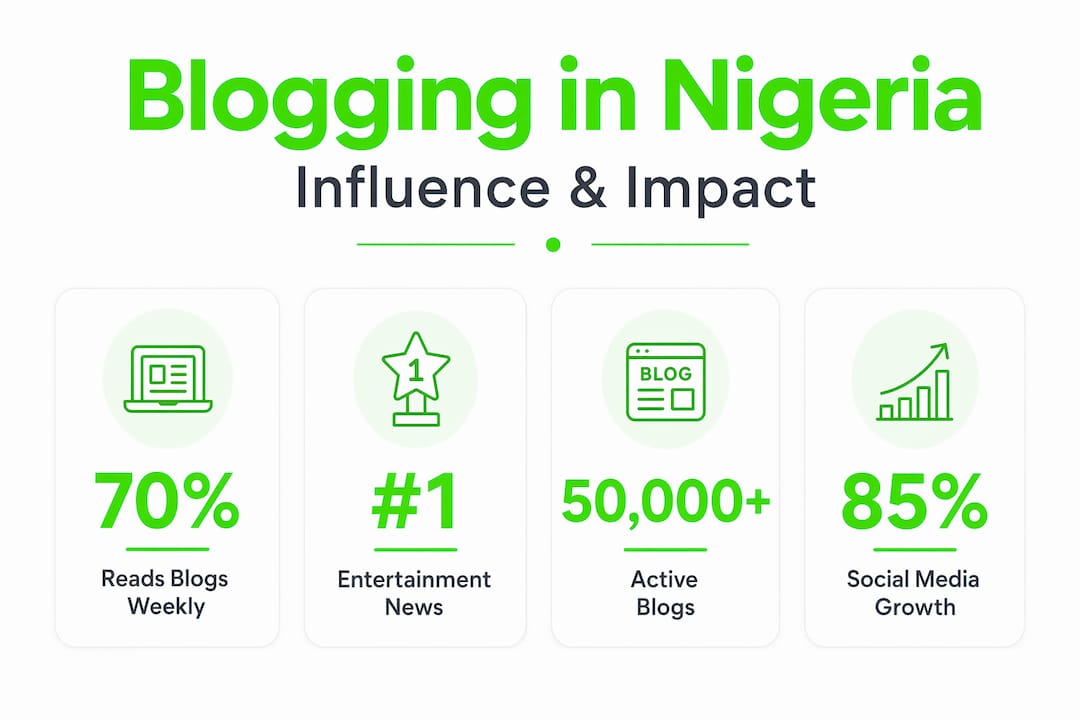
The conditions shaping the future of Nigerian blogging are largely positive. Internet penetration in Nigeria continues to grow, which directly expands the potential audience for every blogger in the country.
| Trend | Current status | Near-term projection |
|---|---|---|
| Influencer marketing spend | Growing rapidly across sectors | Brands will allocate larger budgets to blogger partnerships |
| Video content adoption | Already mainstream for top bloggers | Expected to become standard across all niches |
| Blogger collaborations | Increasing but still underutilized | Will become a primary growth strategy |
| Mobile internet access | Expanding with cheaper data plans | Will drive higher traffic to mobile-optimized blogs |
Influencer marketing and collaborations are among the biggest emerging opportunities for Nigerian bloggers. Brands that once relied on television advertising are redirecting budgets toward bloggers and influencers who have already built the audiences they want to reach. This shift favors bloggers who have invested in genuine community building over those chasing raw page views.
Collaboration between bloggers is another underused lever. Working together amplifies audience reach and creates content diversity that keeps audiences engaged. Guest posts, podcast crossovers, and joint social media campaigns cost very little but deliver outsized reach.
The role of social media in Nigeria as a distribution and engagement tool will only deepen. Bloggers who treat social platforms as mere promotion channels will fall behind those who use them for genuine community interaction.
My honest take on Nigerian blogging
I have watched the Nigerian blogging space long enough to notice what separates bloggers who last from those who burn out after two years. The ones who last are not necessarily the most talented writers. They are the ones who treat blogging as a business from the start, not a passion project that might eventually make money.
Most advice about blogging in Nigeria focuses on content quality. That matters. But what I have found actually moves the needle is audience specificity. The bloggers who try to cover everything end up speaking to nobody with particular conviction. The ones who go deep on a single topic, whether that is Nigerian tech startups, Afrobeats music, or personal finance for Nigerian women, build the kind of loyal readership that sponsors genuinely want to reach.
There is also a myth I want to challenge directly. Many aspiring bloggers believe they need to launch with a perfect website, premium hosting, and a complete content strategy. They spend months preparing and never publish. The bloggers who have built real influence in Nigeria largely started messy and improved in public. Done is better than perfect, every time.
The importance of blogging for Nigerian youth goes beyond money. Blogging builds writing skills, critical thinking, and a public record of expertise that opens doors to media jobs, brand partnerships, and speaking opportunities. These are career assets that compound over time.
— Naijatipsland
Take your blogging journey further with Naijatipsland
Whether you are building your first blog or looking to sharpen your content strategy, Naijatipsland is built for exactly this community. You will find practical guides, trending discussions, and community insights that keep you informed and connected to Nigeria’s digital pulse.
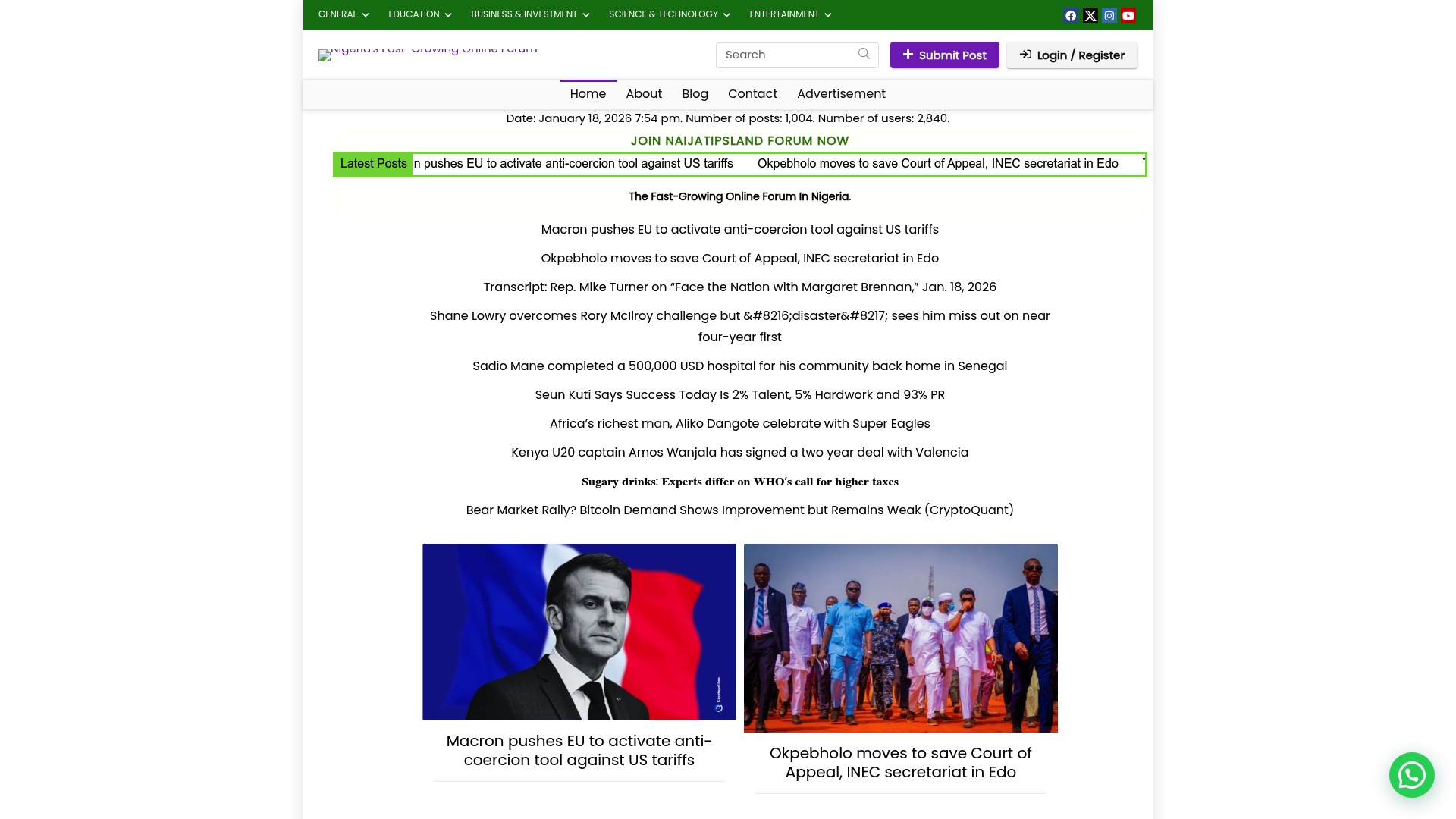
Stay ahead of the stories that matter by reading entertainment updates on Naijatipsland, where trending topics in Nigerian music, film, and celebrity culture are covered daily. For bloggers focused on current affairs and social commentary, explore why current affairs matter to understand the context behind the stories your readers care about most. Naijatipsland is your go-to hub for staying informed, generating content ideas, and engaging with a community that shares your interest in Nigeria’s evolving digital space.
FAQ
What is the role of bloggers in Nigeria?
Bloggers in Nigeria serve as independent media voices who disseminate news, shape public opinion, drive entertainment culture, and create platforms for social and political discourse outside of traditional media channels.
How do Nigerian bloggers make money?
Nigerian bloggers earn through sponsored posts, affiliate marketing, digital products, coaching, and advertising revenue. Top blogs earn between ₦50,000 and ₦500,000 per sponsored post depending on their audience size and engagement rate.
What challenges do Nigerian bloggers face?
The main challenges include monetization inconsistency, credibility management, unreliable infrastructure, heavy competition, and over-dependence on a single traffic source like Google or one social media platform.
How has blogging changed Nigerian journalism?
Blogging and social media tools have reshaped Nigerian journalism by speeding up news cycles and expanding story sources. Social media blogging tools are now standard in newsrooms across Nigeria for sourcing and audience engagement.
Is blogging still relevant for Nigerian youth in 2026?
Yes. Blogging remains one of the most effective ways for Nigerian youth to build personal brands, develop professional writing skills, and generate income. The importance of blogging for Nigerian youth grows as internet access expands and brands increasingly invest in digital content partnerships.