

TL;DR:
- Anonymous posting in Nigeria helps protect whistleblowers, marginalized communities, and encourages honest civic dialogue. However, it also poses risks like cyberbullying, disinformation, and potential legal exposure due to Nigeria’s cybercrime laws and metadata collection. Practicing digital literacy, using multiple security tools, and understanding legal context are essential for safe, responsible anonymous online participation.
Anonymous posting is often misunderstood. Many people assume it exists to protect bad actors online, but the role of anonymous posting is far broader and more complex than that. For Nigerian internet users, anonymity can protect a journalist exposing corruption, give a young person a safe space to discuss mental health, or allow a worker to report misconduct without fearing retaliation. This article breaks down how anonymous posting works, why it matters, and what you need to know to use it responsibly and safely in Nigeria’s evolving digital space.
Table of Contents
- Key takeaways
- The role of anonymous posting and how it works
- Benefits of anonymous posting for Nigerian users
- Challenges and risks of anonymous posting
- Legal and cultural context in Nigeria
- Practical guidance for anonymous posting safely
- My honest take on anonymity in Nigerian digital life
- Stay informed with Naijatipsland
- FAQ
Key takeaways
| Point | Details |
|---|---|
| Anonymity is a spectrum | True anonymity is technically rare; VPNs and pseudonyms reduce exposure but rarely eliminate it completely. |
| Benefits are real and protective | Anonymous posting shields whistleblowers, marginalized groups, and mental health discussants from retaliation and stigma. |
| Risks must be taken seriously | Trolling, misinformation, and cyberbullying thrive under anonymity without proper platform moderation. |
| Nigeria has specific legal risks | Cybercrime laws and the Download and Access rule make anonymous online speech legally consequential for Nigerian users. |
| Digital literacy is your best defense | Understanding metadata, platform privacy settings, and local laws helps you post anonymously without unnecessary risk. |
The role of anonymous posting and how it works
Anonymous posting refers to sharing content, opinions, or information online without revealing your real identity. The concept covers a wide spectrum, from completely nameless submissions to pseudonymous accounts where you use a consistent fake name that no one can trace back to you.
There are several common methods people use to post anonymously:
- VPNs (Virtual Private Networks): These mask your IP address, making it harder for websites and networks to trace your physical location or identity.
- Burner accounts: Temporary email addresses or social media profiles created without personal information, often used once and discarded.
- Platform features: Apps like NGL, Whisper, or the anonymous question feature on some Nigerian Twitter communities allow users to submit content without logging in or revealing a handle.
- Tor Browser: Routes your internet traffic through multiple servers to obscure your origin, commonly used by journalists and activists.
There is also an important distinction between psychological anonymity and technical anonymity. You may feel anonymous because you used a fake name, but your IP address, device fingerprint, and posting habits can still identify you. Digital fingerprinting can deanonymize supposedly anonymous users through analysis of metadata and behavioral patterns. Posting at the same time every day from the same location builds a behavioral profile, even without a name attached.
Pro Tip: If you plan to post anonymously on sensitive topics, avoid accessing the platform from your regular home or office network. Use a VPN and a separate browser profile to reduce your digital footprint.
The platforms Nigerians commonly use, including Twitter/X, Facebook, Nairaland, and WhatsApp groups, all collect metadata to varying degrees. Knowing this is the starting point for using anonymity responsibly.
Benefits of anonymous posting for Nigerian users
Anonymous posting has earned a poor reputation in some circles, but its protective functions are real and well-documented. The importance of anonymous feedback and expression goes well beyond internet mischief.
Here are five key benefits that matter directly to Nigerian internet users:
- Protection for whistleblowers and activists. A public servant who discovers contract fraud in their ministry has almost no safe channel to report it under their real name. Anonymous posting allows them to alert journalists or civil society organizations without career-ending consequences.
- Safe spaces for marginalized communities. LGBTQ+ youth in Nigeria face significant social and legal risks when expressing their identity openly. Anonymity enables safe identity exploration and vulnerable sharing not possible under real identities, according to research on internet psychology.
- Honest organizational feedback. In workplace settings, employees rarely speak openly about management problems. Anonymous feedback uncovers organizational blind spots and cultural undercurrents often unspoken publicly. In fact, 6 in 10 employees are afraid to speak up at work, a figure that reflects just how much honest feedback depends on anonymity.
- Mental health discussions. Stigma around depression, anxiety, and addiction is significant in Nigerian society. Anonymous forums give people a way to share their experiences, seek advice, and feel less isolated without risking judgment from family or community members.
- Broader civic participation. When people fear backlash, they stay silent. Anonymous channels encourage wider participation in public debates, especially from those in politically sensitive professions like government employment, law enforcement, or academia.
“Well-moderated anonymous spaces perform better in generating honest, productive discourse than unmoderated ones or fully public ones where social pressure silences minority opinions.” — Research on the psychology of internet anonymity
The benefits of anonymous posting are most visible when you consider who would be left out of public conversation without it. That is a compelling reason to take it seriously rather than dismiss it.
Challenges and risks of anonymous posting
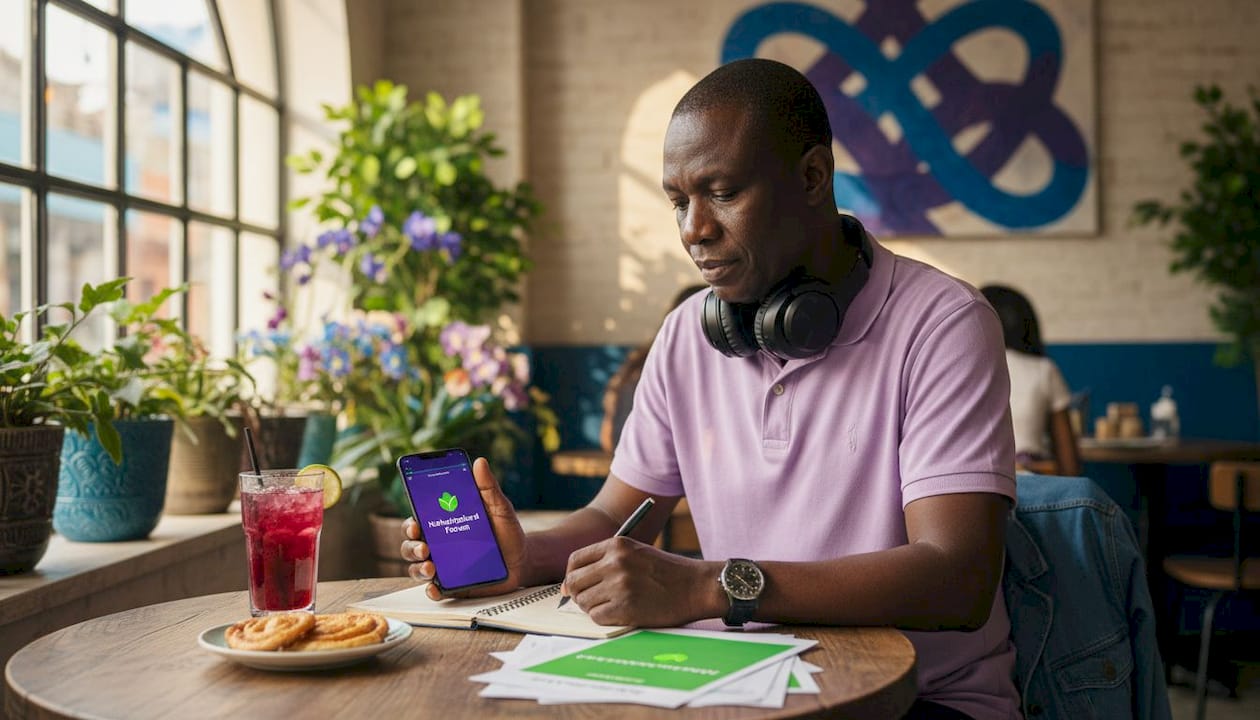
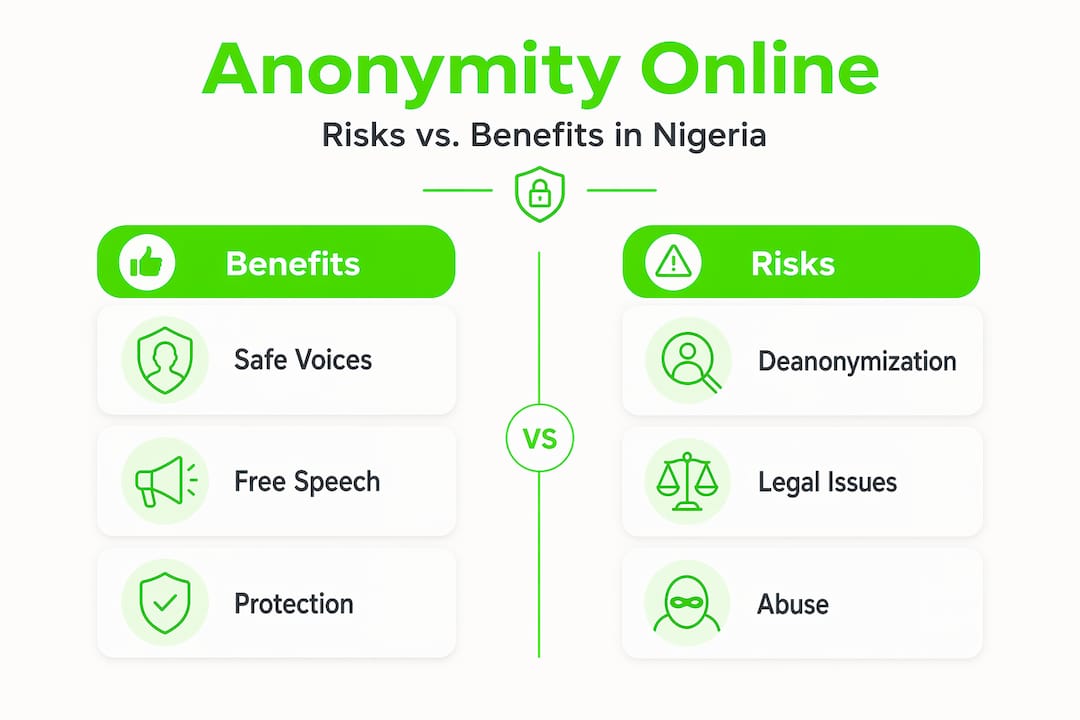
Anonymity does not make people better. Research consistently shows that anonymity facilitates both protective and harmful online behavior, and the absence of accountability can push some users toward conduct they would never attempt under their real names.
The key challenges include:
- Cyberbullying and harassment. Anonymous users can coordinate targeted attacks on individuals with little fear of consequence. Nigerian Twitter has seen multiple instances of coordinated harassment campaigns where the lack of identifiable accounts made it nearly impossible to hold perpetrators accountable.
- Disinformation spread. Anonymity supports freedom but also weaponizes disinformation, particularly when powerful actors use anonymous accounts to flood social media with false narratives before elections or during social crises.
- Reduced empathy. When you cannot see the human being behind a profile, it becomes easier to dehumanize them. This phenomenon, called toxic disinhibition, explains why comment sections on anonymous platforms often become hostile faster than those requiring real names.
- Legal blind spots. Many Nigerian users post anonymously believing they are completely protected, when in reality they are not. This false sense of security leads people to make statements online that expose them to criminal charges under Nigeria’s Cybercrimes Act.
- Platform limitations. Most platforms retain logs. Even if your username is anonymous, the platform’s backend may have your phone number, email, and IP address stored.
Here is a comparison of how different anonymity approaches hold up against common risks:
| Anonymity method | Identity protection level | Legal protection | Risk of deanonymization |
|---|---|---|---|
| Pseudonymous account only | Low | None | High |
| VPN plus pseudonymous account | Moderate | Limited | Moderate |
| Tor Browser plus burner account | High | Situational | Low to moderate |
| Platform anonymous feature | Low to moderate | None | High |
The table above makes one thing clear: no single method is foolproof. Stacking multiple approaches reduces risk but never removes it entirely.
Legal and cultural context in Nigeria
Nigeria occupies a complicated position when it comes to online expression. Freedom on the Net 2024 scores Nigeria 59 out of 100, placing it in the “Partly Free” category. The country’s Cybercrimes Act has been used in ways that critics argue suppress legitimate dissent rather than purely targeting criminal behavior. If you want a full breakdown of how these laws apply to you, Naijatipsland’s guide on Nigerian cybercrime legislation is worth bookmarking.
One legal principle that many Nigerian internet users are unaware of is the Download and Access rule. Nigerian courts apply this rule to determine jurisdiction in online defamation cases. According to emerging principles on Nigerian online defamation, the location where defamatory content is accessed determines which court has jurisdiction, meaning a post made anonymously in Lagos can be litigated in Abuja if a reader there accessed the content.
| Legal factor | What it means for you |
|---|---|
| Cybercrimes Act Section 24 | Criminalizes online posts deemed offensive or containing false information |
| Download and Access rule | Jurisdiction follows where content is read, not where it is posted |
| NCC data retention rules | ISPs retain user data that can be subpoenaed |
| Defamation provisions | Anonymous users can be unmasked through court orders |
Culturally, Nigerian attitudes toward anonymity online reflect a tension between communal accountability norms and the practical need for private expression. Many Nigerians grow up in environments where public disagreement is discouraged, which is exactly why anonymous posting has found significant uptake on platforms like Nairaland and in WhatsApp group chats.
Pro Tip: Before posting sensitive opinions anonymously, check whether the platform’s privacy policy includes provisions for law enforcement data sharing. Most Nigerian users skip this step entirely.
The intersection of civic discussion and digital rights is growing more prominent. Understanding the legal framework is not about self-censorship. It is about making informed choices.
Practical guidance for anonymous posting safely
Knowing the risks is only useful if you act on that knowledge. Here is what you can do to post anonymously with greater safety and purpose:
- Layer your tools. Use a VPN alongside a burner account rather than relying on just one method. No single tool provides complete protection.
- Avoid personal patterns. Do not reference specific locations, dates, or relationships that could narrow down your identity. A post that says “my boss at a Lagos bank” has already narrowed the field considerably.
- Review platform privacy policies. Know what data the platform collects and under what conditions they share it with authorities. This is non-negotiable before posting anything sensitive.
- Report abuse, do not retaliate. If you face harassment in an anonymous space, use the platform’s reporting tools. Retaliating anonymously can escalate situations and create new legal exposure for you.
- Use anonymous posting strategically. The most effective anonymous posts are purposeful, such as reporting corruption to a credible journalist, contributing to a mental health forum, or providing honest feedback in a workplace survey. Random venting rarely serves you or anyone else.
- Recognize that true anonymity is rare. VPNs and burner accounts are not foolproof. Operating with that awareness will make you more careful about what you post, regardless of your setup.
The goal is not perfect invisibility. The goal is reducing your exposure enough to exercise your voice without unnecessary risk.
My honest take on anonymity in Nigerian digital life
I have spent considerable time observing how Nigerians use anonymous platforms, and my perspective is this: anonymity is a tool, not a solution. Like any tool, its value depends entirely on how it is handled.
What I have noticed is that the loudest criticism of anonymous posting usually comes from those with the most to lose from honest public discourse. When a government official complains about anonymous online critics, that complaint itself tells you something about why anonymity is necessary in certain contexts.
At the same time, I will not pretend that anonymous spaces in Nigeria are always functioning well. Some of the most toxic behavior I have seen online originates from accounts with no accountability attached. The answer is not to ban anonymity. The answer is better platform moderation, stronger digital literacy, and communities that collectively reject harmful behavior even when the perpetrator cannot be identified.
What I have learned is that the impact of anonymity online reflects the values of the community around it. A well-moderated anonymous forum becomes a space for genuine, useful exchange. An unmoderated one becomes a dumping ground. Nigerian internet users deserve platforms that take that responsibility seriously. And as individual users, you have the power to choose which spaces you contribute to and how you contribute to them.
Building healthy digital habits now, understanding the law, choosing your platforms carefully, and being intentional about when and why you post anonymously, will matter more as Nigeria’s digital economy grows.
— Naijatipsland
Stay informed with Naijatipsland
Naijatipsland is your go-to source for practical, well-researched content on Nigeria’s digital environment, civic life, and current affairs. If this article opened your eyes to the legal dimensions of anonymous posting, you should also understand how Nigeria’s cybercrime laws directly affect your online activity in 2026. And if you want a fuller picture of how media shapes the way Nigerians communicate and participate in public life, our piece on traditional media’s influence gives you important context. Join the community at Naijatipsland, read, contribute, and stay one step ahead of the conversation shaping Nigeria today.
FAQ
What is the role of anonymous posting online?
The role of anonymous posting is to provide a protected channel for expression when public identity carries real risk, including for whistleblowers, activists, and marginalized groups. It encourages honest feedback, wider civic participation, and safer discussions on sensitive topics.
How does anonymous posting work technically?
Anonymous posting works through tools like VPNs, Tor Browser, burner email accounts, and platform-specific anonymous features that obscure your identity. However, metadata and behavioral patterns can still deanonymize users even when these tools are in use.
Is anonymous posting legal in Nigeria?
Posting anonymously is not explicitly illegal in Nigeria, but the content you post is still subject to the Cybercrimes Act. Offensive or false statements can be prosecuted, and courts can subpoena platform data to unmask anonymous users under the Download and Access rule.
What are the main benefits of anonymous posting?
The main benefits of anonymous posting include protection for whistleblowers, safe spaces for vulnerable and marginalized communities, more honest organizational feedback, and broader participation in civic and political discussions without fear of retaliation.
What are the biggest challenges of anonymous commenting?
The biggest challenges of anonymous commenting include the spread of misinformation, cyberbullying, reduced user empathy, and a false sense of total security. Platforms without strong moderation tend to amplify these problems significantly.