


TL;DR:
- Your online reputation influences hiring decisions, business opportunities, and social trust in Nigeria. Managing it proactively by monitoring, building positive content, and responding professionally helps sustain trust and credibility. Consistent, strategic engagement across channels is essential for long-term reputation resilience.
Before you say a single word in a job interview, the hiring manager has already searched your name online. That one search result, that old Facebook post, or that comment you left in a forum three years ago, can either open doors or quietly close them. Most Nigerians think online reputation is about replying to comments or getting more followers. It is much bigger than that. Your digital image is a living record that follows you into every professional pitch, every new friendship, and every business deal you attempt to make.
Table of Contents
- What is online reputation and why does it matter?
- The mechanics of building and managing online reputation
- Online reputation as a process: resilience and regular care
- Examples and analysis: Reputation strategies in the real world
- A fresh perspective: The hidden drivers of digital trust in Nigeria
- Next steps: Build your reputation and stay informed
- Frequently asked questions
Key Takeaways
| Point | Details |
|---|---|
| Reputation shapes opportunity | What appears about you online affects jobs, friendships, and trust. |
| Regular care is essential | Monitoring and proactive updates keep your image positive and resilient. |
| Broad trust signals matter | True reputation comes from consistent signals across search, social, and forums—not just review replies. |
| Respond fast to rumors | Quick factual responses with evidence help prevent escalation and long-term harm. |
What is online reputation and why does it matter?
Online reputation (ORM) is the total picture of you that exists on the internet. It is every social media post you have published, every comment section you appeared in, every review someone wrote about your business, and every search result that shows your name. Think of it as your digital resume, except you did not write most of it, and anyone can read it at any time.
In Nigeria, where internet access is growing fast and social media use is intense, this matters enormously. Employers in Lagos, clients in Abuja, and business partners in Port Harcourt all check online before committing to a relationship. Studies consistently show that the first page of Google results for your name is what shapes the first impression most people form about you.
Here is what makes up your visible online signals:
- Search engine results: What comes up on the first page when someone searches your name or business
- Social media profiles: Your LinkedIn, Twitter/X, Instagram, and Facebook presence
- Public comments and forum posts: Things you have written on platforms and news forums
- Review profiles: Ratings on Google Business, Jumia, or any marketplace you sell on
- Tagged content: Photos, posts, or articles where others have mentioned or tagged you
“Simply responding to reviews is not the full ORM discipline; reputation is influenced by broader narrative signals across channels.”
This is a critical point most people miss. You cannot manage your reputation by only replying to Google reviews. The broader story, what is written about you across all channels, is what builds or destroys trust. The fake news impact on personal reputation is particularly sharp in Nigeria, where a single viral screenshot can change how hundreds of people see you overnight. Understanding how digital communities in Nigeria amplify both positive and negative narratives is your first step toward taking control.
The mechanics of building and managing online reputation
Now that we know why reputation matters, let’s see the tools and tactics that help you build and protect it.
Online reputation management typically combines three distinct pillars: monitoring what is being said, proactively building positive content and profiles, and reactively responding when something negative surfaces. Most people only do the third one, and only after a crisis hits. That is the wrong approach.
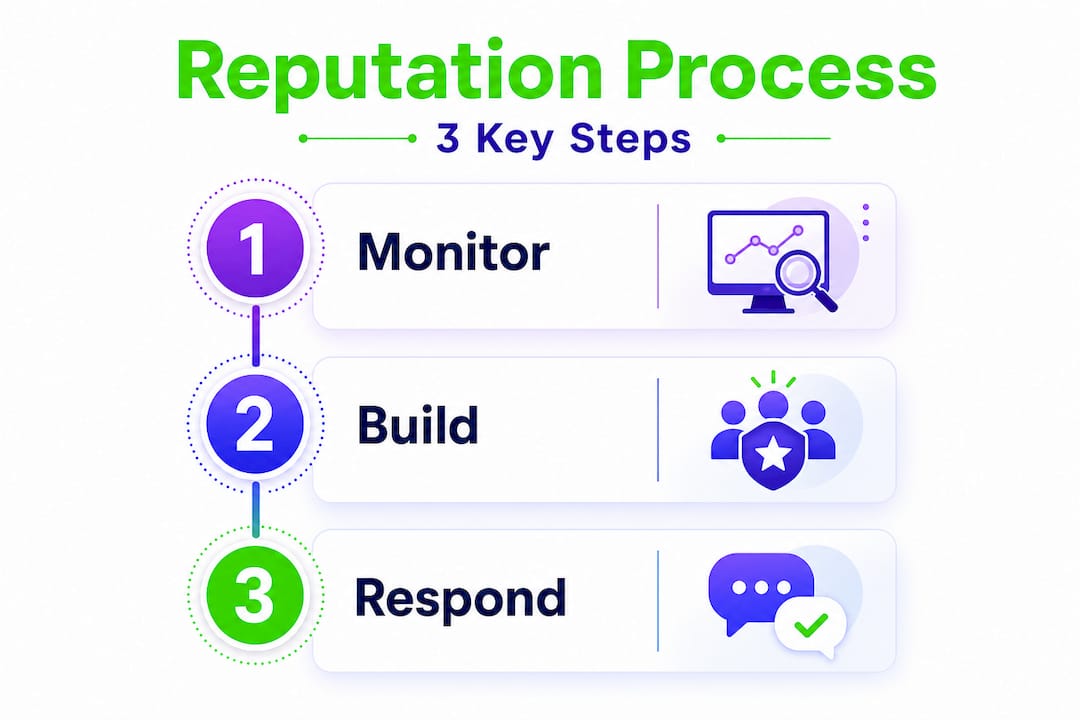
Here is a comparison of the three main reputation management approaches:
| Approach | What it involves | Best for | Risk if ignored |
|---|---|---|---|
| Passive | No active monitoring or posting | Nobody | Very high: damage goes unnoticed |
| Proactive | Regular posting, profile updates, brand building | Everyone | Low: strong positive content pushes negatives down |
| Reactive | Only responds when crisis hits | Damage control | Medium: late responses can feel insincere |
The proactive approach is always the most effective. You build a strong enough positive presence so that negative content has less room to rank or spread. Here is a practical process to follow:
- Set up alerts: Use Google Alerts to get email notifications any time your name or business name appears in new search results. This is free and takes five minutes to set up.
- Audit your profiles: Search your own name right now. Look at what appears on the first two pages. Note anything outdated, misleading, or embarrassing.
- Clean up old content: Delete or archive old social media posts that no longer reflect who you are. Pay attention to forum contributions and comment sections too.
- Build fresh, positive content: Publish thoughtful posts, contribute meaningfully to professional discussions, and update your LinkedIn or personal website regularly.
- Respond to reviews professionally: Whether a review is positive or negative, acknowledge it calmly and factually. Emotional replies damage your image further.
- Monitor review platforms: If you run a business, check review sites monthly and track patterns in feedback.
Pro Tip: Practicing good forum etiquette is one of the most overlooked reputation builders. The way you engage in online discussions, whether on Naijatipsland or Twitter/X, says a lot about your character to anyone watching. Respectful, informed contributions build credibility over time.
Understanding the role of news forums in Nigeria also helps you appreciate where conversations about people and brands get started. Many reputation crises begin in forums and comment sections before spreading to mainstream social media. Monitoring those spaces is essential.
You can also learn from how professionals and public figures handle reputation management in high-stakes situations. The patterns they use, quick acknowledgment, factual correction, and consistent follow-up, are applicable to everyday Nigerians too.
Online reputation as a process: resilience and regular care
Understanding the mechanics is crucial, but let’s talk about how reputation is sustained for the long haul.
One of the biggest misconceptions is that reputation management is a task you complete once and forget. It is not. Your reputation is dynamic. It grows when you actively nurture it and decays when you ignore it. Negative content does not stay buried forever. If you stop publishing positive content and engaging consistently, older negative posts can resurface in search results as your fresh content disappears.

Treating online reputation as a continuous process of proactive resilience and timely response, rather than a one-time crisis fix, is the methodology that actually protects you in the long run. Think of it like maintaining your health. You do not only visit the doctor when you are sick. You eat well, exercise, and do regular checkups. Reputation works the same way.
Here is what happens to your online image over time depending on how you manage it:
| Timeframe | If you ignore your reputation | If you maintain it actively |
|---|---|---|
| 1 month | Minor negative content starts ranking higher | Positive content stays visible and current |
| 3 months | Old posts resurface; profiles look outdated | Consistent engagement builds credibility signals |
| 6 months | Negative stories may dominate search results | Strong positive narrative is hard to displace |
| 12 months | Trust erosion affects opportunities noticeably | Reputation becomes a genuine asset for growth |
Simple routines make a big difference. Schedule a monthly self-search. Respond to any new mentions within 48 hours. Update your professional profiles every quarter. These small habits add up to a protective layer around your digital identity.
Edge cases require special attention:
- Misinformation: If false information about you spreads, respond publicly with documented evidence. Do not argue emotionally. State the facts clearly and link to verifiable sources.
- Impersonation: If someone creates a fake account using your name or photos, report it to the platform immediately and inform your audience directly.
- Rumor escalation: Address rumors early. A delayed response allows the narrative to grow and solidify in people’s minds before you have a chance to correct it.
Pro Tip: Keep a personal “evidence folder” on your phone or computer. Save screenshots of positive feedback, endorsements, and completed projects. If your reputation ever comes under attack, you have a ready-made record to defend yourself.
Contributing to community platforms by sharing verified news is also a smart reputation move. When you submit news articles for community engagement, you position yourself as a credible, informed voice in your niche.
Examples and analysis: Reputation strategies in the real world
Bringing it all together, let’s see how these strategies work or fail in real life.
Nigerian examples are everywhere if you know where to look. A business owner in Kano receives a fake negative review accusing them of selling counterfeit goods. Instead of responding with insults, they post a calm, documented reply with photos of their verified products and supplier certifications. Within days, their regular customers rally to post genuine positive reviews. The crisis becomes an opportunity to showcase their transparency.
On the flip side, a young professional in Lagos posts a heated political opinion during a tense news cycle. The tweet goes viral in Nigeria for the wrong reasons. When a recruiter searches their name six months later during a job application process, that tweet is still on the first page of results. The opportunity disappears quietly without explanation.
Here is what separates effective reputation responses from damaging ones:
- Effective: Respond quickly (within hours, not days), use facts and evidence, maintain a calm and professional tone, then follow up once the issue has settled
- Damaging: Ignore the issue entirely, respond with emotion or personal attacks, delete posts without explanation, or over-explain in ways that keep the story alive longer
- Effective: Build a base of positive content so strongly that one negative incident has less room to define you
- Damaging: Rely entirely on reactive responses without ever building positive signals proactively
Addressing reputation challenges requires blending fast communication to prevent rumor escalation with documented evidence and longer-term remediation, rather than relying only on emotional replies. This is true whether you are a celebrity, a small business owner, or a job seeker in Enugu.
Globally, celebrities and brands that recover fastest from reputation crises share one thing: they respond with facts, not feelings. They acknowledge concerns, provide clear evidence, and then pivot back to their positive narrative quickly. Emotional outbursts, even when the person is genuinely wronged, tend to extend the life of a controversy.
Nigerian young adults can apply career-focused reputation strategies to position themselves ahead of peers in competitive job markets. Your digital footprint, when managed intentionally, becomes one of the most powerful tools in your professional toolkit.
Pro Tip: Always keep documentation of your professional accomplishments, client testimonials, and project outcomes. These become valuable reputation assets when you need them, and they feed the positive content machine that keeps your online image strong.
A fresh perspective: The hidden drivers of digital trust in Nigeria
Most guides focus on what you can measure: review scores, search rankings, follower counts. But the deeper, more powerful driver of digital trust is narrative, the story that people piece together from all the signals they see about you across multiple channels.
In Nigeria, this narrative is shaped by a unique blend of digital and offline trust signals. Someone might read your LinkedIn profile, then check if their cousin knows you, then look at your Twitter/X activity, and finally ask in a WhatsApp group about your reputation. Every touchpoint contributes. You cannot control all of them, but you can influence the story that emerges.
The uncomfortable truth is that ORM teams and vendors sometimes over-focus on review replies or rankings, overlooking the broader system of narrative trust signals across channels. This creates a blind spot. You can have five-star reviews and still lose a business deal because your social media presence feels inconsistent, or because you are nowhere to be found when someone searches your industry expertise.
Consistency is the real currency of digital trust. When what you post, how you respond, and how you present yourself align across all platforms, people feel they know who you are. That feeling of knowing someone, even digitally, is what drives trust and opportunity in Nigeria’s increasingly online economy. How traditional media shapes Nigerian culture also reminds us that Nigerians bring a community-oriented lens to trust evaluation. Being seen as a contributing, credible member of your community, online and offline, carries enormous weight.
Next steps: Build your reputation and stay informed
Ready to take action? Here are resources to help you build your digital footprint.
Managing your online reputation is a continuous commitment, and staying informed about trends, news, and community conversations is a big part of it. When you understand what is being discussed in your industry and your community, you can contribute meaningfully and position yourself as a credible voice.
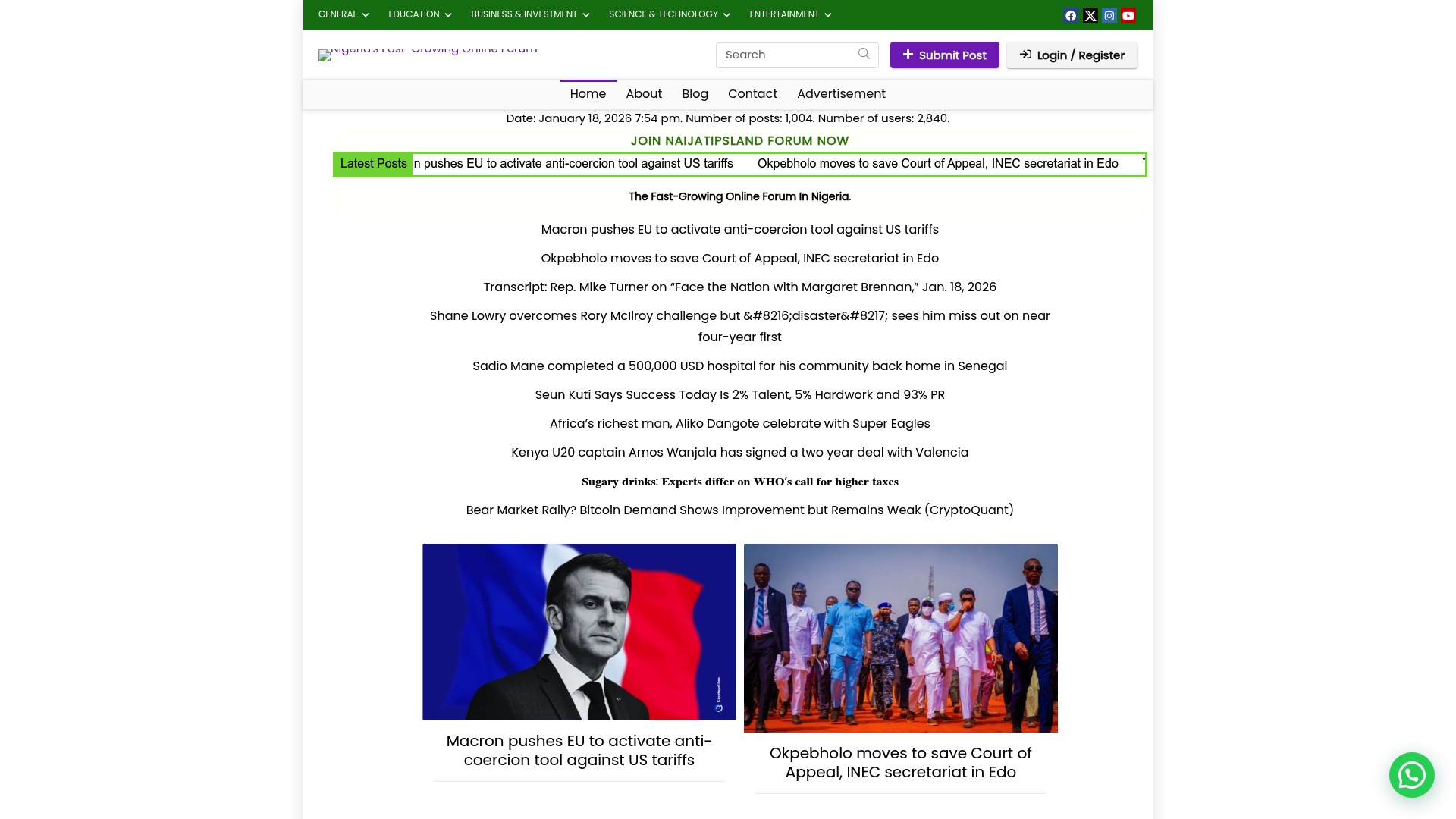
Naijatipsland.com is built for exactly this purpose. It is a platform where Nigerian internet users stay updated, share perspectives, and engage with topics that matter locally and globally. Whether you want to stay current on news that affects your professional world or engage in discussions that build your community presence, Naijatipsland resources are a practical starting point. Staying updated through platforms that keep you informed and engaged means you never miss the conversations shaping your environment. That awareness directly feeds your reputation as someone who is plugged in and credible.
Frequently asked questions
How can Nigerian young adults monitor their online reputation?
Use Google Alerts, review sites, and social media search tools to regularly check what appears for your name, because the first page of results is what most people will see and judge you by.
What’s the difference between responding to reviews and real reputation management?
Responding to reviews is one small piece; full reputation management means building positive narrative signals across your social profiles, search presence, and community contributions.
How often should I check or update my online presence?
Monthly checks and quarterly profile updates are a solid baseline, because treating reputation as ongoing rather than a one-time fix is what prevents small issues from growing into real damage.
What are fast steps for reputation recovery after viral rumors?
Respond quickly with documented facts, update your profiles to reinforce your credibility, and track where the misinformation is spreading, since fast communications paired with evidence stop rumors from taking permanent root.