


Scrolling through a heated debate about Nigerian elections or trending health tips, it can be tough to tell which stories are real and which are intentionally crafted to deceive. For university students and young professionals across Nigeria, the lines between honest mistakes, bias, and deliberate fake news have never been blurrier—or more consequential. Recognizing these distinctions and understanding the most common myths about fake news will empower you to spot manipulation, protect your voice in online discussions, and make smarter decisions every day.
Table of Contents
- Defining Fake News and Common Myths
- Major Types and Modern Examples
- How Fake News Spreads in Digital Media
- Social, Political, and Economic Impacts
- Spotting and Combating Fake News Online
Key Takeaways
| Point | Details |
|---|---|
| Understanding Fake News | Fake news is intentionally misleading information meant to deceive audiences, contrasting with unintentional misinformation. |
| Common Myths | Many believe that fake news is just poor journalism or that it affects only certain groups, but anyone can fall prey to it without proper verification. |
| Impact on Society | Fake news contributes to political instability, economic uncertainty, and the erosion of social trust, affecting individual decision-making. |
| Verification Strategies | Always check source credibility, cross-reference claims, and be cautious of emotional headlines to combat the spread of fake news. |
Defining Fake News and Common Myths
Fake news isn’t just any false information floating around online. It’s something much more specific and deliberate. Understanding what actually counts as fake news—and what doesn’t—is your first line of defense against misinformation.
What Fake News Really Is
Fake news is deliberately misleading information designed to look like legitimate news. It’s crafted with intentional deception in mind, typically to spread ideology, influence opinions, or make money. The key word here is intentional—this separates fake news from simple mistakes or poor reporting.
The rise of social media has made fake news spread faster than ever. A false story can reach millions of Nigerian users before fact-checkers even notice it. The distinction between misinformation and disinformation matters here: misinformation is unintentional falsehood, while disinformation is deliberate.
Here’s a quick comparison of misinformation and disinformation for better understanding:
| Feature | Misinformation | Disinformation |
|---|---|---|
| Intent | Unintentional | Deliberate deception |
| Typical Source | Individuals, mistakes | Organized campaigns |
| Impact | Can cause confusion | Manipulates public opinion |
| Example | Sharing inaccurate stats | Faking news for profit |
Common Myths About Fake News
People often confuse fake news with other types of false content. Let’s clear up the biggest misconceptions:
Myth: Fake news is the same as bad journalism. False reporting has errors, but bad journalism isn’t intentionally designed to deceive. Fake news is crafted specifically to mislead.
Myth: Anything I disagree with is fake news. This is a dangerous misunderstanding. Just because a story contradicts your beliefs doesn’t make it fake. Real fake news has verifiable falsehoods, not just different perspectives.
Myth: Fake news barely affects real-world outcomes. Wrong. Fake news erodes trust in media institutions and democratic processes. It influences how people vote, what they believe about public health, and how they treat each other.
Myth: Only certain groups fall for fake news. Everyone is susceptible. University students, professionals, and even journalists can share false information if it aligns with their existing beliefs.
Why Definitions Matter
You might wonder why we’re splitting hairs about definitions. Here’s why: if you can’t accurately identify fake news, you can’t fight it effectively. When you see something online, you need to ask yourself: Is this intentionally designed to deceive? Or is it just a poorly written article?
The post-truth era demands precision. Vague definitions of “fake news” only make the problem worse.
This matters in Nigeria’s digital space. Rumors spread quickly on WhatsApp, TikTok, and Twitter. Knowing the difference between genuine misinformation and deliberate disinformation helps you respond appropriately.
Pro tip: When you encounter suspicious news, check if the source has a history of accurate reporting and whether the story serves a clear agenda—these are stronger indicators of fake news than your immediate emotional reaction.
Major Types and Modern Examples
Fake news comes in different flavors, and recognizing them helps you spot deception faster. Not all fake news looks the same, and not all originates from the same sources.
Four Main Categories of Fake News
Fabricated content, manipulated content, imposter content, and false context represent the primary types of fake news circulating today. Each type uses different tactics to deceive.
Fabricated content is completely made-up information with no factual basis. A story claiming a Nigerian politician died when they’re still alive falls here.
Manipulated content takes real information and twists it. Real statistics get distorted, or genuine photos get edited to show something false.
Imposter content pretends to come from trusted sources. A fake news site mimicking a legitimate news outlet’s design tricks readers into trusting false stories.
False context shares real information but in the wrong setting. A photo from one event gets paired with an unrelated story, creating confusion.
Real Examples From 2024
Fake news isn’t abstract. It’s happening right now in your feed. Recent prominent examples show how deceptive information spreads across social media and mainstream platforms alike.
Nigerian examples include false claims about currency exchanges, exaggerated crime statistics presented as current events, and manipulated election-related stories. Some fake news even comes from people you’d expect to know better—journalists, commentators, and media figures spread misinformation alongside fringe accounts.
Health and Politics Are Prime Targets
Two areas see the most fake news: health and politics. During the COVID-19 pandemic, false cure claims spread faster than accurate health information. In elections, fabricated stories about voter fraud or candidate scandals can sway opinions.
Why these areas? They trigger strong emotions. People care deeply about their health and who leads their country, making them less critical when reading related content.
Emotional stories spread faster than factual ones. Your anger is fake news’s best friend.
On Nigerian social media, health misinformation about vaccines and political rumors during election seasons consistently go viral. This isn’t coincidence—it’s strategy. Fake news creators know which topics will make people share without thinking.
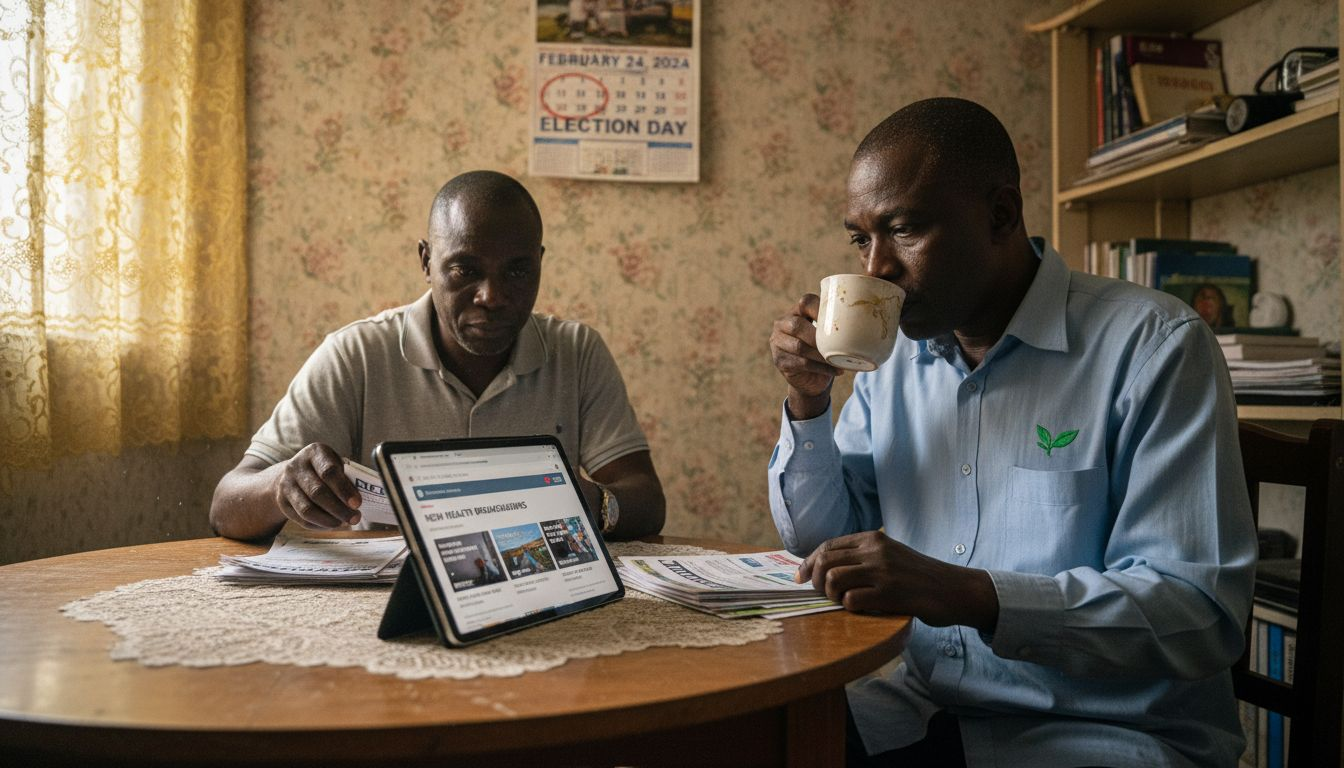
Pattern You Should Notice
Fake news doesn’t just come from obvious sources anymore. Mainstream outlets, verified accounts, and seemingly credible people share false information regularly. This makes fake news harder to spot because the source looks legitimate.
Pro tip: Regardless of who shares a story, verify claims using multiple independent sources before believing it—source credibility alone isn’t enough protection anymore.
How Fake News Spreads in Digital Media
Fake news doesn’t spread by accident. Social media platforms are engineered to amplify engagement, and fake news thrives on engagement. Understanding the mechanics behind its spread helps you recognize when you’re being manipulated.
The Algorithm’s Role
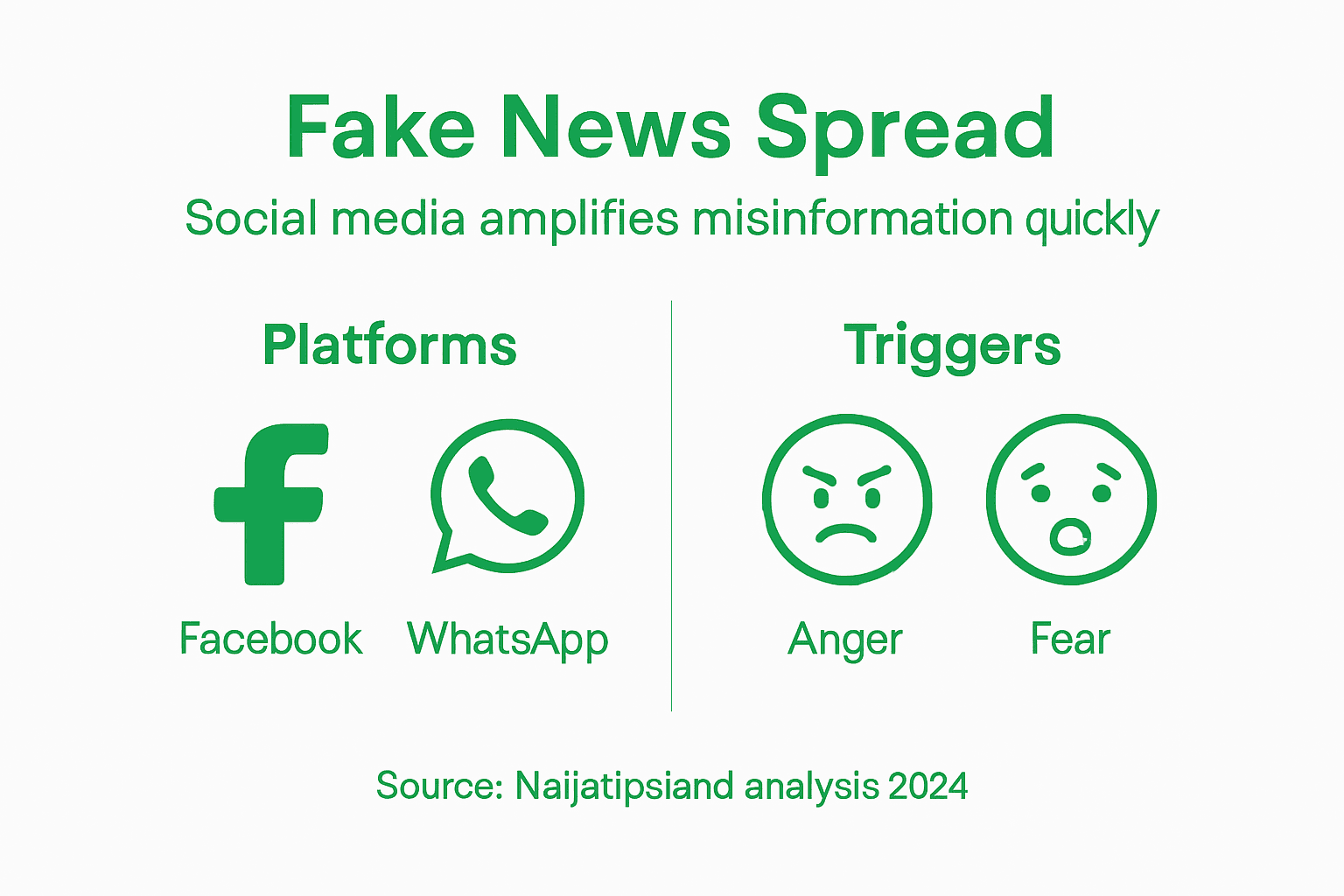
Social media algorithms prioritize content that keeps you scrolling. Emotional content—whether angry, shocked, or outraged—generates more clicks and shares than factual, balanced reporting. Emotional appeal and confirmation biases accelerate fake news spread across platforms rapidly.
Facebook, Twitter, TikTok, and WhatsApp all reward sensationalism. A false headline designed to anger you will reach more people than a boring correction. This isn’t a bug in the system; it’s the entire design.
When you’re in an echo chamber, you mostly see opinions and information that match your existing beliefs. Algorithms learn what you engage with and show you more of the same. This makes you less likely to question information that aligns with what you already think.
How Fake News Actually Moves
Fake news travels through specific channels:
Bots and coordinated campaigns artificially inflate engagement. A fake story might get hundreds of retweets from automated accounts before real people even see it, making it appear popular and credible.
Viral sharing happens when people share without reading. A headline triggers your emotions, you tap share, and the story spreads without you verifying anything.
Influencer amplification occurs when accounts with large followings share false information. If a popular TikToker posts fake news, millions see it instantly.
WhatsApp groups and family chats spread rumors locally. On Nigerian messaging platforms, unverified claims travel faster than corrections.
Why Nigerians Are Particularly Vulnerable
Low digital literacy, political polarization, and eroded institutional trust make social media users susceptible to coordinated misinformation campaigns. When people distrust government, media, and institutions, they’re more likely to believe sensational stories.
During election seasons or health crises, deliberately crafted disinformation targets specific demographic groups with precision. Bad actors know exactly which communities to target and what stories will resonate.
Fake news spreads six times faster than truth on social media. Speed is its superpower.
Your emotional reaction is the real weapon. If a story makes you angry or scared, you’re more likely to share it without thinking. That’s exactly what fake news creators want.
Pro tip: If a story makes you angry and you immediately want to share it, wait 24 hours instead—emotional reactions are fake news’s greatest ally.
Social, Political, and Economic Impacts
Fake news isn’t just annoying—it damages society in measurable ways. The ripple effects touch your wallet, your country’s stability, and your ability to trust institutions. These impacts are real and quantifiable.
Political Instability and Democratic Erosion
Fake news undermines democratic processes. During elections, fabricated stories about candidates swing voters. False claims about voting procedures discourage people from participating. Over time, fake news erodes trust in democratic institutions and governance, weakening the foundations of representative government.
Nigeria’s elections have been shaped by misinformation campaigns. False narratives about vote rigging, candidate backgrounds, and policy positions spread faster than corrections. When citizens can’t trust information about their government, democracy suffers.
Economic Consequences You Feel
Fake news creates real economic damage. Misinformation fosters economic uncertainty, reducing consumer spending and investment confidence. When people believe false stories about inflation, currency collapse, or job markets, they change their spending and investment behavior.
This creates a domino effect:
- Consumers avoid purchases based on false economic fears
- Businesses delay investments when uncertain about market conditions
- Unemployment rises as companies scale back operations
- Industrial output decreases when misinformation shocks the economy
Social Breakdown and Trust Erosion
Perhaps most damaging is the erosion of social trust. When fake news spreads about health threats, ethnic groups, or religions, it creates divisions. Communities fracture. People become suspicious of neighbors and institutions.
Healthcare suffers when people distrust public health information. During COVID-19, false claims about vaccines and cures cost lives. In Nigeria, vaccine hesitancy fueled by fake news delayed immunization campaigns and allowed preventable diseases to spread.
Fake news doesn’t just spread lies—it destroys the social fabric that holds communities together.
Individual Decision-Making Damage
You make decisions based on information you trust. False information leads to poor choices about health, finances, and safety. Young professionals might avoid promising jobs based on fake industry rumors. Students might choose wrong career paths influenced by misinformation.
Fake news about cryptocurrency schemes, investment scams, and financial products specifically targets Nigerians seeking economic advancement. Your individual financial security depends on accurate information.
Pro tip: When making major personal decisions—health choices, job changes, investments—verify information through at least three independent, established sources before committing.
Spotting and Combating Fake News Online
You don’t need advanced technology to spot fake news. Critical thinking and verification skills will catch most deception. The tools exist—you just need to know how to use them.
Red Flags That Signal Fake News
Learn to recognize warning signs before sharing. Fake news usually displays predictable patterns:
- Sensational headlines designed to provoke emotion rather than inform
- Missing source information or vague attributions like “sources say”
- Poor grammar and spelling across the entire article
- One-sided arguments with no opposing viewpoints presented
- Requests to share urgently before you verify facts
- Unusual domain names mimicking legitimate news outlets
When you see these patterns, pause. Don’t share immediately. Do basic verification first.
To help identify fake news, here’s a summary of common warning signs and effective verification methods:
| Red Flag | Why It Matters | How To Verify |
|---|---|---|
| Sensational headlines | Provokes strong emotion | Check multiple outlets |
| No clear sources | Low credibility | Find original sources |
| Unusual domain names | Mimics trusted sites | Inspect site details |
| Urgent share requests | Pushes viral misinformation | Pause before sharing |
Your Verification Toolkit
Effective detection of fake news requires fact-checking and critical analysis of textual and visual content. You have practical tools available right now.
Check the source – Visit the publisher’s website directly. Does it look professional? Does it have an about page explaining who runs it?
Reverse image search – Right-click photos and search Google Images. Fake news often uses unrelated images or old photos from different contexts.
Cross-reference claims – Search the main claim on multiple news sites. Real news gets covered by multiple outlets; fake stories appear isolated.
Use fact-checkers – Websites like Snopes, FactCheck.org, and PolitiFact verify claims professionally. Search suspicious stories there.
Check publication dates – Old stories resurface as current news. If the article looks recent but discusses old events, it’s probably recycled misinformation.
Ask Critical Questions Before Sharing
Critical thinking and verification questions help identify misinformation before it spreads. Before hitting share, ask yourself:
- Why does this story make me feel strong emotions?
- Does the headline match the article content?
- Are there credible sources cited or just opinion?
- Would a legitimate news outlet cover this the same way?
- Am I sharing because I verified it or because it confirms what I already believe?
Fake news thrives on speed. Taking 60 seconds to verify is your superpower.
Your emotional reaction is the fastest way to spot manipulation. If a story makes you instantly angry or scared, slow down. That’s exactly how fake news is engineered to work.
What You Can Do Beyond Personal Verification
You’re not alone in this fight. Media literacy campaigns and platform interventions work best when communities participate. Report false information on social media. Use platform fact-checking features. Share accurate corrections when you spot misinformation.
On Nigerian social media platforms, community action matters. When WhatsApp groups spread false stories, correct them with facts. When TikTok videos contain misinformation, report them.
Pro tip: Before sharing any health, political, or financial news, spend two minutes searching the claim on Google News or a fact-checking site—this single habit stops misinformation at the source.
Stay Ahead of Fake News With Naijatipsland
Fake news on social media is not just misinformation but a deliberate tool to manipulate opinions and emotions. If you are tired of feeling misled or overwhelmed by sensational headlines that flood platforms like WhatsApp and Twitter, you are not alone. The key to regaining control is understanding how fake news spreads, spotting its red flags, and engaging with credible sources that value accurate, timely information.
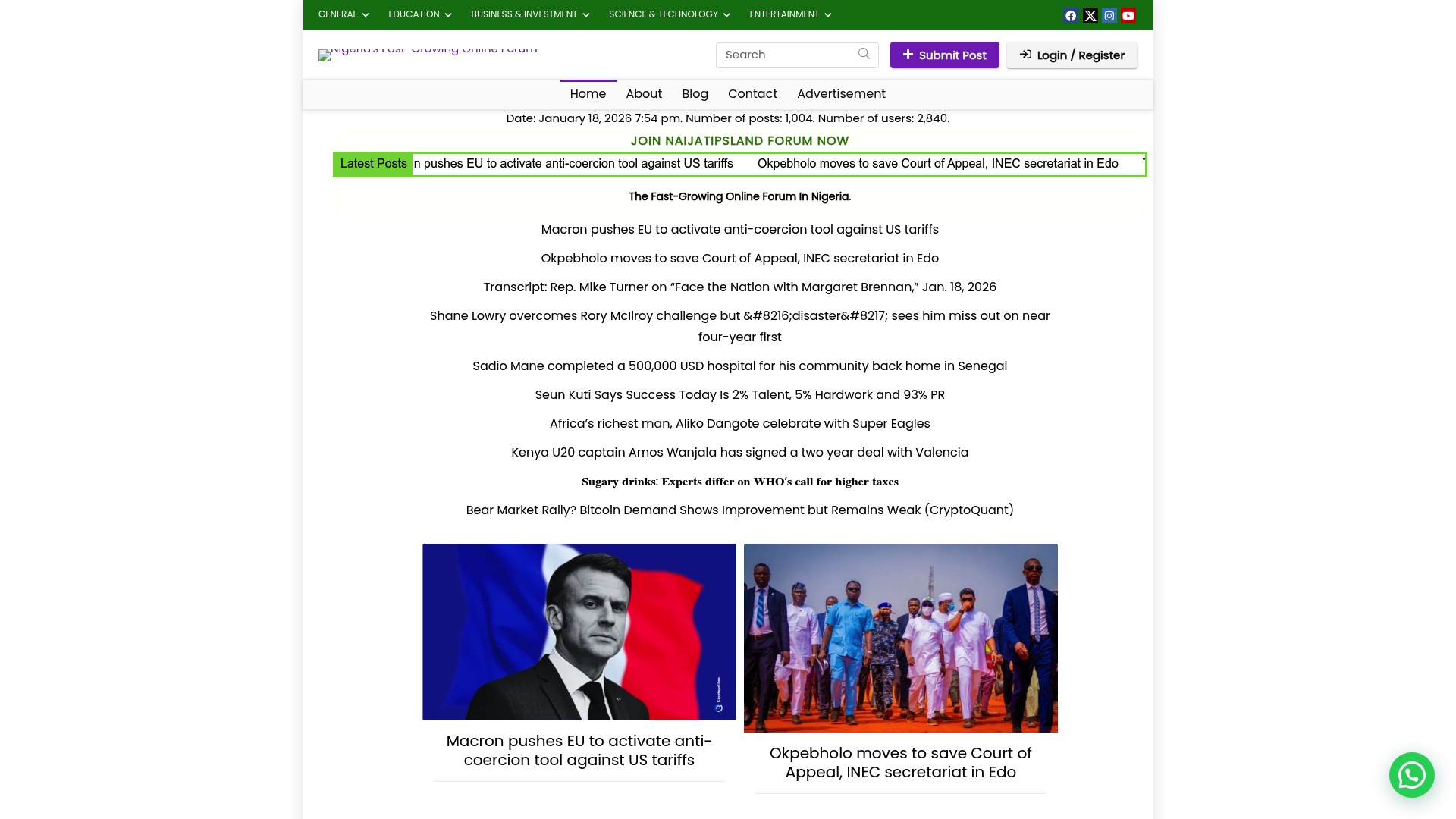
Join the vibrant community at Naijatipsland.com where Nigerians come together to discuss trending topics with clarity and critical insight. Our platform helps you navigate today’s digital maze by providing a hub for trustworthy news, lively conversations, and fact-checked updates across politics, health, and society. Take action now and empower yourself to challenge misinformation before it influences your decisions. Visit Naijatipsland to stay informed and connected with a community committed to truth and transparency.
Frequently Asked Questions
What is fake news?
Fake news refers to deliberately misleading information designed to appear as legitimate news, crafted to spread ideology, influence opinions, or generate profit.
How can I identify fake news?
You can identify fake news by looking for red flags such as sensational headlines, missing source information, poor grammar, one-sided arguments, urgent requests to share, and unusual domain names.
What are the major types of fake news?
The four main types of fake news are fabricated content, manipulated content, imposter content, and false context, each using different tactics to deceive the audience.
Why does fake news spread so quickly on social media?
Fake news spreads quickly on social media due to algorithms that prioritize emotional content, which generates more engagement, making misleading stories more visible and likely to be shared.