


Scrolling through your feed, you notice how some stories blow up overnight while others disappear without a trace. For Nigerian young adults, understanding what drives viral news unlocks a new level of social media engagement and online relevance. With emotional triggers leading the charge, viral news thrives on connection, storytelling, and the instant reactions it sparks across platforms, shaping what trends and who gets heard in digital conversations.
Table of Contents
- Defining Viral News In Digital Media
- Types And Sources Of Viral News
- Key Traits Powering Viral Spread
- The Role Of Algorithms And Influencers
- Risks And Benefits For Nigerian Audiences
- Misinformation And Legal Concerns Online
Key Takeaways
| Point | Details |
|---|---|
| Understanding Viral News | Viral news spreads rapidly through digital platforms, driven by emotional connections rather than just technology. |
| Key Characteristics | Viral news is characterized by high emotional engagement, digestible formats, and a capacity to transcend traditional media boundaries. |
| Sources of Viral News | It can originate from various sources including mainstream media, social media, and citizen journalism, each influencing credibility and engagement. |
| Risks of Misinformation | While viral news can facilitate rapid information access, it also raises concerns about misinformation and the need for critical media literacy. |
Defining Viral News in Digital Media
The digital media landscape has radically transformed how information spreads, giving rise to the phenomenon of viral news. Unlike traditional media channels, viral news represents a dynamic communication model where content rapidly propagates across online platforms through social networks and digital ecosystems. Digital communication frameworks demonstrate that virality is more than technological transmission – it’s a complex psychological and social process.
Viral news possesses several distinctive characteristics that differentiate it from conventional news dissemination:
- Rapid and exponential spread through digital networks
- High emotional engagement triggering immediate sharing
- Content that resonates with audience psychological triggers
- Short, digestible message formats
- Ability to transcend traditional media boundaries
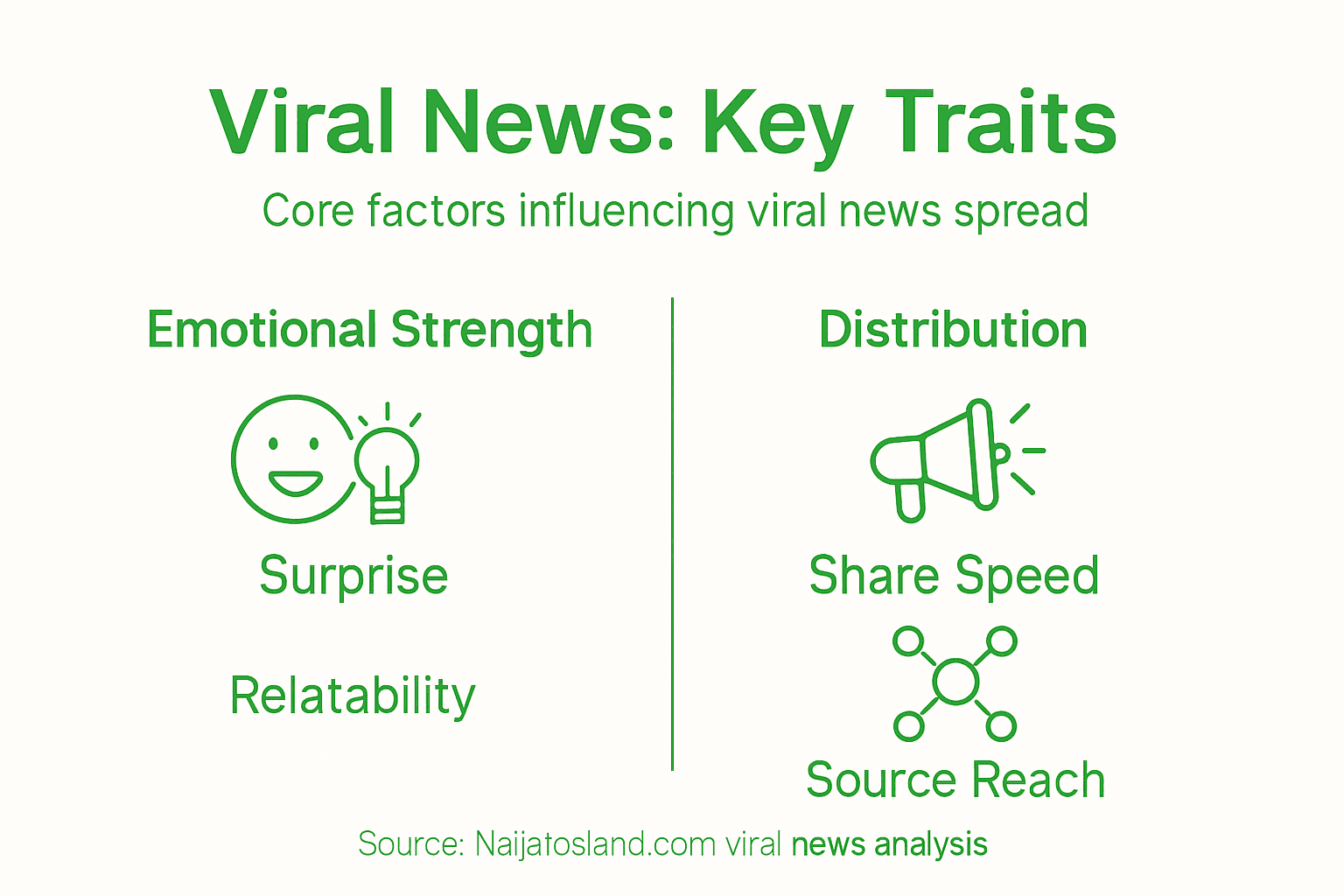
Information transmission in digital environments reveals that viral news is fundamentally driven by emotional connections rather than mere technological capabilities. The psychological dimension transforms digital sharing from a mechanical process into a deeply human communication experience. Emotional triggers like surprise, outrage, humor, or empathy become the primary catalysts that propel content across social networks.
Understanding viral news requires recognizing its multifaceted nature. It’s not simply about algorithms or platform mechanics, but about human connection, storytelling, and the intrinsic human desire to share experiences. The most successful viral news pieces tap into universal emotions and narratives that transcend individual cultural boundaries.
Here’s a summary comparing traditional news and viral news models:
| Aspect | Traditional News | Viral News |
|---|---|---|
| Distribution Speed | Slow, scheduled releases | Instant, exponential spread |
| Main Channels | Print, TV, radio | Social media, online platforms |
| Emotional Trigger | Often neutral | Designed for strong reactions |
| Message Style | Detailed, long-form | Short, easily shared formats |
| Audience Role | Passive recipient | Active distributor |
Pro tip: When creating content aimed at going viral, focus more on emotional resonance than technological distribution strategies.
Types and Sources of Viral News
Viral news emerges from a complex ecosystem of digital communication channels, representing a dynamic blend of traditional and modern information dissemination methods. News transmission across digital platforms reveals a multifaceted landscape where content can originate from diverse sources and spread with unprecedented speed and reach.
The primary sources of viral news can be categorized into several key types:
- Mainstream Media Outlets: Traditional news organizations creating digital content
- Social Media Platforms: User-generated and algorithmically amplified content
- Citizen Journalism: First-hand reporting from individual witnesses
- Digital-Only News Websites: Online-exclusive news and media organizations
- Influencer-Generated Content: Personal networks and digital personalities
Understanding the nuanced nature of these sources helps contextualize how viral news propagates. Each source brings unique characteristics and credibility levels, contributing to the complex dynamics of digital information sharing. Some sources prioritize emotional engagement, while others focus on factual reporting, creating a diverse ecosystem of content generation.
The digital landscape has fundamentally transformed news consumption patterns, enabling rapid content distribution across multiple channels. Unlike traditional media, viral news can emerge from unexpected sources, quickly gaining momentum through social sharing, algorithmic recommendations, and emotional resonance.
Pro tip: Verify the original source of viral content before sharing to prevent misinformation spread.
Key Traits Powering Viral Spread
Viral content operates through complex psychological mechanisms that transform simple information into rapidly spreading digital phenomena. Network effects and emotional triggers reveal intricate dynamics that propel digital information across social platforms, creating explosive content distribution patterns.
The key psychological traits driving viral spread include:
- High-Arousal Emotions: Content triggering strong feelings like anger, awe, or excitement
- Social Currency: Information that enhances personal status when shared
- Practical Utility: Content providing immediate value or insights
- Emotional Resonance: Messages connecting deeply with audience experiences
- Network Amplification: Potential for exponential content distribution
Viral spread mechanisms demonstrate that emotional intensity plays a crucial role in determining content shareability. Physiological activation occurs when users encounter content that stimulates their emotional neural pathways, creating an almost instinctive desire to distribute the information within their social networks.
Understanding these traits reveals viral spread as a sophisticated social communication process. Digital content doesn’t just move—it travels through intricate human networks, propelled by psychological triggers that transform passive consumers into active content distributors. The most successful viral content creates an immediate, visceral connection that transcends traditional information sharing.
Pro tip: Design content that evokes strong emotions and provides clear, practical value to maximize viral potential.
The Role of Algorithms and Influencers
Digital algorithms have transformed how viral news spreads, creating complex networks of information dissemination that extend far beyond traditional communication channels. Algorithmic content distribution mechanisms reveal a sophisticated ecosystem where technology and human interaction continuously shape digital communication landscapes.
The key components of algorithmic and influencer-driven viral news include:
- Personalization Algorithms: Tailoring content to individual user preferences
- Network Amplification: Exponentially increasing content reach
- Influencer Nodes: Key individuals who initiate and propagate trends
- AI-Driven Recommendations: Machine learning systems predicting user interests
- Engagement Metrics: Measuring content spread and user interaction
Social network information dissemination demonstrates that algorithms create complex hierarchies of content visibility. These systems not only distribute information but actively shape narratives by prioritizing certain voices and perspectives, effectively becoming powerful gatekeepers of digital communication.
The interplay between algorithms and influencers represents a nuanced dance of technological capabilities and human creativity. While algorithms provide the infrastructure for content spread, influencers inject the critical human element—emotional resonance, authenticity, and cultural context that transforms digital information from mere data into compelling narratives that capture collective attention.
Below is a comparison of the key roles played by algorithms and influencers in viral content spread:
| Mechanism | Algorithms | Influencers |
|---|---|---|
| Content Selection | Data-driven recommendations | Personal taste and trends |
| Audience Reach | Optimizes large audiences | Shapes niche communities |
| Emotional Resonance | Indirect, via metrics | Direct, via authenticity |
| Trend Creation | Automated pattern detection | Organic popularity boosting |
Pro tip: Understand that viral content success depends on both technological infrastructure and human emotional intelligence.
Risks and Benefits for Nigerian Audiences
Digital viral news presents a complex landscape of opportunities and challenges for Nigerian audiences, fundamentally reshaping information consumption and social interactions. Digital media dynamics in Nigeria reveal a nuanced ecosystem where rapid information spread intersects with deep societal complexities.
The key risks and benefits include:
- Rapid Information Access: Instant updates on national and global events
- Social Mobilization: Potential for collective action and civic engagement
- Misinformation Risks: Potential for spreading unverified and divisive content
- Political Manipulation: Exploitation of digital platforms for strategic narratives
- Cultural Exchange: Breaking traditional communication barriers
Social media information challenges demonstrate that Nigerian audiences navigate a delicate balance between embracing digital connectivity and maintaining critical media consumption. The digital landscape offers unprecedented opportunities for public discourse while simultaneously presenting significant risks of misinformation and social fragmentation.

Ultimately, viral news in Nigeria represents a double-edged sword. While digital platforms democratize information access and enable diverse voices, they also create vulnerabilities that can potentially undermine social cohesion and democratic processes. The most resilient audiences will develop robust media literacy skills to critically evaluate and contextualize viral content.
Pro tip: Always cross-reference viral news with multiple credible sources before accepting or sharing information.
Misinformation and Legal Concerns Online
Digital misinformation represents a complex legal challenge in Nigeria’s evolving online landscape, where technological advancement outpaces regulatory frameworks. Legal challenges of online misinformation reveal intricate tensions between protecting free speech and preventing harmful digital content spread.
The key legal and regulatory challenges include:
- Technological Complexity: Rapid digital transformations outpacing legal infrastructure
- Free Speech Protection: Balancing regulation with constitutional rights
- Enforcement Limitations: Difficulties tracking and prosecuting online misinformation
- Cross-Platform Challenges: Inconsistent regulations across different digital platforms
- Cultural Context: Unique Nigerian social dynamics influencing misinformation spread
Online content regulation mechanisms demonstrate the intricate balance between maintaining democratic freedoms and controlling potentially harmful digital narratives. The legal landscape requires sophisticated, nuanced approaches that recognize the complex interplay between technology, social communication, and regulatory frameworks.
Navigating misinformation concerns demands a multifaceted strategy. This involves developing adaptive legal frameworks, promoting digital literacy, and creating collaborative mechanisms between technology platforms, government agencies, and civil society organizations to effectively address the challenges of digital information spread.
Pro tip: Develop critical media literacy skills to independently verify online information before sharing or believing digital content.
Stay Ahead in Nigeria’s Fast-Moving Viral News Landscape
Understanding the power and risks of viral news in Nigeria means recognizing how quickly information spreads and impacts public opinion. Whether dealing with misinformation, emotional triggers, or the role of digital algorithms and influencers, Nigerian audiences need a trustworthy platform to engage, discuss, and verify trending topics. Naijatipsland.com offers just that—a vibrant community where users actively participate in shaping conversations around current affairs, entertainment, politics, and beyond.
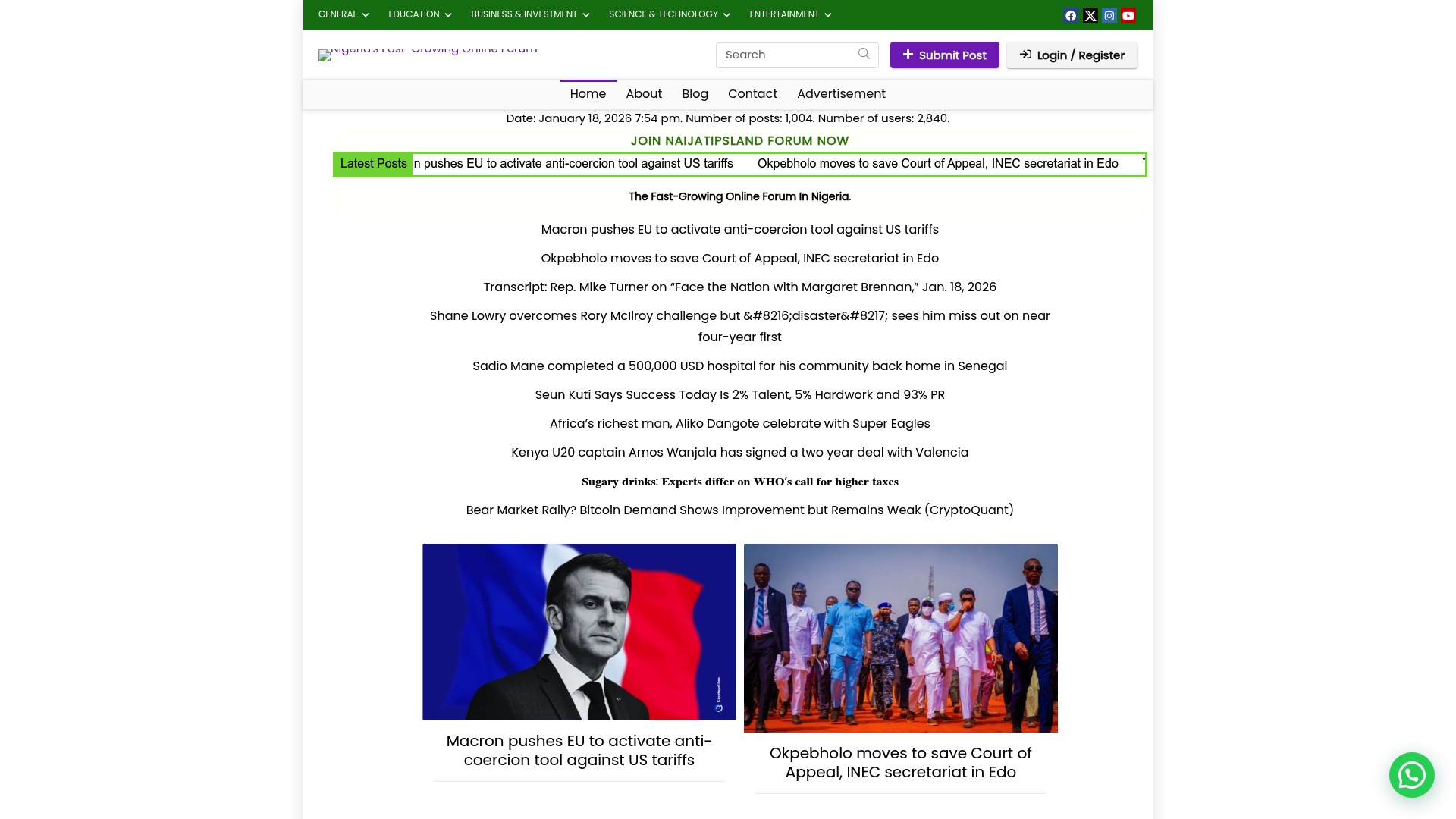
Join thousands of Nigerians who rely on Naijatipsland.com to stay informed and connected in real time. Share your insights, submit posts, and be part of safe and meaningful dialogue that matters to you and your community. Don’t miss out on the latest updates and discussions shaping Nigerian trends—visit Naijatipsland.com today and engage with trusted viral news content created by and for Nigerians.
Frequently Asked Questions
What defines viral news in digital media?
Viral news is characterized by its rapid and exponential spread through digital networks, high emotional engagement, short message formats, and its ability to resonate with psychological triggers, differentiating it from traditional news dissemination.
What are the types of sources for viral news?
Viral news can originate from various sources, including mainstream media outlets, social media platforms, citizen journalism, digital-only news websites, and influencer-generated content, which collectively contribute to its rapid dissemination.
How do algorithms influence the spread of viral news?
Algorithms personalize content for users, amplify network reach, and shape visibility, while influencers provide emotional resonance and authenticity, creating a dynamic interplay that enhances the chances of content going viral.
What are the risks associated with viral news?
The risks include the potential for misinformation spread, political manipulation, and challenges in verifying sources, which can adversely affect public discourse and societal cohesion.