


TL;DR:
- Nigerian youth rely heavily on smartphones for communication, education, entertainment, and financial transactions.
- Mobile technology has transformed social interactions, business growth, and innovation in Nigeria.
- Significant digital access gaps persist, especially among rural and female youth, affecting inclusion and safety.
Smartphones are far more than entertainment devices for Nigerian young adults. They are classrooms, banks, newsrooms, and business tools rolled into one pocket-sized gadget. Nearly half of Nigerian adolescents use smartphones for 1 to 3 hours every day, and that number is climbing fast. This guide breaks down exactly how mobile technology shapes daily life, communication, and local innovation for Nigerian youth, and what you need to watch out for along the way.
Table of Contents
- Smartphones in everyday Nigerian life
- Mobile technology and communication in Nigeria
- Driving innovation and economic opportunity
- Digital gaps and access challenges for Nigerian youth
- What most tech guides miss about Nigeria’s mobile revolution
- Explore more on Naijatipsland
- Frequently asked questions
Key Takeaways
| Point | Details |
|---|---|
| Mobile tech shapes daily life | Smartphones are central to how Nigerian youth communicate, learn, and connect. |
| Economic opportunity | Mobile technology supports local businesses, entrepreneurship, and growth in Nigeria. |
| Digital divide persists | Access and skills gaps remain, especially for girls and rural youth. |
| Tech risks require balance | Addiction and poor study habits highlight the need for mindful mobile use. |
Smartphones in everyday Nigerian life
Now that we have outlined the central importance of smartphones, let us look at how they are woven into everyday life across Nigeria. For most young Nigerians, the day starts and ends with a phone screen. Whether you are a student in Lagos or a trader’s apprentice in Kano, your smartphone is likely your first stop for news, schoolwork, and staying in touch with family.
Research confirms this reality. A striking 48.7% of Nigerian youth use smartphones for 1 to 3 hours daily, mainly for communication and education. That is not casual scrolling. That is purposeful, daily engagement with a digital tool that shapes how young people learn and connect.
Here is what Nigerian youth are primarily using their smartphones for:
- Communication: WhatsApp, Telegram, and SMS keep families and friend groups connected across long distances.
- Education: Students access lecture notes, YouTube tutorials, and online courses directly from their phones.
- Entertainment: Music streaming, Nollywood content, and social media fill leisure hours.
- Financial transactions: Mobile banking apps and fintech platforms like OPay and Kuda handle payments and transfers.
- News and information: Breaking news, political updates, and trending topics reach users in real time.
Urban youth tend to have faster internet access and a wider variety of apps available to them. Rural youth, however, often rely on smartphones as their only digital access point, making the device even more critical to their daily functioning.
The downside is real, though. 57% of college students show poor mobile phone use patterns that correlate with poor study habits. Excessive screen time pulls attention away from academics and face-to-face relationships. Understanding the social media impact on young people’s routines helps put this in perspective.
Pro Tip: Use your phone’s built-in screen time or digital wellbeing settings to set daily app limits. Even a 30-minute cap on social media apps can noticeably improve your focus and sleep quality.
Mobile technology and communication in Nigeria
Beyond daily routines, communication is where mobile technology has reshaped interactions for Nigerian youth. The shift from traditional SMS to instant messaging apps has been dramatic and fast. A message that once cost money per character now travels instantly and for free, carrying photos, voice notes, and videos.
Smartphones serve mainly social and communication functions among college students, reinforcing how central the phone has become to social identity and group belonging.
| Feature | Traditional SMS | Instant messaging apps |
|---|---|---|
| Cost | Per message charge | Free with data |
| Media sharing | Text only | Photos, video, audio |
| Group chats | Limited | Unlimited participants |
| Delivery speed | Seconds to minutes | Near-instant |
| Read receipts | Not available | Available |
Viral news now spreads through smartphones faster than any television broadcast. A video shot in Aba can reach millions across Nigeria within hours. This speed has real power, but it also means misinformation travels just as fast. Knowing how viral news trends work helps you spot what is credible and what is not.
Important: Mobile technology both facilitates and hinders social connectivity. While it opens doors to new relationships and information, it also creates risks of isolation, addiction, and exposure to harmful content.
To build healthier digital communication habits, follow these steps:
- Set communication boundaries. Decide on specific hours when you are available on messaging apps and stick to them.
- Join purposeful communities. Participate in forums and groups that add real value, like study groups or professional networks. Explore the internet communities role in shaping positive engagement.
- Verify before sharing. Always check a news story from at least two reliable sources before forwarding it.
- Schedule offline time. Designate at least one hour each day free from all screens to protect your mental health.
- Reflect on how social media changes communication in your own relationships and adjust your usage accordingly.
Driving innovation and economic opportunity
Having seen how mobile technology fuels communication, let us move to its impact on innovation and the broader economy. Nigeria’s mobile tech scene is not just about consumption. It is actively creating jobs, building businesses, and expanding financial access for millions.
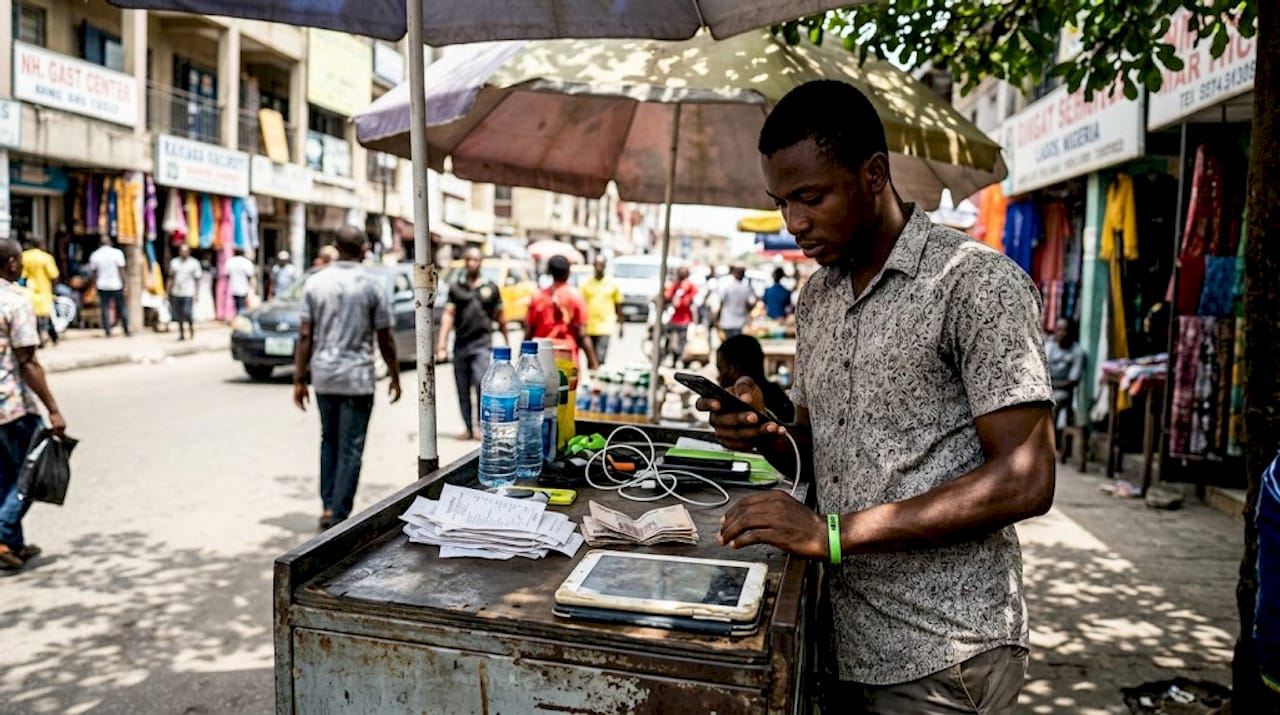
Mobile tech’s positive effects include economic growth and job creation, and you can see this playing out across Nigerian cities and towns every day. Entrepreneurs are launching businesses with nothing more than a smartphone and a mobile data plan.
Here are the types of mobile-driven businesses and startups thriving in Nigeria right now:
- Fintech platforms: Apps like Flutterwave, Paystack, and PiggyVest are transforming how Nigerians save, invest, and send money.
- E-commerce vendors: Social commerce on Instagram and WhatsApp allows small traders to reach customers nationwide.
- Content creators: YouTubers, podcasters, and TikTok creators are building audiences and earning income from their phones.
- Agritech startups: Farmers use mobile apps to access market prices, weather forecasts, and agricultural advice.
- Freelance service providers: Graphic designers, writers, and coders find clients through mobile-accessible platforms.
| Business type | Traditional approach | Mobile-enabled approach |
|---|---|---|
| Retail sales | Physical store required | WhatsApp/Instagram storefront |
| Banking | Branch visits | App-based transactions |
| Marketing | Print and TV ads | Targeted digital ads |
| Customer support | In-person or landline | Live chat and social DMs |
Despite this potential, Nigerian users underutilize advanced smartphone features that could significantly boost their productivity and business output. Features like automation tools, cloud storage, and productivity apps remain largely untapped. Understanding Nigeria’s digital economy gives you a clearer picture of where the biggest opportunities lie.
Pro Tip: Spend 20 minutes exploring your phone’s productivity apps, such as Google Drive, Notion, or Canva. Many successful Nigerian creators and entrepreneurs build their entire workflow around free tools already available on their devices.
The influence of digital influencers on consumer behavior and brand awareness also shows just how deeply mobile technology has embedded itself in Nigeria’s economic fabric.
Digital gaps and access challenges for Nigerian youth
This innovation brings real opportunity, but it is vital we explore who gets left behind and why digital gaps persist. Not every young Nigerian has equal access to the benefits of mobile technology, and ignoring that fact would paint an incomplete picture.
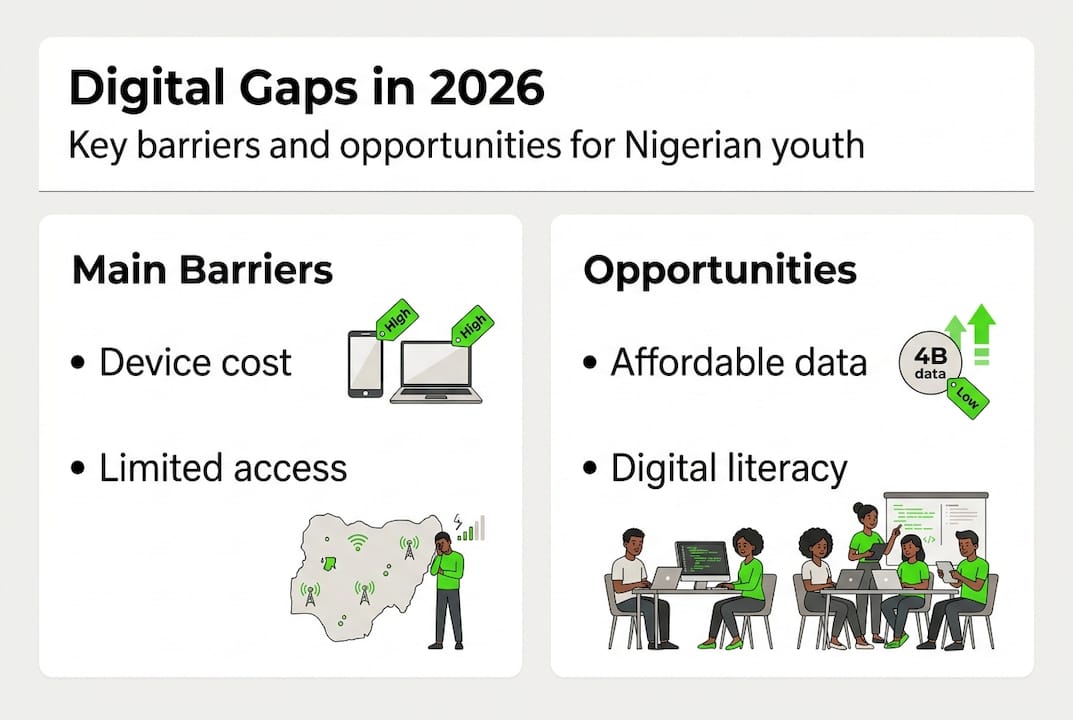
The numbers tell a stark story. Only 18% of northern adolescent girls own mobile phones, while urban and wealthier youth enjoy significantly better access and digital skills. That gap has consequences for education, economic participation, and personal safety.
Here are the most common barriers Nigerian youth face when trying to access mobile technology:
- Cost of devices: Entry-level smartphones remain unaffordable for many low-income families.
- Data costs: Mobile internet in Nigeria is expensive relative to average household income.
- Poor network coverage: Rural communities often have weak or no 4G connectivity.
- Low digital literacy: Many young people, especially outside urban centers, lack the skills to use devices effectively.
- Gender norms: In some regions, girls are discouraged or restricted from owning and using mobile phones.
- Electricity access: Unreliable power supply limits how often devices can be charged and used.
Interestingly, research shows no significant gender or education differences in how people use smartphone features once they have access. Age and employment status matter more. This tells us the real barrier is access, not ability.
Closing these gaps requires targeted policy action, affordable device programs, and community-level digital literacy training. Young Nigerians who do have access should also be aware of risks that come with connectivity, including cyberbullying risks and financial scams. The rise of fintech in Nigeria also depends on closing these gaps so more people can participate safely in digital financial systems.
What most tech guides miss about Nigeria’s mobile revolution
To wrap up, here is what most guides overlook when discussing Nigeria’s mobile boom. The conversation is usually dominated by excitement about apps, startups, and connectivity milestones. But the harder truths rarely get equal attention.
Consider this: Problematic Internet Use affects 62.6% of in-school adolescents, leading to poor academic performance and social isolation. That is not a minor side effect. It is a public health concern hiding inside a technology success story.
Most policy discussions focus on expanding access, which is necessary. But they rarely address what happens after young people get connected. Digital wellness, media literacy, and responsible usage need to be built into school curriculums and community programs, not treated as afterthoughts.
Nigeria’s mobile revolution also needs locally designed solutions. Copying tech policies from Europe or the United States will not address the specific realities of northern girls without phones, rural traders without data, or students struggling with addiction. Understanding the economy growth realities behind the headlines is the first step toward demanding better policies.
You, as a young Nigerian tech enthusiast, have a role to play. Use your phone intentionally. Advocate for better access in your community. And hold both the opportunities and the risks in mind at the same time.
Explore more on Naijatipsland
If you are ready to go deeper or connect with other young Nigerians reshaping their digital world, Naijatipsland has the resources you need.
From understanding how digital ads impact brands and consumers in Nigeria to finding the right spaces for meaningful conversation through Nigerian forum alternatives, the platform covers the topics that matter to you. You can also learn how to contribute your own voice by starting forum discussions and building connections with a community that is actively engaged with Nigeria’s digital future. Naijatipsland is built for young Nigerians who want to stay informed, stay connected, and stay ahead.
Frequently asked questions
How much time do Nigerian youth spend on smartphones daily?
Nearly half of Nigerian young adults use smartphones for 1 to 3 hours daily, with many college students exceeding 5 hours. Daily usage is primarily driven by communication and educational needs.
Are there differences in mobile access between northern and urban Nigerian youth?
Yes, the gap is significant. Only 18% of northern girls own a mobile phone, compared to much higher rates among urban and wealthier youth.
What are the risks associated with excessive mobile phone use?
Excessive use is directly linked to problematic Internet use, poor academic results, and social isolation. Problematic Internet Use affects 62.6% of in-school adolescents in Nigeria.
How does mobile technology contribute to economic growth in Nigeria?
Mobile technology drives local innovation, creates employment opportunities, and expands financial inclusion. Research confirms mobile tech’s positive effects include measurable economic growth and job creation across sectors.
Recommended
- Top African Tech Trends To Watch In 2026: Innovations
- Top 5 Tech Trends Shaping Nigeria And Africa 2026
- Online Debate Skills And Platforms For Nigerian Youth 2026
- Blockchain Technology: Impact, Uses, And Benefits For Nigerians
- Car Rental Mobile App Trends 2026: Booking, Self-Service & Fleet Tools | Nomora