
TL;DR:
- Participatory media allows Nigerians to actively create and share content through platforms like WhatsApp and Twitter. This model empowers communities, accelerates news sharing, and drives social change. However, it requires responsible verification to prevent misinformation and maintain credibility.
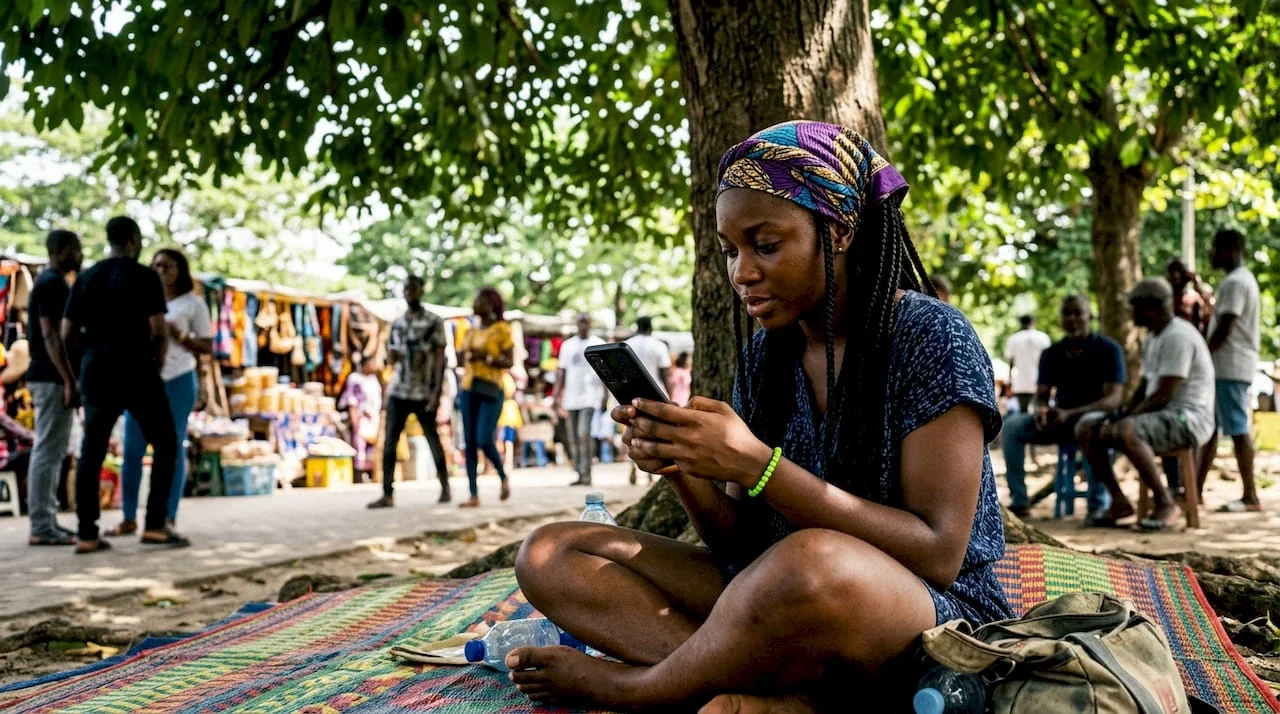
Participatory media is defined as a communication model where audiences actively create, share, and shape content rather than simply receiving it. This shift from passive consumption to active contribution is the defining feature of the model, and it is formally known in communication studies as participatory media or citizen media. Platforms like WhatsApp, Instagram, Twitter (now X), and community blogs have made this possible for millions of Nigerians. If you have ever posted a news update in a WhatsApp group, shared a video on Twitter, or commented on a trending story, you have already practiced participatory media. Naijatipsland exists precisely within this space, as a platform where Nigerian voices contribute to and shape public conversation.
What is participatory media and how does it work?
Participatory media is a communication model where traditional audiences actively participate in content creation and dissemination, enabled by platforms like blogs, wikis, and social media. It shifts users from passive consumers to active “prosumers,” a term combining “producer” and “consumer.” This is the core mechanic that separates participatory media from traditional broadcasting.
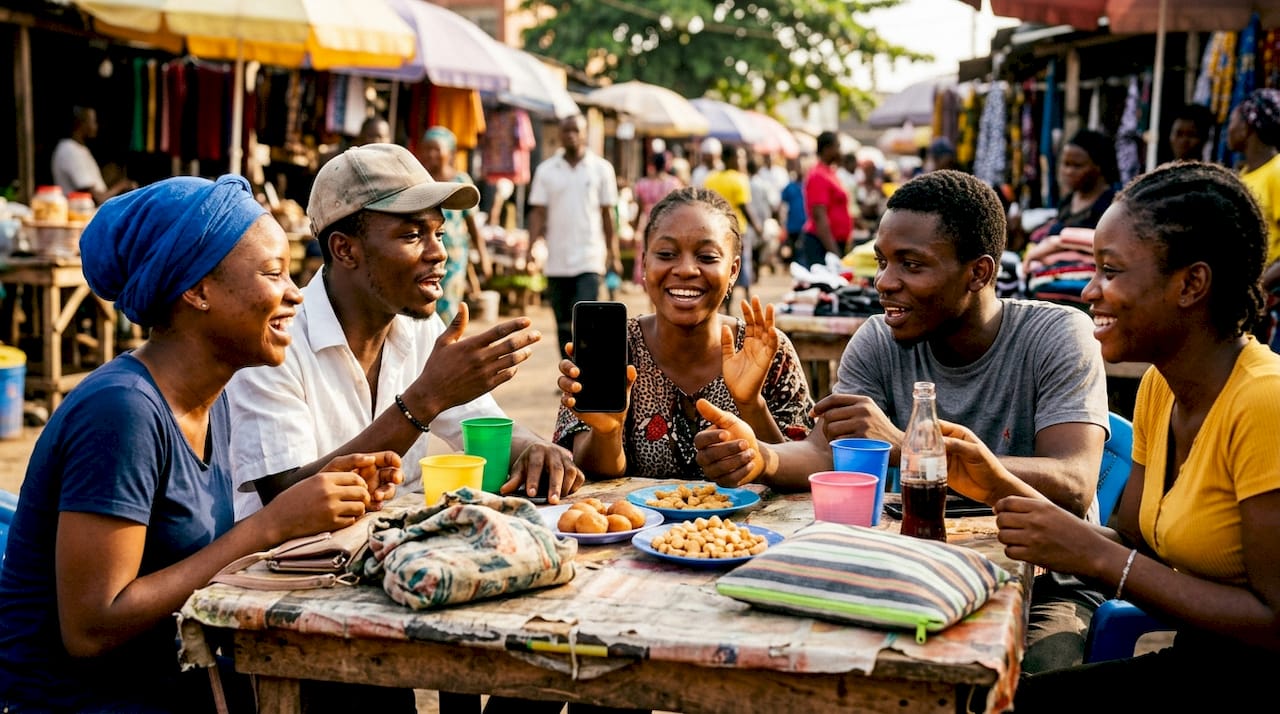
Traditional media flows in one direction: a TV station broadcasts, and you watch. Participatory media flows in many directions at once. One person posts a video of a flooded street in Lagos, ten others share it, three journalists pick it up, and a local government official responds. That entire chain is participatory media in action.
The internet removed the barriers that once kept ordinary people out of media production. You no longer need a printing press, a broadcast license, or a studio. A smartphone and a data connection are enough. This reduction in barriers is what makes participatory media especially powerful in Nigeria, where mobile internet penetration continues to grow rapidly.
The “prosumer” role explained
The prosumer concept captures the dual role you play in participatory media. You consume content from others while simultaneously producing content for them. This is not passive sharing. It involves framing, selecting, and presenting information in ways that influence how others understand an issue.
Users become mini-media houses with real responsibilities for narrative framing and audience engagement. That responsibility is significant. When you share a story in a Telegram group of 500 people, you are functioning as a media outlet, whether you think of yourself that way or not.
Pro Tip: Before sharing any news or update, pause and ask yourself three questions: Where did this originate? Can I find a second source? Does the headline match the actual content? These three checks take less than two minutes and protect your credibility.
Here are the core mechanics of how participatory media operates:
- Content creation: You produce original posts, videos, photos, or audio clips based on events you witness or research you conduct.
- Content curation: You select and share existing content, adding your own context or commentary.
- Community moderation: Group admins on WhatsApp and Telegram set norms for what gets shared, acting as informal editors.
- Verification loops: Readers respond, correct, or confirm information, creating a crowd-sourced fact-checking process.
- Amplification: Shares, retweets, and reposts spread content far beyond its original audience.
What are participatory media examples in Nigerian social media culture?
Nigerian internet users engage with participatory media daily, often without labeling it as such. The examples below show how the concept plays out in real, local contexts.
WhatsApp and Telegram community groups. Neighborhood groups, market associations, and alumni networks use these platforms to share local news faster than any newspaper can print it. Low-cost coordination through WhatsApp and Telegram empowers Nigerian digital communities to organize and report more swiftly than traditional media outlets with higher overhead.
Hashtag activism on Twitter (X). Campaigns like #EndSARS in 2020 demonstrated how ordinary Nigerians could set a national and international agenda without a single press release. The hashtag became a coordination tool, a documentation archive, and a pressure mechanism all at once.
Citizen journalism on Instagram and Facebook. Residents film and post footage of accidents, infrastructure failures, or community events. These posts often reach thousands before any traditional outlet covers the story.
Community blogs and forums. Platforms like Naijatipsland allow readers to submit news articles and participate in discussions, making every registered user a potential contributor to public discourse.
Audio and video storytelling. Podcasts and YouTube channels run by young Nigerians cover local politics, culture, and social issues that mainstream media frequently ignores. These creators build loyal audiences by focusing on hyper-local topics.
Collaborative Wikipedia-style documentation. During crises or major events, Nigerian users collectively document timelines, casualties, and official responses across social platforms, creating a living public record.
What are the benefits and challenges of participatory media?
Participatory media delivers real benefits for Nigerian young adults, but it also carries risks that you need to understand before you engage.
Benefits worth knowing
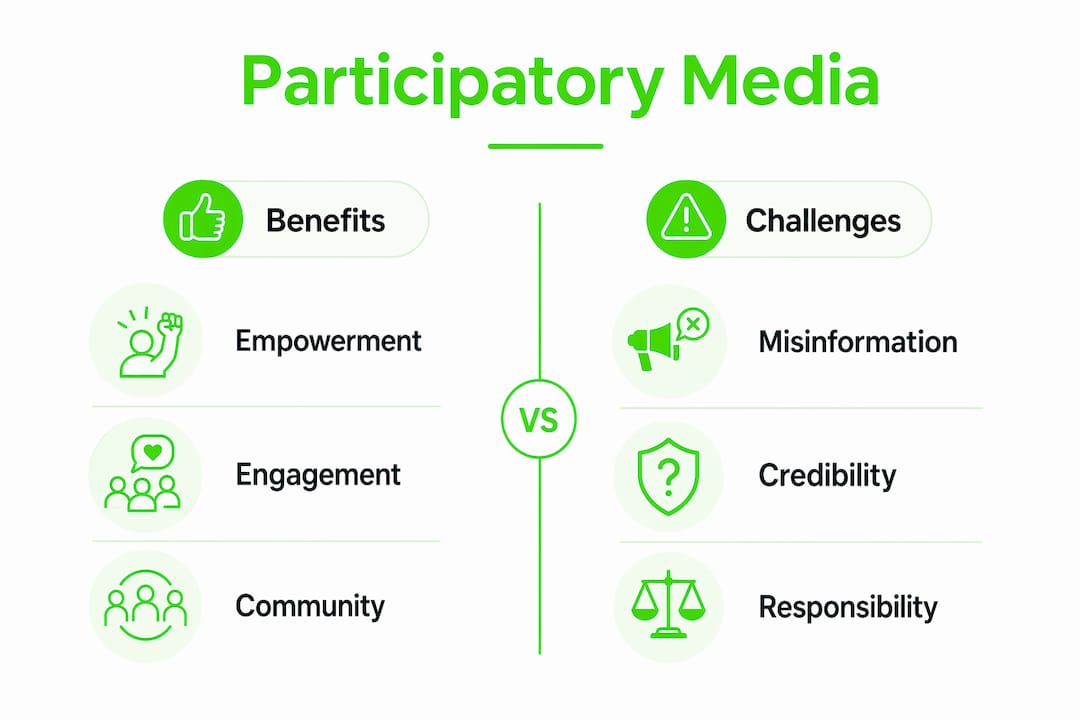
Growing public interest in participatory media is driven by civic self-awareness and demand for community-relevant, reliable information. This is not just about technology. Nigerians are actively seeking to influence social problems and community agendas through participation. The benefits are concrete:
- Democratized voice: Anyone with a phone can report, comment, and influence public opinion. You do not need a press card.
- Speed: Community-sourced news breaks faster than traditional outlets. A flood in Ibadan can be documented and shared within minutes.
- Civic engagement: Following local news and participating in discussions builds awareness of issues that directly affect your community.
- Empowerment of marginalized voices: Participatory media empowers local communities by shifting narrative control to them, advancing human rights advocacy where traditional media lacks presence.
- Economic opportunity: Content creators can monetize their participatory content through ads, sponsorships, and community memberships.
Challenges you must take seriously
Participatory journalism enhances diversity and real-time reporting but often shows more bias due to lack of editorial control and personal agendas. Credibility depends on self-verification. This is the central tension in participatory media: the same openness that gives everyone a voice also removes the filters that catch errors and falsehoods.
- Misinformation risk: Most viral participatory content tends to be emotionally charged and may lack factual accuracy. Emotional content spreads faster than accurate content.
- Lack of editorial oversight: No editor reviews your post before it reaches 500 people. The responsibility for accuracy sits entirely with you.
- Bias and agenda: Personal and community biases shape what gets shared and how it gets framed.
- Burnout and harassment: Active contributors, especially women and young people, face online harassment that discourages participation.
Pro Tip: Build your credibility by using timestamped, standardized content formats. State the date, location, and source of every claim you share. Successful participatory creators focus hyper-locally and use clear formatting to build trust and a loyal audience base.
How does participatory media drive social change in Nigeria?
Participatory media empowers marginalized and local communities by shifting narrative control to them and enabling communities to identify their own problems and create sustainable local movements. This is not theoretical. Nigerian digital activism has produced measurable outcomes in governance, policy, and public accountability.
The Documenters model trains local residents to attend government meetings and document official activities, promoting transparency. This approach shifts journalism from a gatekeeper role to a facilitator role. Nigerian civic tech organizations apply similar principles, training community members to monitor elections, document police conduct, and report infrastructure failures.
Traditional journalists are becoming facilitators rather than gatekeepers, empowering communities historically ignored in local news coverage. For Nigerian youth, this means the door to media influence is open. You do not need to wait for a journalist to cover your community’s story. You can cover it yourself, and platforms like Naijatipsland provide the infrastructure to reach a wider audience.
Understanding digital activism and participatory media together gives you a complete picture of how online communities shape real-world outcomes.
| Factor | Traditional media | Participatory media |
|---|---|---|
| Who creates content | Professional journalists and editors | Any citizen with internet access |
| Speed of reporting | Hours to days | Minutes |
| Editorial oversight | Formal editorial process | Self-regulated or community-moderated |
| Reach | Broad but centralized | Distributed and hyper-local |
| Accountability | Institutional | Individual and community-driven |
| Cost of entry | High (equipment, licenses) | Low (smartphone and data) |
| Risk of misinformation | Lower due to editorial checks | Higher without verification habits |
Key Takeaways
Participatory media gives every Nigerian with a smartphone the power to create, share, and influence public discourse, but that power requires verification habits and editorial discipline to be credible and sustainable.
| Point | Details |
|---|---|
| Core definition | Participatory media shifts audiences from passive consumers to active content creators and sharers. |
| Nigerian relevance | WhatsApp, Telegram, and Twitter are the primary platforms driving participatory media in Nigeria. |
| Main benefit | It democratizes voice, giving marginalized communities access to public discourse without institutional gatekeepers. |
| Main risk | Viral content is often emotionally driven and factually weak; self-verification is the only reliable safeguard. |
| Best practice | Use timestamped, sourced, hyper-local content to build credibility and a loyal, engaged audience. |
Naijatipsland’s take on Nigerian youth and participatory media
Nigerian youth are not just participating in media. They are redefining what media means in this country. The #EndSARS movement proved that a generation with smartphones and civic awareness can set an agenda that governments and international press cannot ignore. That is not a small thing.
What concerns me, though, is the gap between participation and responsibility. The speed that makes participatory media powerful is the same speed that spreads false information across 10 WhatsApp groups before anyone checks the source. I have seen communities panic over unverified health alerts, and I have seen reputations destroyed by screenshots taken out of context. The tool is not the problem. The habit is.
The most effective Nigerian participatory media contributors I have observed share one trait: they treat their audience like people who deserve accurate information, not just content that confirms what they already believe. They verify before they post. They correct publicly when they get it wrong. They build trust slowly, and that trust compounds over time into real influence.
The future of participatory media in Nigeria belongs to those who combine speed with discipline. You do not have to choose between being fast and being credible. You have to build the habit of being both.
— Naijatipsland
Naijatipsland resources for informed participation
Staying informed is the foundation of effective participation in any media conversation. When you understand the issues shaping Nigeria today, your contributions carry more weight and reach further.
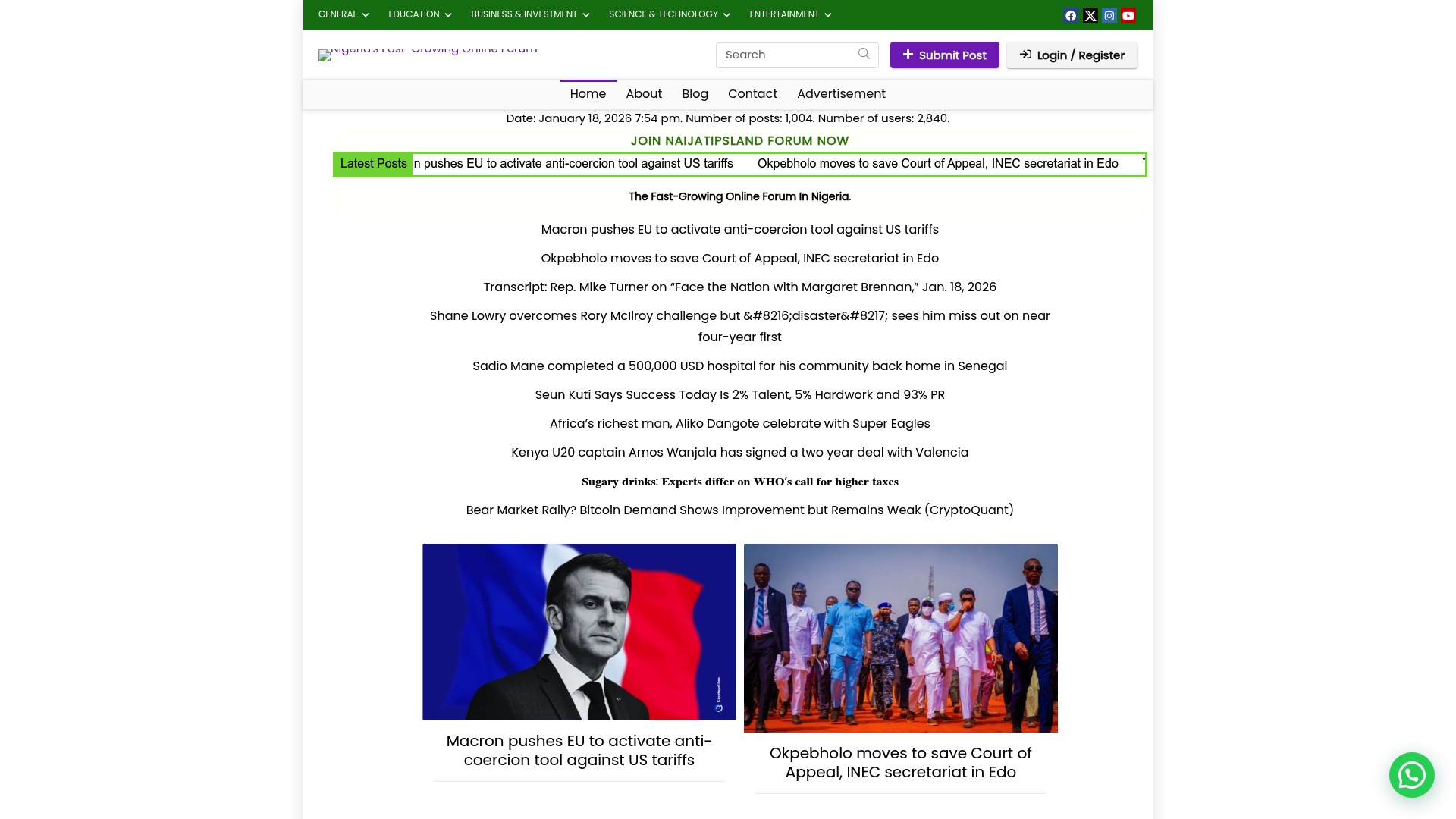
Naijatipsland covers the current affairs, civic issues, and social topics that Nigerian participatory media communities engage with most. Whether you want to understand what current affairs means and why it matters for your daily life, or you want to explore how discussing current affairs builds your voice as a young Nigerian, the platform has the context you need. Informed participation is more credible participation. Start with the issues, then add your voice.
FAQ
What is the simple definition of participatory media?
Participatory media is a communication model where audiences actively create and share content rather than passively consuming it. It is enabled by platforms like social media, blogs, and community forums.
What is participatory journalism?
Participatory journalism is a form of news reporting where ordinary citizens contribute reporting, documentation, and commentary alongside or instead of professional journalists. Effective participatory journalism integrates verification and transparent sourcing to maintain credibility.
How does participatory media work in Nigeria specifically?
In Nigeria, participatory media operates primarily through WhatsApp groups, Telegram channels, Twitter, Instagram, and community platforms. Users share local news, organize civic action, and document events in real time, often faster than traditional outlets.
What are the biggest risks of participatory media?
The biggest risk is misinformation. Without editorial oversight, emotionally charged content spreads quickly regardless of accuracy. You can reduce this risk by verifying sources and using a news verification guide before sharing.
Can participatory media create real social change?
Yes. Nigerian examples like #EndSARS show that participatory media can shift public opinion, pressure governments, and attract international attention to local issues. The impact depends on the accuracy, consistency, and reach of the content produced.