TL;DR:
- Nigerian entertainment maintains cultural identity, supports economic growth, and fosters community through festivals, music, and film. Despite its value of $10.8 billion, artist earnings remain low due to piracy and streaming payout issues. Digital platforms expand reach but challenge traditional models of ownership, revenue, and cultural participation.
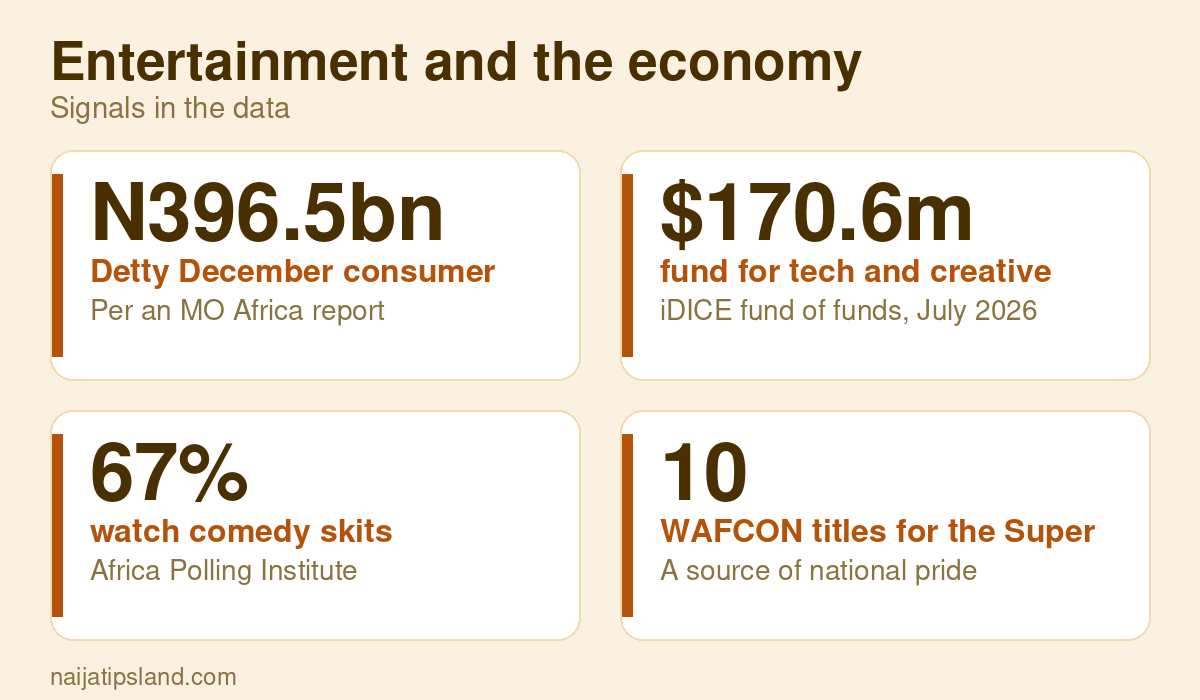
Entertainment is the backbone of Nigerian cultural identity, simultaneously preserving ancestral traditions, strengthening community bonds, and driving one of Africa’s most powerful creative economies. From Nollywood blockbusters to Afrobeats anthems and Eyo masquerade festivals, the role of entertainment in Nigerian culture extends far beyond leisure. It educates, unites, and defines who Nigerians are at home and abroad. Nigeria’s entertainment sector is now worth $10.8 billion, a figure that reflects not just commercial success but the deep cultural investment Nigerians place in creative expression.
How entertainment drives economic growth and global recognition in Nigeria
Nigeria’s entertainment industry has grown 27.5% over three years, making it one of the fastest-expanding creative economies on the continent. Nollywood produces over 2,500 films annually, ranking second globally by volume. Afrobeats artists like Burna Boy, Wizkid, and Davido now fill arenas in London, New York, and Toronto, carrying Nigerian culture to audiences who have never set foot in Lagos.
The numbers tell a compelling story, but they also reveal a structural problem. Nigerian artists generated $44 million from 30.3 billion streams, which averages out to less than $0.002 per stream. That gap between industry valuation and creator income is significant because the $10.8 billion figure includes peripheral economic activity like data sales and device purchases, not direct payments to the artists and filmmakers driving the culture.
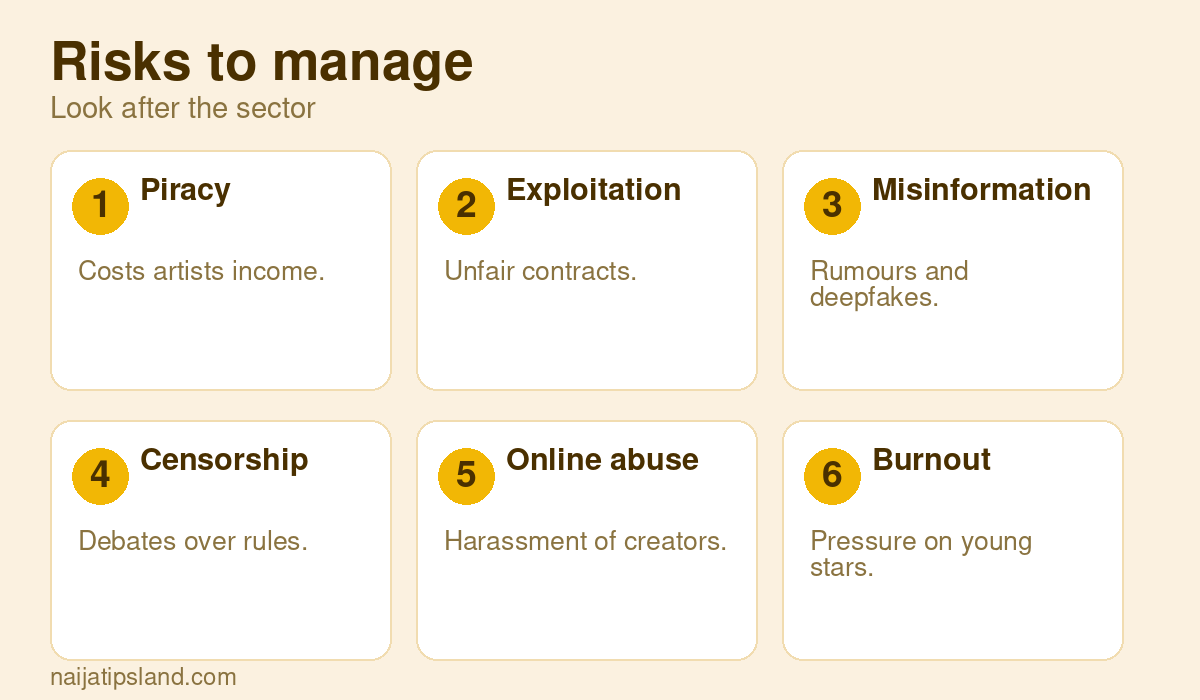
Piracy compounds this problem. Approximately 40% of Nollywood’s potential income is lost annually to unauthorized distribution. That lost revenue represents salaries, production budgets, and reinvestment that never materializes. The Nigerian government’s “Destination 2030: Nigeria Everywhere” initiative aims to address this by targeting 2 million jobs annually and a $100 billion GDP contribution from the entertainment sector.
| Metric | Figure |
|---|---|
| Industry valuation (2026) | $10.8 billion |
| Three-year growth rate | 27.5% |
| Annual Nollywood film output | 2,500+ films |
| Streaming revenue for Nigerian artists | $44 million from 30.3 billion streams |
| Income lost to piracy annually | ~40% of Nollywood’s potential |
Pro Tip: If you follow Nigerian entertainment as a fan or creator, understanding the difference between industry valuation and creator earnings helps you make smarter decisions about where to stream, buy, and support artists directly.
What are the social and cultural functions of Nigerian entertainment?
Nigerian entertainment is a living system of knowledge. Music, dance, and storytelling do not exist in isolation from daily life. They are woven into naming ceremonies, funerals, harvest festivals, and community gatherings, carrying moral lessons and historical records that formal education alone cannot transmit.

Traditional Igbo music, for example, functions as cultural memory, social communication, and community bonding simultaneously. A single performance can mark a rite of passage, communicate a community decision, and reinforce shared values, all at once. This multifunctional quality is what separates Nigerian entertainment from purely commercial entertainment in other contexts.
The cultural significance of Nigerian music is particularly visible in its structure. Call-and-response patterns in Nigerian music actively pull audiences into the performance, transforming passive listeners into cultural participants. This is not a stylistic choice. It is a deliberate mechanism for transmitting knowledge and reinforcing group identity through shared participation.
Key social functions Nigerian entertainment serves include:
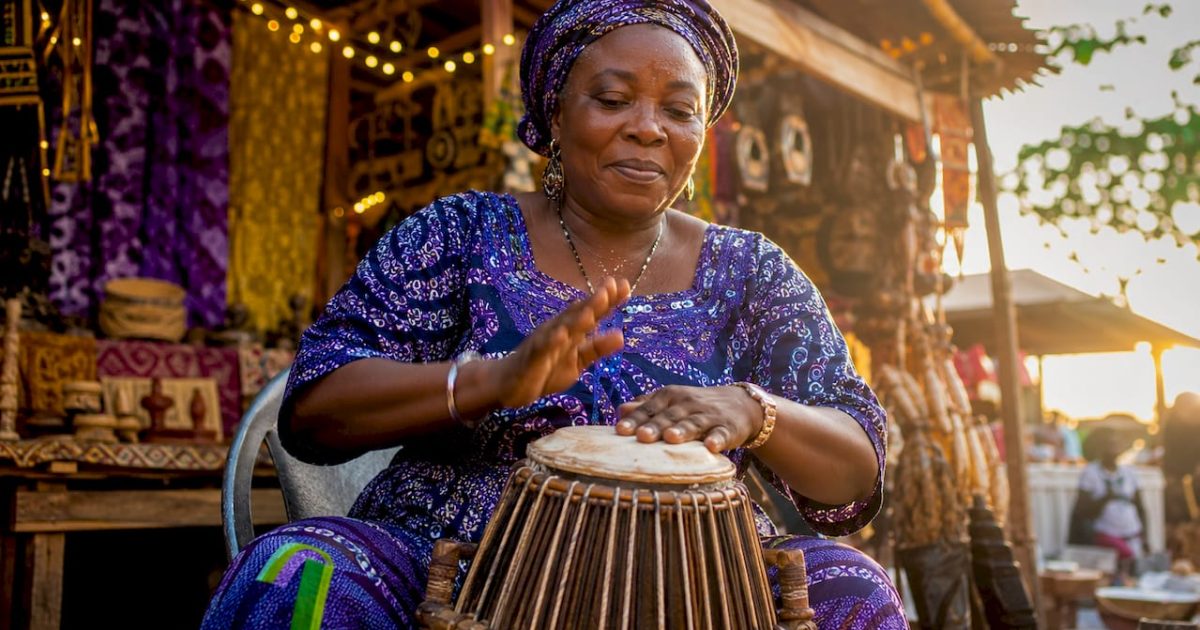
- Cultural preservation: Traditional instruments like the talking drum (dundun), udu, and ogene carry sonic histories that connect generations.
- Moral education: Praise songs and folk narratives teach community ethics, warn against antisocial behavior, and celebrate virtuous conduct.
- Conflict resolution: Communal performances create shared emotional experiences that reduce social tension and reinforce collective identity.
- Rites of passage: Entertainment marks transitions from childhood to adulthood, singlehood to marriage, and life to death with specific songs, dances, and performances.
“Nigerian music is a living system of knowledge, rooted in ceremonies and preserving ancestral wisdom through active community participation.” — The Guardian Nigeria
Understanding these functions helps you see why Nigerian entertainment is not simply a product to consume. It is a practice to participate in, and that distinction matters for how communities sustain their cultural heritage across generations.
How do digital platforms reshape Nigerian entertainment’s cultural reach?
Streaming platforms have fundamentally changed how Nigerian entertainment travels and who gets to create it. YouTube, Netflix, Spotify, and Apple Music now give a Nollywood filmmaker in Enugu or an Afrobeats producer in Abuja direct access to global audiences without needing a distribution deal with a major label or studio.

Nollywood’s shift to YouTube has lowered production barriers and enabled continuous content creation models that traditional cinema could never support. A filmmaker who previously needed theatrical distribution can now release weekly content, build a subscriber base, and monetize directly. This has expanded the range of Nigerian stories being told and the communities being represented on screen.
Here is how the digital shift is changing the creator experience in Nigeria:
- Wider reach: A single Afrobeats track uploaded to Spotify can reach listeners in Brazil, Japan, and Germany within hours of release.
- Lower entry barriers: YouTube and TikTok allow creators to build audiences without label contracts or studio backing.
- Revenue fragmentation: Streaming payouts remain low per play, so creators must diversify across merchandise, live shows, brand deals, and licensing.
- Ownership challenges: Many Nigerian artists sign deals that transfer masters to labels, limiting long-term income from their own catalogs.
- Community building online: Platforms like Twitter (now X) and Instagram have created digital fan communities that amplify Nigerian culture globally, as seen with the #EndSARS movement’s use of music and art as protest tools.
Understanding how digital communities shape social change in Nigeria helps explain why online platforms are not just distribution channels. They are cultural spaces where identity is negotiated, debated, and expressed in real time.
Pro Tip: Nigerian creators who want to protect their income should register their works with the Nigerian Copyright Commission before uploading to any streaming platform. This establishes legal ownership and strengthens any future licensing claim.
Why do festivals and live performances matter in Nigerian cultural life?
Festivals and live performances deliver something streaming cannot replicate: collective, embodied cultural experience. When you attend the Osun-Osogbo festival, the Calabar Carnival, or a live Fela Kuti tribute concert at the New Afrika Shrine, you are not consuming entertainment. You are participating in a cultural ritual that has shaped Nigerian identity for generations.
Live performances in venues like Terra Kulture in Lagos charge between ₦2,500 and ₦15,000 for tickets, reflecting the genuine cultural value audiences place on participatory experiences. That price range also signals something important: live Nigerian entertainment is accessible across income levels, not reserved for an elite audience.
| Live performance | Digital streaming |
|---|---|
| Participatory, communal experience | Individual, passive consumption |
| Preserves traditional call-and-response | Loses interactive cultural elements |
| Supports local economies directly | Revenue flows to global platforms |
| Reinforces community identity in real time | Builds global reach and discovery |
| Limited by geography and capacity | Unlimited global access |
The importance of festivals in Nigeria extends beyond cultural preservation. Local festivals generate direct economic activity through food vendors, artisans, transport operators, and hospitality businesses. The Calabar Carnival alone draws hundreds of thousands of visitors annually, creating a concentrated economic event that benefits the entire Cross River State economy.
Afro-pop and contemporary music festivals have added a newer dimension to this tradition. Events like Afronation Ghana (which draws massive Nigerian artist lineups) and Lagos-based concerts by artists like Asake and Seun Kuti show how live performance bridges traditional communal entertainment with modern commercial formats. The call-and-response dynamic that defines traditional Igbo and Yoruba music appears just as powerfully in a 50,000-person stadium as it does in a village square.
Key takeaways
Entertainment in Nigerian culture is a functional system that preserves identity, builds community, and drives economic growth across both traditional and digital formats.
| Point | Details |
|---|---|
| Economic scale and creator gap | The industry is worth $10.8 billion, but artists earn less than $0.002 per stream on average. |
| Cultural preservation through music | Traditional instruments and call-and-response structures actively transmit cultural knowledge across generations. |
| Digital platforms expand reach | YouTube and Spotify give Nigerian creators global access, but ownership and payout challenges remain. |
| Festivals sustain communal identity | Live events like Osun-Osogbo and Calabar Carnival deliver participatory experiences that streaming cannot replace. |
| Policy and piracy shape the future | Piracy costs Nollywood 40% of potential income annually, making government initiatives like Destination 2030 critical. |
Naijatipsland’s take on entertainment and everyday Nigerian identity
What strikes me most about Nigerian entertainment is how it refuses to stay in its lane. A Burna Boy track is simultaneously a personal statement, a political commentary, a cultural export, and a community anthem. That layered function is not an accident. It reflects how deeply entertainment is embedded in how Nigerians process and express their reality.
I have seen this play out in how Nigerian youth use music and film to navigate identity questions that formal institutions do not address. When Nollywood tells a story about a Lagos market trader or a Kano student, it validates experiences that mainstream global media ignores. That validation is not trivial. It shapes how young Nigerians see themselves and what they believe is possible.
The tension worth watching is between global reach and cultural authenticity. Afro-pop offers genuine creative freedom and an outlet for youth navigating systemic pressures, but it can also drift toward formulas that prioritize international appeal over local resonance. The artists who sustain long careers in Nigeria tend to be those who keep one foot firmly in their community, performing at local events, sampling traditional rhythms, and staying connected to the cultural conversations happening at home.
My advice to Nigerian youth engaging with entertainment culture: consume it critically, support creators directly when you can, and show up to live events. The culture stays alive through participation, not just observation.
— Naijatipsland
Stay connected with Nigerian entertainment culture on Naijatipsland
Naijatipsland covers Nigerian entertainment, culture, and community news in real time, giving you the context you need to engage meaningfully with the stories shaping your world.

Whether you want to track the latest Nollywood releases, follow Afrobeats chart movements, or understand the cultural significance behind trending events, Naijatipsland keeps you informed and connected. Check out entertainment updates to stay current with the industry developments that matter to Nigerian audiences. You can also explore how traditional media shapes Nigerian culture for deeper context on the forces driving cultural identity in Nigeria today. Naijatipsland is your community hub for staying engaged with the culture you care about.
FAQ
What is the role of entertainment in Nigerian culture?
Entertainment in Nigerian culture preserves ancestral traditions, strengthens community bonds, and transmits moral and historical knowledge through music, dance, film, and festivals. It functions as both a cultural practice and a major economic sector worth $10.8 billion.
How does Nollywood contribute to Nigerian cultural identity?
Nollywood produces over 2,500 films annually, making it the second-largest film industry globally by volume. It validates Nigerian experiences, languages, and social realities for domestic and international audiences.
Why is Nigerian music considered culturally significant?
Nigerian music uses call-and-response structures and traditional instruments to actively involve communities in cultural transmission. Traditional Igbo music, for example, serves as cultural memory, social communication, and community bonding beyond entertainment alone.
How do digital platforms affect Nigerian entertainment creators?
Streaming platforms expand global reach but deliver very low direct income. Nigerian artists earned $44 million from 30.3 billion streams, highlighting a significant gap between audience engagement and creator revenue.
What role do festivals play in Nigerian community life?
Festivals like Osun-Osogbo and the Calabar Carnival create participatory cultural experiences that reinforce community identity, sustain traditional practices, and generate direct local economic activity that streaming platforms cannot replicate.