

TL;DR:
- Public discourse involves open exchanges of ideas that influence public opinion and policy in Nigeria.
- Engaging effectively requires verifying information, listening actively, and participating in local or digital platforms.
Public discourse is defined as the open exchange of ideas, opinions, and information among citizens about issues that affect collective life and shape public policy. It covers every form of communication, from political debates and radio programs to social media threads and community town halls, that influences what people believe and how governments act. For Nigerians and the diaspora, understanding public discourse is not an academic exercise. It is the foundation of civic power. When you know how public conversations work, you can participate in them more effectively and hold institutions accountable.
What is public discourse and how does it work?
Public discourse is the open exchange of ideas, opinions, and information among citizens regarding collective societal concerns and policy influence. It encompasses all communication, including debates, media coverage, social media posts, and academic forums, that shapes societal beliefs. The academic term for the space where this exchange happens is the “public sphere,” a concept developed by German philosopher Jürgen Habermas to describe the arena between private life and the state where citizens deliberate on common concerns.

Public discourse works through a feedback loop. Citizens express views, institutions respond or resist, and public opinion shifts over time. In Nigeria, this loop plays out across radio call-in programs, National Assembly debates, WhatsApp group chats, and platforms like Naijatipsland, where Nigerians discuss everything from fuel subsidy removal to electoral reform.
The key distinction between public discourse and private conversation is audience and intent. Private talk stays between individuals. Public discourse targets a broader community and aims to influence shared decisions. When a Lagos market trader speaks at a local government meeting about road conditions, that is public discourse in action.
What are the main forms and venues of public discourse?
Public discourse happens across a wide range of channels, and each channel shapes the conversation differently. The main venues include:
- Public speeches and debates: Presidential addresses, National Assembly sessions, and gubernatorial campaigns all qualify. These are formal, high-stakes forms of discourse that directly influence legislation.
- Traditional media: Radio, television, and newspapers remain powerful in Nigeria. Stations like Channels TV and newspapers like The Punch carry debates that reach millions of Nigerians daily.
- Social media platforms: Twitter (now X), Facebook, TikTok, and Instagram have made civic dialogue faster and more accessible. Anyone with a smartphone can now contribute to national conversations.
- Community forums and town halls: Local government meetings, religious gatherings, and neighborhood associations create face-to-face discourse that shapes community decisions.
- Academic and policy forums: Universities, think tanks, and organizations like the Nigerian Economic Summit Group produce research that feeds into policy debates.
- Online news and discussion platforms: Sites like Naijatipsland aggregate news and host community discussions, giving Nigerians a centralized space to engage with current affairs.
Social media transformed public discourse by enabling rapid communication and broad access, but it also increased misinformation and polarization risks. That dual nature means you cannot treat every platform as equally reliable.
Pro Tip: Before sharing or acting on information from any discourse venue, check whether the source has a track record of accuracy. Cross-reference claims across at least two independent outlets, especially for political news.
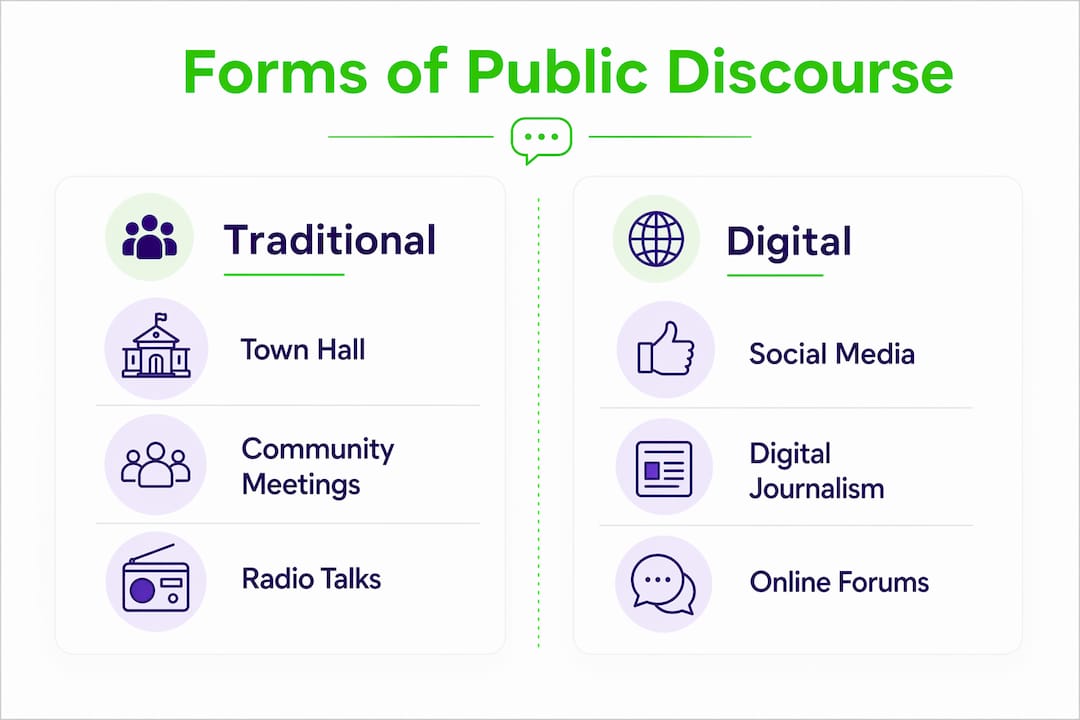
Digital journalism has reshaped how Nigerians access and participate in these conversations, compressing the time between an event and public reaction to minutes.
Why is public discourse important for Nigerian democracy?
Productive public discourse enriches understanding, unites diverse communities, and shifts focus to mutually agreeable policies, enhancing civic engagement. That is not a vague claim. When Nigerians debated the #EndSARS movement in october 2020, public discourse moved from social media hashtags to international headlines, forcing government acknowledgment of police brutality. That is the power of organized civic dialogue.
The role of public discourse in Nigerian democracy includes several concrete functions:
- Voter education: Open debate helps citizens evaluate candidates and policies before elections, reducing the influence of misinformation on voting decisions.
- Accountability: Public spheres allow citizens to demand accountability from powerful institutions, including the Nigerian government, the Central Bank, and international bodies like the IMF and World Bank.
- Policy influence: When enough citizens articulate a position clearly and consistently, policymakers respond. The removal of fuel subsidies in 2023 triggered massive public discourse that shaped the government’s subsequent palliative measures.
- Community cohesion: Discourse across ethnic and regional lines builds shared Nigerian identity, even when the conversations are contentious.
- Diaspora influence: Nigerians abroad use digital platforms to participate in homeland debates, funding advocacy campaigns and amplifying local voices internationally.
Framing in public discourse influences public perception and emotional response to issues. How a story is presented, whether as a security crisis or a governance failure, determines which solutions citizens demand. Recognizing framing gives you more control over your own conclusions.
Pro Tip: When engaging in civic dialogue online, state your position clearly and cite your sources. Vague emotional posts generate heat but rarely shift opinion. Specific, sourced arguments are far more persuasive.
Understanding Nigerian democracy and its relationship to public conversation is the first step toward meaningful participation in the country’s civic life.
What challenges and limitations affect public discourse in Nigeria?
Public discourse in Nigeria faces real obstacles that reduce its quality and fairness. Recognizing these challenges helps you navigate them rather than be misled by them.
| Characteristic | Productive discourse | Unproductive discourse |
|---|---|---|
| Information quality | Relies on verified, sourced facts | Spreads rumors and unverified claims |
| Inclusiveness | Welcomes diverse voices and perspectives | Dominated by elite or single-group views |
| Tone | Respectful disagreement, open to revision | Hostile, dismissive, or tribal |
| Goal | Seeks shared understanding or solutions | Seeks to win or silence opponents |
| Accountability | Speakers own their claims | Anonymous attacks and denial |
Inclusive public discourse is essential to avoid dominance by privileged groups and to ensure marginalized voices participate in civic debates. Nigeria’s public sphere has historically amplified the voices of educated, urban, and male Nigerians. Women, rural communities, and speakers of minority languages often find their concerns sidelined.
Misinformation is the most immediate threat. False stories about election results, health interventions, and ethnic conflicts spread faster on WhatsApp than corrections do. Echo chambers compound the problem. When you only consume content from people who already agree with you, your understanding of national issues narrows.
Simple civility checklists risk excluding marginalized voices. True productive discourse requires grappling with power imbalances, not just asking everyone to be polite. A demand for “calm debate” can silence people whose grievances are urgent and legitimate. Recognizing this distinction matters for anyone who wants to engage honestly with Nigerian civic conversations.
Community journalism plays a critical role in countering these challenges by bringing local, verified reporting to communities that national media often overlooks.
How can Nigerians and the diaspora engage effectively in public discourse?
Effective participation in public discourse is a skill. It can be learned and improved with practice. The following steps give you a practical framework for engaging constructively, whether you are in Lagos, London, or Houston.
- Verify before you share. Check claims against credible Nigerian news outlets, government announcements, or established fact-checking organizations before amplifying them. One false share can damage your credibility permanently.
- Listen actively. Read or watch opposing viewpoints fully before responding. Active listening does not mean agreeing. It means understanding the strongest version of the other side’s argument.
- State your position with evidence. Productive discourse requires qualities like inclusiveness, provisionality, listening, trust, and reliance on reliable information. Provisionality means being open to changing your mind when evidence demands it.
- Amplify marginalized voices. Share content from communities and perspectives that are underrepresented in mainstream Nigerian media. This actively improves the quality of the public conversation.
- Choose your platform deliberately. A Twitter thread reaches a different audience than a community radio call-in or a local government petition. Match your message to the venue where it will have the most impact.
- Engage with local governance. Attend town hall meetings, submit written feedback to government agencies, and participate in public consultations. Citizen feedback shapes governance in ways that social media posts alone cannot.
- Build coalitions. Discourse that produces change rarely comes from individuals. Connect with civic organizations, professional associations, and community groups that share your concerns.
Public discourse is not limited to polite discussion. It entails responsibility to community and can include challenging entrenched power asymmetries. Advocacy, protest, and confrontational journalism are all legitimate forms of civic dialogue when they are grounded in facts and aimed at systemic change.
Digital communities have become one of the most powerful venues for this kind of organized civic action in Nigeria, particularly among young Nigerians and the diaspora.
Key Takeaways
Public discourse is the structured exchange of ideas among citizens that drives democratic accountability, policy change, and civic identity in Nigeria and beyond.
| Point | Details |
|---|---|
| Core definition | Public discourse is the open exchange of ideas about collective concerns that shapes public opinion and policy. |
| Key venues | Discourse happens across radio, TV, social media, town halls, and online platforms like Naijatipsland. |
| Democratic function | Productive discourse holds institutions accountable and moves citizens from observation to participation. |
| Main challenges | Misinformation, elite dominance, and echo chambers reduce discourse quality and exclude marginalized voices. |
| Effective engagement | Verify information, listen actively, cite evidence, and participate in both digital and local governance forums. |
Naijatipsland’s take on public discourse in Nigeria
Public discourse in Nigeria is messy, loud, and frequently frustrating. It is also one of the most important things happening in the country right now. After years of watching Nigerian civic conversations evolve, from the era of newspaper opinion columns to the explosion of Twitter debates and WhatsApp broadcast lists, the pattern is clear: the quality of public discourse directly tracks the health of Nigerian democracy.
What concerns me most is not the noise. Noise is normal. What concerns me is the narrowing of who gets heard. The loudest voices in Nigerian public discourse are still disproportionately urban, educated, and male. Rural women, minority language speakers, and people with disabilities remain largely absent from the conversations that determine their lives. That is not a diversity talking point. It is a practical problem. Decisions made without those voices tend to fail those communities.
What gives me genuine optimism is the diaspora. Nigerians abroad are increasingly using digital platforms to fund local journalism, amplify grassroots campaigns, and hold both Nigerian and foreign institutions accountable. That is a new and powerful development. The #EndSARS movement showed what coordinated diaspora engagement looks like at scale. The challenge now is sustaining that energy beyond moments of crisis and directing it toward the slower, less dramatic work of policy reform and institutional accountability.
Public discourse is not a spectator sport. Every time you share a verified story, attend a community meeting, or push back on misinformation in your group chat, you are participating in the process that shapes Nigeria’s future.
— Naijatipsland
Naijatipsland and Nigerian civic conversations
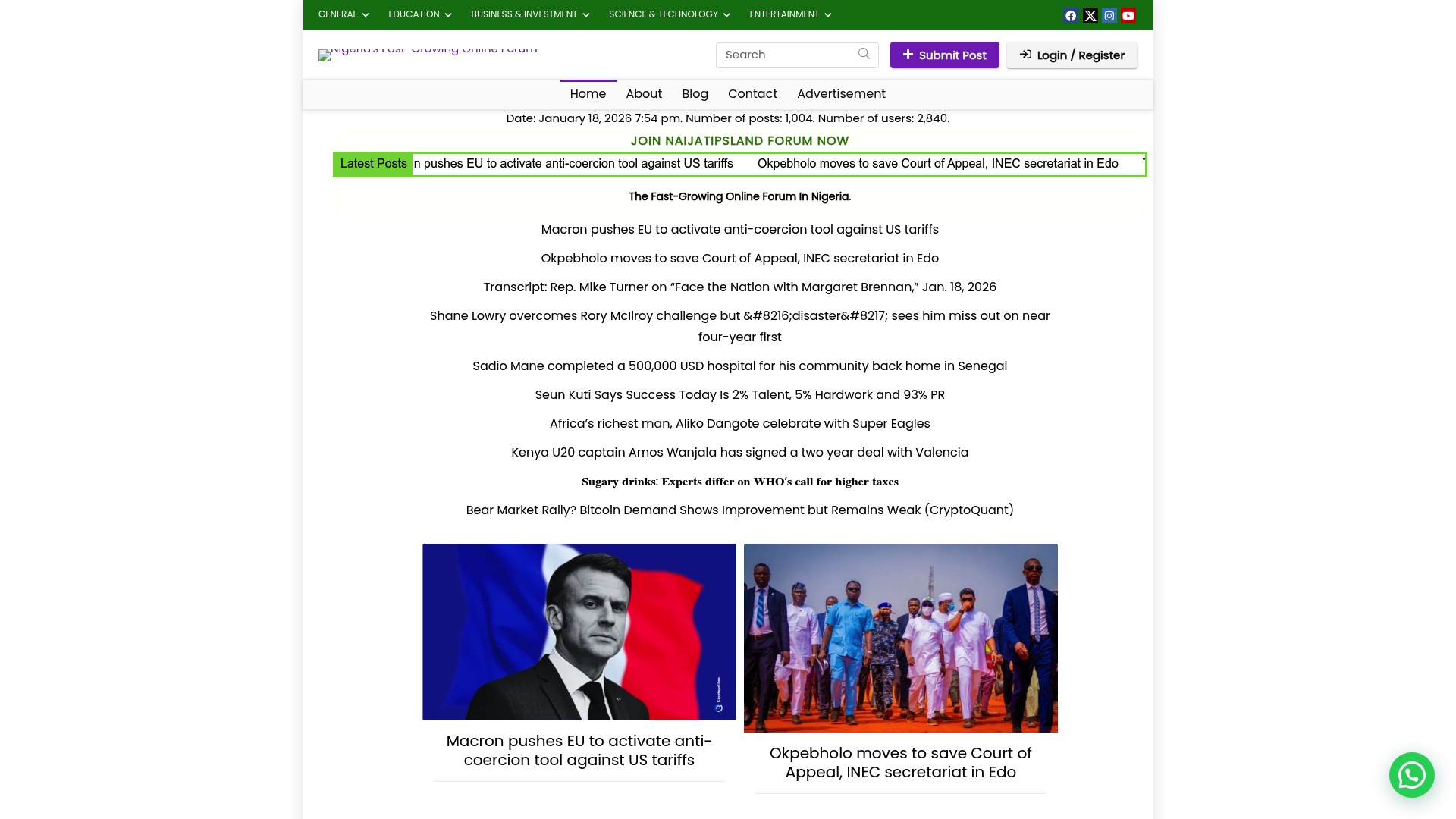
Naijatipsland covers the stories, debates, and civic developments that matter most to Nigerians at home and abroad. The platform brings together news, analysis, and community discussion in one accessible space, making it easier for you to stay informed and engaged.
For readers who want to go deeper on how media shapes public opinion in Nigeria, Naijatipsland’s coverage of traditional media’s role in Nigerian culture and civic life is a strong starting point. The platform also tracks how journalists are working to improve public discourse on the ground, including initiatives like the DevReporting urban journalism project in Lagos. Stay connected with Naijatipsland to follow the conversations that are shaping Nigeria’s civic future.
FAQ
What is the simple definition of public discourse?
Public discourse is the open exchange of ideas and opinions among citizens about issues that affect society and public policy. It includes debates, media coverage, social media, and community forums.
Why does public discourse matter for Nigeria specifically?
Nigeria’s diversity of ethnicities, religions, and regions makes public discourse critical for building shared understanding and holding a complex federal government accountable. Without open civic dialogue, policy decisions reflect only the most powerful voices.
What is the difference between public discourse and civic dialogue?
Public discourse is the broader term covering all public communication about collective concerns. Civic dialogue is a subset that specifically refers to structured, inclusive conversations between citizens and institutions aimed at reaching shared decisions.
How does misinformation affect public discourse in Nigeria?
Misinformation spreads faster than corrections on platforms like WhatsApp and Facebook, distorting public understanding of elections, health issues, and ethnic conflicts. Verifying claims before sharing is the most direct way to protect discourse quality.
How can the Nigerian diaspora participate in public discourse?
The diaspora can engage through digital platforms, fund local journalism, amplify grassroots campaigns, and participate in formal consultations with Nigerian government agencies. The #EndSARS movement demonstrated that coordinated diaspora engagement produces measurable civic impact.