

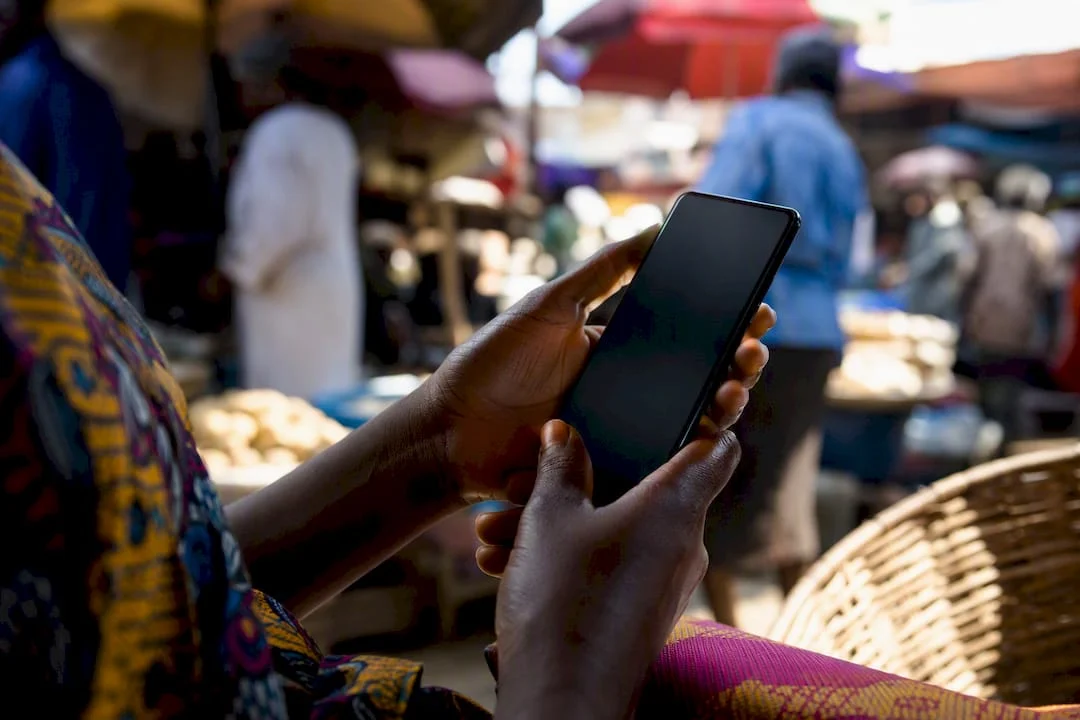
E-commerce in Nigeria is a fast-growing, mobile-first market worth $10.49 billion in 2026, with real opportunity for merchants and shoppers alike. It still runs on trust workarounds like cash on delivery because fraud, patchy logistics, and naira volatility remain unresolved. This guide walks through the market size, the platforms Nigerians actually use, how they pay, what the law requires, and what it takes to win.
TL;DR:
- The Nigerian e-commerce market is expected to reach $18.68 billion by 2031, with mobile shopping and fashion or electronics remaining dominant.
- Key platforms include Jumia, Konga, and Jiji, while social commerce via WhatsApp and Instagram significantly influences small seller transactions.
- Cash on delivery remains vital due to trust issues, but mobile wallets and bank transfers are steadily growing as cashless options.
- Delivery remains challenging outside Lagos, requiring reliance on regional hubs, pickup stations, or lockers to improve reliability.
- Success depends on balancing payment trust, logistics, and multi-channel presence rather than focusing solely on discounts or a single platform.
Table of Contents
- What Is the Current State of E-Commerce in Nigeria?
- Which Platforms Dominate Nigerian Online Shopping?
- How Do Nigerians Pay for Things Online?
- Why Is Delivery Still So Hard in Nigeria?
- What Laws Govern Online Selling and Buying in Nigeria?
- Should You Invest in Nigerian E-Commerce Right Now?
- What Do Successful Nigerian E-Commerce Businesses Actually Do?
- What Does Naijatipsland See in Nigeria’s Online Shopping Behavior?
- Where Is Nigeria’s E-Commerce Market Headed?
- Sources
What Is the Current State of E-Commerce in Nigeria?
Nigeria’s online retail sector reached $10.49 billion in 2026 and is projected to hit $18.68 billion by 2031, a 12.23% compound annual growth rate that outpaces most retail categories in the country. That growth is not evenly distributed. It clusters around a handful of cities and a narrow band of product categories, and it’s carried almost entirely on phones rather than desktop browsers.
Statista’s e-commerce data on Nigeria shows the market is overwhelmingly mobile first, with smartphone access driving the bulk of site visits and purchases. Fashion and electronics consistently rank as the top-selling categories, followed by beauty products and home goods. This mirrors what you’d expect from a young, urbanizing population that treats a phone as its primary computer, not a secondary device.
Geographically, Lagos dominates. Abuja and Port Harcourt follow as secondary hubs, but a large share of order volume, warehouse capacity, and last-mile delivery infrastructure still sits in and around Lagos. That concentration shapes everything from delivery timelines to where new entrants choose to launch first.
A few numbers worth holding onto as you read the rest of this piece:
- Market value: $10.49 billion in 2026, forecast to reach $18.68 billion by 2031
- Growth rate: 12.23% CAGR over the next five years
- Access pattern: Mobile-first, with smartphones driving most site traffic
- Leading categories: Fashion and electronics, per Statista
- Geographic concentration: Lagos, Abuja, and Port Harcourt account for a disproportionate share of orders
Pro Tip: If you’re evaluating whether to launch a Nigerian storefront, model your unit economics around a smartphone shopper in Lagos first. If the numbers work there, you can test expansion into Abuja or Port Harcourt before chasing harder-to-reach secondary markets.
Which Platforms Dominate Nigerian Online Shopping?
Three names show up in almost every Nigerian shopper’s phone: Jumia, Konga, and Jiji. Each plays a different role, and increasingly a fourth, Temu, is muscling into the conversation from outside the country.
Jumia remains the closest thing Nigeria has to a full-service marketplace, offering everything from electronics to groceries with its own logistics arm and JumiaPay as an integrated payment option. Konga competes on a similar model, leaning into local sourcing and periodic flash sales to build repeat traffic. Jiji operates differently. It’s a classifieds platform where individuals and small businesses list items directly, more akin to a digital marketplace of independent sellers than a curated retailer, which means pricing and product quality vary more widely than on Jumia or Konga.
Temu’s entry has added a new layer of competition, undercutting local sellers on price for low-cost goods shipped internationally, according to reporting from TechTrends Africa. That’s forced local marketplaces to compete harder on delivery speed and after-sales trust, since they can’t win on price alone against cross-border volume.
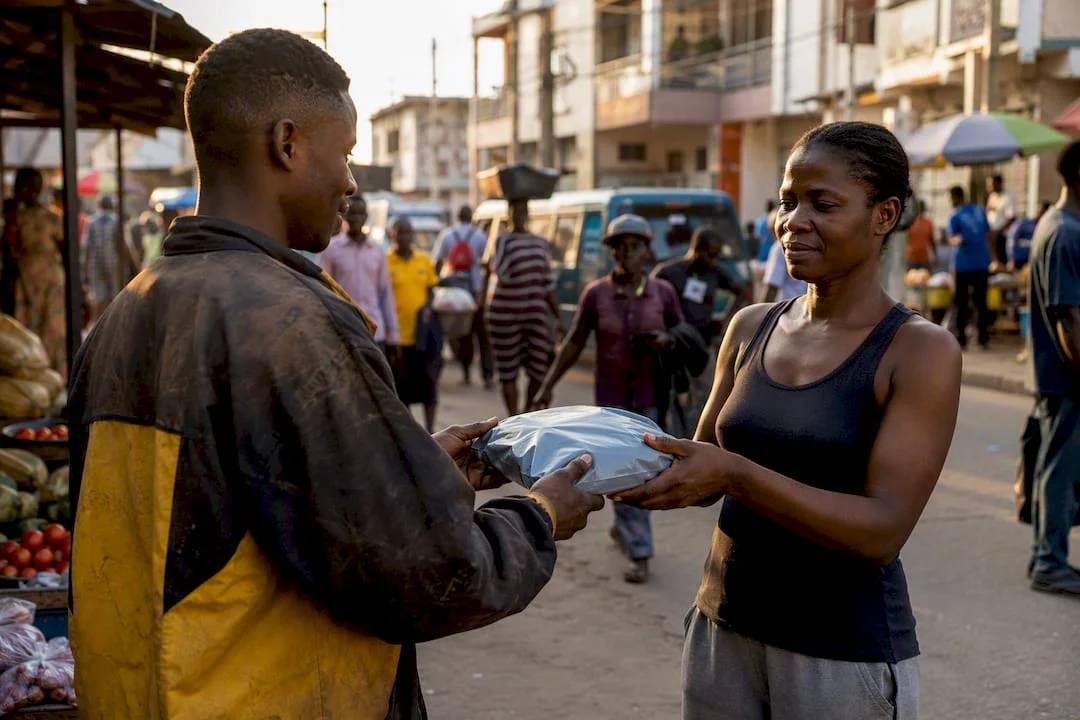
Beneath these formal platforms sits a layer that arguably moves just as much product: social commerce. WhatsApp Business catalogs and Instagram shop pages let individual sellers reach buyers directly, often building trust through personal relationships rather than platform reviews. PaymentsCMI’s market data identifies social media as the leading e-commerce channel for many Nigerian micro and small businesses, and it’s easy to see why. A seller who responds personally on WhatsApp, shows real-time stock photos, and negotiates price feels more accountable than an anonymous marketplace listing.
Here’s how the channels stack up on the things that actually matter to a buyer:
- Discovery: Marketplaces like Jumia win on search and category browsing; social commerce wins on referrals and word of mouth.
- Pricing: Jiji and social sellers tend to be more negotiable; Jumia and Konga list fixed prices with periodic discounts.
- Trust: Established platforms offer buyer protection policies; social commerce relies on personal rapport and repeat interaction, which TechTrends Africa notes often outperforms formal ratings for building loyal, repeat buyers.
For a fuller breakdown of individual platforms, Naijatipsland’s guide to the best e-commerce platforms in Nigeria walks through feature-by-feature comparisons.
How Do Nigerians Pay for Things Online?
Cash still talks in Nigerian e-commerce, but its grip is loosening. Cash on delivery remains a significant share of transactions because it lets buyers verify a product before paying, a rational response to a market where counterfeit goods and non-delivery scams are real risks. Bank transfers have grown fast alongside it, partly because Nigeria’s push toward a cashless economy has made transfer apps faster and more reliable than they were a few years ago.
Cards play a smaller role than in more mature e-commerce markets, largely due to lower card penetration outside major cities. Mobile wallets and payment service banks, including options like SmartCash and MoMo, are gaining ground as Mordor Intelligence’s market analysis shows, particularly among younger, urban shoppers who want a faster checkout than a bank transfer allows. Buy now, pay later is still early stage but growing, giving cash-constrained shoppers a way to spread the cost of higher-ticket electronics and fashion purchases.
The regulatory backdrop matters here. Trade documents how Central Bank of Nigeria forex policy has restricted some international payment flows, complicating life for cross-border sellers and for Nigerian buyers trying to pay foreign merchants. If you’re a merchant relying on international payment processors, expect friction around currency conversion and settlement delays that don’t exist for purely domestic transactions.
What this means for merchants operating in Nigeria:
- Offer cash on delivery even if it adds operational cost. Refusing it will cost you more in abandoned carts.
- Reconcile bank transfer payments manually or through an aggregator, since transfers don’t always carry clean order references.
- Build refund policies that account for forex delays if you accept or settle in foreign currency.
- Add at least one mobile wallet option at checkout to capture the growing PSB and mobile money user base.
Pro Tip: Treat payment method choice as a fraud filter, not just a convenience feature. Cash-on-delivery orders from new customers in high-fraud postal zones are worth a confirmation call before you dispatch. For readers managing money across borders, Naijatipsland’s guide to sending money to Nigeria safely covers the practical side of forex friction in more depth.
Why Is Delivery Still So Hard in Nigeria?
Lagos has the warehouses, the courier density, and the road infrastructure that makes same-day or next-day delivery realistic. Move outside it, and delivery windows stretch, costs climb, and failed-delivery rates rise. Secondary cities and rural areas often depend on regional hubs that route through Lagos first, adding days to an order that would take hours within the city itself.
Merchants generally choose from a few fulfillment models, and the right one depends on order volume and geography:
- In-house delivery works for merchants concentrated in one city with enough order density to justify their own riders.
- Third-party logistics partners make sense once you’re shipping beyond your home city, trading margin for reach.
- Pickup stations reduce failed-delivery costs in dense urban neighborhoods where customers would rather collect than wait for a rider.
- Smart lockers are still rare in Nigeria but growing in a handful of Lagos and Abuja shopping centers, offering a secure alternative to doorstep delivery.
The fixes that actually move the needle tend to be unglamorous. Partnering with couriers who specialize in specific neighborhoods rather than promising blanket national coverage cuts failed deliveries. Setting realistic delivery SLAs, rather than promising next-day everywhere, protects your reviews. Verifying addresses at checkout, including asking for a landmark rather than relying on formal street addresses that may not exist in many areas, cuts down the return-to-sender problem that eats into margins on every failed trip.
What Laws Govern Online Selling and Buying in Nigeria?
Two pieces of legislation shape how e-commerce operates in Nigeria: the Cybercrimes Act and the Nigeria Data Protection Act (NDPA). Together they set the boundaries for how businesses handle customer data, respond to fraud, and stay accountable to regulators.
The Cybercrimes Act criminalizes a range of online fraud and identity theft activities relevant to e-commerce, including phishing schemes that target online shoppers and fraudulent payment activity. If you run an online store, this law is part of why you need visible terms of service, secure checkout flows, and a clear process for reporting suspicious transactions. The NDPA governs how businesses collect, store, and use customer data, requiring consent for data collection and imposing obligations around breach notification. Any Nigerian e-commerce operator storing customer names, addresses, or payment details falls under its scope.
On the payments side, Trade.gov’s guide notes that Central Bank of Nigeria rules around forex and cross-border transfers directly affect how international payment flows move in and out of the country, a constraint that shapes pricing and refund policy for any merchant dealing in foreign currency.
A basic compliance checklist for merchants:
- Publish a clear privacy policy that explains what customer data you collect and why, in line with NDPA requirements.
- Keep transaction records for dispute resolution and regulatory inquiries.
- Build a documented process for handling suspected fraud, tied to Cybercrimes Act reporting requirements.
- Disclose return and refund terms clearly before checkout, not buried in fine print afterward.
For buyers, the practical safety tips are simpler: verify a seller has a real, findable business presence before making advance payments, and be wary of deals priced far below market rate. Naijatipsland’s breakdown of Nigeria’s cybercrime laws covers consumer protection angles in more detail.
Should You Invest in Nigerian E-Commerce Right Now?
The growth drivers are real: a young population, rising smartphone penetration, and a social commerce layer that keeps expanding independent of formal platforms. The constraints are equally real, and they don’t cancel each other out so much as they determine where in the value chain the opportunity actually sits.
Fraud remains the biggest drag on buyer confidence, which is why cash on delivery persists even though it adds cost and complexity for merchants. Infrastructure gaps outside Lagos limit how fast anyone can scale delivery promises nationally. And cross-border price pressure from entrants like Temu squeezes margins for local sellers who can’t compete purely on unit cost.
If you’re prioritizing where to put limited resources, the order matters:
- Payments trust comes first. A checkout flow that feels risky kills conversion faster than a slow delivery ever will.
- Logistics reliability comes second. Missed delivery windows are the single biggest driver of negative reviews and refund requests.
- Local marketing comes third, once the first two are solid enough that new customers won’t churn immediately after a bad first experience.
For investors, the more defensible plays sit in payments infrastructure, logistics tooling, and trust layers like verification services, rather than in trying to out-discount established marketplaces. For merchants and founders, the fastest path to traction usually runs through hybrid models rather than pure-play storefronts. Naijatipsland’s look at Nigeria’s digital economy growth puts these numbers in a wider macroeconomic context.
What Do Successful Nigerian E-Commerce Businesses Actually Do?
The merchants who scale in Nigeria rarely bet everything on one channel. A pattern documented across multiple market reports is the hybrid approach: a presence on a marketplace like Jumia for discovery, a WhatsApp or Instagram sales flow for trust and repeat business, and a lightweight owned storefront for customers who search for the brand directly. This spreads customer acquisition cost across channels instead of depending on one platform’s algorithm or fee structure.
Here’s a practical sequence for building that mix:
- List on at least one established marketplace to capture search-driven discovery before you have your own traffic.
- Build a WhatsApp Business catalog for personal follow-up, order confirmations, and the kind of direct communication that builds repeat buyers.
- Offer at least two payment methods beyond cash on delivery, including a bank transfer option and one mobile wallet, to reduce checkout drop-off.
- Track a small set of KPIs weekly: average order value, conversion rate, and on-time delivery rate, since these three numbers reveal most operational problems before they become customer complaints.
- Run a documented fraud check on new customers ordering high-value items, particularly for cash-on-delivery orders shipping outside your home city.
Product photography deserves more attention than most new sellers give it. Sharper, well-lit product images consistently perform better in a market where customers can’t physically inspect goods before buying, and external guidance on enhancing product images for e-commerce offers concrete techniques worth applying before launch.
Pro Tip: Track on-time delivery rate by courier partner, not just as a company-wide average. A single unreliable courier in one region can quietly drag down your overall reputation while your best-performing routes mask the problem in the aggregate number.
What Does Naijatipsland See in Nigeria’s Online Shopping Behavior?
Naijatipsland sits inside the conversations Nigerians are already having about where they shop, what they trust, and which sellers burn them. That vantage point, built from community discussion rather than platform analytics, consistently surfaces the same theme: personal accountability beats platform polish. A WhatsApp seller who responds fast and stands behind a product often earns more repeat business than a marketplace listing with a five-star rating and no real relationship behind it.
A few things worth knowing:
- Community discussions frequently flag delivery delays outside Lagos before they show up in formal market reports.
- Trust signals shoppers mention most often are responsiveness and return handling, not price.
- Naijatipsland’s platform comparison guide reflects this by weighing seller accountability alongside price and selection.
Readers who want more of this ongoing coverage can explore Naijatipsland’s broader take on Nigerian news readers’ alternatives for continued market and consumer updates.
Where Is Nigeria’s E-Commerce Market Headed?
The next 24 months will likely reward merchants who solve trust and delivery before they chase growth, since the market’s forecast expansion won’t rescue a business that can’t fulfill orders reliably. Merchants should invest in payment flexibility and courier accountability before marketing spend. Policymakers should keep clarifying NDPA enforcement so smaller businesses aren’t guessing at compliance. Consumers should verify sellers before paying upfront, especially outside established marketplaces. Naijatipsland’s community remains a useful early signal for where these shifts are actually happening on the ground, well before they show up in quarterly market reports.
— Naijatipsland
Sources
- Nigeria e-commerce market report — Mordor Intelligence
- E-commerce in Nigeria – statistics & facts | Statista
- Trade
- Nigeria E-commerce Data 2024 — PaymentsCMI