


TL;DR:
- Online discussions among Nigerian youth are powerful tools for social change and accountability.
- Engaging online on current issues can lead to real-world protests and policy shifts, exemplified by #EndSARS.
- Despite barriers like misinformation and repression, strategic, respectful online activism develops civic skills and networks.
Many people still dismiss online conversations among Nigerian youth as noise, assuming that scrolling through Twitter or posting on forums amounts to nothing meaningful. That assumption is wrong. Digital platforms enable mobilization for social change, as the #EndSARS movement proved when youth-led online discourse translated into real-world protests that shook government institutions. The conversations you have online are not just venting sessions. They are tools for awareness, accountability, and collective action. This article walks you through what topical issues are, why discussing them matters, the barriers you may face, and how to engage effectively and safely.
Table of Contents
- What are topical issues and why do they matter?
- How online discussions shape real-world change
- Barriers Nigerian youth face in online discussions
- Practical ways to start and sustain impactful topical discussions
- Our take: What most people miss about discussing topical issues online
- Ready to make your voice count?
- Frequently asked questions
Key Takeaways
| Point | Details |
|---|---|
| Online discussions empower change | Talking about topical issues online can spark real-life action and policy shifts. |
| Barriers exist, but can be overcome | Youth face challenges like repression and the digital divide, yet practical tools help them engage safely. |
| Skills and networks are built | Regular, respectful participation grows leadership, critical thinking, and connections among Nigerian youth. |
| Start with credible, respectful engagement | Choose truthful topics, verify facts, and maintain civility for impactful conversations. |
What are topical issues and why do they matter?
Topical issues are current, real-world subjects that affect people’s lives and demand public attention. In Nigeria, these include unemployment among graduates, electoral integrity, police brutality, fuel subsidy removal, healthcare access, and corruption at all levels of government. These are not abstract debates. They affect how you live, work, and plan your future.
Understanding the impact of social media in Nigeria helps clarify why these conversations belong online. Social media platforms like X (formerly Twitter), Instagram, Facebook, and WhatsApp have become the primary spaces where young Nigerians process news, share opinions, and organize responses to events. This is not a sign of disengagement. Africa’s youth aren’t disengaged, they have simply shifted from town halls and street corners to digital spaces.
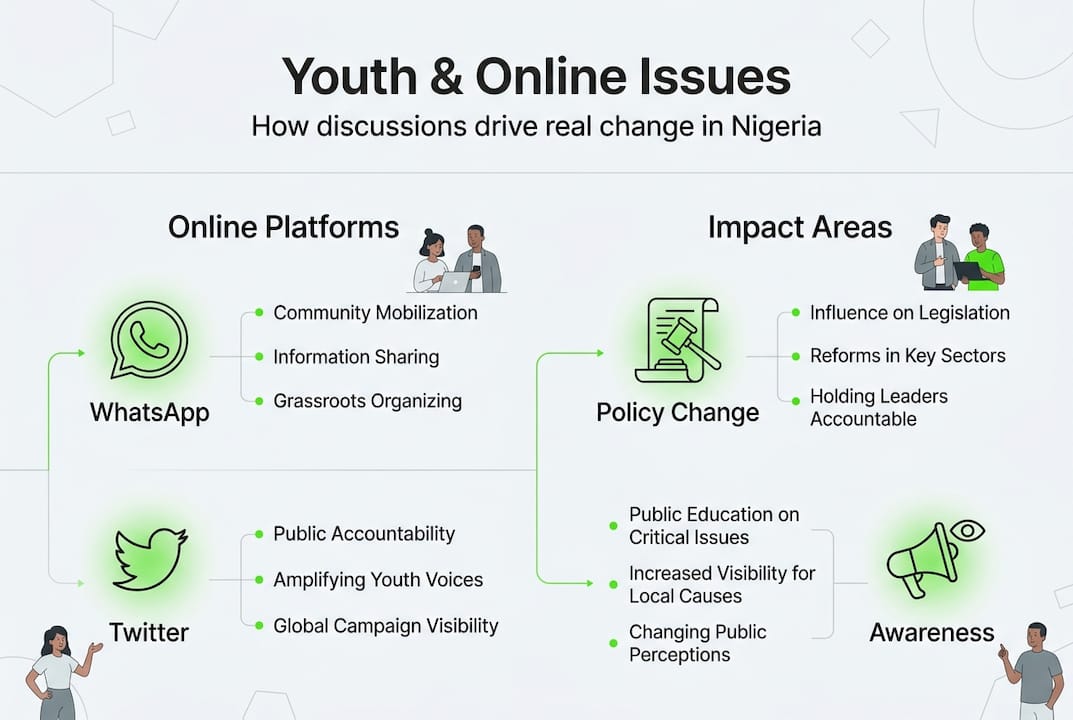
The misconception that youth are apathetic often comes from older generations who measure civic participation by traditional standards like attending political rallies or joining formal organizations. But digital activism is a legitimate and increasingly powerful form of engagement. When you comment on a policy failure, share a news article, or start a thread about a social problem, you are contributing to public discourse.
Here is why discussing topical issues matters for you specifically:
- Awareness building: You help others understand issues they may not have encountered.
- Accountability pressure: Public attention forces institutions to respond.
- Skill development: Research, argumentation, and communication skills improve with practice.
- Community formation: Shared concerns bring like-minded people together for collective action.
- Policy influence: Sustained online pressure has historically shifted government decisions in Nigeria.
Knowing why to participate in online discussions gives you a clearer reason to engage beyond personal opinion sharing.
Pro Tip: Before choosing a topic to discuss online, check at least two credible sources, such as established Nigerian news outlets or verified NGO reports. This protects your credibility and strengthens your argument.
How online discussions shape real-world change
The clearest example of online discourse driving real-world change in Nigeria is the #EndSARS movement of October 2020. What began as years of complaints about police brutality by the Special Anti-Robbery Squad (SARS) turned into a coordinated, youth-led national protest. Twitter threads, Instagram posts, and WhatsApp broadcasts organized logistics, documented abuses, and kept international attention on the movement. Digital platforms enabled mobilization that translated online discourse directly into physical protests and eventual policy responses, including the official disbandment of SARS.
This is the cycle you need to understand: discussion leads to trending topics, trending topics attract media coverage, media coverage pressures institutions, and institutions respond. Nigerian internet communities have repeated this cycle across multiple issues, from demanding transparency in government contracts to exposing sexual harassment in workplaces and universities.
“When young people use digital tools to speak about what affects them, they are not just talking. They are building the infrastructure of accountability.”
The impact of news forums in amplifying these conversations cannot be overstated. Forums aggregate voices, giving individual opinions collective weight. Understanding how viral news spreads also helps you see why timing, framing, and platform choice matter when you want your message to reach beyond your immediate circle.
Here is a comparison of digital activism outcomes before and after widespread internet adoption in Nigeria:
| Period | Primary activism channel | Speed of mobilization | Government response time |
|---|---|---|---|
| Pre-2010 | Street protests, radio | Weeks to months | Slow, often ignored |
| 2010 to 2015 | Early social media, blogs | Days to weeks | Moderate |
| 2016 to present | Twitter, WhatsApp, Instagram | Hours to days | Faster, more visible |
The data shows a clear pattern. As internet adoption grew, the speed and visibility of youth-led activism increased significantly. Your voice online today carries more weight than a pamphlet distributed in 2005 ever could.
Barriers Nigerian youth face in online discussions
Not everything about online engagement is straightforward. Real barriers exist, and ignoring them would give you an incomplete picture. State repression, including shutdowns and arrests, alongside the digital divide limiting rural access, remain serious challenges for young Nigerians trying to engage online.
Here are the most common barriers you may encounter:
- Poor internet connectivity: Rural areas in Nigeria still face unreliable and expensive data access, limiting who can participate in online conversations.
- Misinformation: False news spreads quickly, and engaging with unverified content can damage your credibility and mislead others.
- Online harassment: Women and young people who speak out on sensitive topics often face targeted abuse, threats, and coordinated silencing campaigns.
- Government monitoring: Security agencies have tracked and arrested individuals for social media posts, particularly those critical of government officials.
- Digital literacy gaps: Not everyone knows how to evaluate sources, protect their privacy, or navigate platforms safely.
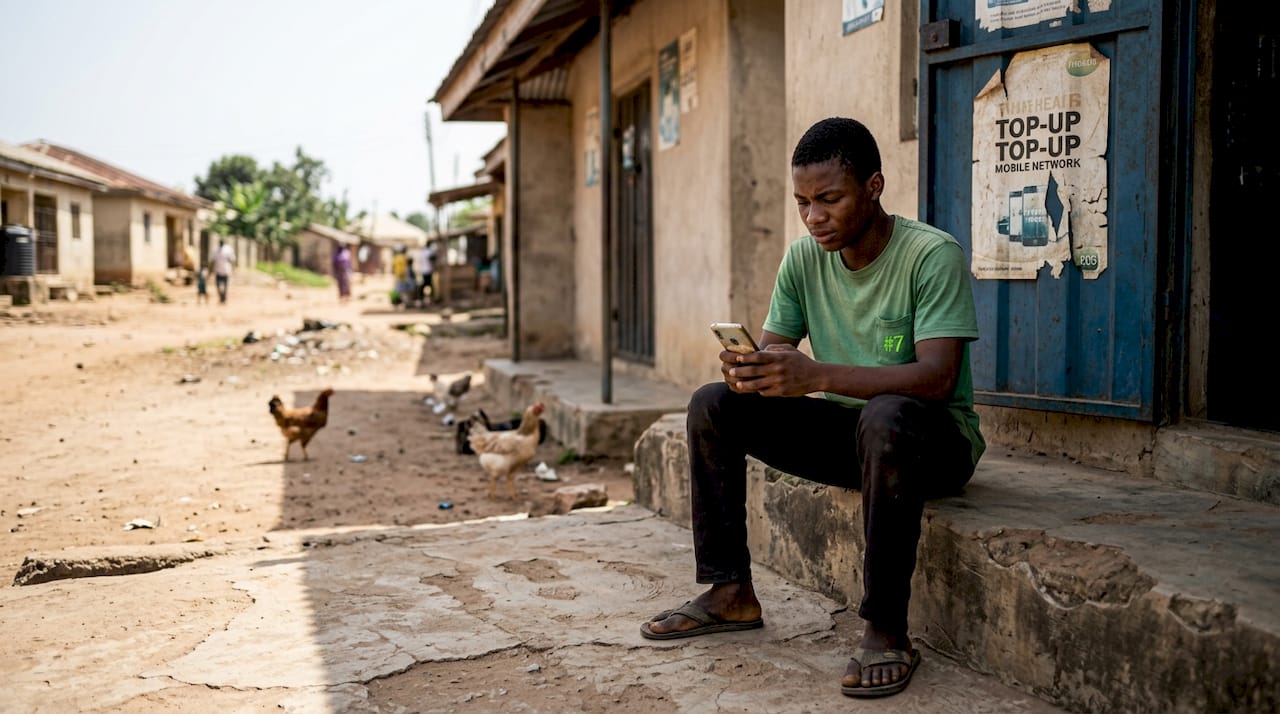
The urban versus rural internet access gap in Nigeria is significant. Urban centers like Lagos, Abuja, and Port Harcourt enjoy relatively stable broadband connections, while large portions of the north and rural south depend on intermittent mobile data. This creates an uneven playing field in who gets to shape national conversations.
Press freedom is also under pressure. Understanding the state of journalism and press freedom in Nigeria gives context to why self-censorship is common among young online commentators.
| Barrier | Urban impact | Rural impact |
|---|---|---|
| Internet access | Moderate | Severe |
| Government monitoring | High | Moderate |
| Misinformation exposure | High | High |
| Online harassment | High | Moderate |
Pro Tip: Use a Virtual Private Network (VPN) when discussing sensitive political topics, avoid sharing personal location details, and always screenshot evidence of harassment before reporting it to the platform.
Practical ways to start and sustain impactful topical discussions
Digital activism has shifted from traditional to online spaces, which means the skills needed to lead effective conversations have also changed. You do not need a large following to make an impact. You need a clear message, reliable information, and a consistent presence.
Follow these steps to start and sustain meaningful discussions:
- Choose a focused topic. Broad topics like “corruption” are hard to discuss productively. Narrow it down. For example, focus on a specific contract scandal or a policy that directly affects students or workers.
- Research before you post. Read at least two credible sources. Nigerian newspapers, government websites, and verified NGO reports are good starting points. Avoid sharing content you have not personally verified.
- Frame your opening clearly. State the issue, why it matters, and what you want people to think about. A clear framing invites better responses than a vague complaint.
- Invite diverse perspectives. Tag people with different viewpoints. Ask open questions rather than leading ones. This makes the conversation richer and harder to dismiss.
- Manage disagreements respectfully. Debate the idea, not the person. When someone is rude, disengage rather than escalate. Your tone sets the standard for the conversation.
- Follow up consistently. One post rarely changes anything. Return to the topic as new developments emerge. Sustained attention is what builds real pressure.
- Use multiple platforms. Share your discussion across Twitter, WhatsApp groups, and community forums to reach different audiences.
Reviewing social media etiquette tips will also help you maintain the kind of respectful, credible presence that attracts serious engagement.
Pro Tip: WhatsApp group chats and community forums often have more engaged audiences than public social media timelines. Start discussions in smaller, trusted groups before scaling to public platforms.
Our take: What most people miss about discussing topical issues online
Most conversations about online activism focus on censorship risks or whether protests actually work. Those are valid concerns, but they miss something important. The act of regularly discussing topical issues builds skills that transfer directly into real life.
When you research a topic before posting, you practice critical thinking. When you defend a position under pressure, you develop argumentation skills. When you organize a group discussion, you practice leadership. These are not soft skills. They are the foundation of civic life and professional credibility.
The role of social media in Nigeria goes beyond protest. It is a training ground for the next generation of informed citizens, journalists, policy advocates, and community leaders. The people who engage consistently, respectfully, and thoughtfully are building networks and reputations that will matter long after a specific campaign ends.
Overemphasis on government repression can paralyze people into silence. The more realistic approach is to engage strategically, protect your safety, and stay committed to long-term, collective conversation. That is where lasting change comes from.
Ready to make your voice count?
You now understand why discussing topical issues is not a waste of time. It builds awareness, drives accountability, and develops real skills that serve you beyond the screen. The next step is to act on that knowledge.

Naijatipsland.com gives you the platform to do exactly that. You can start your own topical discussion on issues that matter to you, connect with other engaged Nigerians, and contribute to conversations that shape public opinion. If you are new to online forums, start by reading about the importance of participation and reviewing our forum etiquette guide to make sure your contributions land with the impact they deserve.
Frequently asked questions
What are examples of topical issues relevant to Nigerian youth?
Topical issues include unemployment, elections, police reforms, and access to education, all topics that directly affect young Nigerians. Digital platforms enable mobilization around these concerns, as seen with #EndSARS.
How has discussing topical issues online influenced Nigerian society?
Online discussions have fueled major movements like #EndSARS, directly influencing public opinion and pushing government institutions to respond. Digital platforms enabled mobilization that turned social media posts into national policy conversations.
Can discussing controversial topics online be risky?
Yes, online discourse carries real risks including state monitoring and harassment, so prioritizing your safety is essential. State repression and digital divide remain active challenges for young Nigerians speaking out online.
How can I join or start an impactful discussion?
Choose a credible, focused topic, verify your sources, and encourage respectful debate to keep the conversation productive and trustworthy.
Why do some believe youth are apathetic despite their online activity?
This belief is outdated because most civic engagement has simply moved from traditional spaces to digital platforms. Africa’s youth aren’t disengaged, they have just moved online.