

TL;DR:
- Digital literacy involves responsible use of digital tools, critical evaluation, and effective communication online. It is essential for Nigerian youth’s education, employment, and civic participation, yet many lack proper skills. A structured 30-day plan can significantly improve their digital competence, benefiting individuals and society alike.
Digital literacy is defined as the ability to access, evaluate, create, and communicate information using digital technologies responsibly and effectively. The role of digital literacy in shaping the futures of Nigerian young adults has never been more direct. You are living in a country where over 100 million people are online, yet the gap between using social media and truly understanding digital information remains wide. Platforms like Instagram, WhatsApp, and X (formerly Twitter) are part of daily life for most Nigerian students, but scrolling is not the same as being digitally literate. This article breaks down exactly why digital skills matter for your education, your career, and your community.
How does digital literacy shape critical thinking in education?
Digital literacy in education goes far beyond knowing how to use a laptop or search Google. It is the skill of evaluating what you find, questioning its source, and using it responsibly. For Nigerian students, this distinction is critical.
The numbers reveal a serious problem. Despite 97% social media usage among students, only 25% can identify professional fact-checkers. That means three out of four students are consuming information without the tools to verify it. The same study found that 61% of students share news without verifying it, even though 65% are aware that disinformation exists. Awareness alone does not protect you. Skill does.
Poor digital literacy in education leads to concrete consequences:
- Sharing unverified news that spreads misinformation within your network
- Citing unreliable sources in academic work, which damages your credibility
- Falling for phishing scams or fraudulent scholarship offers circulated on WhatsApp
- Accepting manipulated images or AI-generated content as factual reporting
The research is clear that students labeled “digital natives” often possess only superficial digital knowledge. High technology access does not equal high digital competence. Nigerian universities and secondary schools need to treat critical digital thinking as a core academic skill, not an optional extra.
Pro Tip: Before sharing any news article on WhatsApp or Instagram, check three things: who wrote it, when it was published, and whether a credible outlet like BBC Africa or Channels TV has reported the same story. This single habit separates informed students from misinformed ones.
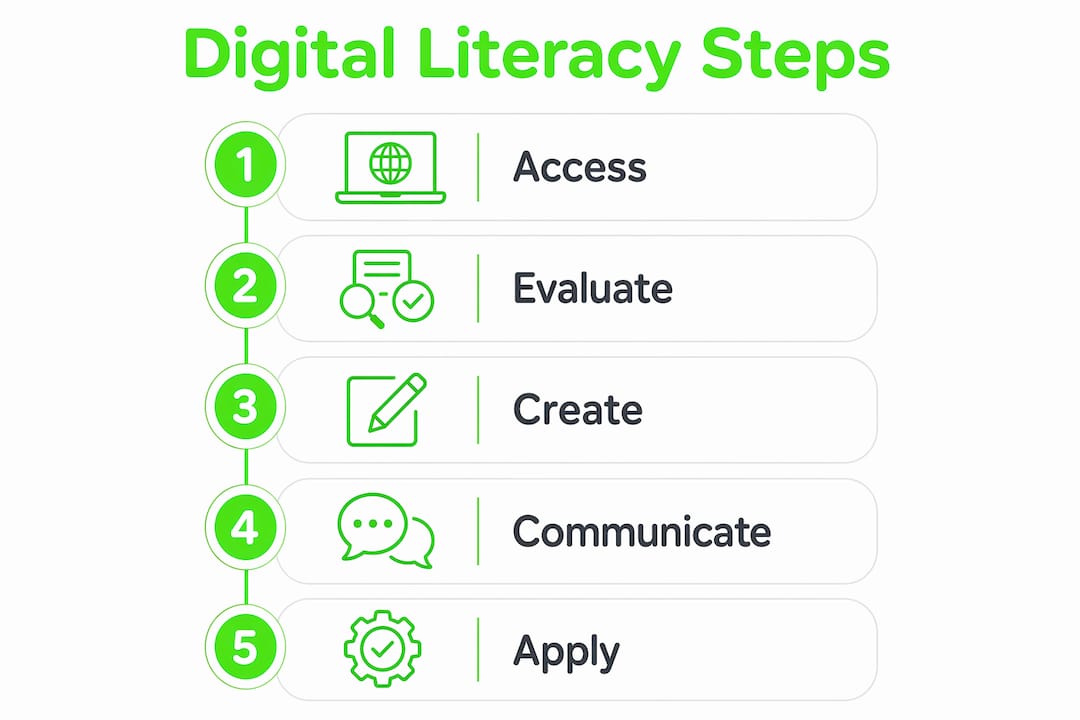
Developing strong fact-checking habits also protects your academic integrity. When you question authorship and publication dates as a routine practice, you build the kind of critical thinking that professors and employers both reward.
What role does digital literacy play in employment opportunities?
Digital literacy is the single most consistent predictor of workforce readiness in Nigeria’s current job market. Employers across sectors, from fintech firms like Flutterwave and Paystack to media houses and government agencies, now expect candidates to arrive with functional digital competencies.

Research confirms that higher digital literacy correlates directly with workforce productivity and economic output. The same study identifies collaboration between education institutions, industry, and government as essential for sustaining these skills at scale. Nigeria’s growing tech ecosystem makes this more relevant every year.
Here are the digital competencies most Nigerian employers expect in 2026:
- Cloud collaboration tools: Proficiency in Google Workspace (Docs, Sheets, Drive) or Microsoft 365 is now a baseline requirement for office roles.
- Data interpretation: Reading and summarizing data from tools like Google Analytics or Excel is expected in marketing, finance, and operations roles.
- Digital communication: Writing clear emails, managing professional profiles on LinkedIn, and participating in video calls via Zoom or Google Meet.
- Cybersecurity awareness: Recognizing phishing attempts, using strong passwords, and understanding basic data privacy rules.
- Content creation: Basic graphic design using Canva or video editing for social media is increasingly valued across industries.
The impact of digital skills extends beyond getting hired. Workers who continuously update their digital competencies earn more and advance faster. Lifelong learning platforms like Coursera, Google Digital Skills for Africa, and Andela Training Community offer free or low-cost pathways to build these skills from Lagos, Abuja, or Kano.
A practical digital skills checklist helps you identify exactly which competencies you already have and which ones need attention before your next job application.
How can nigerian youth improve their digital literacy in 30 days?
Structured digital literacy improvement is achievable in 30 days using a focused weekly plan. That is not a motivational claim. It is a documented approach that takes beginners to an intermediate skill level through consistent, targeted practice.
Here is a practical four-week plan built for Nigerian students and young adults:
- Week 1: Computer and internet basics. Practice file management, browser shortcuts, and email formatting. Use free resources from Google’s Primer app or Khan Academy.
- Week 2: Communication and collaboration tools. Set up and actively use Google Workspace or Microsoft 365. Practice creating shared documents and joining video meetings.
- Week 3: Cloud storage and online safety. Learn to use Google Drive or Dropbox. Complete a free cybersecurity module on Coursera or the Google Digital Skills for Africa platform.
- Week 4: Critical media evaluation. Practice identifying misinformation using tools like Snopes or Africa Check. Review your own social media habits and apply multi-source verification.
Pro Tip: Measuring your progress by skill transfer, not course completion, is the most accurate way to know you are improving. Ask yourself: “Can I use this skill to complete a real task today?” If the answer is no, practice more before moving on.
The table below compares free learning resources available to Nigerian youth:
| Resource | Best For | Cost | Access |
|---|---|---|---|
| Google Digital Skills for Africa | Broad digital skills | Free | Online, mobile-friendly |
| Coursera (audit mode) | Cybersecurity, data, cloud | Free to audit | Online |
| Khan Academy | Computer basics, math | Free | Online and offline |
| Andela Training Community | Tech and coding skills | Free | Online |
| Africa Check | Fact-checking practice | Free | Online |
True digital literacy also includes diagnostic skills like interpreting error messages and troubleshooting software problems. This level of self-sufficiency is what separates passive tech users from genuinely capable digital professionals.
What societal benefits come from digital literacy among nigerian youth?
Digital literacy is now a civic competence, not just a professional one. When Nigerian young adults develop strong digital skills, the benefits extend well beyond individual careers. They shape the health of communities, democratic institutions, and public discourse.
Digital literacy now includes media literacy, AI literacy, and privacy protection, all of which are integral to democratic resilience in the AI era. Synthetic media, deepfakes, and AI-generated text are already circulating in Nigerian political spaces. Without the skills to identify these threats, young voters and citizens become easy targets for manipulation.
The societal benefits of stronger digital literacy among Nigerian youth include:
- Reduced misinformation spread: Digitally literate citizens verify before sharing, slowing the viral spread of false news on platforms like WhatsApp and Telegram.
- Stronger civic engagement: Young Nigerians who understand how to use digital tools can participate in public consultations, sign petitions, and hold institutions accountable online.
- Better online safety: Understanding privacy settings, recognizing scams, and protecting personal data reduces financial and reputational harm.
- Support for social movements: Digital literacy amplifies the voices of young Nigerians in movements around education reform, anti-corruption, and climate action.
Research also shows that exposure to online threats can motivate stronger digital skills development. Young adults who experience cyberbullying or online fraud often develop sharper protective instincts and deeper technical knowledge as a result. Adversity, in this context, builds competence.
Understanding how breaking news spreads digitally is one of the most practical skills a young Nigerian can develop right now. Knowing how a story travels from a single tweet to national headlines helps you spot manipulation early.
“Effective digital literacy relies on habits of active questioning and multi-source verification rather than passive information consumption.”
This principle applies directly to Nigerian youth navigating a media environment where false stories about elections, health, and finance spread faster than corrections. Learning to avoid Nigerian misinformation is a skill that protects you and everyone in your network.
Key takeaways
Digital literacy is the foundation skill Nigerian young adults need to succeed in education, employment, and civic life in 2026.
| Point | Details |
|---|---|
| Digital literacy is more than tech use | It includes critical evaluation, fact-checking, and responsible online behavior. |
| Education gaps are measurable | Only 25% of students can identify fact-checkers despite near-universal social media use. |
| Employment demands digital skills | Nigerian employers expect cloud tools, data literacy, and cybersecurity awareness as baseline skills. |
| 30-day improvement is achievable | A structured weekly plan using free platforms like Google Digital Skills for Africa builds real competence. |
| Civic benefits are real | Digitally literate youth reduce misinformation, engage in democracy, and protect their communities online. |
Naijatipsland’s take: why digital literacy is nigeria’s most underrated priority
From everything Naijatipsland has observed covering Nigerian youth issues, digital literacy is the skill gap that costs young Nigerians the most, and the one that gets the least serious attention. Students spend hours on TikTok and WhatsApp but have never completed a single structured course on how to evaluate what they are reading. That is not a personal failure. It is a systemic one.
What Naijatipsland finds most striking is the confidence gap. Many young Nigerians assume that because they use technology daily, they are already digitally literate. That assumption is the biggest obstacle to actual improvement. The students who grow fastest are the ones who admit what they do not know and treat digital skills the same way they treat exam preparation: with structure, consistency, and honest self-assessment.
Nigeria’s digital future is genuinely promising. The fintech sector, the creative economy, and the growing startup scene all need young people who can think critically online, not just scroll efficiently. The shift from passive user to active, informed digital citizen is not complicated. It starts with one honest question: “Do I actually know how to verify what I am reading?” If the answer is uncertain, the 30-day plan in this article is your starting point.
— Naijatipsland
Build your digital skills with Naijatipsland
Naijatipsland is built for Nigerian youth who want to stay informed, think critically, and grow in a digital world. The platform brings together news, community discussions, and practical guides that help you apply digital literacy skills in real time.
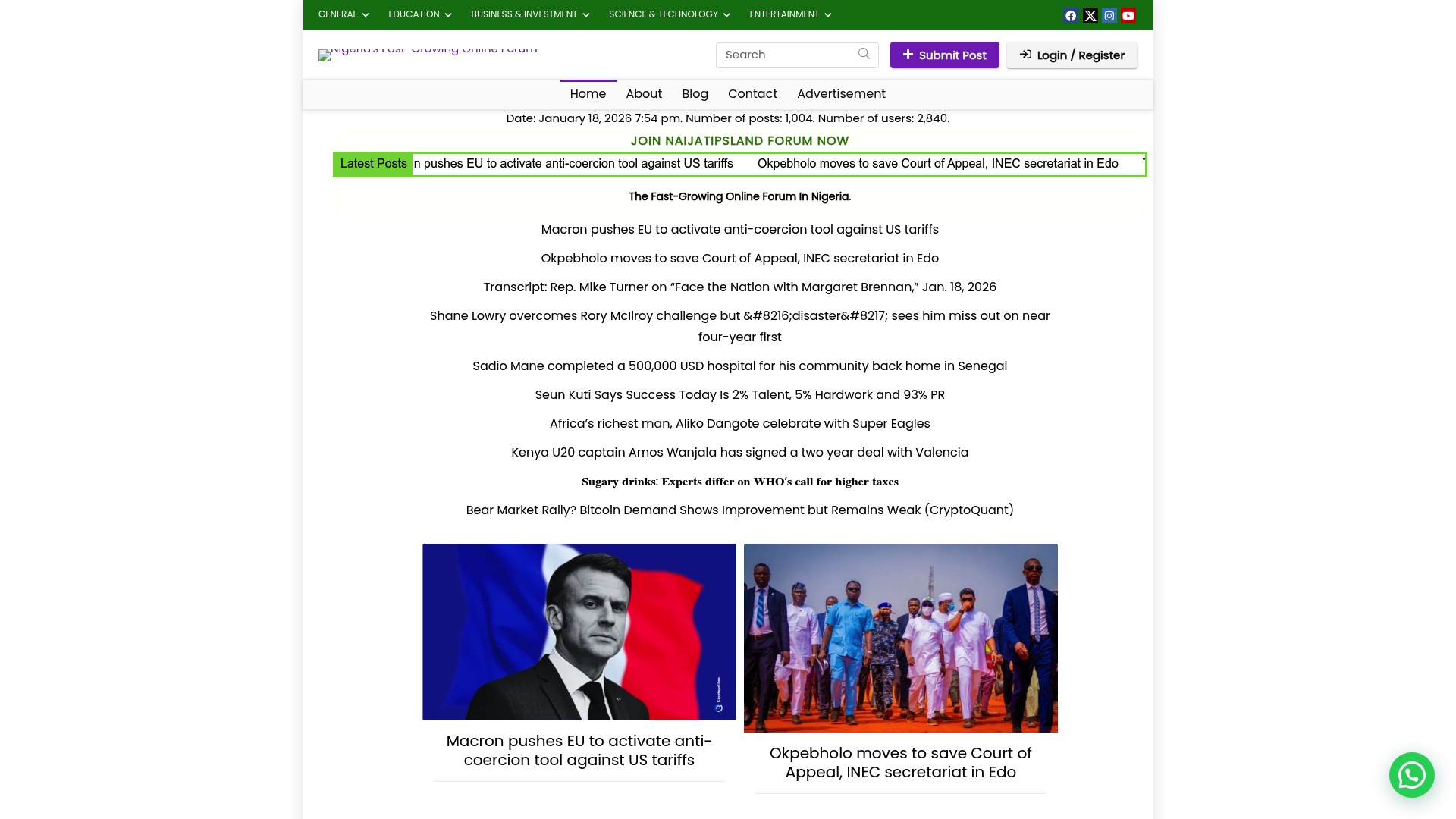
Start by exploring why participating in online discussions is one of the fastest ways to sharpen your digital communication and critical thinking skills. Active participation in forums and community threads builds the exact habits that make you more employable and more informed. If you are new to online discussions, Naijatipsland’s beginner’s guide to online discussions walks you through every step. Join the conversation today and start building skills that matter.
FAQ
What is digital literacy, exactly?
Digital literacy is the ability to access, evaluate, create, and communicate information using digital tools responsibly. It goes beyond basic tech use to include critical thinking, online safety, and media evaluation.
Why does digital literacy matter for nigerian students?
Nigerian students face a high-risk information environment where misinformation spreads rapidly on WhatsApp and social media. Strong digital literacy skills protect academic integrity and prepare students for a workforce that expects digital competence.
How long does it take to improve digital literacy?
Structured improvement over 30 days using focused weekly goals can take a beginner to an intermediate skill level. Consistency and real-world practice matter more than course completion certificates.
What are the most important digital skills for nigerian youth in 2026?
Cloud collaboration tools like Google Workspace, basic cybersecurity awareness, digital communication, and fact-checking are the most in-demand skills among Nigerian employers and educational institutions today.
How does digital literacy connect to civic life in nigeria?
Digital literacy as a civic competence means young Nigerians can identify misinformation, participate in public discourse, and hold institutions accountable online. These skills directly support democratic participation and community safety.