Iran protests rage for another night and deaths mount as Trump renews warning of possible U.S. intervention

First published 10 January 2026. We rewrote this report on 13 October 2026 from several news agencies’ accounts, and added what happened afterwards.
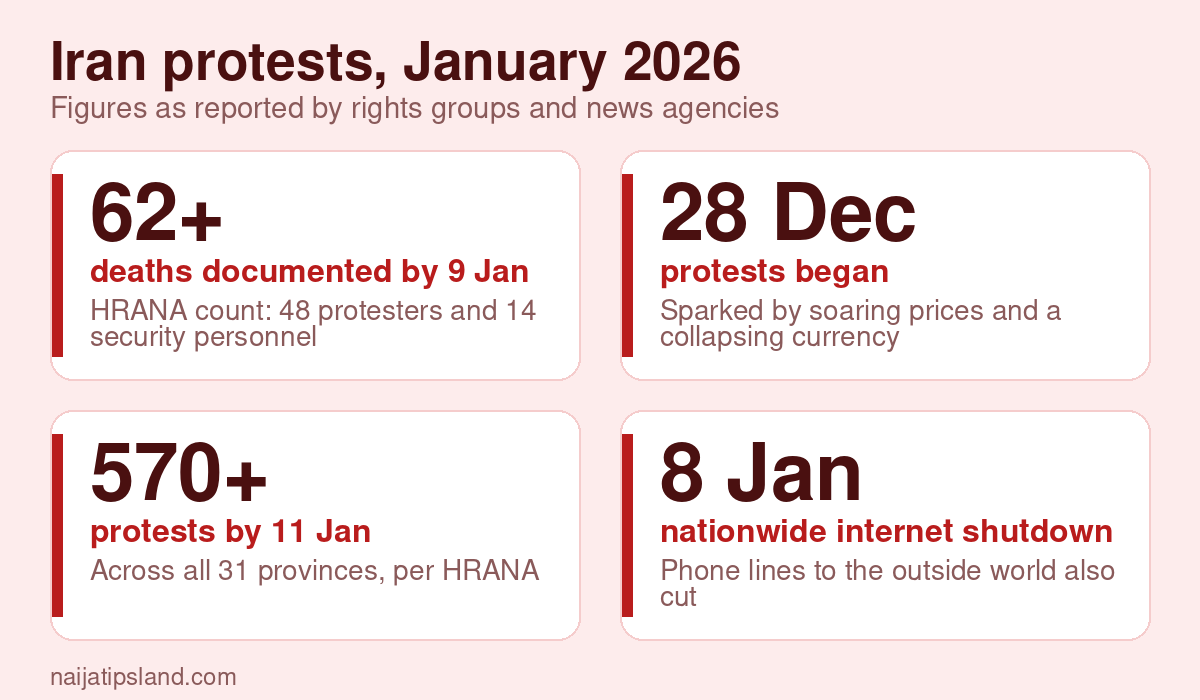
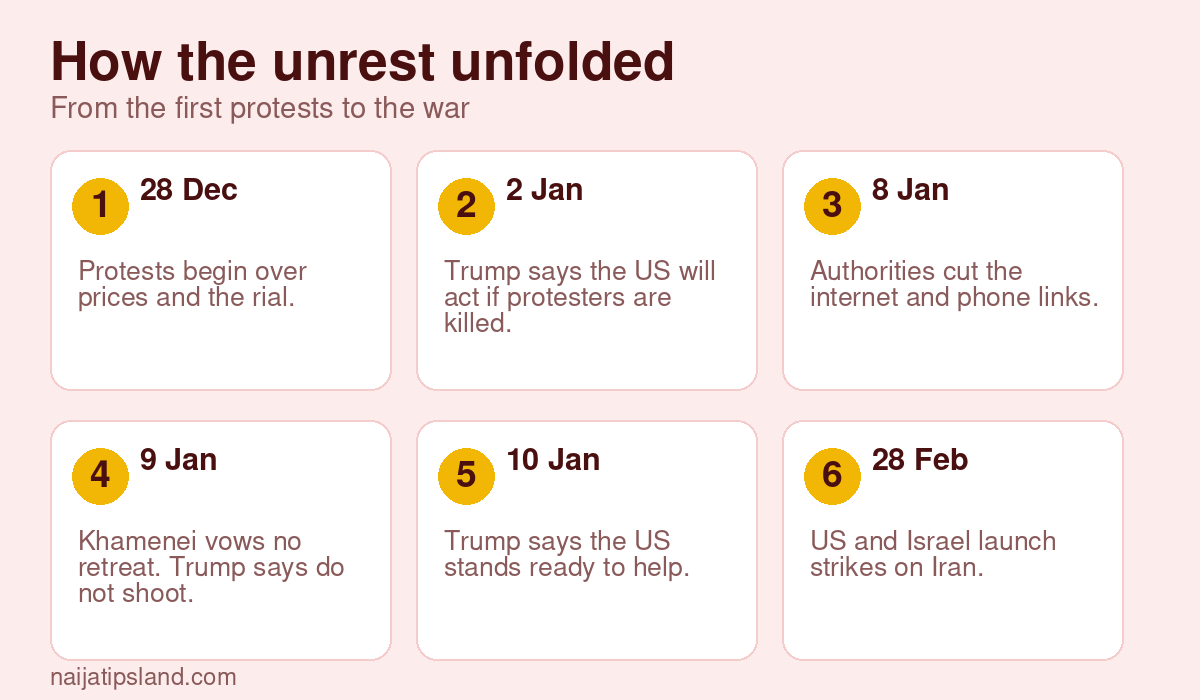
Iran spent the night of Friday 9 January largely in the dark, and not only because of what was happening on the streets. With the internet shut down nationwide and phone calls from abroad failing to connect, the protests that had been building since 28 December carried on mostly out of sight. What the rest of the world saw arrived in scraps: shaky videos from Tehran and Mashhad, a few statements, and the claims and counter-claims of two governments.
What was going on
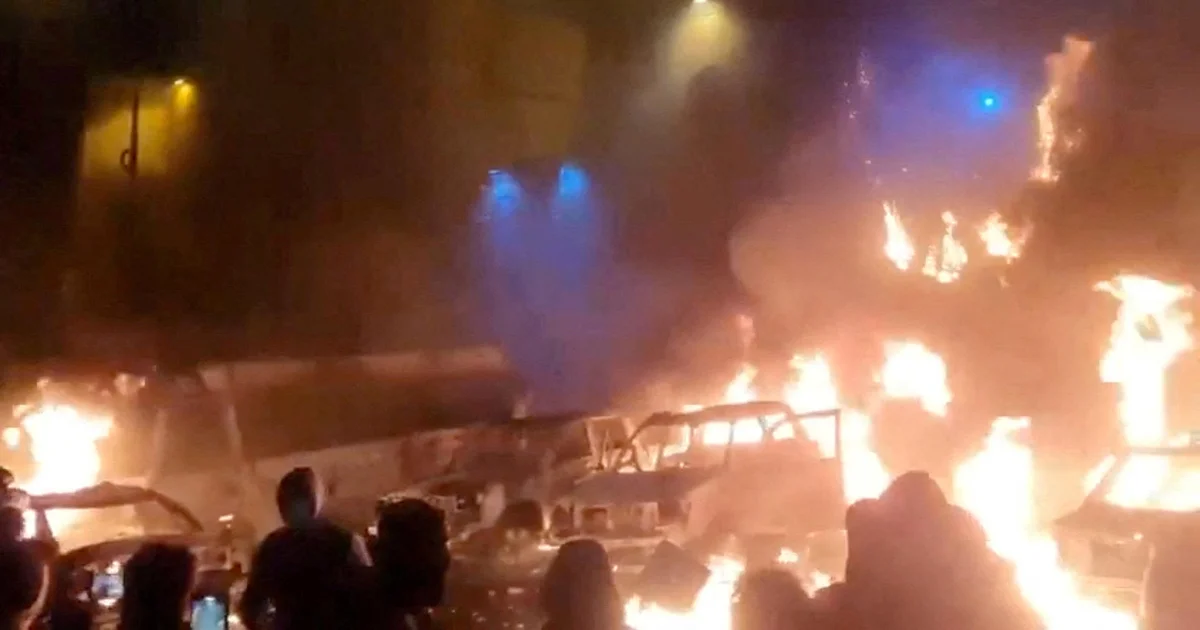
The demonstrations began in late December, driven by soaring prices and a currency in freefall, and they spread quickly. By the second week of January, news agencies were reporting unrest in every province, the biggest wave of protest Iran had seen in about three years. Iranian state television put out its own footage, mostly of burning vehicles, bank branches and a metro station, as evidence of what it called violent subversion.
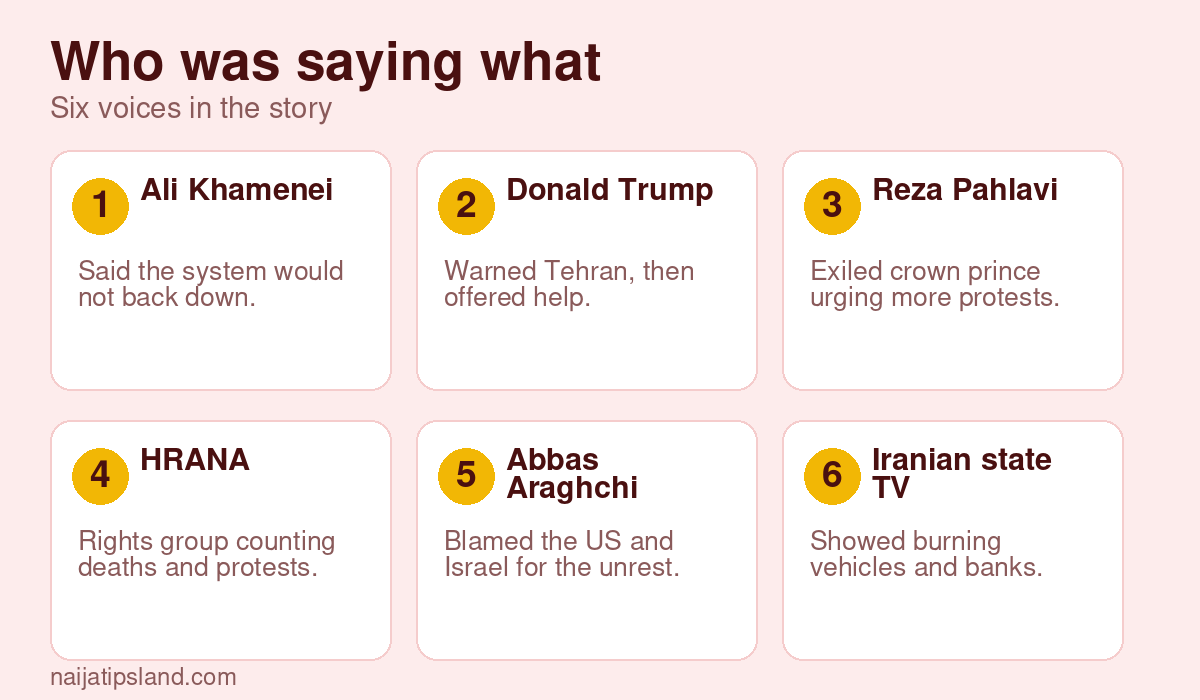
Reza Pahlavi, the exiled son of the last shah, became the most visible opposition voice. He urged people onto the streets at 8 pm on Friday and told Iranians that the eyes of the world were on them. Trump said he was not inclined to meet him, which suggested Washington was still waiting to see how things played out.
The numbers, and why to be careful with them
Nobody could give a clean count, and that was partly the point of the blackout. The Human Rights Activists News Agency (HRANA) said it had documented at least 62 deaths by Friday, among them 48 protesters and 14 members of the security forces. Other outlets running that day quoted lower and higher figures, from about 45 to 65 dead, and reported roughly 2,200 to 2,300 arrests. By 11 January HRANA was counting more than 570 protests across all 31 provinces. Treat every figure as provisional, because they came from groups working with almost no communication in or out of the country.
Washington and Tehran trade warnings
Trump, who had bombed Iran the previous summer and warned on 2 January that the US could come to the protesters’ aid, was blunt on Friday: “You better not start shooting because we’ll start shooting too.” The next night he posted on Truth Social that the USA “stands ready to help”, without saying how.
Supreme Leader Ali Khamenei, speaking publicly for the first time since the protests began, said the Islamic Republic would not back down. He accused the demonstrators of acting for foreign powers and blamed Trump for the unrest. Foreign Minister Abbas Araghchi accused the United States and Israel of trying to destabilise Iran, and Iran’s parliament speaker later warned that US forces and Israel would be legitimate targets if America attacked. Authorities also threatened the death penalty for people accused of sabotage or arson.
What happened next
The standoff did not stay a protest story. On 28 February the United States and Israel launched a war on Iran, and Khamenei was killed in the opening strikes. On 8 March Iran’s Assembly of Experts named his son, Mojtaba Khamenei, as his successor. We cover those events in our reports on Israel’s first strikes on Iran’s oil facilities and Trump’s warning about Iran’s next leader.
Why this matters to Nigerians
Iran is far from Lagos, but the conflict reaches Nigerian pockets through oil. Crude prices climbed during the war, and Brent was reported near $107 a barrel in September, which fed into pump prices at home. Our guides on the role of oil in Nigeria and the fuel subsidy debate explain the link.
Sources
- Aaj News: Trump issues fresh warning to Iran amid deadly protests
- News On AIR: Iran protests continue amid internet blackout
- Liga.net: Internet cut off and flights cancelled in Iran amid protests
- People Daily: Iran protesters tell of brutal police response
- Al Jazeera: Trump vows control over Iran leader as death toll of US soldiers rises
- CBS News: the original report this story was first based on