

TL;DR:
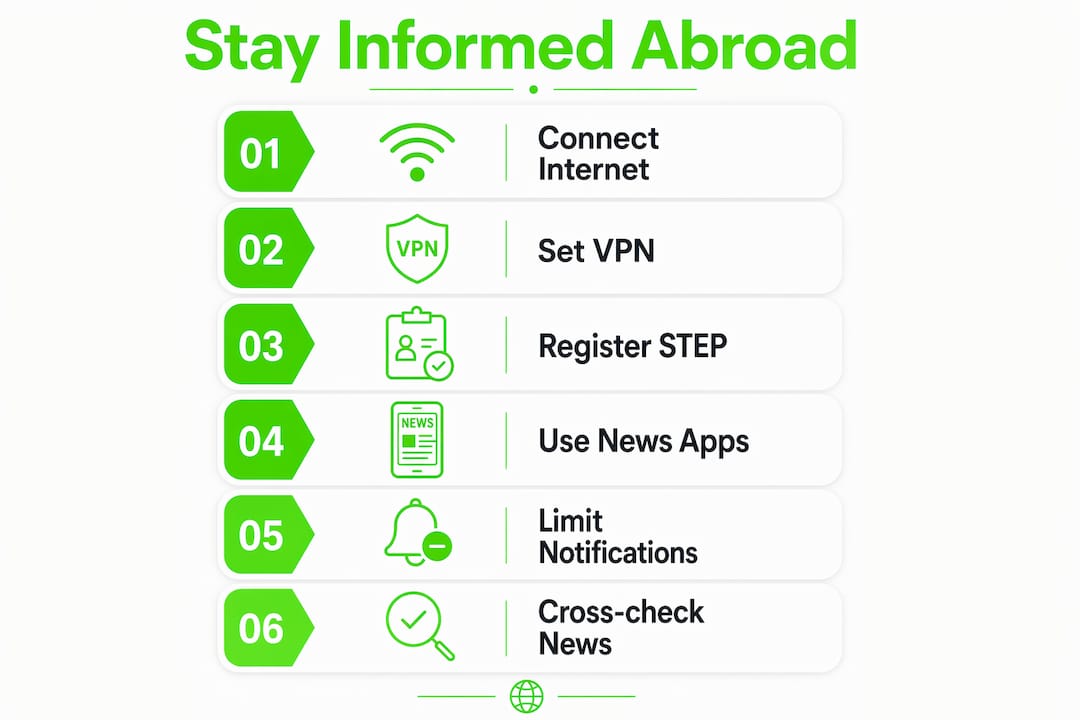
- Staying informed abroad involves using trustful sources, official alerts, and digital tools for daily news access.
- A reliable internet connection and proper device setup are essential for streaming, updates, and accessing content from Nigeria.
Staying informed abroad is defined as using a structured routine of trusted sources, official alert services, and digital tools to maintain consistent access to news from your home country and host nation. For Nigerians living overseas, this means combining programs like the U.S. State Department’s Smart Traveler Enrollment Program (STEP) with curated Nigerian news apps, VPNs, and daily reading habits. The step by step staying informed abroad approach covered here removes the guesswork and gives you a repeatable system that works whether you are in London, Houston, or Dubai. Naijatipsland has put together this guide specifically for Nigerians abroad and young adults who need reliable, low-stress access to Nigerian and African news every day.
What foundational tools do you need before setting up your news routine abroad?
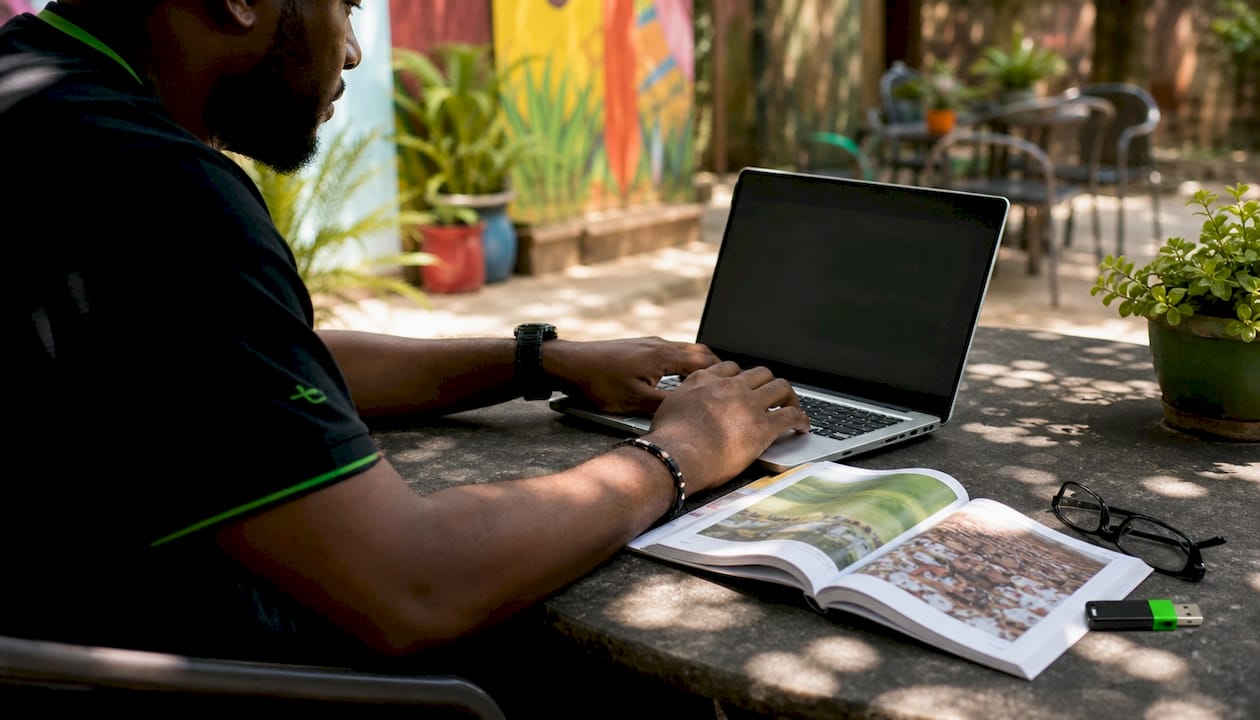
A reliable internet connection is the single most important prerequisite for keeping updated overseas. Stable, high-speed internet is required for live news streaming and real-time updates. Without it, even the best apps buffer, delay, or fail to load entirely.
Your device setup matters just as much as your connection. A smartphone handles most news apps well, but a laptop gives you better access to full news websites, RSS readers, and VPN configuration panels. Pick whichever device you use most and configure it fully before you travel or settle in.
Three digital accounts form the backbone of your news system:
- Email account: Required for STEP registration, newsletter subscriptions, and app sign-ups.
- VPN account: Needed to bypass geo-restrictions on Nigerian and African content. Budget roughly $11–$23 USD per month for a reputable service.
- News aggregator or RSS reader account: Free tools like Feedly or Inoreader let you pull feeds from multiple Nigerian outlets into one place.
| Tool | Purpose | Estimated Setup Time |
|---|---|---|
| Reliable Wi-Fi or mobile data plan | Stream and browse news without interruption | Immediate on arrival |
| VPN subscription | Bypass geo-blocks on Nigerian content | 10–15 minutes |
| News aggregator account | Centralize multiple Nigerian news feeds | 15–20 minutes |
| Email account | Receive STEP alerts and newsletters | 5 minutes |
| Smartphone or laptop | Access apps and full news websites | Already owned |
Pro Tip: Set up your VPN and news aggregator accounts before you leave Nigeria. Configuring them on familiar networks is faster and avoids the frustration of doing it on a slow or restricted foreign connection.
How do you register and use the Smart Traveler Enrollment Program (STEP)?
STEP is a free service from the U.S. Department of State that sends security alerts, emergency notifications, and consular updates directly to your email. It is the most direct official channel for safety information when you are abroad. Non-U.S. citizens traveling through or living in the U.S. can also benefit from understanding equivalent programs offered by their own embassies.
STEP registration takes 2–5 minutes per trip, with initial account setup taking about 5 minutes total. That small time investment gives you access to alerts that could affect your safety, travel plans, or legal status in your host country.
Follow these steps to register:
- Create your account. Go to step.state.gov and click “Create an Account.” Enter your name, email address, and a secure password.
- Add your trip or residence. Click “Add a Trip” and enter your destination country, travel dates, and local address or accommodation details.
- Select your nearest embassy or consulate. The system automatically assigns the closest U.S. embassy, which will send you relevant local alerts.
- Confirm your contact details. Verify your email address so alerts reach your inbox, not your spam folder.
- Update your information for each new trip. Each destination requires a separate entry. Keeping your details current means alerts stay relevant to where you actually are.
Pro Tip: Add a secondary email address during registration. If your primary inbox gets flooded, critical safety alerts will still reach you through the backup.
Combining official advisories with local news in your host country’s language gives you a fuller picture of any situation. STEP alerts tell you what the government knows. Local news tells you what people on the ground are experiencing.
Which digital platforms best deliver Nigerian and African news overseas?
Nigerian news apps with push notifications are your fastest source of breaking updates. Enable notifications for at least two outlets so you catch stories that one source might miss or delay. Setting your Google News location filter to Nigeria or a specific African country surfaces regionally relevant stories that the default algorithm would otherwise bury.
Curated news aggregators and RSS feeds filter out algorithmic noise and keep only the sources you trust visible. This is the method experienced expats rely on most. An RSS reader like Feedly lets you subscribe to feeds from multiple Nigerian outlets and read everything in one clean interface.
A VPN is non-negotiable for accessing geo-restricted Nigerian content. Many Nigerian broadcasters and streaming platforms block foreign IP addresses. A VPN routes your connection through a Nigerian server, making your device appear to be browsing from Lagos or Abuja.
- Nigerian news apps: Enable push notifications for at least two outlets covering politics, business, and entertainment.
- Google News: Set your location to Nigeria and follow topics like “Nigerian politics,” “Naira exchange rate,” and “ECOWAS.”
- RSS aggregator: Subscribe to feeds from your preferred Nigerian outlets and check them once daily.
- VPN: Choose a provider with servers in Nigeria. Expect to pay $11–$23 USD monthly for reliable service.
- Social media lists: Create private Twitter/X lists of verified Nigerian journalists and institutions to separate signal from noise.
Understanding how local media relations work helps you evaluate which outlets have strong editorial standards and which ones amplify unverified claims. Not all Nigerian news sources carry the same level of accountability. Knowing how newsrooms operate helps you pick the right ones to follow.
For a deeper look at why structured sources outperform informal social updates, Naijatipsland’s guide on Nigerian news reliability is worth reading before you finalize your source list.
What daily and weekly habits keep you consistently informed without burning out?
Dedicating 15–20 minutes each morning to a structured news scan is the most effective habit for expats. That window is long enough to catch major stories but short enough to prevent the anxiety that comes from consuming news all day. Treat it like a fixed appointment, not a casual scroll.
Balancing Nigerian and African news with local host-country news is equally important. Your host country’s news affects your daily life directly, from transport strikes to policy changes that impact your visa or employment. Allocate roughly half your daily reading time to each.
- Morning (10 minutes): Check your RSS aggregator for overnight Nigerian news. Scan headlines only unless a story requires full reading.
- Morning (5–10 minutes): Check one local host-country news source for anything that affects your day.
- Evening (optional, 5 minutes): Review any push notifications you received and clear irrelevant alerts.
- Weekly (15 minutes): Review your source list. Remove outlets that repeatedly publish unverified stories. Add new ones recommended by trusted contacts.
Pro Tip: Turn off all news notifications except breaking alerts from your two most trusted Nigerian outlets. Constant pings from multiple apps create noise that makes you less informed, not more. Batch your reading instead.
Misinformation spreads fastest on WhatsApp groups and Facebook pages. Before sharing or acting on a story, cross-reference multiple sources including at least one international outlet covering Nigeria. If only one source carries a dramatic claim, treat it as unverified until confirmed.
How do you troubleshoot geo-blocking, app failures, and information overload?
Geo-blocking is the most common technical barrier for Nigerians abroad trying to access home content. The fix is specific: VPN servers must be physically located within Nigeria to reliably unblock Nigerian content. A server in the UK or US will not work for a Nigerian broadcaster that checks for Nigerian IP addresses specifically.
Follow these steps when content is blocked or an app stops working:
- Switch your VPN server to a Nigerian city. Lagos and Abuja servers are most commonly available. Connect, then reload the page or app.
- Clear your browser cache. Cached data from your foreign location can persist even after a VPN connects. Clearing it forces the site to recognize your new IP.
- Update the app. Outdated versions of Nigerian news apps frequently lose functionality. Check your app store for pending updates.
- Check your internet connection speed. Slow connections cause buffering and failed loads that look like geo-blocks but are not. Run a speed test first before assuming the issue is geographic.
- Switch networks. Some hotel or workplace Wi-Fi networks block VPN traffic entirely. Switch to mobile data if your VPN fails on a fixed network.
Fragmented information and regional censorship make it genuinely difficult to access timely, reliable updates from abroad. The solution is not to consume more sources but to curate fewer, better ones. Trusted, well-edited outlets reduce anxiety and give you the context to make sound decisions, rather than reacting to every unverified claim that surfaces in a group chat.
When information overload hits, the answer is subtraction, not addition. Remove three low-quality sources from your aggregator. Reduce push notifications to breaking news only. Set a hard stop on your morning news window. These three actions alone restore clarity faster than any app or tool.
Key Takeaways
Staying informed abroad requires a structured system combining official alert enrollment, curated digital sources, a VPN, and a fixed daily reading habit of 15–20 minutes.
| Point | Details |
|---|---|
| Register for STEP | Takes 2–5 minutes per trip and delivers direct safety alerts from the nearest consulate. |
| Use a VPN with Nigerian servers | Costs $11–$23 USD monthly and reliably bypasses geo-blocks on Nigerian content. |
| Build a curated RSS feed | Aggregators filter noise and surface only trusted Nigerian and African outlets. |
| Limit daily news time | A 15–20 minute morning routine prevents burnout while keeping you fully updated. |
| Cross-reference before sharing | Verify dramatic claims across multiple sources to avoid spreading misinformation. |
Naijatipsland’s take on staying connected as a Nigerian abroad
The biggest mistake Nigerians abroad make is treating news consumption as passive. They open WhatsApp, scroll through a group chat, and assume they are informed. They are not. They are exposed to a curated slice of whatever their contacts found alarming or entertaining that morning.
Building a real news habit means choosing your sources deliberately, the same way you choose who to trust for advice. I have seen readers who follow 20 Nigerian outlets and still miss major policy changes because none of those outlets covered the story with depth. Fewer, better sources beat more, weaker ones every time.
The dual news ecosystem challenge is real. You genuinely need to track both Nigerian affairs and your host country’s news. But the solution is not two separate hour-long routines. It is one tight 20-minute window split between both. That discipline compounds over months. After six months of consistent daily reading, you will understand Nigerian politics, your host country’s economy, and the African regional context better than most people who live in Nigeria full time.
One thing most guides skip: review your source list every month. Outlets change ownership, editorial standards shift, and new credible voices emerge. A source that was reliable in 2024 may have deteriorated by 2026. Treat your news diet like a subscription you audit, not a habit you set and forget.
— Naijatipsland
Naijatipsland keeps you connected to Nigerian news and culture
Nigerians abroad need more than headlines. They need context, cultural grounding, and analysis that speaks directly to their experience.
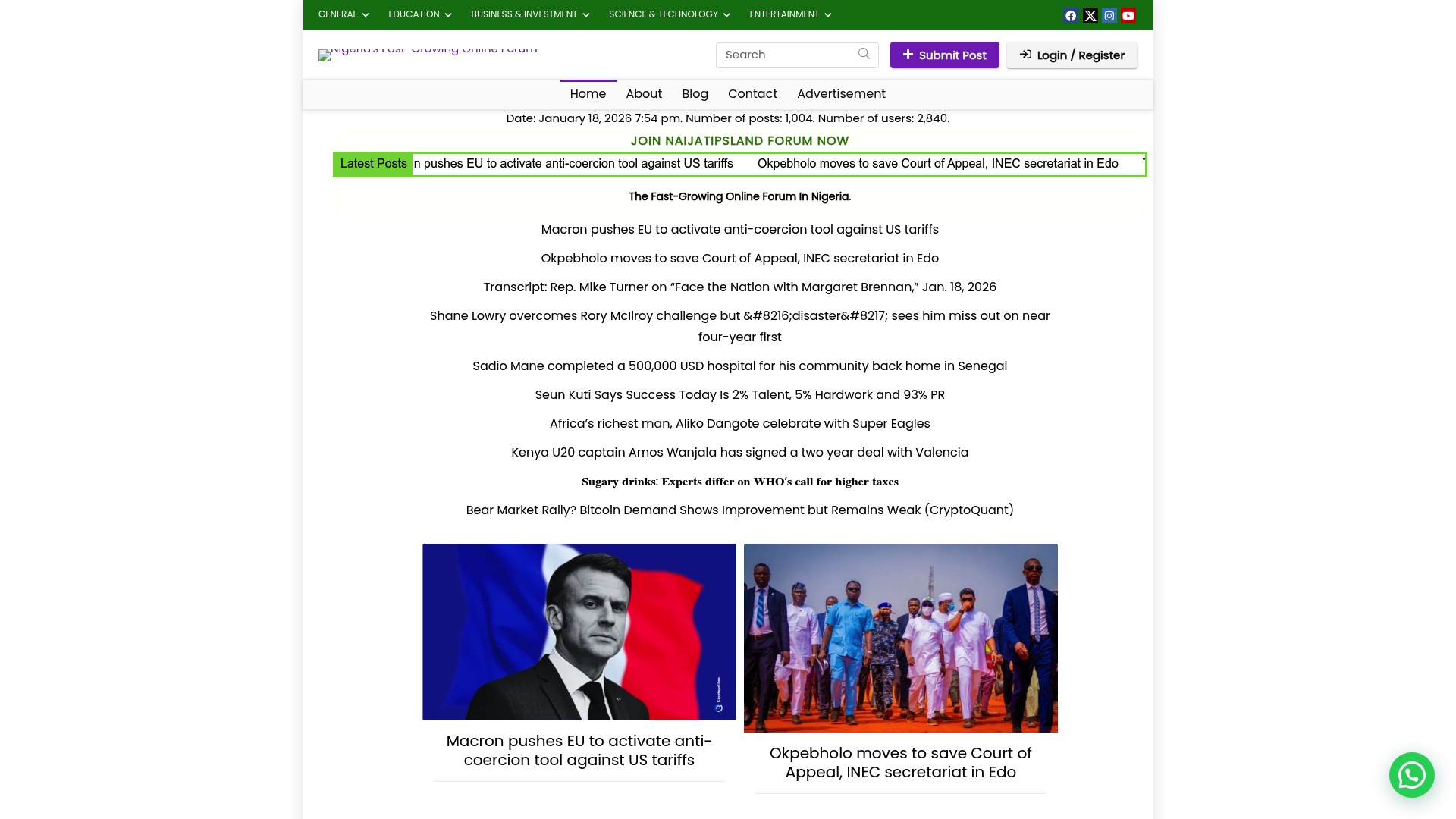
Naijatipsland covers Nigerian current affairs, entertainment, politics, and African regional news in one place, written for readers who care about what is actually happening back home. Whether you want to understand what current affairs means for Nigeria or follow the stories shaping the continent in 2026, Naijatipsland gives you the depth and frequency that generic international outlets do not. Explore top current affairs topics impacting Nigeria right now and stay genuinely connected, not just occasionally updated.
FAQ
What is the Smart Traveler Enrollment Program (STEP)?
STEP is a free U.S. State Department service that sends security alerts and emergency notifications to travelers and expats registered in a specific country. Registration takes 2–5 minutes per trip at step.state.gov.
How much does a VPN cost for accessing Nigerian news abroad?
A VPN subscription for bypassing geo-restrictions costs roughly $11–$23 USD per month, depending on the provider and plan. Always select a server physically located in Nigeria for reliable access to Nigerian content.
How do I avoid misinformation while keeping updated overseas?
Cross-reference any dramatic claim across at least two independent outlets, including one international source covering Nigeria. If only one source carries the story, treat it as unverified until confirmed.
How long should I spend on news each day as an expat?
Experts recommend 15–20 minutes each morning for a structured news scan. That window covers major Nigerian and local host-country stories without causing information fatigue.
What is the best way to organize Nigerian news sources abroad?
Use an RSS aggregator like Feedly or Inoreader to pull feeds from your chosen Nigerian outlets into one interface. This method, favored by experienced expats, eliminates algorithmic noise and keeps your most trusted sources visible every day.