


TL;DR:
- Step-by-step news verification involves source investigation, evidence checking, and context confirmation to prevent misinformation. Tools like Google Lens, TinEye, and InVID WeVerify enable quick, reliable reverse media searches, especially important in Nigeria’s fast-spreading social media environment. Applying lateral reading and thorough checks helps individuals become active, informed digital detectives without needing professional journalism training.
Step by step news verification is the process of systematically evaluating a news claim through source investigation, evidence checking, and media authentication before accepting or sharing it. In Nigeria’s digital space, where WhatsApp forwards and Twitter posts spread faster than corrections, this process is not optional. It is the difference between informing your community and misleading it. Tools like Google Fact Check Explorer, InVID WeVerify, and TinEye make the process accessible to anyone with a smartphone. This guide walks you through each stage of the news validation process in plain, practical terms.
What tools and skills do you need for step by step news verification?
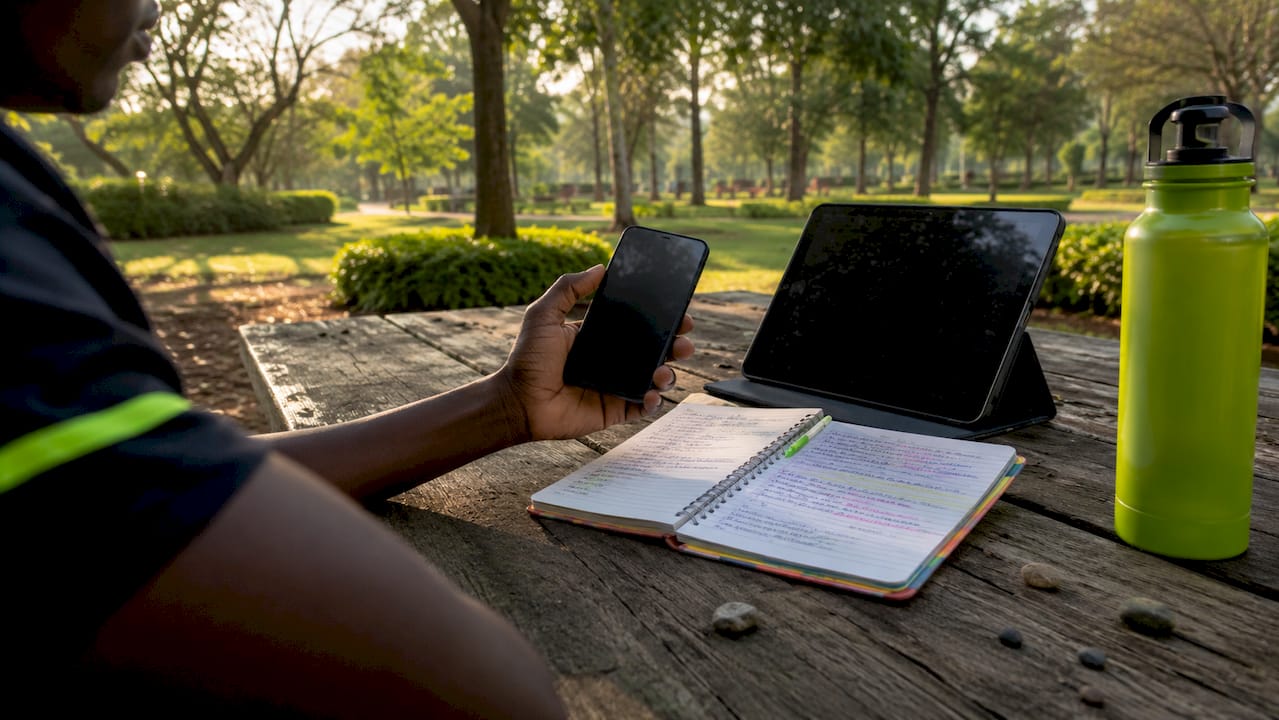
News verification, also called fact-checking, requires a small set of tools and one core mental habit: lateral reading. Lateral reading means leaving the page you are reading and opening new tabs to investigate the source from the outside. It is the single most effective skill professional fact-checkers use, and anyone can learn it in minutes.
Here are the primary tools you need:
- Google Images/Lens: Free, built into Chrome and Android. Use it to reverse-search photos and find earlier appearances.
- TinEye: A dedicated reverse image search engine that tracks the earliest known upload of an image online.
- InVID WeVerify: A browser extension that extracts keyframes from videos and lets you reverse-search each frame individually.
- Google Fact Check Explorer: A database of fact-checks from verified organizations worldwide, searchable by keyword.
- RumorGuard: Developed by AARP, it tracks viral misinformation claims with clear verdicts.
- Wayback Machine: An internet archive that lets you check what a webpage looked like on any past date.
| Tool | Primary Use | Ease of Use |
|---|---|---|
| Google Images/Lens | Reverse image search | Very easy |
| TinEye | Earliest image appearance | Easy |
| InVID WeVerify | Video frame extraction and search | Moderate |
| Google Fact Check Explorer | Keyword-based fact-check lookup | Easy |
| Wayback Machine | Historical webpage snapshots | Easy |
Verification works best when you combine multiple quick, strategic checks rather than relying on a single tool. No single platform catches everything.
Pro Tip: Install InVID WeVerify and Google Lens on your phone before you need them. Searching for tools during a breaking news moment costs you time and increases the chance you share something false.
How does lateral reading help you check news sources effectively?
Lateral reading is defined as the practice of leaving a news page immediately and searching for independent information about the source itself before reading the content. Mike Caulfield, the inventor of the SIFT method (Stop, Investigate, Find better coverage, Trace claims), stresses strategic skepticism: pause when it matters, verify quickly, and gain confidence only after checking the source and context. This avoids both blind trust and blanket cynicism.
Here is the lateral reading workflow adapted for Nigerian digital news:
- Stop before reacting. When you see a claim on WhatsApp, Facebook, or Twitter, pause before forwarding or commenting. Emotional headlines are often designed to trigger a fast reaction.
- Investigate the source off the page. Open a new tab and search the outlet or account name. Look for Wikipedia entries, press freedom ratings, or news articles about the outlet itself. Ask: Is this a known Nigerian publication like Punch, Vanguard, or Channels TV? Or is it an anonymous blog?
- Find independent coverage. Search the core claim on Google News. If three or more credible, unrelated outlets report the same fact, the claim has corroboration. If only one source carries it, treat it with caution.
- Trace the claim to its original context. NPR highlights that misinformation often reuses familiar-looking facts with broken or misleading attribution. Click through to the original statement, document, or press release. Confirm the quote or statistic actually says what the article claims.
- Check the author. Search the journalist’s name. A credible reporter has a track record, a social media presence, and bylines on multiple verified outlets.
Pro Tip: When a Nigerian political story cites “a government source,” search the specific claim plus the minister or agency name. Official government websites and verified social media accounts often publish the original statement you can compare against.
How do you verify images and videos in news stories?
Images and videos are the most commonly manipulated elements in Nigerian social media misinformation. A photo from a 2015 flood gets reshared as 2026 flooding. A video from a protest in another country gets labeled as Lagos. The process of authenticating visual media is called reverse media search, and it follows a clear sequence.
Verifying images step by step
- Right-click the image (or long-press on mobile) and select “Search image with Google Lens” or copy the image URL into TinEye.
- Review the earliest results. Viral images should be verified using at least two reverse image search engines. If Google Lens shows the image first appeared two years ago in a different country, the current claim is misleading until proven otherwise.
- Run the same image through Yandex Images, which often surfaces results that Google misses, especially for images originating in Eastern Europe or Africa.
- Check the image metadata if you have the original file. Tools like Jeffrey’s Exif Viewer reveal the camera model, GPS coordinates, and original capture date.
- Look for signs of AI generation: unnatural hands, distorted text in the background, or blurred edges around faces.
Verifying videos step by step
For viral videos, use InVID WeVerify to extract keyframes, reverse-search them across multiple engines, and analyze metadata including upload date and geolocation. This process identifies recycled or manipulated videos that would otherwise pass a casual viewing.
- Paste the video URL into InVID WeVerify and select “Keyframes.”
- Reverse-search each keyframe using Google Images and TinEye.
- Check the YouTube or Facebook upload date against the claimed event date.
- Search the video title plus the claimed location on Google News to find independent reports.
Screenshots are lossy evidence that lack URLs, timestamps, and editing history. On Nigerian social media, later reposts frequently alter captions, locations, or dates. Always trace back to the earliest original post before treating a screenshot as proof.
Pro Tip: When reverse search results conflict, prioritize the earliest credible source with the richest context. Beware of citation illusions where a linked article does not actually support the headline claim. Open the link and read it.
How do you verify the date and context of a news story?
A claim can be factually accurate and still be misleading if it is presented out of its original time and context. Old footage of a fuel scarcity in 2019 resurfaces every time petrol queues return. A photo of a collapsed building from one state gets shared as news from another. The news accuracy checklist for date and context verification covers these specific traps.
- Search the claim plus a date range. Use Google’s “Tools” filter to restrict results to the past week or month. If the story only appears in older results, it is likely recycled content.
- Check the Wayback Machine. If a website published a story, the Wayback Machine at archive.org can show you when the page first appeared and whether it has been edited since.
- Look for context clues in the image or video itself. Visible signage, vehicle license plates, clothing styles, and seasonal vegetation can help place a visual in time and location.
- Require independent corroboration for timing. Always check the date and context before concluding a claim is happening now. If the date or location cannot be confirmed by independent reporting, delay sharing or clearly state the uncertainty.
- Cross-check official statements. For Nigerian election and security news, cross-checking official statements and independent corroboration using OSINT techniques is the standard professional approach. You can apply the same logic by checking INEC’s official website or verified security agency accounts.
| Checkpoint | What to look for |
|---|---|
| Publication date | Is the article dated? Does the date match the claimed event? |
| Image/video metadata | Does the capture date align with the story? |
| Independent corroboration | Do other outlets report the same event at the same time? |
| Official source confirmation | Does any government or institutional body confirm the claim? |
| Wayback Machine check | Has the article been altered since first publication? |
Pro Tip: Paste the headline into Google with quotation marks and add a year range. If the same headline appeared in 2021, you are looking at recycled content.
Common mistakes to avoid and your final verification checklist
Most misinformation spreads not because people are careless but because they skip one or two steps under time pressure. These are the most frequent errors in the news validation process:
- Relying on a single source. One outlet confirming a claim is not corroboration. Seek at least two independent reports.
- Ignoring source bias. A story can be factually accurate but selectively framed. Check whether the outlet has a known political or commercial bias before treating its framing as neutral.
- Trusting screenshots as primary evidence. Screenshots can be edited in seconds. Always trace back to the original post or article.
- Skipping date verification. This is the most common error in Nigerian social media sharing. Assume nothing is current until you confirm the date.
- Falling for citation illusions. A story that links to a government report does not automatically reflect what that report says. Read the linked source yourself.
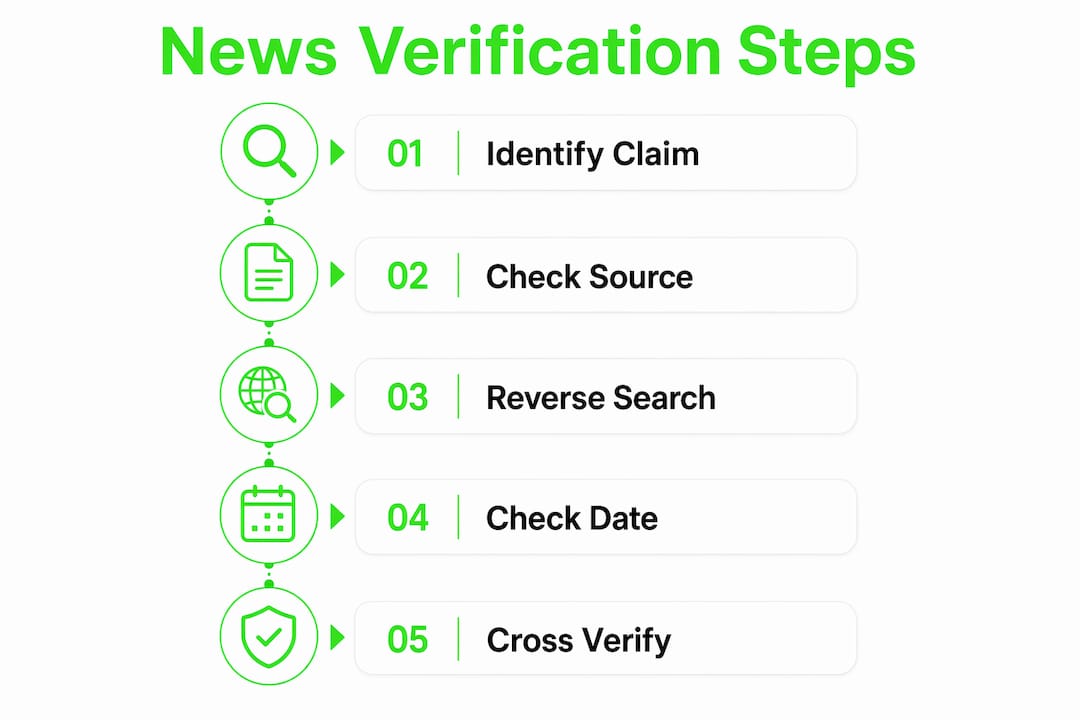
The 5-checkpoint gate is a structured mindset for evaluating any headline, caption, or post: define the exact claim, trace its origin, inspect the evidence, assess source bias, and confirm citations. Failure at any checkpoint means you withhold full trust until the gap is filled.
Your final verification checklist:
- Identify the exact claim being made.
- Trace the claim to its original source.
- Verify the source’s credibility using lateral reading.
- Authenticate any images or videos using reverse search tools.
- Confirm the date and context using independent reporting and the Wayback Machine.
- Check citations by opening and reading linked materials.
- Assess source bias before accepting the framing.
Pro Tip: Save this checklist as a note on your phone. The next time a viral story lands in your WhatsApp group, run through it before you forward anything. It takes under five minutes for most stories.
Key takeaways
Accurate news verification requires combining lateral reading, reverse media search, and date-context confirmation as a repeatable process rather than a one-time check.
| Point | Details |
|---|---|
| Lateral reading is the core skill | Leave the page immediately and investigate the source from outside before reading the content. |
| Use multiple tools for images and videos | Google Lens, TinEye, and InVID WeVerify together catch what any single tool misses. |
| Screenshots are unreliable evidence | Always trace back to the original post or article before treating a screenshot as proof. |
| Date and context matter as much as the claim | Old footage reshared during new crises is one of the most common forms of Nigerian social media misinformation. |
| The 5-checkpoint gate prevents trust errors | Define the claim, trace its origin, inspect evidence, assess bias, and confirm citations before sharing. |
Why Naijatipsland believes every young Nigerian can become a digital detective
Naijatipsland has watched misinformation move through Nigerian social media at a speed that outpaces corrections by hours, sometimes days. The pattern is consistent: a dramatic claim, a screenshot without a source, a wave of shares, and then silence when the story falls apart. The damage is already done by then.
What strikes Naijatipsland most is that the tools to stop this are free and already on your phone. The gap is not access. It is habit. Most young Nigerians who learn lateral reading once apply it instinctively from that point forward. The same is true for reverse image search. These are not complicated skills. They are repeatable actions that take less time than writing a comment.
The deeper issue is that professional fact-checking prioritizes provenance and sourcing quality, not just claim accuracy. Misinformation can misuse credible facts. That means even a story built on real data can mislead if the framing is dishonest. Recognizing that distinction is what separates a passive news consumer from an active, informed one.
Naijatipsland’s position is direct: you do not need to be a journalist to verify news. You need a process, a few tools, and the discipline to pause before you share. If you want to go deeper on spotting fake news in Nigeria, the resources are there. Use them.
— Naijatipsland
Stay informed and verified with Naijatipsland
Naijatipsland is built for Nigerians who want to stay connected to real, relevant news without being misled by the noise. Whether you are tracking political developments, entertainment updates, or community stories, the platform gives you a space to read, discuss, and share responsibly.
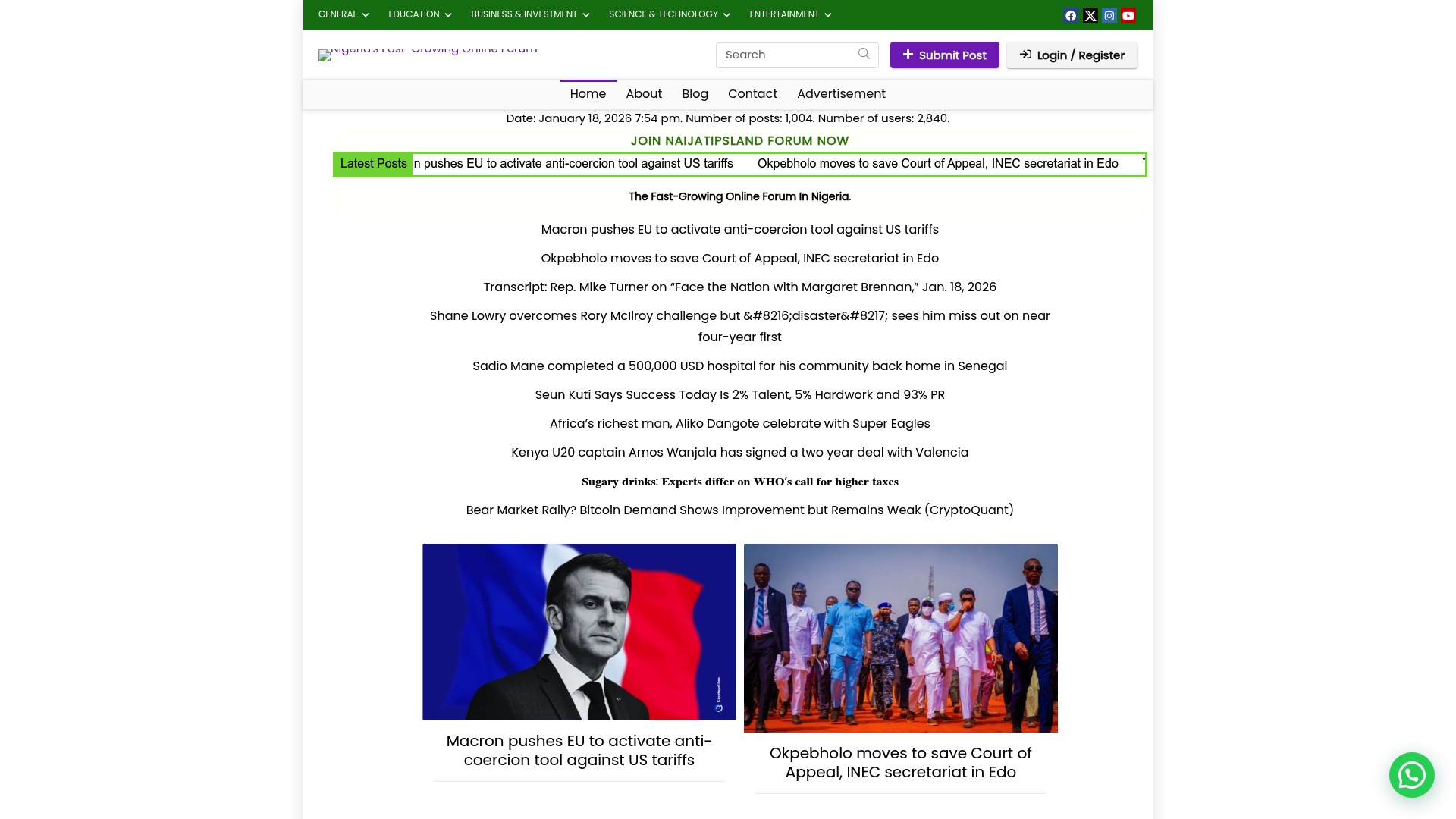
If you want to go further than reading, Naijatipsland has guides on how to follow Nigerian news without falling into misinformation traps, and a full walkthrough on submitting a news tip the right way. For Nigerians who want to engage meaningfully with current affairs, understanding why discussing topical issues matters is the next step. Verified information is only valuable when it drives informed conversation.
FAQ
What is step by step news verification?
Step by step news verification is the structured process of evaluating a news claim through source investigation, evidence authentication, and date-context confirmation before accepting or sharing it. It applies lateral reading, reverse image search, and citation checking as sequential steps.
How do I verify news sources quickly on my phone?
Search the outlet name on Google alongside words like “bias,” “credibility,” or “review.” Then open Google Lens to reverse-search any images in the story. Both steps take under two minutes on any smartphone.
What is lateral reading and why does it matter?
Lateral reading means leaving the news page and opening new tabs to investigate the source from the outside. Mike Caulfield’s SIFT method is built on this approach because it is faster and more reliable than reading the article itself to judge its credibility.
Why are screenshots unreliable for verifying news?
Screenshots lack URLs, timestamps, and editing history, making them easy to manipulate. Screenshots are lossy evidence on Nigerian social media because reposts frequently alter captions, locations, or dates from the original.
Which tool is best for verifying viral videos in Nigeria?
InVID WeVerify is the most effective tool for video verification. It extracts individual keyframes from a video and lets you reverse-search each one, while also revealing upload metadata like date and geolocation that confirm or contradict the claimed context.