


TL;DR:
- Citizen journalists in Nigeria can amplify important local stories with proper preparation and ethical standards.
- Following platform-specific guidelines, verifying facts, and engaging in feedback improves chances of publication.
- Authentic stories from diverse Nigerian communities are vital for credible online media and societal accountability.
You have a story that matters. Maybe it’s about a landlord cutting off water supply to an entire compound in Lagos, or a local government official misusing public funds in Kano. You know what happened, you have the facts, and yet the story dies with you because you don’t know exactly how to get it out there. That silence is costly. Nigerian citizen journalism thrives when real people share real events, and platforms built for community discussion need your voice. This guide walks you through everything, from preparation to post-submission, so your story reaches the people who need to hear it.
Table of Contents
- What you need before you begin
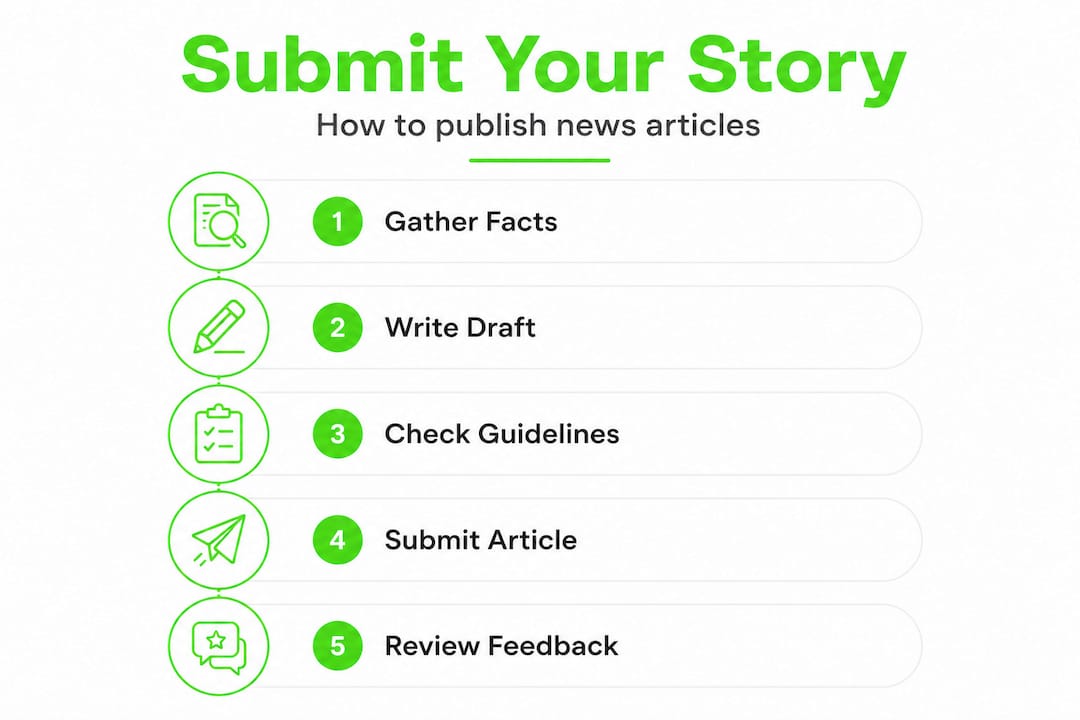
- Step-by-step: How to submit your news article
- Meeting editorial standards and guidelines
- What happens after you submit? Troubleshooting and next steps
- What most guides miss about empowering Nigerian citizen journalists
- Ready to share your story? Join Nigeria’s news conversation
- Frequently asked questions
Key Takeaways
| Point | Details |
|---|---|
| Prepare essentials | Gather your story idea, device, and supporting evidence before submitting your news article. |
| Follow guidelines closely | Read and align with editorial standards to increase the likelihood of your article being accepted. |
| Submit stepwise | Use a structured checklist to move smoothly from draft to submission for maximum clarity. |
| Respond to feedback | Embrace suggestions from reviewers to enhance your reporting and build credibility as a contributor. |
| Empower community discussion | Your submitted articles play a vital role in fostering conversation and change within the Nigerian community. |
What you need before you begin
Before you type a single word of your news article, you need to get a few things in order. Think of this the way a builder thinks about a foundation. Without the right groundwork, the structure won’t stand.
Here are the basic tools and materials every contributor needs:
- A reliable internet connection: Mobile data works, but Wi-Fi is more stable for uploading images or long-form content.
- A device: Your smartphone is enough. A laptop or tablet makes editing easier, but it’s not required.
- A clear, newsworthy story idea: Your story should be timely, factual, and relevant to a Nigerian audience.
- Supporting evidence: Photos, screenshots, eyewitness accounts, official documents, or verified social media posts all strengthen your story.
- A registered account: Most community platforms require you to sign up before submitting. Keep your login credentials safe.
- An understanding of basic ethical standards: Avoid plagiarism, always attribute quotes, and never publish unverified rumors as fact.
Knowing what writing strong news articles requires in the Nigerian context will save you a lot of back-and-forth with editors. Ethical reporting and factual accuracy are the two pillars every submission stands on.
| Requirement | Details |
|---|---|
| Device | Smartphone, laptop, or tablet |
| Internet | Stable connection for uploads |
| Account | Registered username and password |
| Story idea | Verified, timely, community-relevant |
| Evidence | Photos, quotes, documents, screenshots |
| Format awareness | Plain text, proper grammar, no plagiarism |
Nigerian-specific considerations matter here. Your story should connect with what your readers actually care about, whether that’s rising fuel prices, flooding in their street, or a local government school without teachers. Relevance is what separates a published article from one that gets ignored during review.
Pro Tip: Create a separate email account specifically for your news submissions. This helps you track responses, approvals, and feedback without losing important messages in your personal inbox.
Step-by-step: How to submit your news article
With your materials and approach ready, you can now move step-by-step through the submission process. This is where preparation becomes action.
Draft your article first. Write your full story before opening any submission form. Use a simple document app on your phone or computer. Focus on the who, what, when, where, and why of your story.
Structure your article properly. Start with a strong headline that captures the core of your story. Follow it with a clear opening paragraph that answers the most important questions immediately. Keep subsequent paragraphs short and factual.
Proofread and fact-check. Read through your article at least twice. Confirm all names, dates, and figures are accurate. Remove emotional language that could come across as bias or opinion rather than reporting.
Prepare supporting materials. If your platform allows image uploads, resize photos to meet their requirements. Label your images clearly with captions that describe what is shown.
Log in to your platform account. Navigate to the submission section of the platform. On community news forums, this is often labeled “Submit a Post,” “Share a Story,” or “Contribute.”
Fill in all required fields. This typically includes your headline, category (politics, sports, entertainment, local news, etc.), body text, and any tags that help readers find your article.
Attach supporting evidence. Upload your photos or paste links to verified sources within the text. Make sure any links you include are still active.
Review your submission one final time. Check the headline, the body, and all attachments before clicking submit. Once submitted, you may not be able to edit the content until a moderator reviews it.
Click submit and note the confirmation. Most platforms send a confirmation email or display a message confirming your submission. Save this for reference.
Follow up if needed. If you don’t hear back within the expected timeframe, reach out through the platform’s contact or support channel.
Staying informed about staying updated in Nigeria helps you identify story angles that resonate with Nigerian readers. The strongest submissions often come from contributors who already stay plugged into national and local conversations.
| Platform type | Submission method | Review time | Community interaction |
|---|---|---|---|
| Online news forums | Web form or post button | 1 to 3 days | Comments, shares, reactions |
| News blogs | Email or contact form | 3 to 7 days | Limited comments |
| Social media groups | Direct post or admin approval | Hours to 1 day | High interaction |
| Dedicated platforms | Registered account submission | 1 to 5 days | Structured discussion |
If you’re considering building your own space for reporting, learning about starting a news blog can give you more control over what you publish and when.
Pro Tip: Always check the submission guidelines specific to the platform you’re targeting before hitting send. Guidelines differ across platforms, and ignoring them is the fastest way to get your article rejected before it’s even read.
Meeting editorial standards and guidelines
Knowing how to submit is one part. The other is understanding the checks your article will face before it goes live. Every community platform has a review process, and understanding that process helps you write articles that pass through it cleanly.
Here are the most common editorial criteria platforms use to evaluate submissions:
- Relevance: Does the story matter to the target community? A news article about a broken traffic light in Abuja is relevant to Abuja residents but needs a broader angle to matter nationally.
- Clarity: Is the story easy to understand? Avoid jargon, complex sentence structures, and unnecessary technical language.
- Accuracy: Are all facts verified? Unverified claims, even if written with good intentions, can damage the credibility of both the writer and the platform.
- Community impact: Does the story affect readers in a meaningful way? Stories that inform people about issues that affect their health, safety, finances, or rights tend to rank higher in editorial consideration.
- Originality: Is this a story that hasn’t been told yet, or does it bring a new angle to an ongoing issue?
Understanding news moderation standards and how moderators evaluate content will help you anticipate what reviewers are looking for before your article reaches them.
Here’s a practical example. Imagine you write an article titled “NEPA is stealing from us!” The content is emotionally charged, uses unverified figures about electricity billing, and names individuals without evidence. This article would likely fail moderation. The fix? Rewrite the headline to “Residents in [area] report unexplained electricity surcharges,” verify the billing figures through official statements or receipts from affected residents, and remove or properly attribute all named sources.
“Responsible reporting means presenting facts with context, accuracy, and fairness. Every story you publish is a reflection of your credibility and a service to your community. Report truth, not assumption.”
The role of news forums in Nigerian digital media is growing fast. When contributors meet editorial standards consistently, they help raise the quality of Nigeria’s online news forums as a whole, making these spaces more credible and more trusted by readers over time.
What happens after you submit? Troubleshooting and next steps
After your article is submitted, it’s important to watch for feedback and understand what comes next. The wait can be frustrating, especially when you feel your story is urgent. Knowing what to expect makes the process less stressful.

Most platforms follow a similar review flow. Your article enters a moderation queue, where a team or individual moderator checks it against their editorial guidelines. If it passes, it gets published, often within one to five business days. If it needs changes, you’ll receive specific feedback explaining what to adjust.
Common reasons articles get rejected include:
- Inaccurate or unverified claims: Facts stated without sources or evidence.
- Plagiarism: Content copied from another source without proper attribution.
- Violation of community standards: Content that includes hate speech, personal attacks, or inflammatory language.
- Poor structure or clarity: Articles that are difficult to follow or lack a coherent narrative.
- Irrelevance: Stories that don’t connect with the platform’s audience or focus area.
- Broken links or missing attachments: Supporting evidence that wasn’t attached correctly.
For each of these issues, the fix is straightforward. For inaccurate claims, source your information clearly. For plagiarism, rewrite in your own words and credit original sources. For poor structure, revisit your opening paragraph and reorganize your points logically. Knowing how online content moderation works in Nigeria helps you understand why platforms have these rules and why following them benefits everyone.
Pro Tip: When you receive reviewer feedback, treat it as a learning tool. Reply professionally, make the requested changes promptly, and resubmit with a brief note explaining what you corrected. Reviewers are far more likely to approve a revised article when the contributor shows they engaged with the feedback seriously.
Don’t stop at one submission. Joining news forums connects you with other contributors who can share platform-specific tips, give peer feedback on your drafts, and introduce you to new audiences. Community is as valuable as any individual story you publish.
What most guides miss about empowering Nigerian citizen journalists
Most step-by-step submission guides focus entirely on mechanics. They tell you what to do, but they don’t address what actually holds most Nigerian writers back: the belief that their story isn’t “professional enough” or “important enough” to be published.
This belief is wrong, and it keeps too many vital community stories buried.
The most impactful community journalism often comes from people without formal training. A teacher in Plateau State who notices textbook shortages for three consecutive terms has a story that a trained journalist driving through the state would never uncover. A market woman in Port Harcourt who documents how weekly levies are collected without receipts is practicing accountability journalism, whether she knows it or not.
What news writing best practices really teach us is that clarity and honesty matter more than polish. Readers don’t need a story that reads like it came from a broadcast anchor. They need a story that tells them what happened, who it affects, and why it matters. Those are things you already know how to do.
The other overlooked truth is that rejection is normal, even for experienced contributors. Your first submission may not be accepted. Your fifth might not be either. But each submission teaches you something about the platform’s standards, the audience’s preferences, and your own writing habits. That knowledge compounds over time.
Nigeria’s digital community spaces are hungry for authentic, locally grounded reporting. Platforms need voices from Bauchi and Umuahia and Sagamu, not just Lagos and Abuja. Your perspective, your location, and your community connections are assets that no algorithm or newsroom editor can replicate. Use them.
Ready to share your story? Join Nigeria’s news conversation
You’ve got the steps. You know what to prepare, how to submit, what editors look for, and how to bounce back from rejection. The only thing left is to actually do it.
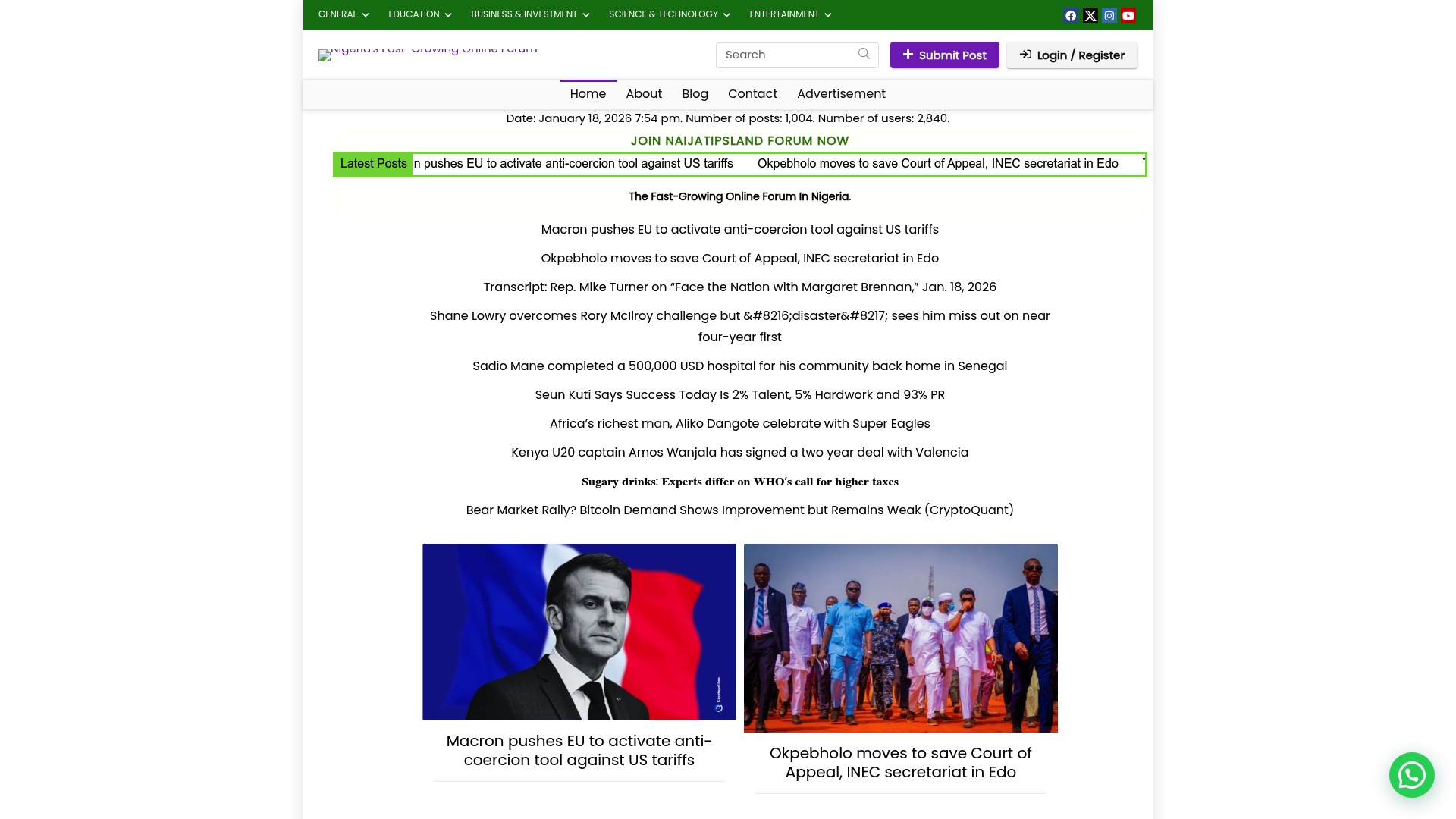
At Naijatipsland.com, we believe real community engagement starts with real stories from real people. Understanding the online discussion impact that your contributions can generate is the first step toward becoming a consistent and trusted voice in your community. If you’re ready to move beyond reading and start contributing, explore our resources on starting discussion forums or check out our complete guide for online discussions designed specifically for Nigerians just like you. Your story deserves to be heard, and this is the platform to share it.
Frequently asked questions
Can I submit a news article if I’m not a professional journalist?
Yes, most online forums and news platforms actively encourage citizen journalism and accept articles from anyone with a newsworthy perspective and factual evidence to support it.
How long does it take for a submitted news article to be published?
Publication times vary, but many digital platforms review and approve articles within a few days if all submission guidelines are properly followed.
What if my news story is rejected?
Review the feedback carefully, adjust your submission to match the platform’s editorial guidelines, and resubmit with a note explaining the changes you made.
Do I need special software or tools to submit my article?
No, you usually only need a basic tool like a web browser or email app to submit your article to most online community platforms.
How can I make my news article more likely to be accepted?
Follow submission guidelines closely, provide clear and verified information, and make sure your article is relevant to the platform’s audience. Reviewing article submission requirements specific to Nigerian digital platforms is also a strong starting point.
Recommended
- How To Write News Articles: A Practical Guide For Nigerian Journalists
- Step-by-step Community Engagement Guide For Nigerian Leaders
- How To Join Online Forums For News And Fun Easily
- Community Engagement Benefits: 30% Better Mental Health
- Community Service Leadership – Youth Leadership Programs – WeAreB.E.T.T.E.R. – Youth Leadership & Education in Philadelphia, PA