
TL;DR:
- Punctuality and proper preparation are critical for making a positive first impression in Nigerian interviews.
- Understanding the interview format, thorough company research, and cultural etiquette enhance candidate success.
- Authentic engagement and cultural awareness often outweigh rehearsed responses in Nigerian hiring practices.
Walking into a Nigerian job interview without knowing what’s expected can leave you second-guessing every move, from how you greet the panel to whether your outfit reads as professional or informal. Nigerian interviews carry unique cultural and procedural expectations that standard guides often overlook. Whether you’re applying to a multinational bank in Lagos, an oil and gas firm in Port Harcourt, or a fast-growing tech startup in Abuja, the details matter. This checklist covers every critical step, from punctuality and research to dress code and cultural etiquette, so you can walk in confident and ready.
Table of Contents
- Be punctual and plan your arrival
- Understand typical interview formats
- Research the company and the role thoroughly
- Prepare responses and follow Nigerian etiquette
- Critical pre-interview checklist for Nigerian job seekers
- The truth about Nigerian interviews: What most guides leave out
- Get more resources for Nigerian job interview success
- Frequently asked questions
Key Takeaways
| Point | Details |
|---|---|
| Arrive early | Always aim to be 15-30 minutes early to make a good first impression in Nigerian interviews. |
| Know the interview format | Expect panels and a mix of behavioral and technical questions, especially in prominent sectors. |
| Research is crucial | Dig into the company’s recent news, projects, and values to show you’re genuinely interested. |
| Follow etiquette | Use formal titles, dress conservatively, and greet respectfully to align with Nigerian cultural expectations. |
| Prepare with STAR | Have STAR stories ready for behavioral questions and always mention your NYSC status if under 30. |
Be punctual and plan your arrival
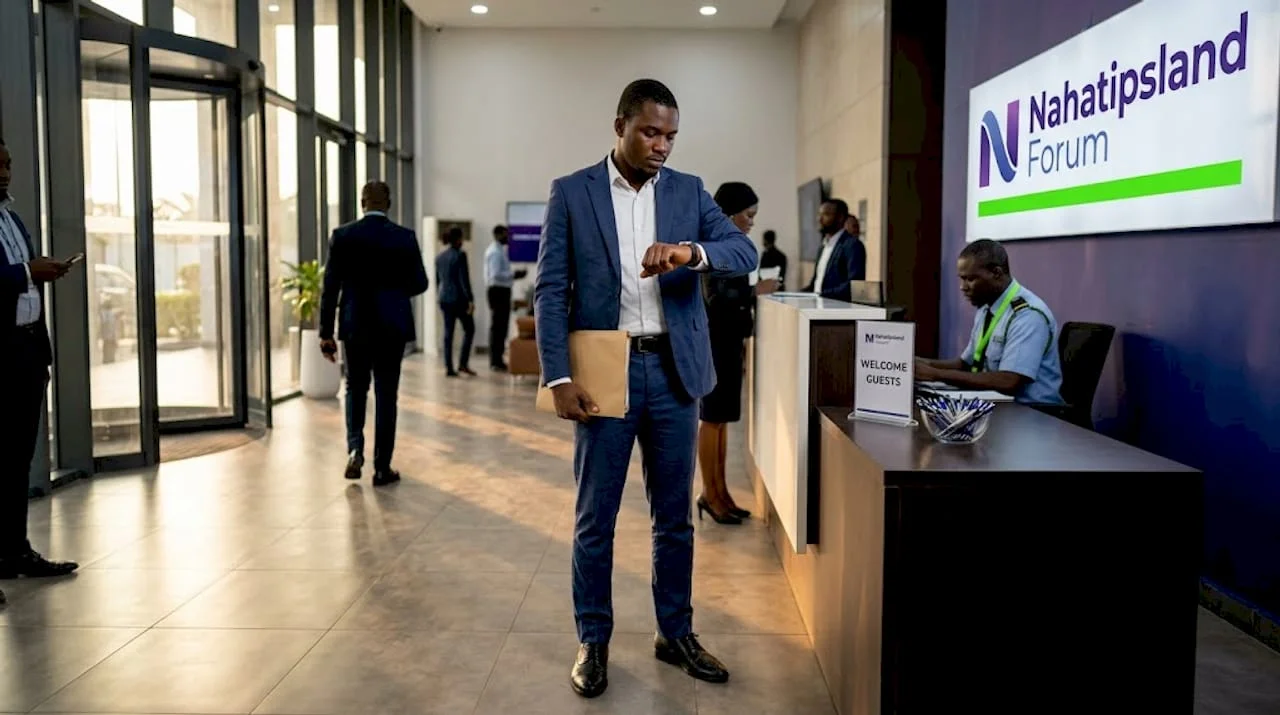
Punctuality is one of the most powerful statements you can make before you even open your mouth. In Nigerian professional culture, arriving 15-30 minutes early is not just polite; it is expected and signals that you are reliable, organized, and genuinely interested in the role.
Different types of organizations have different standards. Multinational companies such as Unilever, GTBank, or Shell will expect strict timekeeping, often with reception check-ins logged by the minute. Locally owned firms may be slightly more flexible, but lateness still creates a negative first impression that is very difficult to recover from during the interview itself.
Lagos and Abuja traffic is a real obstacle. A journey that takes 20 minutes on a quiet Saturday can stretch to 90 minutes on a Monday morning rush. This is why you need more than good intentions.
Key tips for planning your arrival:
- Do a trial run to the venue at least one day before, preferably at the same time of day
- Set two alarms and place your phone across the room so you cannot silence them from bed
- Save multiple route options on Google Maps or Apple Maps and check live traffic the morning of the interview
- Confirm the exact office address and floor number, not just the building name
- Budget extra time for parking, security checks, and building navigation
While preparing for interviews, many candidates underestimate how long building entry procedures take, especially in high-security office towers in Victoria Island or Eko Atlantic.
Pro Tip: When you arrive, greet the receptionist or security officer warmly and professionally. These individuals sometimes give informal feedback to hiring managers about how candidates behave in the lobby.
A good first impression begins the moment you step onto the property, not the moment you shake hands with the interviewer. Following solid Nigerian career tips consistently reinforces this idea that preparation away from the spotlight is what sets winners apart.
Once you’re set on making a good first impression, the next step is understanding the interview format.
Understand typical interview formats
Not all Nigerian job interviews look the same. Knowing what format to expect helps you tailor your preparation instead of walking in blindly.
Panel interviews with 3-5 interviewers are standard across key sectors like banking, oil and gas, and FMCG (fast-moving consumer goods). These panels typically include a mix of HR professionals, line managers, and sometimes a senior executive. Each panelist may focus on a different area, with HR asking behavioral questions, technical leads probing your skills, and senior staff gauging your fit with the company culture.
Here is a quick comparison of common interview formats in Nigeria:
| Format | Common in | What to expect |
|---|---|---|
| Panel interview | Banking, oil & gas, FMCG | Multiple interviewers, structured questions |
| One-on-one | SMEs, startups | Conversational but still formal |
| Technical/aptitude test | Finance, tech, engineering | Written or computer-based assessments |
| Group assessment | Graduate programs | Problem-solving with other candidates |
| Video interview | Remote roles, diaspora hiring | Requires strong camera presence |
For tech roles, especially in companies like Flutterwave, Paystack, or MTN’s digital divisions, expect live coding challenges or take-home technical assessments. Studying Nigeria tech interview trends can help you understand what specific technical competencies Nigerian tech employers are currently prioritizing.
“The best candidates in panel settings are not the loudest. They are the ones who address each panelist directly, maintain eye contact, and adjust their tone to match the seniority of each person asking the question.”
Behavioral questions such as “Describe a time you resolved a conflict at work” are common across all sectors. Situational questions, where you are asked how you would handle a hypothetical scenario, are also standard.
For candidates pursuing video interview tips, remember that your virtual background, internet connection, and camera quality all contribute to your professional image in digital interviews.
With the interview format in mind, you’ll want to research and tailor your preparation to the company.
Research the company and the role thoroughly
Nothing signals genuine interest like knowing specific details about a company that the average applicant would not bother to find. Recruiters notice immediately when a candidate says, “I saw you recently won the KPMG Nigeria Employer of the Year award” versus “I just heard you’re a great company.”
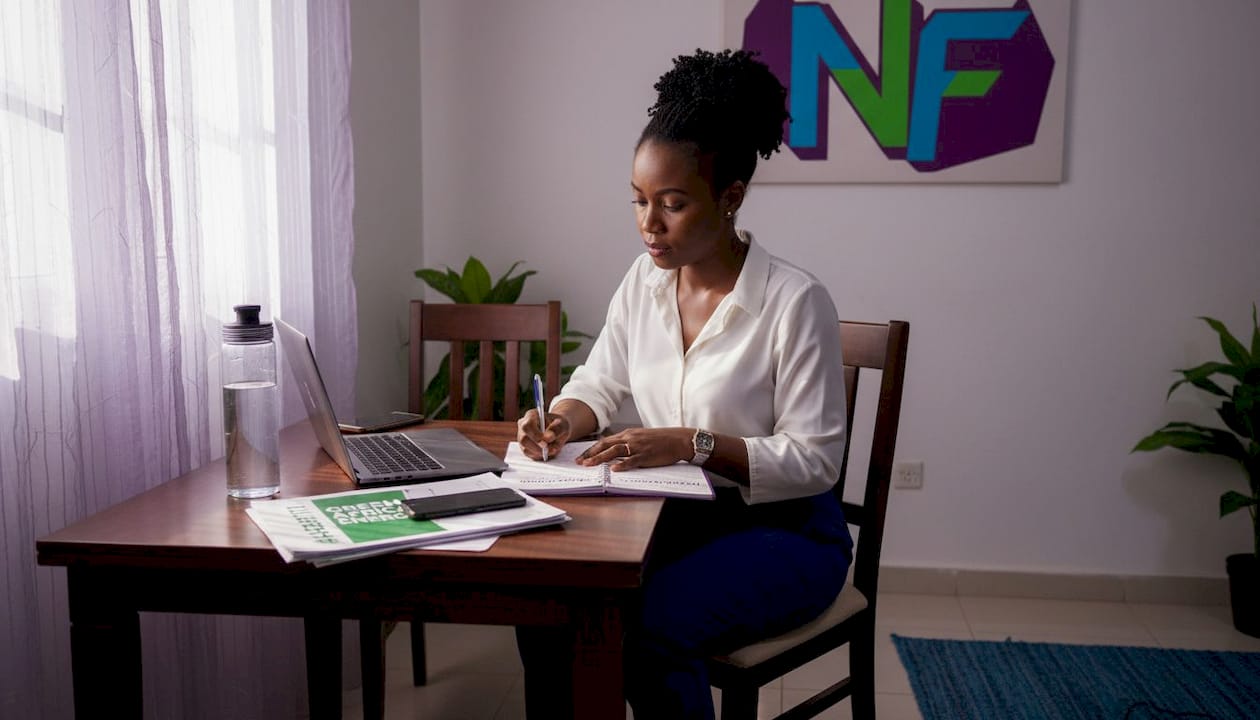
Research the company deeply: review recent news, products, and the company mission, then mention specifics during your interview to demonstrate genuine interest rather than generic enthusiasm.
Here is a structured approach to your research:
- Visit the company’s official website and read the About page, mission statement, and any published annual report
- Search for the company name on Google News to find press coverage from the past six months
- Check their LinkedIn page for recent hires, company announcements, and employee posts
- Review their social media channels for marketing campaigns, product launches, or community initiatives
- Read any Glassdoor or Jobberman reviews from current or former employees to understand the culture
Use what you find strategically. If a company recently launched a new product line, you could say during the interview, “I noticed the launch of your new payment gateway last quarter; I’m interested in contributing to that team’s growth.” That specificity demonstrates focus and ambition.
| Research area | Where to find it | Why it matters |
|---|---|---|
| Recent news | Google News, company press room | Shows current awareness |
| Company mission | Official website, annual report | Aligns your values with theirs |
| Products and services | Website, LinkedIn, social media | Helps you ask smarter questions |
| Industry position | Industry reports, Jobberman insights | Demonstrates strategic thinking |
Following company news is a habit that pays off not just during interviews but throughout your career, helping you stay relevant in conversations with colleagues, clients, and senior management.
Pro Tip: Prepare two or three thoughtful questions to ask at the end of the interview. Questions about company growth plans, team structure, or professional development opportunities show that you are thinking about your future there, not just trying to get the job.
After researching the company and role, it is crucial to plan exactly how you will communicate your fit with the role.
Prepare responses and follow Nigerian etiquette
How you say something in a Nigerian interview carries as much weight as what you say. Cultural respect is not optional; it is part of how you are evaluated.
Address interviewers formally using titles such as Sir, Ma, Dr., or Alhaji. Using someone’s first name without permission in a formal Nigerian setting can come across as rude, regardless of how casual the interviewer’s own tone may seem.
Key etiquette rules for Nigerian interviews:
- Greet the most senior person in the room first, then work your way around
- Avoid interrupting an interviewer mid-sentence, even if you know the answer
- Maintain eye contact without staring, and smile naturally when appropriate
- Accept any water or refreshment offered as a polite gesture, declining can occasionally seem dismissive in some cultural contexts
- Silence your phone completely, not just on vibrate
Dress conservatively formal: men should wear suits in navy or black, while women should opt for tailored suits or dresses. Polished grooming is essential because Nigerians in professional settings pay close attention to presentation as a reflection of self-discipline.
For your answers, use the STAR method: Situation (set the scene), Task (explain your responsibility), Action (describe exactly what you did), and Result (share the measurable outcome). Prepare STAR stories for behavioral questions, covering common topics such as “Tell me about yourself” (which should include your NYSC status if you are under 30), strengths and weaknesses, and salary expectations.
“Nigerian interviewers often use your ‘Tell me about yourself’ answer to gauge your communication style, professionalism, and self-awareness. Open with your academic background, professional experience, then your NYSC posting and what you learned from it.”
For cultural interview preparation, understanding the blend of local customs and global business practices puts you at a significant advantage over candidates who treat every interview as culturally neutral.
Pro Tip: If an interviewer uses a local proverb or references a cultural concept, do not panic. Simply acknowledge it respectfully and respond thoughtfully. Authentic engagement with cultural cues shows maturity and cultural intelligence.
Respect for trendsetters in professional behavior shows that Nigerian professionals, especially younger ones, are shaping new norms around interview etiquette that blend traditional respect with modern confidence.
With your responses, etiquette, and appearance solidified, you’re nearly ready. Let’s review the critical checklist before your interview day.
Critical pre-interview checklist for Nigerian job seekers
The day before and the morning of your interview are where the details either come together or fall apart. Use this structured checklist to close every gap.
Structured preparation using STAR stories and thorough research is consistently recommended by top Nigerian recruiters as the most reliable path to interview success.
Step-by-step pre-interview checklist:
- Lay out your outfit the night before and check for wrinkles, missing buttons, or scuff marks on shoes
- Print at least three copies of your CV and include printed references if requested
- Place your original certificates and any relevant credentials in a neat folder
- Run through your top five STAR stories out loud, ideally timing yourself to stay under two minutes per answer
- Review the company’s key facts one final time: mission, recent news, major product or service
- Check traffic reports and confirm your route, add 30 minutes buffer beyond your estimate
- Review your LinkedIn profile and any public social media accounts; make sure they present a professional image
- Check social media etiquette guidelines if you are unsure what Nigerian recruiters commonly screen for online
- Write down the interviewer’s name, title, and phone number in case you need to contact them about delays
- Get at least seven hours of sleep; fatigue affects articulation, confidence, and composure
| Task | When to do it | Why it matters |
|---|---|---|
| Prepare outfit | Night before | Avoids morning panic |
| Print CV copies | Night before | Shows professional readiness |
| Practice STAR stories | Day before | Builds fluency, not memorization |
| Check traffic route | Morning of | Protects punctuality |
| Review company facts | Morning of | Keeps key details fresh |
| Check social media | Day before | Prevents last-minute surprises |
For more Nigerian career essentials that go beyond the interview room, building long-term professional habits gives you an edge not just in getting the job, but in thriving once you’re in it.
Now that you’ve seen the most crucial steps for interview day, let’s look at a unique perspective on Nigerian interview success.
The truth about Nigerian interviews: What most guides leave out
Most interview guides hand you a script. Memorize these answers. Wear these colors. Say these phrases. And while structure matters, the reality of Nigerian interviews is more nuanced than any checklist can fully capture.
Here is the uncomfortable truth: company culture can outweigh prepared answers. A beautifully rehearsed STAR response can fall flat if the panel senses that you do not genuinely connect with their values. Nigerian hiring managers, especially in relationship-driven industries like banking and FMCG, are often evaluating whether they would enjoy working with you every day. Rapport matters enormously.
Authentic engagement is frequently what separates finalists. Candidates who read the room, adjust their energy to match the formality of the panel, and respond with genuine reflection rather than rehearsed lines tend to leave stronger impressions.
Understanding a company’s blend of local and multinational norms also positions you ahead of the competition. A firm like Dangote Group operates very differently from Procter & Gamble Nigeria, even if both expect formal dress and punctual arrival. Your Nigerian career advice toolkit should include cultural reading skills, not just interview scripts.
Let your values show. When you talk about why you want the role, connect it to something real about your background or ambitions. Interviewers remember authentic stories far longer than polished but hollow responses.
Get more resources for Nigerian job interview success
You have now covered the key pillars of Nigerian interview preparation: punctuality, format awareness, company research, cultural etiquette, and a concrete pre-interview checklist. But preparation does not stop here.
At Naijatipsland.com, we cover the real stories and career lessons that Nigerian professionals need. From journalist career stories that show what building a career in Nigeria actually looks like, to our library of essential career tips tailored for the Nigerian job market, our platform gives you community, current affairs, and career guidance in one place. Join the conversation, share your interview experience, and access resources built specifically for Nigerian professionals ready to move forward.
Frequently asked questions
What are common interview questions in Nigeria?
Common questions include “Tell me about yourself” (where mentioning your NYSC is expected if applicable), strengths and weaknesses, and salary expectations, so prepare concise, honest, and structured answers for each.
How should I address my interviewer in Nigeria?
Always use formal titles such as Sir, Ma, Dr., or Alhaji, because hierarchy and respect are foundational to Nigerian professional culture and using first names without permission can be seen as disrespectful.
Is it important to arrive early for Nigerian interviews?
Yes, arriving 15-30 minutes early is a clear signal of reliability and seriousness, especially in cities like Lagos and Abuja where traffic can be unpredictable and unforgiving.
What should I wear to a job interview in Nigeria?
Men should wear a navy or black suit with polished shoes, while women should opt for a tailored suit or dress with neat, professional grooming throughout.
Do Nigerian interviews include technical or coding tests?
Yes, particularly for tech roles, so research the company’s technical stack beforehand and practice relevant coding challenges or problem-solving exercises to demonstrate your practical skills confidently.