
TL;DR:
- Blockchain is a decentralized digital ledger with broad applications beyond cryptocurrency in Nigeria.
- It enables secure, transparent transactions such as land registration, remittances, and government budgeting.
- Challenges include infrastructure gaps, skills shortages, high costs, and evolving regulations, but opportunities remain significant.
Most Nigerians hear the word “blockchain” and immediately think of Bitcoin or crypto trading. That assumption is understandable, but it misses the bigger picture entirely. Blockchain is the underlying technology that powers cryptocurrency, yes, but it also has the potential to reshape how Nigeria handles land records, government budgets, agricultural supply chains, and cross-border payments. As Nigeria’s digital economy grows and more young Nigerians enter the tech space, understanding blockchain is no longer optional. This guide breaks down what blockchain is, how it works, and why it matters specifically for you, whether you are a developer, a student, or simply someone curious about where technology is taking Africa.
Table of Contents
- What is blockchain technology? The basics explained
- How does blockchain work? Consensus, security, and types
- Smart contracts and real-world use cases in Nigeria
- Challenges and opportunities for blockchain in Nigeria and Africa
- Our take: Blockchain’s real promise and pitfalls for Nigerian youth
- Ready to explore more? Join Nigeria’s digital future
- Frequently asked questions
Key Takeaways
| Point | Details |
|---|---|
| Blockchain basics | Blockchain is a digital ledger technology that secures data through decentralization and cryptography. |
| Applications in Nigeria | It powers financial inclusion, transparent governance, and reliable remittance services for Nigerians. |
| Major barriers | Skills shortages, high costs, infrastructure gaps, and unclear regulation slow adoption in Nigeria. |
| Tech opportunities | With targeted training and policies, blockchain can help Nigeria leapfrog traditional development hurdles. |
What is blockchain technology? The basics explained
With the stage set, let’s clarify what blockchain actually means and how it works.
At its core, blockchain is a decentralized digital ledger that records transactions across a network of computers in blocks linked chronologically using cryptography, making data immutable once added. Think of it like a public notebook that thousands of people hold copies of simultaneously. No single person owns it, and no one can quietly erase or edit a page without everyone else noticing.
Each entry in that notebook is called a block. Every block contains a set of transaction data, a timestamp, and a unique identifier called a hash. According to how the system works, transactions are grouped into blocks, each with a unique hash incorporating the previous block’s hash, forming a chain. New blocks are validated via consensus mechanisms before being added. That chain structure is what makes the system so secure.
Here are the key terms you need to know:
- Block: A container for a batch of transaction records
- Hash: A unique digital fingerprint for each block
- Chain: The sequential link connecting all blocks
- Distributed ledger: A shared database held across many computers simultaneously
- Immutability: The property that prevents past records from being altered
- Consensus mechanism: The process by which network participants agree on valid transactions
“Blockchain removes the need for a central authority to verify trust. The network itself becomes the authority.” This shift is what makes blockchain genuinely different from any database you have used before.
It is also important to separate blockchain from digital currency in Nigeria. Cryptocurrency is one application built on blockchain, but the technology itself is far broader. Just as the internet powers email, streaming, and banking apps, blockchain powers crypto, smart contracts, supply chain tools, and more. If you want a fuller picture of that distinction, the guide on cryptocurrency explained is a helpful starting point.
Transparency is another defining feature. On a public blockchain, anyone can view the full transaction history. This openness builds trust without requiring a middleman like a bank or government agency to certify records.
How does blockchain work? Consensus, security, and types
Understanding the components, we now look at how blockchains operate securely and reliably.
For a blockchain to function, all participants in the network must agree on which transactions are valid. This agreement process is called a consensus mechanism. The two most widely used are Proof-of-Work and Proof-of-Stake.
| Feature | Proof-of-Work (PoW) | Proof-of-Stake (PoS) |
|---|---|---|
| How it works | Miners solve complex puzzles | Validators stake cryptocurrency |
| Energy use | Very high | Up to 99.95% less energy |
| Speed | Slower | Faster |
| Example | Bitcoin | Ethereum (post-Merge) |
| Security level | Very high | High |
For Nigeria, where electricity is already a challenge, the energy efficiency of Proof-of-Stake matters. It makes blockchain more viable for local developers and businesses building on these networks.
Blockchains also come in two main types. Public blockchains like Bitcoin and Ethereum are open to anyone. Private blockchains are permissioned, meaning only approved participants can join. Private chains are faster but less decentralized, making them better suited for corporate or government use cases.
Here is how a transaction gets added to a blockchain, step by step:
- You initiate a transaction (for example, sending funds or recording a contract)
- The transaction is broadcast to a network of computers called nodes
- Nodes verify the transaction using the agreed consensus mechanism
- The verified transaction is grouped with others into a new block
- The new block receives a unique hash linked to the previous block
- The block is added permanently to the chain
One real security risk worth knowing is the 51% attack. If a single actor gains control of more than half the network’s computing power or stake, they could theoretically rewrite recent transaction history. This is rare on large networks but remains a concern for smaller chains. Finality delays and attack vectors are active areas of research in blockchain security.
For Nigeria’s digital economy growth to benefit from blockchain, understanding these security trade-offs matters. Developers and policymakers following tech trends in Nigeria need to choose the right blockchain type for each use case.
Smart contracts and real-world use cases in Nigeria
With the basics of security and structure clear, let’s see blockchain’s power in action through smart contracts and practical local examples.
Smart contracts are self-executing programs on blockchain that automate agreements without intermediaries. They are written in code (commonly a language called Solidity on Ethereum) and execute automatically when preset conditions are met. Think of a smart contract like a vending machine. You insert money, select your item, and the machine delivers it without needing a cashier. No trust required, no middleman involved.
For Nigerian young adults, this concept opens up real possibilities:
- Remittances: Send money home from abroad at lower fees, with faster settlement times
- DeFi (Decentralized Finance): Access loans and savings products without a traditional bank account
- Supply chain tracking: Verify that agricultural produce like cocoa or palm oil is authentic and ethically sourced
- Voting systems: Create tamper-proof digital ballots that reduce electoral fraud
- Land registry: Record property ownership transparently to reduce disputes and title fraud
- eNaira: Nigeria’s Central Bank Digital Currency (CBDC), built on blockchain principles, is already live and expanding financial access
Blockchain adoption in Nigeria shows that the technology enables financial inclusion via DeFi and mobile wallets, bypassing banks entirely. Remittances become cheaper and faster, and supply chain applications fight fraud in agriculture and oil.
Pro Tip: When using DeFi apps, never connect your wallet to a platform you have not independently verified. Scam contracts can drain your funds instantly with no recourse. Always check community reviews and audit reports before interacting with any DeFi protocol.
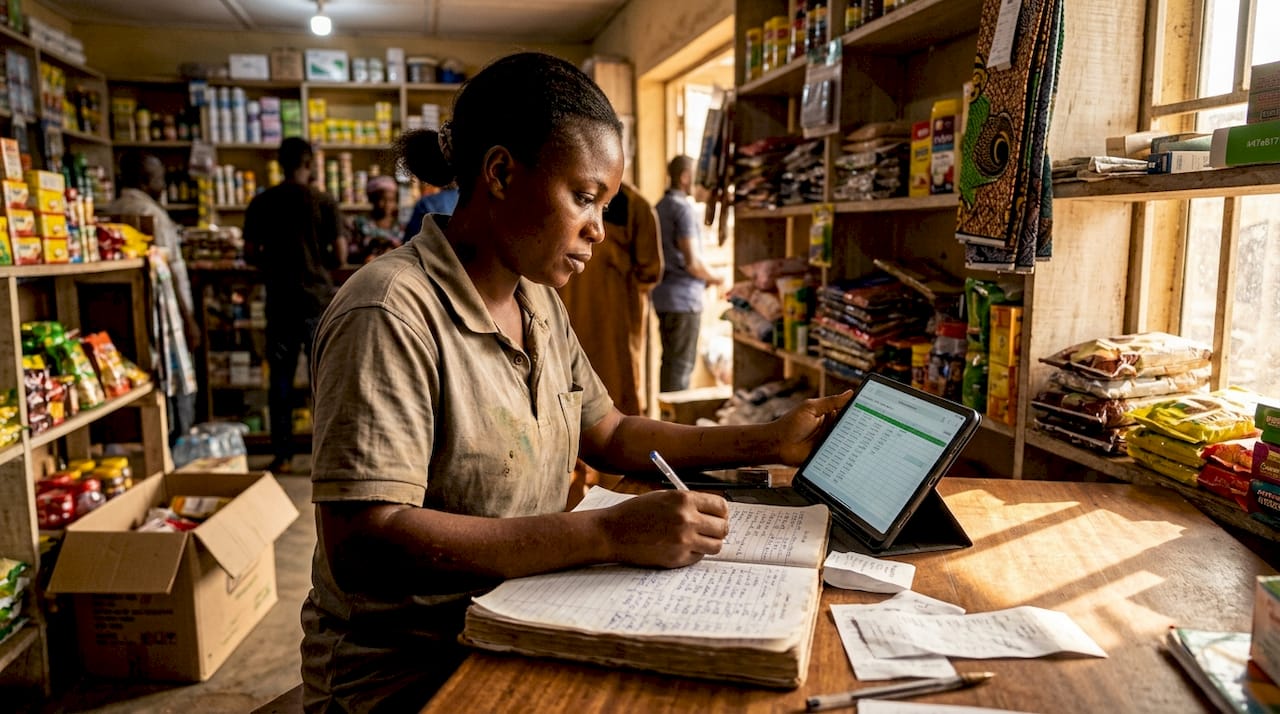
For microfinance and blockchain applications, the combination creates new tools for small business owners who have historically been locked out of formal credit systems. The opportunity is significant and growing.
Challenges and opportunities for blockchain in Nigeria and Africa
Now, let’s shift toward the unique realities and opportunities for blockchain right here in Nigeria and Africa.
Blockchain is not a magic solution. Its adoption in Nigeria faces real structural barriers that must be addressed honestly.
Key challenges:
- Skills shortage affecting 80% of potential adopters in Nigeria
- High implementation costs cited by approximately 70% of businesses
- Unreliable internet and power infrastructure
- Unclear or evolving regulatory frameworks
- Low public awareness and trust in new technology
| Factor | Challenge | Opportunity |
|---|---|---|
| Infrastructure | Inconsistent power and internet | Mobile-first blockchain solutions |
| Skills | Developer shortage | Youth training programs and bootcamps |
| Regulation | Unclear policies | eNaira CBDC as a policy anchor |
| Governance | Corruption risk | Transparent budget and contract records |
| Finance | Limited bank access | DeFi and mobile wallet inclusion |
Despite these barriers, Africa’s blockchain potential is substantial. Transparent governance and remittance improvements could meaningfully boost GDP. Nigeria leads the continent in policy engagement but needs infrastructure investment and training to achieve leapfrog development.
The oil sector and blockchain present one of the most compelling use cases. Tracking crude oil transactions on a transparent ledger could reduce the revenue losses that have plagued Nigeria’s energy sector for decades. Similarly, social media and blockchain intersect in content monetization and identity verification tools already emerging across the continent.
Pro Tip: If you want to build blockchain skills in Nigeria, start with free resources like Ethereum’s official developer documentation, Coursera’s blockchain courses, or local communities like Web3 Lagos and Blockchain Nigeria User Group. Practical, project-based learning will take you further than theory alone.
Our take: Blockchain’s real promise and pitfalls for Nigerian youth
Most articles about blockchain in Nigeria either oversell it as a cure for every problem or dismiss it as a speculative bubble. Neither view is accurate or useful.
Here is what we genuinely believe after looking at the evidence: blockchain’s biggest impact in Nigeria will not come from copying Silicon Valley models. It will come from builders who understand local problems and design solutions around them. A land registry tool built for Lagos works differently from one built for rural Anambra. That context matters enormously.
Decentralization may reduce corruption in theory, but tamper-proof records only work if the data entered in the first place is accurate. Garbage in, garbage out. Blockchain secures the chain, not the source.
The energy debate around Proof-of-Work is also real, but it should not distract from where the technology is actually headed. Proof-of-Stake and newer consensus models are making blockchain far more practical for energy-constrained environments like Nigeria.
The most important thing you can do right now is become an educated participant, not just a passive user. Follow tech trends shaping Africa, build skills, ask hard questions, and push for accountability when blockchain is proposed as a governance solution. The technology is a tool. Its value depends entirely on who uses it and how.
Ready to explore more? Join Nigeria’s digital future
To put your newfound blockchain knowledge into practice and connect with fellow tech enthusiasts, consider these next steps.
Naijatipsland.com is your hub for staying ahead of Nigeria’s fast-moving digital landscape. Whether you want to start or join conversations about blockchain, fintech, or Africa’s tech revolution, the platform connects you with a community that shares your curiosity and ambition.
Explore how to get involved by learning how to start online tech discussions with other Nigerians who are building and learning. You can also discover how digital ads in Nigeria are reshaping the business landscape alongside blockchain. Visit Naijatipsland.com to access guides, join forums, and stay updated on everything shaping Nigeria’s digital future. Your next step starts here.
Frequently asked questions
What makes blockchain secure and trustworthy?
Blockchain’s decentralized design uses cryptography and consensus mechanisms to ensure that data cannot be changed once it has been added to the chain, removing the need for a central authority.
How does blockchain improve financial inclusion in Nigeria?
Blockchain enables financial inclusion by allowing Nigerians to access DeFi products and remittance services through mobile wallets, completely bypassing the need for a traditional bank account.
Why is energy use a concern for blockchain?
Proof-of-Work blockchains like Bitcoin consume enormous amounts of electricity, but Proof-of-Stake reduces energy use by up to 99.95%, making it far more sustainable for widespread adoption.
Can blockchain help reduce corruption in government?
Yes. Blockchain creates tamper-proof public records for budgets and contracts, and transparency in governance through tools like the eNaira CBDC is already being explored in Nigeria as a way to reduce fraud.
What are common barriers to adopting blockchain in Nigeria?
Infrastructure gaps, skills shortages affecting 80% of potential adopters, high costs, and unclear regulation remain the biggest obstacles to broad blockchain adoption across Nigeria.