

Many young Nigerians believe international news is distant and irrelevant to their daily lives. This misconception costs them opportunities to understand how global events shape Nigeria’s economy, politics, and social environment. Access to international news significantly enhances your ability to grasp the global context of local issues, fostering informed decision making in your career, investments, and civic participation. This article explains why international news matters and how to use it strategically.
Table of Contents
- Understanding The Global Context Of Local Issues
- How Global Oil Prices And Geopolitical Events Affect Nigeria’s Economy
- The Role Of International News In Empowering Informed Civic And Investment Decisions
- Practical Tips For Nigerian Professionals To Follow International News Wisely
- Explore More With Naijatipsland’s Online Community Resources
- How Does Following International News Benefit Nigerian Young Professionals Specifically?
- What Are The Best Sources To Follow For Accurate International News In Nigeria?
- How Can International News Impact Nigeria’s Economy And Politics?
Key takeaways
| Point | Details |
|---|---|
| Global context matters | International news helps you understand how world events shape Nigeria’s economy and policies. |
| Economic awareness | Oil price shifts and geopolitical tensions directly affect your cost of living and investment returns. |
| Better decisions | Following diverse news sources empowers smarter civic engagement and financial choices. |
| Avoid misinformation | Credible international outlets help you escape echo chambers and bias. |
Understanding the global context of local issues
Nigeria’s economy and politics do not exist in isolation. When you follow international news, you gain crucial insights into forces shaping your daily reality. Global oil markets determine pump prices at your local station. Foreign policy decisions in Washington or Beijing influence trade agreements affecting Nigerian businesses. Understanding these connections transforms you from a passive observer into an informed participant.
The role of oil in Nigeria demonstrates this interconnection perfectly. Brent crude prices fluctuate based on Middle Eastern conflicts, OPEC decisions, and Western sanctions. These shifts ripple through Nigeria’s federal budget, state allocations, and ultimately your transportation costs. Without tracking international developments, you miss the early warning signs that help you plan ahead.
Nigerian professionals who grasp geopolitical events gain competitive advantages in their careers. You anticipate market movements before colleagues relying solely on local headlines. You understand policy changes in broader context, making strategic career decisions others miss. Dr. Ngozi Okonjo-Iweala emphasizes that understanding global trends is no longer a luxury but a necessity for Nigerian professionals to stay relevant and competitive.
International news also protects you from misinformation. Local social media often amplifies unverified claims and conspiracy theories. Credible global outlets provide fact-checked reporting and multiple perspectives. This diversity helps you form balanced opinions rather than accepting narratives pushed by algorithm-driven feeds.
Pro Tip: Start each morning by scanning headlines from one international outlet and one Nigerian source to build a complete picture of events affecting your interests.
Following international news means recognizing patterns others overlook. When European central banks adjust interest rates, Nigerian monetary policy often follows. When commodity prices surge globally, local inflation accelerates. These connections become obvious once you actively track them, giving you an edge in planning personal finances and business strategies.
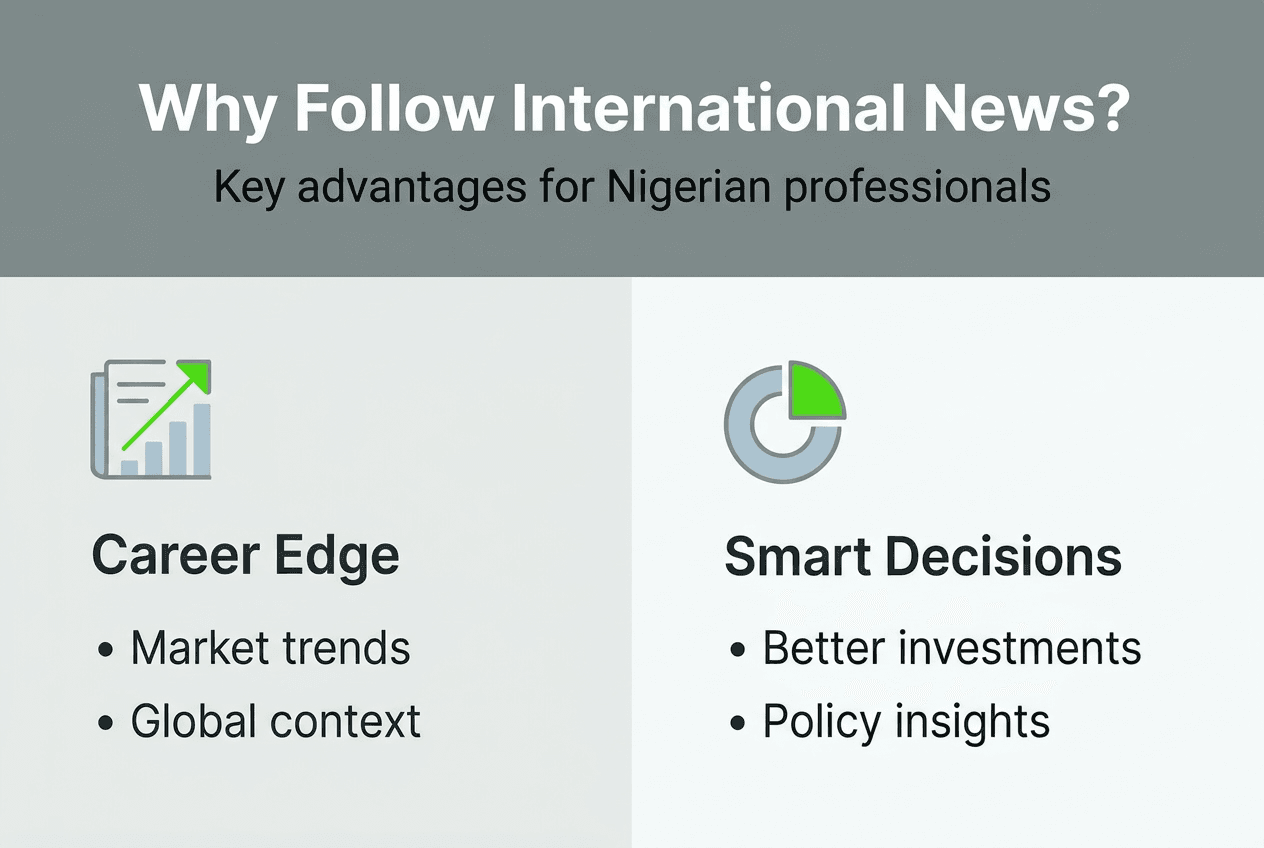
Key benefits of following international news include:
- Anticipating economic shifts before they hit Nigerian markets
- Understanding policy decisions in their full geopolitical context
- Identifying investment opportunities tied to global trends
- Avoiding misinformation spread through social media echo chambers
“Access to international news significantly enhances the ability of Nigerian young adults and professionals to understand the global context of local and national issues, fostering informed decision-making.” — Springer Nature, The Fundamentals of Open Access
How global oil prices and geopolitical events affect Nigeria’s economy
Oil price movements create immediate consequences for every Nigerian. The federal government budgets based on crude price assumptions. When actual prices exceed projections, revenue increases but inflation risks rise. When prices fall below budget benchmarks, austerity measures follow. You feel these impacts through fuel costs, food prices, and government service quality.
Rising crude prices above Nigeria’s 2026 budget benchmark may strengthen government revenues but increase inflation risks. Each dollar increase in Brent crude affects multiple economic indicators simultaneously. Transport operators raise fares. Food distributors pass costs to consumers. Your monthly budget stretches thinner despite unchanged income.
Geopolitical tensions cause volatile price spikes that hit Nigeria hard. Naval conflicts in strategic shipping lanes disrupt supply chains. Sanctions against major producers tighten global supply. Geopolitical events cause immediate shockwaves in commodities markets, leading to volatile oil prices that Nigerian consumers cannot avoid.
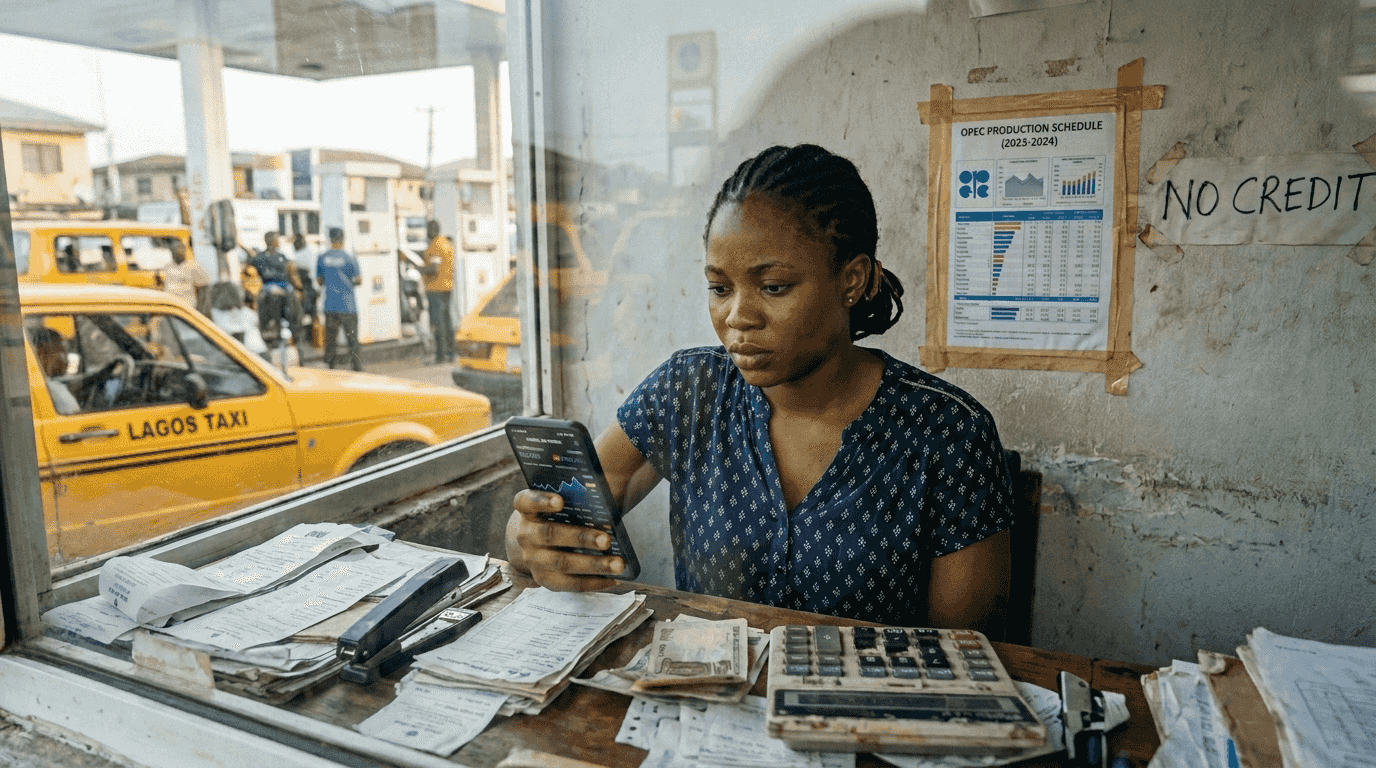
Nigeria’s deregulated petroleum market means global price shocks transfer quickly to local pump prices. Unlike countries with price controls or strategic reserves buffering consumers, Nigerians experience almost immediate impacts. Following international news helps you anticipate these changes and adjust your budget proactively.
| Price Scenario | Federal Revenue Impact | Inflation Risk | Consumer Effect |
|---|---|---|---|
| Below $70/barrel | Revenue shortfall | Lower inflation | Reduced government spending |
| $70-$85/barrel | Meets budget target | Moderate inflation | Stable prices |
| Above $85/barrel | Revenue surplus | Higher inflation | Rising transport and food costs |
Understanding these dynamics empowers better financial planning:
- Monitor Brent crude prices weekly to anticipate fuel cost changes
- Track OPEC production decisions affecting global supply
- Follow geopolitical developments in major oil-producing regions
- Adjust your budget when international tensions escalate
- Consider investment timing based on oil price forecasts
Pro Tip: Set price alerts for Brent crude at $75 and $90 per barrel to catch major shifts affecting Nigerian markets before they hit local headlines.
The connection between international events and your wallet is direct and measurable. When you ignore global news, you react to price changes after they occur. When you follow it strategically, you prepare in advance. This preparation might mean stocking up before anticipated price spikes or adjusting investment portfolios before market corrections.
Staying informed about global oil markets through ways to stay updated gives you a practical advantage in managing personal finances and understanding government economic decisions.
The role of international news in empowering informed civic and investment decisions
Informed citizens participate more effectively in democratic processes. When you understand global policy trends, you engage in local civic discourse with greater depth. You recognize when Nigerian politicians propose policies that failed elsewhere. You identify successful international models worth advocating for locally. This knowledge makes your voice more credible in community discussions and online forums.
Research shows informed citizenry correlates to 15% higher policy effectiveness and more effective governance. Citizens who understand international context demand better accountability from leaders. They ask tougher questions about policy choices and economic management. This scrutiny improves governance quality over time.
International news also sharpens your investment instincts. Nigerian markets do not move independently from global trends. Foreign investors drove a $1.97 billion surge in Nigeria’s stock market in 2025, signaling increased confidence tied to economic reforms and global market conditions. Understanding what attracts or repels foreign capital helps you time your own investment decisions.
Global finance dynamics reveal opportunities and risks invisible to investors focused only on local news. When international interest rates rise, emerging market stocks often face pressure. When commodity super-cycles begin, resource-rich economies like Nigeria benefit. Recognizing these patterns early gives you an edge over investors reacting to local headlines alone.
Key investment benefits from following international news:
- Anticipating foreign capital flows into Nigerian markets
- Understanding currency movements affecting import-dependent sectors
- Identifying global trends creating local business opportunities
- Avoiding overvalued assets driven by local optimism disconnected from global realities
Pro Tip: Before making significant investments, check how similar assets perform in comparable emerging markets to gauge whether Nigerian valuations reflect global trends or local speculation.
Your civic participation improves when you can reference international examples in discussions. Advocating for policy changes becomes more persuasive when you cite successful implementations elsewhere. Opposing flawed proposals gains credibility when you point to international failures. This knowledge transforms you from someone sharing opinions to someone contributing informed analysis.
Engaging in respectful political discussions online becomes more productive when you bring international context to local debates. You elevate conversations beyond partisan talking points by introducing evidence-based perspectives from global experiences.
Practical tips for Nigerian professionals to follow international news wisely
Accessing quality international news requires strategic source selection. Not all outlets provide equal value. Some cater to specific ideological audiences. Others prioritize sensationalism over accuracy. Your goal is building a diverse media diet that exposes you to multiple perspectives while filtering out misinformation.
Start with established international outlets known for fact-checking and editorial standards. Reuters, BBC, and Financial Times maintain rigorous verification processes. These sources rarely publish unconfirmed claims. When they make errors, they issue prominent corrections. This reliability makes them trustworthy foundations for your news consumption.
Complement traditional outlets with sector-specific sources relevant to your profession. Technology workers benefit from following global tech publications. Financial professionals need international business news. Healthcare workers should track global health developments. This targeted approach ensures you catch trends affecting your career before they become common knowledge.
Relying solely on social media for international news exposes readers to bias and echo chambers; diversifying news sources is crucial for balanced understanding. Algorithms show you content reinforcing existing beliefs rather than challenging them. Breaking this pattern requires deliberately seeking sources with different perspectives.
| Source Type | Strengths | Limitations | Best Use |
|---|---|---|---|
| Major international outlets | Fact-checked, diverse coverage | May lack Nigerian context | Daily headlines and breaking news |
| Nigerian publications | Local context and impact analysis | Sometimes limited international coverage | Understanding local implications |
| Sector-specific media | Deep expertise in specialized areas | Narrow focus | Professional development insights |
| Social media | Real-time updates, diverse voices | Unverified claims, echo chambers | Supplementary perspectives only |
Develop a systematic approach to news consumption:
- Dedicate 20 minutes each morning to scanning international headlines
- Follow three to five credible outlets covering different regions and topics
- Use news aggregation apps to customize feeds around your interests
- Cross-reference major stories across multiple sources before accepting claims
- Bookmark articles for deeper reading rather than skimming everything superficially
Pro Tip: Create separate social media accounts for news consumption to prevent entertainment and news feeds from mixing, reducing algorithm-driven bias in what you see.
Monitor specific indicators relevant to Nigerian interests. Track Brent crude prices weekly. Follow OPEC announcements. Watch major central bank decisions affecting global interest rates. Note geopolitical developments in regions supplying goods Nigeria imports. These focused monitoring habits deliver practical value without overwhelming you with information.
Leverage resources like news curation guides and staying updated tips to refine your approach. Learning effective curation techniques helps you extract maximum value from limited reading time.
Explore more with Naijatipsland’s online community resources
Applying your international news knowledge becomes more impactful when you engage with others. Naijatipsland provides forums and guides helping you translate awareness into action through informed discussions and community participation. Our platform connects Nigerians passionate about understanding how global events shape local realities.
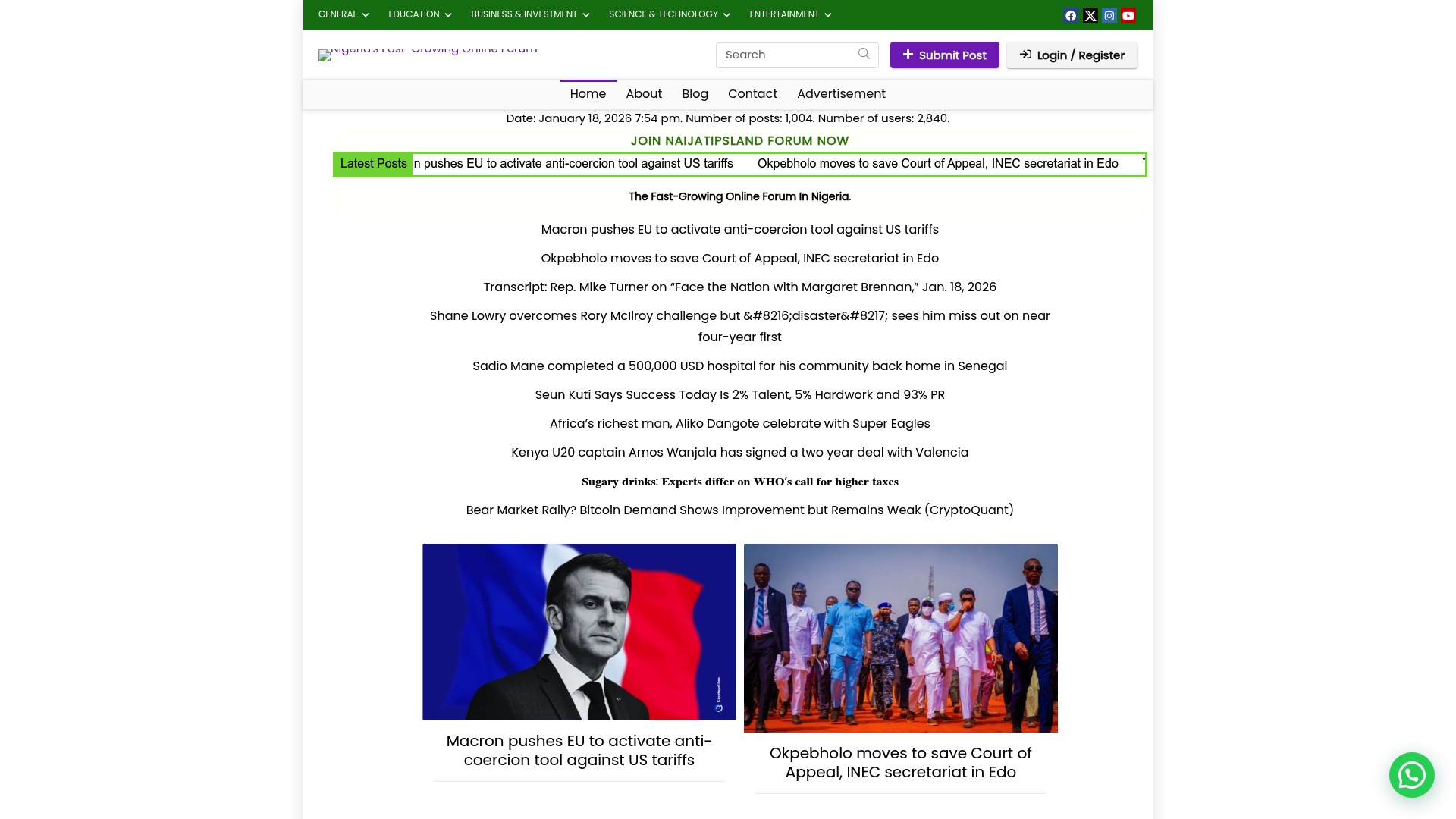
Learn to start online discussion forums where you can share insights from international news and debate implications for Nigeria. Understanding forum etiquette ensures your contributions elevate conversations rather than creating conflict. Master techniques for discussing politics respectfully to make your voice heard while maintaining productive dialogue. These resources empower you to become an informed, influential participant in Nigeria’s civic conversations.
How does following international news benefit Nigerian young professionals specifically?
Following international news gives Nigerian professionals competitive advantages in career planning and investment decisions. You anticipate industry trends before they reach Nigeria, positioning yourself for emerging opportunities. Understanding global economic shifts helps you time career moves and negotiate better compensation packages based on international market conditions.
Informed professionals engage more effectively in workplace discussions about company strategy and market positioning. You contribute insights colleagues miss, increasing your visibility and influence. This knowledge also helps you identify when to seek opportunities abroad versus staying in Nigerian markets.
What are the best sources to follow for accurate international news in Nigeria?
Combine established international outlets like Reuters, BBC, and Financial Times with Nigerian publications providing local context. This mix ensures you understand both global developments and their specific implications for Nigeria. Diversify across sources with different editorial perspectives to avoid bias.
Use staying updated strategies to build a systematic news consumption routine. Avoid relying solely on social media, which amplifies misinformation and creates echo chambers limiting your perspective.
How can international news impact Nigeria’s economy and politics?
Global oil prices directly influence Nigerian government revenues, inflation rates, and cost of living. Geopolitical tensions causing price volatility affect your daily expenses for transport and food. Understanding the role of oil in Nigeria’s economy helps you anticipate these impacts and plan accordingly.
International policy trends also shape Nigerian political decisions. Foreign investment flows respond to global economic conditions, affecting local stock markets and business opportunities. Staying informed helps you recognize these patterns and make strategic financial decisions.