Submit Post
Date: March 14, 2026 9:49 am. Number of posts: 2,536. Number of users: 3,192.

How to spot fake news in Nigeria: 2026 guide

Fake news spreads like wildfire across Nigerian social media, leaving young adults confused about what to believe. You scroll through WhatsApp groups, Twitter feeds, and Facebook timelines where sensational headlines compete for your attention, many deliberately crafted to mislead. The consequences reach beyond personal confusion, affecting elections, public health decisions, and community trust. This guide arms you with practical, culturally relevant strategies to identify misinformation, verify sources, and become a confident digital news consumer in Nigeria’s complex information landscape.

Table of Contents

Key takeaways

PointDetails
Fake news weaponizationPolitical actors deliberately spread false narratives during election cycles to manipulate voter opinions and create division
AI amplification challengeArtificial intelligence technologies in 2026 generate convincing fake images and text that traditional detection methods struggle to identify
Verification toolkitCombining reverse image search, fact-checking websites, and critical thinking skills provides robust defense against misinformation
Community support roleParents, teachers, and trusted community members strengthen young people’s ability to navigate online information safely
Multi-step verificationCross-checking sources, examining author credentials, and scrutinizing visual content are essential habits for responsible news consumption

Understanding fake news and why it spreads in Nigeria

Fake news refers to deliberately false or misleading information presented as legitimate journalism, distinct from misinformation (unintentional errors) and disinformation (intentional deception). Nigeria’s vibrant online spaces have become breeding grounds for fabricated stories, manipulated images, and distorted facts that circulate rapidly through social networks. The sheer volume of content shared daily across platforms makes verification challenging, especially when sensational headlines trigger emotional responses that override critical thinking.

Political actors weaponize misinformation during elections, spreading false narratives to manipulate voter opinions and damage opponents’ reputations. The 2023 election cycle saw unprecedented levels of coordinated disinformation campaigns, with fabricated quotes, doctored images, and completely invented scandals flooding WhatsApp groups and Twitter feeds. As Nigeria approaches the 2027 elections, these tactics have grown more sophisticated, making early preparation crucial for informed citizenship.

Artificial intelligence has transformed the fake news landscape in 2026, with AI-powered tools threatening election integrity through convincingly manipulated visuals and generated text that mimics legitimate news writing. Deepfake videos showing politicians making statements they never uttered, AI-generated images of events that never happened, and algorithmically crafted inflammatory posts have made spotting fakes exponentially harder. Traditional red flags like poor grammar or obvious photo manipulation no longer reliably indicate fabricated content.

The impact of fake news on Nigerian society extends across multiple dimensions:

  • Political polarization intensifies as false narratives harden tribal and regional divisions
  • Public health suffers when medical misinformation spreads during disease outbreaks
  • Trust in legitimate journalism erodes as people struggle to distinguish real from fake
  • Young internet users become particularly vulnerable due to limited media literacy training
  • Economic decisions get influenced by fabricated business news and investment scams

Understanding the fake news social media impact and how viral news in Nigeria spreads provides essential context for developing effective detection skills. The psychological mechanisms that make fake news appealing, such as confirmation bias and emotional triggers, work the same whether content is true or false, requiring deliberate counter-strategies.

What you need to prepare: tools and mindset for spotting fake news

Before diving into verification techniques, cultivate a questioning mindset that treats online information with healthy skepticism rather than automatic acceptance. This doesn’t mean becoming cynical or distrusting everything, but rather approaching news with curiosity and willingness to investigate before forming conclusions. Adolescents’ online safety behaviors depend on threat awareness and confidence in their ability to cope with digital risks.

Develop these essential mental habits for effective news evaluation:

  • Skepticism toward sensational claims that seem designed to provoke strong emotions
  • Curiosity about sources, authors, and the evidence supporting assertions
  • Patience to verify information before sharing it with your networks
  • Humility to admit when you’ve been fooled and correct mistakes
  • Awareness of your own biases and how they influence what you believe

Equipping yourself with digital verification tools transforms abstract skepticism into concrete action. The following table summarizes essential resources for Nigerian internet users committed to spotting fake news:

ToolPrimary UseAccess Level
Google Reverse Image SearchVerify photo origins and detect manipulated imagesFree, web-based
TinEyeAlternative image verification with detailed trackingFree with premium options
Africa CheckFact-checking African news claims and viral contentFree, Nigeria-focused
DubawaNigerian fact-checking platform for local storiesFree, mobile-friendly
NewsGuardBrowser extension rating news source credibilityPaid subscription
InVID/WeVerifyVideo verification and metadata analysisFree browser extension

Pro Tip: Before fully trusting shocking news, especially about politics or public figures, discuss it with trusted family members or community elders who can provide perspective based on their experience navigating Nigerian media landscapes.

Building connections with reliable information sources strengthens your foundation for news evaluation. Bookmark established Nigerian news outlets with strong editorial standards, follow respected journalists on social media, and join communities focused on ways to stay updated in Nigeria through credible channels. Understanding social media etiquette rules also helps you navigate online spaces more safely and responsibly.

Step-by-step guide: How to critically evaluate and verify news

Systematic verification transforms vague suspicion into confident assessment. Follow these steps whenever you encounter news that seems important, surprising, or emotionally charged:

  1. Examine the source by checking the website’s About page, contact information, and publication history to determine legitimacy
  2. Cross-reference the story with multiple reputable news outlets to see if they report the same facts
  3. Investigate the author by searching their name, credentials, and previous work to assess expertise
  4. Scrutinize images and videos for signs of manipulation, inconsistent lighting, or mismatched contexts
  5. Verify dates and timing to ensure old content isn’t being presented as current news
  6. Analyze language for sensationalism, emotional manipulation, or grammatical patterns suggesting automated generation
  7. Check supporting evidence by following links to original sources and confirming they actually say what’s claimed
  8. Consult fact-checking organizations that have already investigated viral claims

Watch for these common red flags that signal potential fake news:

  • Contradictory details within the same story that don’t align logically
  • Absence of official sources or verifiable quotes from real people
  • Emotional language designed to trigger anger, fear, or outrage rather than inform
  • Suspicious URLs that mimic legitimate news sites with slight spelling variations
  • Lack of byline or author information suggesting anonymous fabrication
  • Claims that seem too perfectly aligned with partisan talking points

Parents serve as primary support networks for adolescent online safety, though communication approaches vary, highlighting the importance of building trusted relationships for discussing questionable content. Understanding the social media impact in Nigeria and the role news forums play helps contextualize where and how misinformation spreads.

Comparing traditional fact-checking methods with modern social media verification tools reveals complementary strengths:

ApproachStrengthsLimitations
Traditional fact-checkingThorough investigation, expert analysis, detailed reportsSlower process, may miss viral content before it spreads
Social media toolsReal-time monitoring, crowd-sourced verification, rapid alertsPotential for mob mentality, varying accuracy, less depth
Hybrid methodCombines speed with rigor, leverages both expert and community inputRequires more effort, needs digital literacy skills

Pro Tip: During politically sensitive periods like election seasons, take extra time before sharing any content about candidates or parties, as misinformation campaigns intensify when stakes are highest.

Involving trusted peers or family members in evaluating questionable news aligns with Nigerian social practices that value collective wisdom over isolated individual judgment. Group discussion often reveals perspectives and knowledge you might miss alone, strengthening overall assessment accuracy.

Verifying content authenticity: digital tools and resources for Nigerian internet users

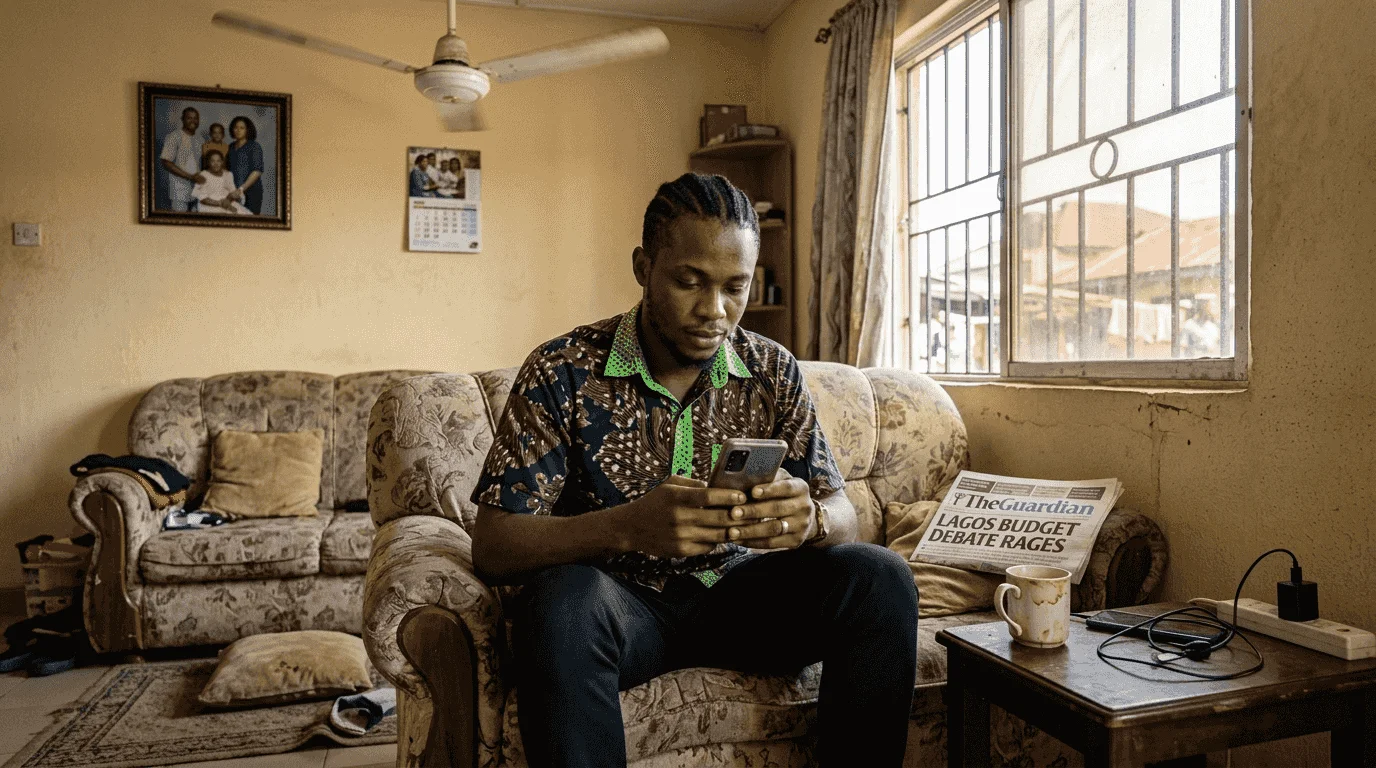
Technology-assisted verification complements critical thinking by providing objective data about images, videos, and sources. Reverse image search tools like Google Images and TinEye let you upload suspicious photos to discover their original context, revealing when old images get recycled for new false narratives. Simply right-click an image and select “Search Google for image” or visit TinEye.com to upload the file directly.

Nigerian woman verifying news on computer

Fact-checking websites operated by Nigerian journalists and international organizations provide pre-verified assessments of viral claims. Africa Check and Dubawa specifically focus on content circulating in Nigerian online spaces, investigating everything from political statements to health advice. These platforms publish detailed explanations of their methodology, allowing you to learn verification techniques while getting answers about specific claims.

Advanced detection technologies address the growing challenge of AI-generated misinformation. The Graph-Augmented Transformer Ensemble model achieves high accuracy in identifying fabricated news by analyzing linguistic patterns and network propagation characteristics. Meanwhile, modern multi-modal detection methods incorporate large language models and social network analysis to spot sophisticated fakes.

Infographic showing steps to spot fake news

Key digital verification resources available to Nigerian users include:

ResourceFeaturesEase of UseAccess
Google Reverse ImageComprehensive database, mobile integrationVery easyFree, any device
Africa CheckNigeria-focused, detailed reportsEasyFree, web and mobile
DubawaLocal context, quick verdictsEasyFree, optimized for Nigeria
InVID/WeVerifyVideo analysis, metadata extractionModerateFree browser extension
Bellingcat toolsAdvanced open-source investigationAdvancedFree, technical knowledge helpful
SnopesInternational fact-checking, extensive archiveEasyFree with ads

Pro Tip: Use multiple verification tools rather than relying on a single source, as increasingly sophisticated AI-generated content can sometimes fool individual detection methods but rarely fools comprehensive cross-checking.

Understanding tool limitations prevents overconfidence in technological solutions. AI detection algorithms struggle with lightly altered images that maintain photographic realism while changing crucial details, a technique commonly used in Nigerian political misinformation. Human judgment remains essential for contextual assessment that machines cannot replicate, such as evaluating whether a claim makes sense given local knowledge about Nigerian politics, culture, or geography.

Exploring news verification alternatives expands your toolkit beyond any single platform, ensuring you have backup options when primary resources are unavailable or inconclusive. Building a diverse verification strategy that combines automated tools, expert fact-checkers, and personal critical analysis creates the most robust defense against misinformation.

Empower your digital literacy journey with Naijatipsland

Naijatipsland.com serves as your partner in developing stronger media literacy skills and navigating Nigeria’s complex information environment with confidence. Our platform provides resources specifically designed for Nigerian internet users who want to engage more thoughtfully with online content, distinguish credible journalism from fabrication, and participate in digital communities responsibly.

https://naijatipsland.com

Explore our guides on starting online discussion forums that prioritize truth and respectful dialogue, learn why forum etiquette matters for productive conversations, and discover how journalists tackle urban challenges through rigorous reporting standards. Our community connects you with fellow Nigerians committed to elevating online discourse and supporting each other’s growth as informed digital citizens.

What is fake news and how does it affect Nigeria?

Fake news consists of deliberately false or misleading information presented as legitimate journalism, created to deceive readers for political, financial, or ideological purposes. In Nigeria, it manifests as fabricated political scandals during elections, false health claims during disease outbreaks, and invented tribal conflicts designed to increase social tensions. The impact extends beyond individual confusion to undermine democratic processes, erode trust in institutions, and create real-world harm when people make decisions based on false information.

How can I verify if a news story is genuine?

Start by examining the source’s credibility through their About page, editorial standards, and publication history. Cross-reference the story with multiple established news outlets to confirm key facts align across independent reporting. Inspect any images or videos for manipulation signs, verify the author’s credentials and previous work, and check publication dates to ensure old content isn’t being recycled. Use fact-checking websites like Africa Check or Dubawa to see if the claim has already been investigated, and be especially skeptical of sensational headlines designed to trigger strong emotions.

What digital tools are best for spotting fake news in Nigeria?

Google Reverse Image Search and TinEye help verify photo authenticity by revealing original sources and previous uses. Nigerian-focused fact-checking platforms like Africa Check and Dubawa provide pre-verified assessments of viral claims circulating locally. Browser extensions such as NewsGuard rate source credibility, while InVID/WeVerify analyzes video content for manipulation. Combining multiple tools creates stronger verification because sophisticated AI-generated misinformation can sometimes fool individual detection methods but rarely survives comprehensive cross-checking across different platforms.

How can parents and communities support youth in safer online news consumption?

Parents function as primary support networks for adolescent online safety, though communication approaches vary in effectiveness and openness. Open dialogue about online experiences without harsh judgment encourages young people to share concerns and seek guidance when encountering questionable content. Communities can organize media literacy workshops, share verification resources through schools and religious organizations, and model responsible information sharing practices. Building young people’s confidence in their ability to critically evaluate news, rather than simply restricting access, creates lasting resilience against misinformation throughout their digital lives.

NTL
We will be happy to hear your thoughts

      Leave a reply

      Nigeria's Fast-Growing Online Forum for News & Discussions
      Logo
      1