

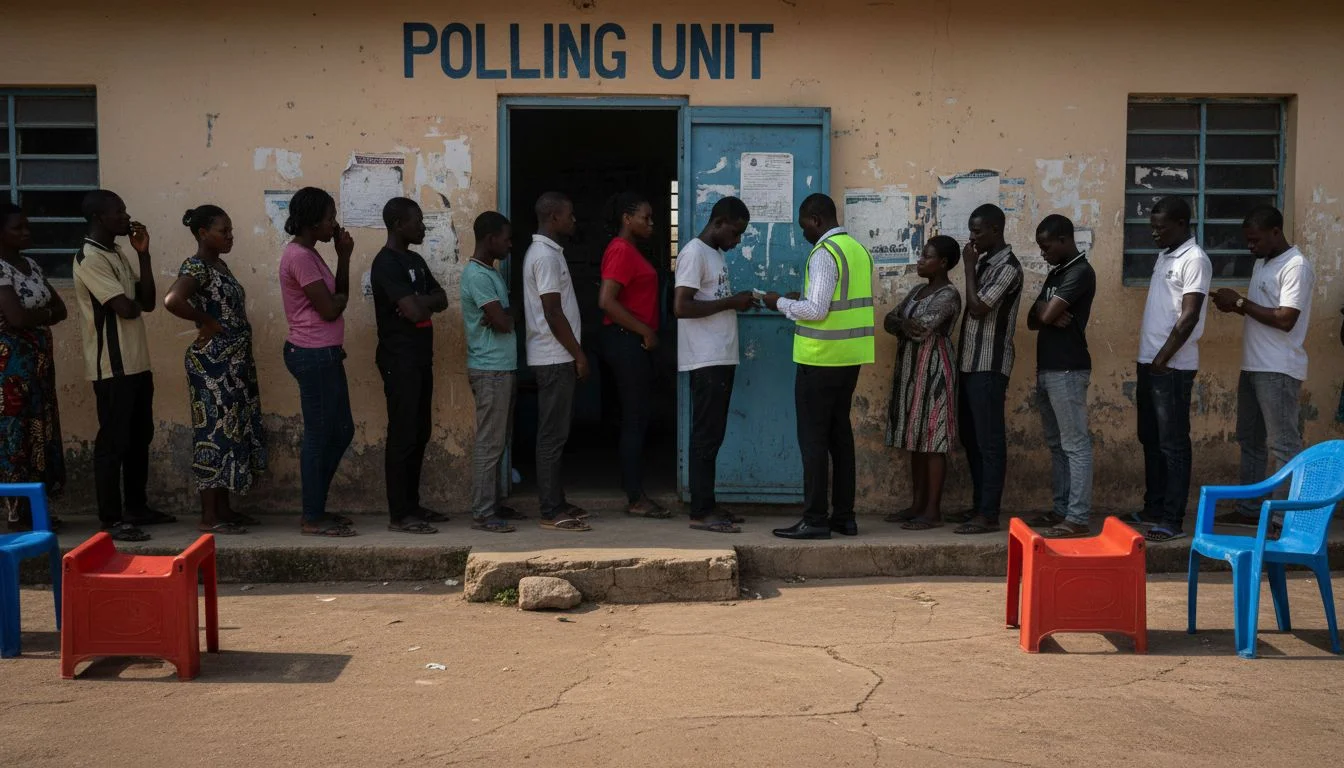
Did you know only about one-third of Nigerians voted in the 2019 elections, despite having the power to influence the country’s future significantly? Many young Nigerians believe their vote doesn’t matter. This article explains why voting is a crucial civic duty that empowers citizens and shapes Nigeria’s democracy, offering clear evidence and practical guidance for first-time voters.
Table of Contents
- Introduction: The Role of Voting In Nigeria’s Democracy
- Why Voting Matters: Impact On Governance And Accountability
- Common Misconceptions About Voting In Nigeria
- Comparative Insights: Voting In Nigeria Versus Similar Democracies
- Overcoming Barriers: How To Engage Despite Challenges
- Get Involved: Join Nigeria’s Most Trusted Online Forum For Civic Discussions
- Frequently Asked Questions About Voting In Nigeria
Key Takeaways
| Point | Details |
|---|---|
| Voting drives accountability | Participation directly influences governance quality and reduces corruption. |
| Youth votes decide outcomes | Young voters have decisively shaped gubernatorial races in multiple Nigerian states. |
| Reforms follow voter mandates | 65% of major policy changes from 2015-2023 were linked to voter-driven mandates. |
| Myths reduce turnout | Misinformation and distrust prevent participation but can be corrected with facts. |
| Engagement overcomes barriers | Community education and informed preparation empower voters despite challenges. |
Introduction: The Role of Voting in Nigeria’s Democracy
Voting represents your fundamental democratic right and civic responsibility as a Nigerian citizen. It’s the most direct way you shape who leads and how they govern. Yet only about 35% of eligible Nigerians voted in the 2019 general elections, highlighting widespread voter apathy that threatens democratic health.
Several factors contribute to this low turnout:
- Misinformation campaigns spread false narratives about voting futility
- Deep-seated distrust in electoral processes and political institutions
- Election violence fears that discourage participation in volatile areas
- Lack of civic education about voting’s concrete impact
Understanding Nigerian democracy basics helps you recognize voting as more than a periodic ritual. It’s your tool for empowerment and shaping Nigeria’s future trajectory. When you vote, you activate what we call the Civic Empowerment Cycle. Your ballot contributes to electing leaders who must respond to your needs. Those leaders implement policies reflecting voter priorities. Accountability follows when citizens monitor performance and vote again based on results. This cycle strengthens democratic consolidation over time.
Every election offers you the chance to reset this cycle. Your participation signals to political leaders that citizens are watching and expect results. Staying home sends the opposite message: that leaders face no electoral consequences for poor performance.
Why Voting Matters: Impact on Governance and Accountability
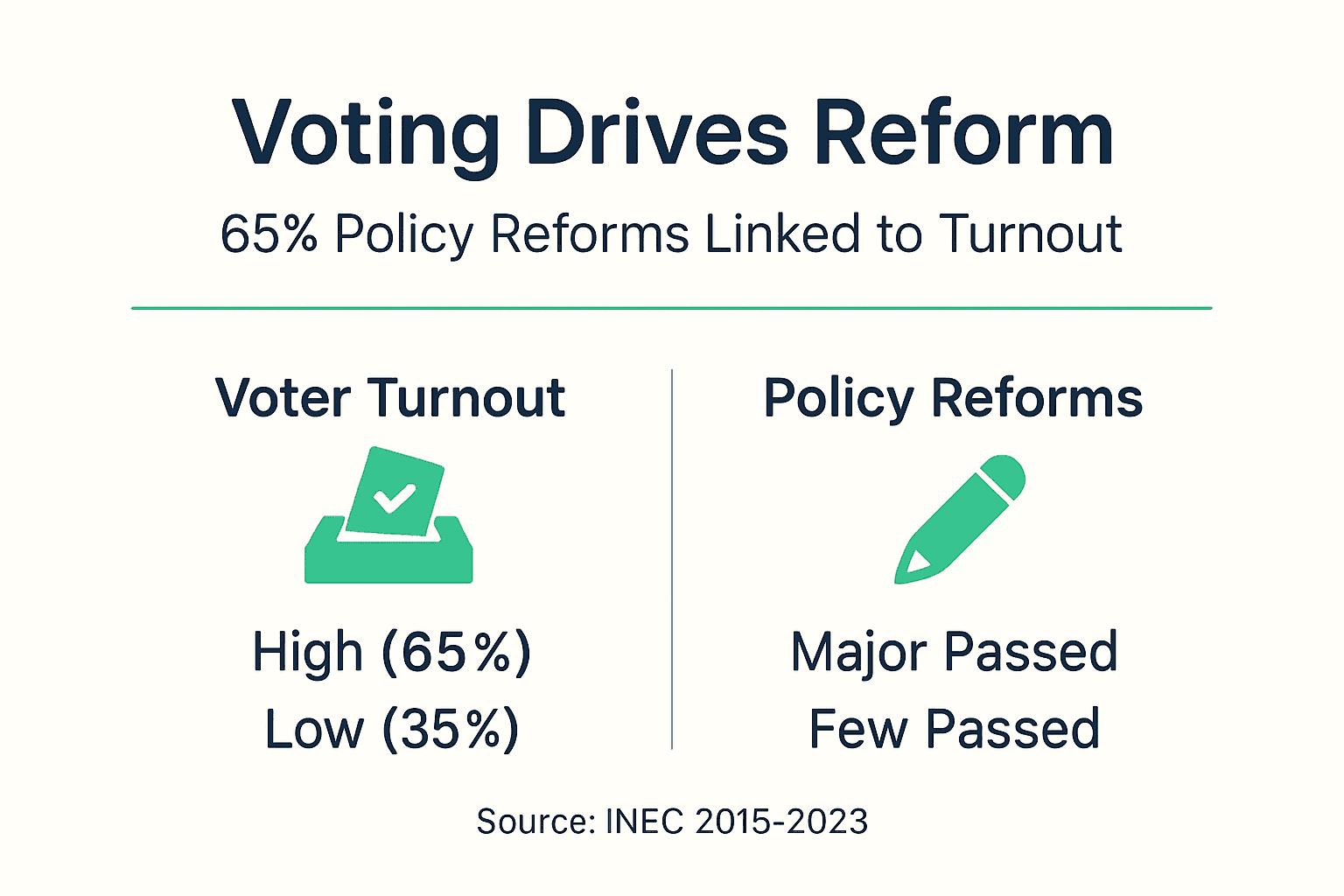
Your vote creates concrete changes in how Nigeria is governed. Research shows 65% of major policy reforms in Nigeria from 2015-2023 were linked to voter-driven mandates. When citizens turn out in large numbers, elected officials respond differently.
Higher voter participation correlates with several governance improvements:
- Reduced corruption as leaders fear electoral backlash
- Increased policy responsiveness to citizen needs and priorities
- Better service delivery in education, healthcare, and infrastructure
- Greater transparency in government spending and decision-making
Informed voting compels accountability from elected officials. When you vote based on performance records rather than ethnic or religious lines, politicians must deliver results to earn reelection. This creates a healthy competition for your vote based on competence and achievement.
Pro Tip: Stay engaged beyond election day by following government actions and attending town halls. Continuous civic participation reinforces the accountability your vote creates.
Each vote you cast contributes to the collective mandate shaping leadership decisions. Politicians track turnout data and demographic voting patterns. When young voters participate in large numbers, policies addressing youth unemployment, education reform, and digital innovation receive more attention. Your generation’s turnout directly influences whether leaders prioritize your concerns. Understanding these civic engagement benefits helps you see voting as part of broader democratic participation.
Common Misconceptions About Voting in Nigeria
Several myths discourage Nigerian youth from voting. Let’s debunk them with facts.
Myth: My single vote doesn’t matter. Reality: Youth votes were decisive in gubernatorial races in at least 4 Nigerian states in 2015, proving individual votes aggregate into election-deciding margins. Close races are won by hundreds or thousands of votes, each one counting equally.
Myth: Voting doesn’t lead to real change. Reality: The 65% reform statistic directly contradicts this. When voter turnout increases, policy changes follow. States with higher participation rates consistently show better governance indicators.
Myth: Young people don’t vote because they don’t care. Reality: 60% of youth cite misinformation and mistrust as reasons for non-voting, not disinterest. Most young Nigerians care deeply about their country’s future but face barriers discouraging participation.
“The primary obstacle isn’t apathy but the deliberate spread of misinformation that convinces young voters their participation is futile. When youth understand their electoral power, turnout increases dramatically.”
You can overcome these myths by seeking credible information from trusted sources. Learn to address voter misinformation by verifying claims through multiple reliable channels. Reject the apathy narrative pushed by those who benefit from low youth turnout. Your generation has the numbers to decide every election if you show up.
Every barrier you face is designed to discourage participation. Recognizing these myths as deliberate suppression tactics rather than truth empowers you to vote despite them.
Comparative Insights: Voting in Nigeria Versus Similar Democracies
Comparing Nigeria with neighboring democracies reveals both challenges and opportunities. Ghana provides instructive lessons as a regional peer with stronger democratic indicators.
| Metric | Nigeria | Ghana |
|---|---|---|
| Voter Turnout (Recent Elections) | 35% | 79% |
| Democracy Stability Index | Medium | High |
| Voter Education Programs | Limited | Extensive |
| Youth Participation Rate | Low | Moderate-High |
| Electoral Violence Incidents | Frequent | Rare |
Ghana consistently achieves voter turnout above 60% with stronger democratic stability indexes due to several factors Nigeria can emulate. Ghana invests heavily in voter education starting in schools, ensuring citizens understand electoral processes before reaching voting age. Their electoral commission maintains higher public trust through transparent operations and swift dispute resolution.
Effective mobilization campaigns in Ghana target young voters specifically, using social media and community outreach to counter apathy. Political parties compete on policy platforms rather than ethnic divisions, encouraging issue-based voting. Election security measures reduce violence, making polling stations feel safer.
Nigeria can learn from these successes. Increased investment in civic education would prepare first-time voters better. Strengthening electoral commission independence and transparency builds trust. When youth participation rises, democratic health improves through fresh perspectives and renewed accountability demands. Your generation can drive this transformation by voting consistently and encouraging peers to participate.
Overcoming Barriers: How to Engage Despite Challenges
First-time voters face legitimate obstacles, but practical strategies help you participate confidently despite challenges.
Common barriers include:
- Fear of election violence in volatile constituencies
- Distrust of electoral processes and vote-counting integrity
- Misinformation about registration requirements and voting procedures
- Logistical challenges like long polling station distances
- Intimidation tactics by political actors
You can overcome these barriers effectively:
- Combat misinformation: Verify voting information through official INEC channels and trusted civic organizations before believing social media claims.
- Address safety concerns: Vote early in the day when polling stations are less crowded and tensions lower. Go with friends or family for added security.
- Build trust: Serve as a polling agent or observer to witness the process firsthand and ensure transparency.
- Prepare thoroughly: Confirm your registration status, locate your polling unit, and bring required identification weeks before election day.
- Stay informed: Follow credible news sources and engage in voter education and discussions to understand candidates and issues clearly.
Pro Tip: Join community voter education forums and peaceful civic groups to build confidence and learn from experienced voters who’ve navigated these challenges successfully.
Voter mobilization efforts in conflict-prone Nigerian states have improved turnout significantly, proving that organized preparation overcomes barriers. First-time voters who prepare reduce anxiety and hesitation dramatically. Understanding practical steps for youth participation transforms voting from intimidating to empowering.
Continuous engagement strengthens your democratic participation beyond single elections. Attend town halls, join civic forums, and discuss political issues with peers. This sustained involvement builds the collective power necessary for lasting democratic improvements.
Get Involved: Join Nigeria’s Most Trusted Online Forum for Civic Discussions
Understanding why voting matters is just the first step. Staying informed and engaged between elections sustains the democratic progress your vote creates.
Naijatipsland serves as your platform for continuous civic education and community engagement. Our forum connects you with fellow Nigerians discussing political developments, policy changes, and electoral issues in real time. You’ll find detailed analyses, fact-checks, and diverse perspectives helping you make informed voting decisions.
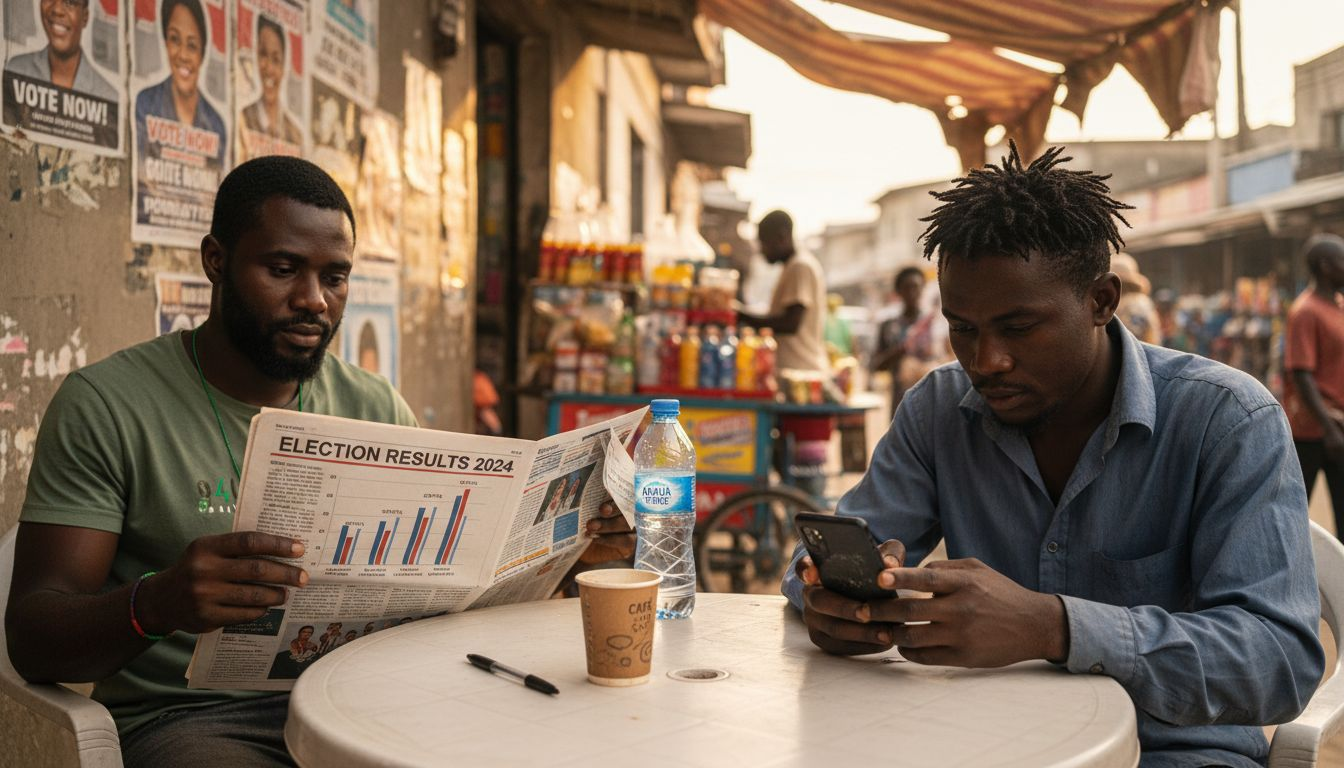
Online forums play a crucial role in empowering informed voting and civic responsibility. When you participate in discussions, ask questions, and share informed opinions, you strengthen Nigeria’s democratic culture. The Naijatipsland blog offers regular updates on electoral processes, candidate platforms, and governance issues affecting your daily life. Our community fact-checks misinformation and provides credible sources, helping you navigate Nigeria’s complex information landscape. Understanding the role of news forums in Nigeria shows how digital platforms democratize access to civic information and amplify citizen voices.
Join thousands of Nigerians committed to informed participation and democratic accountability. Your voice matters in shaping the conversations that influence our collective future.
Frequently Asked Questions About Voting in Nigeria
What is the minimum voting age in Nigeria?
You must be at least 18 years old to register and vote in Nigerian elections. Registration requires valid identification and proof of residency in your constituency.
How can first-time voters prepare for election day?
Confirm your voter registration status on the INEC website at least one month before election day. Locate your designated polling unit and visit it beforehand to know exactly where to go. Bring your voter card and valid identification on election day.
Does voting really lead to change in Nigerian politics?
Yes, empirical evidence shows 65% of major policy reforms between 2015-2023 resulted from voter-driven mandates. When turnout increases, elected officials respond with better governance and greater accountability to avoid electoral consequences.
What can I do if I encounter misinformation about voting?
Verify claims through official INEC channels and multiple credible news sources before sharing. Report false information on social media platforms and educate peers with factual corrections. Join trusted civic forums where information undergoes community fact-checking.
How does voting influence accountability of elected officials?
Elected officials who face strong voter turnout must deliver results to win reelection. Your vote creates electoral consequences for poor performance, compelling leaders to prioritize citizen needs over personal interests. Consistent participation across elections reinforces this accountability cycle.
Can youth votes actually decide election outcomes?
Absolutely. Youth votes decided gubernatorial races in at least four Nigerian states during 2015 elections. Young voters represent Nigeria’s largest demographic group, giving your generation decisive electoral power when you participate in large numbers.
Recommended
- NIGERIA DAILY: Why Saturday’s FCT Area Council Elections Recorded Low Voter Turnout / Naijatipsland
- Reforms Aim To Grow Non-oil Exports / Naijatipsland
- ‘Nigerians Will Vote Massively For Me If I Contest Presidency’ — Wike / Naijatipsland
- Citizens Demand Stronger Electoral Safeguards On 2026 Electoral Act • Channels Television / Naijatipsland