


How to avoid POS agents fraud in Nigeria has become a common question in the country’s financial ecosystem. From cash withdrawals and deposits to transfers and bill payments, POS agents provide everyday banking access—especially in areas where bank branches and ATMs are limited. However, the rapid growth of POS services has also created opportunities for fraudsters to exploit unsuspecting customers.
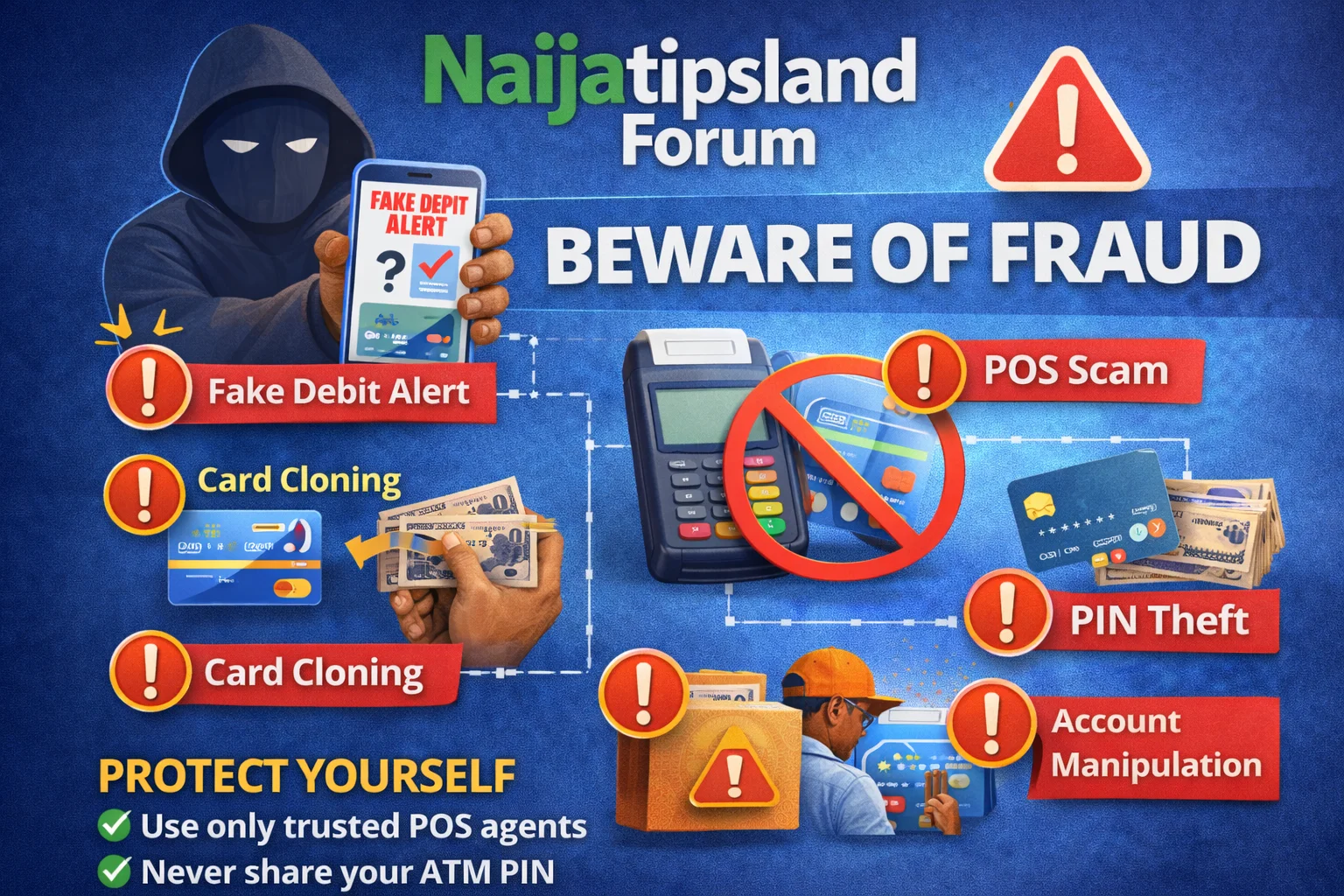
POS agent fraud in Nigeria ranges from fake debit alerts and under-dispensed cash to card cloning, PIN theft, and account manipulation. Many victims only discover the fraud after funds have disappeared, and recovery can be difficult.
This in-depth guide explains how to avoid POS agent fraud in Nigeria, identifies common scam tactics, outlines red flags, and provides practical, step-by-step safety measures. Whether you are a student, trader, salary earner, or business owner, this article will help you protect your money and personal data.
Understanding How to Avoid POS Agents Fraud in Nigeria
What Is POS Agent Fraud?
POS agent fraud occurs when a POS operator—or someone impersonating one—intentionally deceives customers to gain unauthorized access to their money or sensitive banking details. This can happen during withdrawals, transfers, or card transactions.
Fraud may be agent-led, device-based, or network-related, but the outcome is usually the same: financial loss for the customer.
Why POS Fraud Is Increasing in Nigeria
Several factors contribute to the rise in POS fraud:
Increased cashless policy adoption
High demand for quick cash withdrawals
Weak consumer awareness
Poorly regulated or informal POS setups
Low digital security literacy
Financial regulators like the Central Bank of Nigeria have issued multiple warnings about POS misuse, but customer vigilance remains the strongest defense.
Common Types of POS Agent Fraud in Nigeria
Understanding fraud patterns is the first step to prevention.
1. Fake Debit Alert Scam
The agent claims your transaction failed and asks you to transfer money instead. Later, your account is debited successfully.
How it happens:
Agent blames network failure
Requests manual transfer
Keeps both cash and debit
2. Under-Dispensing Fraud
You request ₦20,000 but receive ₦15,000. The agent insists that the full amount was given.
Why it works:
Many customers don’t count cash immediately due to trust or crowd pressure.
3. PIN Theft and Shoulder Surfing
Fraudsters watch you enter your PIN or distract you while memorizing it.
Result:
Your card is later used for unauthorized withdrawals.

4. Card Swapping or Card Capture
The agent deliberately swaps your ATM card with a similar one or retains it after a “failed transaction.”
5. POS Machine Manipulation
Some agents use tampered POS devices that store card data or alter transaction values.
6. Fake POS Agent Outlets
Fraudsters set up temporary POS points with banners and uniforms to look legitimate—especially during festive periods.
7. Delayed Reversal Scam
Agent assures you a failed transaction will reverse “within 24 hours” but disappears afterward.
Red Flags to Watch Out For at POS Outlets
Avoid POS agents if you notice any of the following:
Refusal to issue printed or SMS receipts
Requests for your ATM PIN verbally
Transactions done out of your sight
Rushed or aggressive behavior
Unprofessional or hidden POS devices
Claims that “network is down” repeatedly
If it feels suspicious, walk away immediately.
How to Avoid POS Agent Fraud in Nigeria (Practical Steps)
1. Use Only Trusted POS Locations
Prefer POS agents:
Inside bank premises
Within supermarkets, pharmacies, or filling stations
Registered with major banks or fintech companies
Avoid roadside or temporary stands, especially at night.
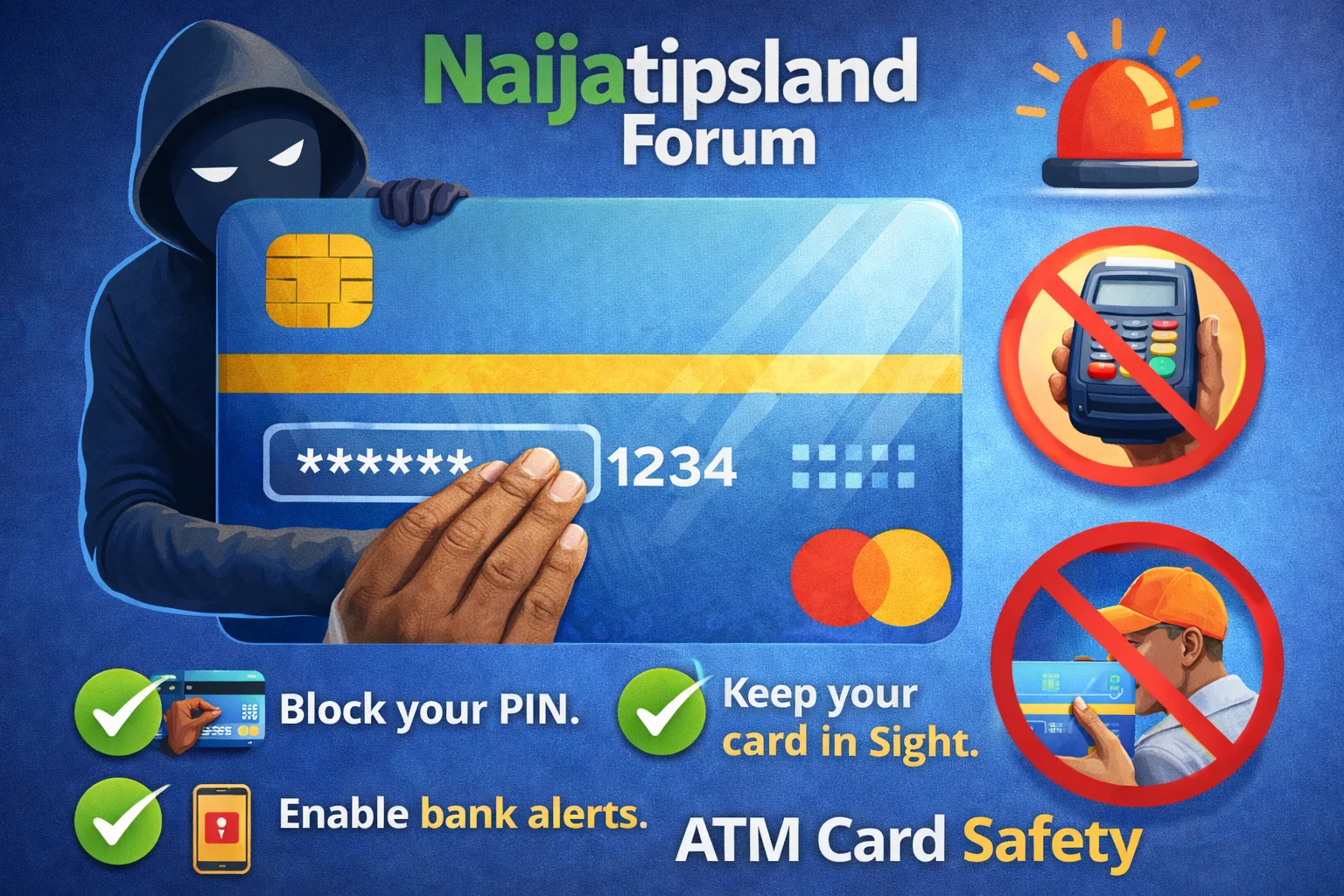
2. Never Share Your ATM PIN
No legitimate POS agent needs your PIN verbally.
Rule:
If anyone asks for your PIN—cancel the transaction immediately.
3. Always Count Cash Before Leaving
Count your money in front of the agent before stepping away. Do not be pressured by queues or noise.
4. Confirm Transaction Alerts Instantly
Check:
SMS alerts
Bank app notifications
Do not rely solely on the agent’s POS screen.
5. Keep Your Card in Sight
Never allow agents to:
Take your card behind counters
Insert it into unknown devices
6. Avoid POS Transactions During Network Issues
If the agent complains of “poor network,” postpone the transaction. Network instability increases fraud risk.
7. Enable Bank Transaction Alerts
Activate:
SMS alerts
Email notifications
Push notifications on your banking app
This helps you detect unauthorized transactions instantly.
8. Set Daily Withdrawal Limits
Lower ATM and POS withdrawal limits via your bank app or branch. This minimizes losses if fraud occurs.
9. Use Contactless or Transfer Alternatives
Where possible:
Transfer directly to the agent’s account
Use USSD banking
Withdraw from bank ATMs instead
10. Report Suspicious POS Agents Immediately
Report fraud attempts to:
Your bank
Law enforcement agencies such as the Economic and Financial Crimes Commission
Consumer protection channels
What To Do If You Are a Victim of POS Agent Fraud
If fraud occurs, act quickly:
Block your ATM card immediately
Contact your bank’s fraud desk
File a written complaint with transaction details
Report to law enforcement
Monitor your account daily
The faster you act, the higher your chances of recovery.
Legal and Regulatory Perspective on POS Fraud in Nigeria
The Central Bank of Nigeria regulates POS operations through licensed banks and fintech companies. Agents operating outside approved frameworks are illegal.
Fraud cases may involve:
Cybercrime laws
Financial misrepresentation
Identity theft
Victims can seek redress through banks, regulators, and courts.
Tips for POS Agents to Build Trust (Agent-Side Safety)
Ethical POS agents should:
Display valid agent ID
Issue receipts always
Use tamper-proof POS devices
Maintain transparent pricing
Educate customers on safe practices
Trustworthy agents reduce fraud perception and increase customer loyalty.
FAQ: How to Avoid POS Agent Fraud in Nigeria
1. What is POS agent fraud in Nigeria?
POS agent fraud involves deceptive practices by POS operators to steal money or banking details from customers.
2. How can I identify a fake POS agent?
Fake agents often refuse receipts, ask for PINs, or operate temporary roadside outlets.
3. Is it safe to withdraw money from POS in Nigeria?
Yes, if you use trusted agents, verify alerts, and follow safety precautions.
4. What should I do if a POS transaction fails?
Do not re-transfer money. Confirm alerts and contact your bank immediately.
5. Can POS agents steal my ATM card details?
Yes, through card swapping, PIN theft, or tampered devices.
6. How do I report POS fraud in Nigeria?
Report to your bank and agencies like the EFCC with transaction evidence.
7. Are POS agents regulated in Nigeria?
Yes, by the Central Bank of Nigeria through licensed banks and fintechs.
8. Should I give my PIN to a POS agent?
No. Never share your PIN with anyone.
9. How long do POS reversals take?
Legitimate reversals usually occur within 24–72 hours depending on the bank.
10. Can banks refund POS fraud losses?
Refunds depend on investigation outcomes and how quickly the fraud is reported.
11. Are roadside POS outlets safe?
They carry higher risk compared to POS points in formal business locations.
12. What is the safest POS transaction method?
Keeping your card in sight, confirming alerts, and counting cash immediately.
Conclusion
POS services are convenient, but blind trust can be costly. Understanding how to avoid POS agent fraud in Nigeria empowers you to protect your money, personal data, and peace of mind. By choosing trusted agents, guarding your ATM card and PIN, and acting quickly when something feels wrong, you significantly reduce your risk of fraud.
Stay alert, stay informed, and treat every POS transaction with caution—your financial safety depends on it.
ADENIYI is a freelance writer for naijatipsland.com, blogger, social commentator, and I.T personnel. He has written many articles on Science and Technology, Education, Sports, Politics, Religion, Relationships, Entertainment, Health and more. When he is not busy researching online, he probably reads some good books, all in the quest for knowledge and information.