


TL;DR:
- Over 41.5% of Nigerians find influencers more engaging than traditional media.
- Micro-influencers generate higher engagement and ROI than celebrities.
- Authenticity, trustworthiness, and community connection drive influencer effectiveness in Nigeria.
More than 41.5% of Nigerians find influencers more attention-grabbing than TV or radio ads. That number should stop you in your tracks. Traditional media still exists, but it no longer holds the same grip on young Nigerian minds. Influencers, whether they have 5,000 or 5 million followers, are quietly shaping what people buy, what slang they use, what music they stream, and even how they vote. This article breaks down the evidence behind that shift, explains what makes an influencer genuinely effective in the Nigerian market, and gives you practical insight into how this all connects to your daily digital life.
Table of Contents
- How influencers drive engagement in Nigerian social media
- What makes an influencer effective?
- Micro-influencers vs. celebrities: Who really drives impact?
- Navigating regulations, trust, and community expectations
- What most guides miss: Real influence starts with community and everyday choices
- Take your knowledge further: Connect, discuss, and create impact
- Frequently asked questions
Key Takeaways
| Point | Details |
|---|---|
| Influencers drive culture | Influencers set trends and spark conversations that shape what Nigerian youth buy, wear, and discuss daily. |
| Engagement beats fame | Micro-influencers with loyal audiences and high engagement outperform celebrities in ROI and impact. |
| Trust and values matter | Authenticity, credibility, and shared values are the real foundations of influencer effectiveness. |
| Community shapes influence | Offline recommendations and grassroots conversations often define real influence in Nigeria, not just follower counts. |
How influencers drive engagement in Nigerian social media
With the stage set, let’s look at exactly how influencers push trends in the social media world. The mechanism is not complicated, but it is powerful. When an influencer posts about a product, a place, or an idea, their audience does not just scroll past. They comment, share, tag friends, and sometimes rush to buy. That ripple effect is what brands are paying for.
Nigerian influencers are especially effective at creating conversations. A single Instagram reel or Twitter thread from a trusted voice can turn a small brand into a trending topic overnight. This is not accidental. Influencers understand their audience’s language, humor, and pain points. They speak the way their followers speak, and that familiarity builds trust faster than any billboard ever could.
Influencer marketing significantly impacts purchase intentions among Nigerian young adults in cities like Abuja, Lagos, and Anambra. The data confirms what many marketers already suspect: younger Nigerians between 15 and 24 years old are the most responsive group to influencer campaigns. They are online more, they trust peer recommendations, and they are actively shaping what becomes mainstream.
Here is a snapshot of how influencer content performs compared to traditional advertising in Nigeria:
| Content type | Average engagement rate | Trust level among youth | Conversion potential |
|---|---|---|---|
| Influencer posts | 4.5% to 8% | High | Strong |
| TV commercials | 0.5% to 1.5% | Moderate | Moderate |
| Radio ads | Below 1% | Low to moderate | Weak |
| Print/billboard | Unmeasurable | Low | Weak |
Three core qualities separate influencers who actually move the needle from those who just post content:
- Authenticity: Followers can tell when someone genuinely uses a product versus when they are just reading a script.
- Relatability: Influencers who share real-life moments, struggles, and wins feel like friends, not celebrities.
- Consistency: Showing up regularly builds familiarity, and familiarity builds trust over time.
“The most powerful influencer is not the one with the most followers. It is the one whose followers actually listen.”
You can explore more about influencers and Nigerian trends and understand the broader picture of social media’s influence on Nigerian culture to see how these forces connect.
What makes an influencer effective?
Now that we know how influencers spark interest, what exactly sets the most impactful ones apart? The answer goes beyond aesthetics or posting frequency. It comes down to a combination of personal traits, audience connection, and how well the influencer fits the brand they represent.
Research confirms that influencer characteristics such as attractiveness and expertise correlate with higher consumer satisfaction for Nigerian social media shoppers. But attractiveness here does not just mean physical appearance. It includes how appealing their content is, how polished their communication feels, and whether they come across as someone worth following.

Here is how the key influencer traits compare in terms of their impact on Nigerian audiences:
| Trait | What it means | Why it matters |
|---|---|---|
| Trustworthiness | Honest, transparent communication | Builds long-term loyalty |
| Authenticity | Genuine content, real experiences | Reduces skepticism |
| Expertise | Knowledge in their niche | Justifies recommendations |
| Brand fit | Alignment with product values | Makes promotions feel natural |
| Engagement | Active replies, community interaction | Signals real audience connection |
Here are the steps to evaluate whether an influencer is genuinely effective before a brand or campaign partnership:
- Check their comment section. Real engagement shows up in specific, thoughtful replies, not just emojis.
- Look at their content history. Consistency in tone and topic signals a focused, trusted niche.
- Measure their engagement rate, not just follower count. A creator with 20,000 engaged followers often outperforms one with 500,000 passive ones.
- Assess brand fit. Does the influencer’s lifestyle and values align with what the brand stands for?
- Review past partnerships. How did their audience respond to previous sponsored content?
Pro Tip: Use free tools like Social Blade or HypeAuditor to check an influencer’s growth patterns and spot fake followers before committing to a partnership.
Understanding the viral news effect also helps explain why some influencer content spreads far beyond the original audience, amplifying reach in ways that paid ads rarely achieve.
Micro-influencers vs. celebrities: Who really drives impact?
Beyond personal traits, let’s see how different types of influencers stack up in driving real engagement. This is where many brands get it wrong. They assume that bigger means better. The data tells a different story.
Micro-influencers are preferred for 60% higher engagement, with followings between 10,000 and 100,000, and brands are actively moving away from celebrities. That shift is not just about cost. It is about relevance. A micro-influencer in Ibadan talking about local skincare products carries more weight with their specific audience than a celebrity endorsement that feels distant and scripted.
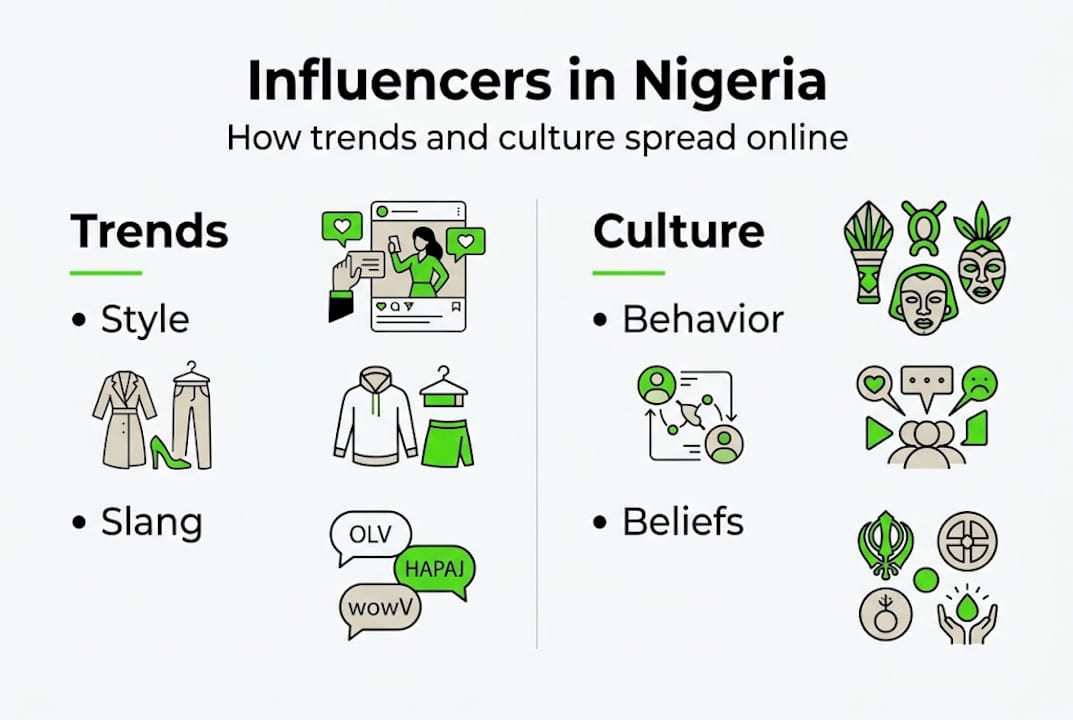
Here is how micro-influencers and celebrities compare across key marketing metrics:
| Metric | Micro-influencer | Celebrity influencer |
|---|---|---|
| Follower range | 10,000 to 100,000 | 500,000 and above |
| Engagement rate | 4% to 8% | 0.5% to 2% |
| Cost per post | Lower | Very high |
| Audience trust | High | Moderate |
| ROI potential | Up to 700% | Variable, often lower |
Key reasons brands in Nigeria are shifting toward micro-influencers:
- They speak directly to niche communities with shared interests.
- Their followers feel a personal connection, making recommendations more believable.
- They are more affordable, allowing brands to partner with multiple creators simultaneously.
- Instagram remains the leading platform, but micro-creators also thrive on TikTok and Twitter.
Pro Tip: Instead of spending your entire budget on one celebrity post, consider partnering with five to ten micro-influencers in your target city. You will likely reach a more engaged, relevant audience at a fraction of the cost.
You can read more about engagement trends in Nigeria to understand how content formats are evolving, and check out micro-influencer marketing tips for practical strategies that work in the Nigerian market right now.
Navigating regulations, trust, and community expectations
But with great power comes responsibility, so what rules and expectations shape influencer activity in Nigeria? The answer involves both formal regulations and informal community standards that are just as powerful.
The Advertising Regulatory Council of Nigeria, known as ARCON, is the body responsible for overseeing advertising standards in the country. ARCON sets essential standards, with a growing need for due diligence and crisis planning in influencer collaborations. This means brands can no longer treat influencer deals as informal arrangements. There are rules around disclosure, content accuracy, and audience protection that both brands and creators must follow.
Here are the key steps influencers and brands should take to stay compliant and protect their reputation:
- Always disclose paid partnerships clearly. Use labels like “Ad” or “Sponsored” in a visible position on the post.
- Verify product claims before promoting them. Sharing false information can lead to regulatory action and audience backlash.
- Build a crisis plan before launching any major campaign. Know what you will say if something goes wrong.
- Vet your partners carefully. Brands should research an influencer’s past behavior, and influencers should evaluate a brand’s reputation before agreeing to any deal.
- Stay updated on ARCON guidelines, which continue to evolve as digital marketing grows in Nigeria.
“In Nigeria’s influencer space, your reputation is your currency. One scandal can wipe out years of trust-building overnight.”
Community expectations also play a major role. Nigerian audiences are vocal. They will call out influencers who promote products they clearly do not believe in, who change their values for money, or who disappear after a controversy. Transparency is not optional. It is expected.
Learn more about digital ad regulations and the role of online content moderation in keeping Nigeria’s digital space accountable and fair for everyone.
What most guides miss: Real influence starts with community and everyday choices
Most conversations about influencer marketing focus on follower counts, brand deals, and viral moments. That framing misses something important. The most impactful influencers in Nigeria are not always the loudest voices online. They are the ones who show up consistently in conversations, offline meetups, community events, and everyday interactions.
Think about how information actually spreads in Nigeria. A recommendation shared in a WhatsApp group by someone you trust carries more weight than a polished Instagram ad. A market trader who recommends a product to a regular customer influences purchasing behavior in ways that no algorithm can fully capture. That is real influence, and it happens at the community level every single day.
For brands and young people alike, this is the lesson: authentic, helpful content that solves real problems will always outperform content built purely for vanity metrics. Chasing likes and follower counts without building genuine community trust is a short-term strategy with diminishing returns.
You can see this dynamic in action by exploring real community influence and how social media reinforces, rather than replaces, the offline relationships that Nigerians already value deeply.
Take your knowledge further: Connect, discuss, and create impact
To put these insights into action, here is how you can participate and grow your influence.
Naijatipsland.com is the space where these conversations are already happening. Whether you want to discuss the latest influencer controversy, share your take on a trending campaign, or learn how to build your own digital presence, the platform connects you with a community that gets it. Start by exploring why current affairs matter in shaping the conversations influencers are part of. Discover how discussing current affairs empowers Nigerian youth to think critically and engage meaningfully. And if you are ready to contribute your own voice, learn how to get started with online discussions and make your perspective count.
Frequently asked questions
Do influencers really affect Nigerian youth buying habits?
Yes, influencer marketing strongly shapes purchase decisions among Nigerian youth, boosting both interest and product satisfaction, especially in major cities like Lagos, Abuja, and Anambra.
What’s the difference between a celebrity and a micro-influencer in Nigeria?
Micro-influencers typically have 10,000 to 100,000 followers and drive up to 60% higher engagement and better ROI than celebrities with larger but less engaged audiences.
What platform do most Nigerian influencers use?
Instagram is the dominant platform, preferred by 87% of marketers running influencer campaigns in Nigeria, though TikTok and Twitter are growing rapidly.
How can you tell if an influencer is trustworthy?
Look for genuine engagement in their comments, transparent disclosures on sponsored posts, consistent values over time, and authentic audience trust reflected in how followers interact with their content.