
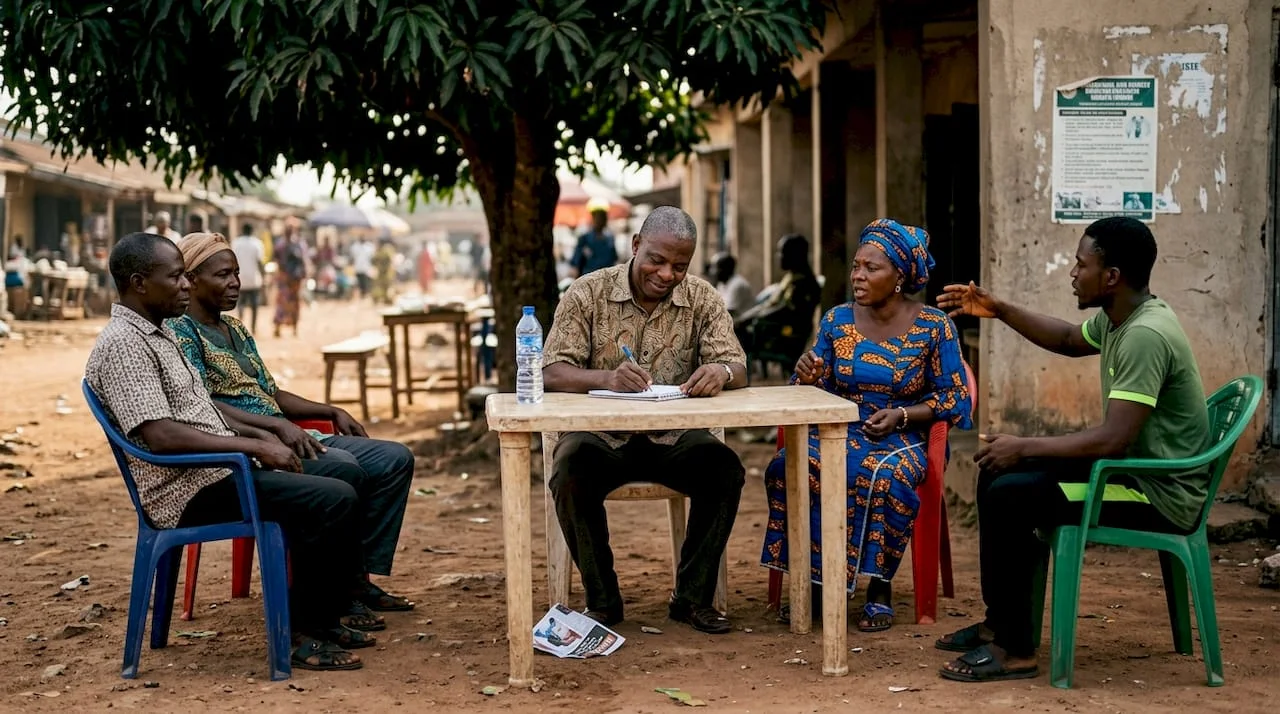
Community engagement in Nigeria often stalls before it even starts. Poor communication, lack of transparency, and exclusion of marginalized groups are among the most common reasons why well-intentioned initiatives collapse. As a community leader or activist, you know the frustration of organizing a meeting only for half the community to feel left out, or launching a project that loses steam after the first month. This guide gives you a step-by-step, proven roadmap built for Nigerian realities. From identifying barriers to measuring real impact, every section is designed to help you drive meaningful, lasting change in your community.
Table of Contents
- Understanding the challenges of community engagement in Nigeria
- Preparation: Setting goals, mapping stakeholders, and building partnerships
- Step-by-step execution: Recruiting volunteers and implementing activities
- Measuring impact and iterating for sustained engagement
- Why sustainable community engagement demands local leadership
- Next steps: Amplify your impact through connected engagement
- Frequently asked questions
Key Takeaways
| Point | Details |
|---|---|
| Preparation drives success | Clear goals and stakeholder mapping set the foundation for impactful engagement. |
| Inclusion is non-negotiable | Involving women, youth, and local leaders ensures sustainable progress. |
| Execution must be flexible | Different activities and communication styles should match community needs and capacity. |
| Measure and adapt | Monitoring results and iterating makes engagement long-lasting and trusted. |
Understanding the challenges of community engagement in Nigeria
Before you can fix a problem, you need to see it clearly. Nigerian communities face a specific set of barriers that make engagement harder than it looks on paper. Recognizing these early saves you time, money, and credibility.
The most common barriers include:
- Poor communication channels: Information often reaches only a small circle of people, leaving the wider community uninformed.
- Exclusion of youth and women: Many initiatives are led by older male figures, which limits the diversity of ideas and reduces buy-in from large population segments.
- Funding delays and mismanagement: Projects stall when funds are not released on time or when financial accountability is weak.
- Language and literacy gaps: In multilingual communities, using only one language or written materials shuts out a significant portion of residents.
- Political interference: Local politics can redirect community resources and distort priorities.
Weak participatory mechanisms result in high project failure rates across Nigerian communities. This is not a minor inconvenience. Failed projects erode public trust and make future engagement even harder.
Top-down approaches are a major culprit. When government agencies or NGOs design programs without genuine community input, residents feel like passive recipients rather than active participants. They comply on the surface but rarely take ownership. The result is a project that looks good in a report but changes nothing on the ground.
You can read more about community engagement benefits and how participation shapes well-being in Nigerian settings. Understanding the full picture helps you make the case to skeptical stakeholders.
“Communities are not problems to be solved. They are partners to be respected.” This mindset shift is the foundation of every successful engagement effort.
Research on community engagement strategies confirms that participatory models consistently outperform top-down designs in both reach and sustainability. The role of community news forums in spreading accurate information is also worth noting, especially in areas where formal communication systems are weak.
Preparation: Setting goals, mapping stakeholders, and building partnerships
Now that the challenges are clear, let’s lay the foundation for success with careful preparation. Skipping this stage is the single biggest mistake community leaders make. Preparation is not paperwork. It is the work.
Step 1: Define your purpose using SMART goals
Defining purpose and using SMART goals comes first in effective outreach. SMART stands for Specific, Measurable, Achievable, Relevant, and Time-bound. Instead of saying “we want to improve sanitation,” say “we will reduce open defecation in Ward 5 by 40% within six months by building three community toilets and running monthly hygiene workshops.”
Step 2: Map your stakeholders
Identify everyone who has a stake in the issue. This typically includes:
- Traditional rulers and community elders
- Women’s groups and market associations
- Youth organizations and student unions
- Civil society organizations (CSOs) and faith-based groups
- Local government officials and ward councilors
- Private sector actors and business owners
Step 3: Build trust before you build programs
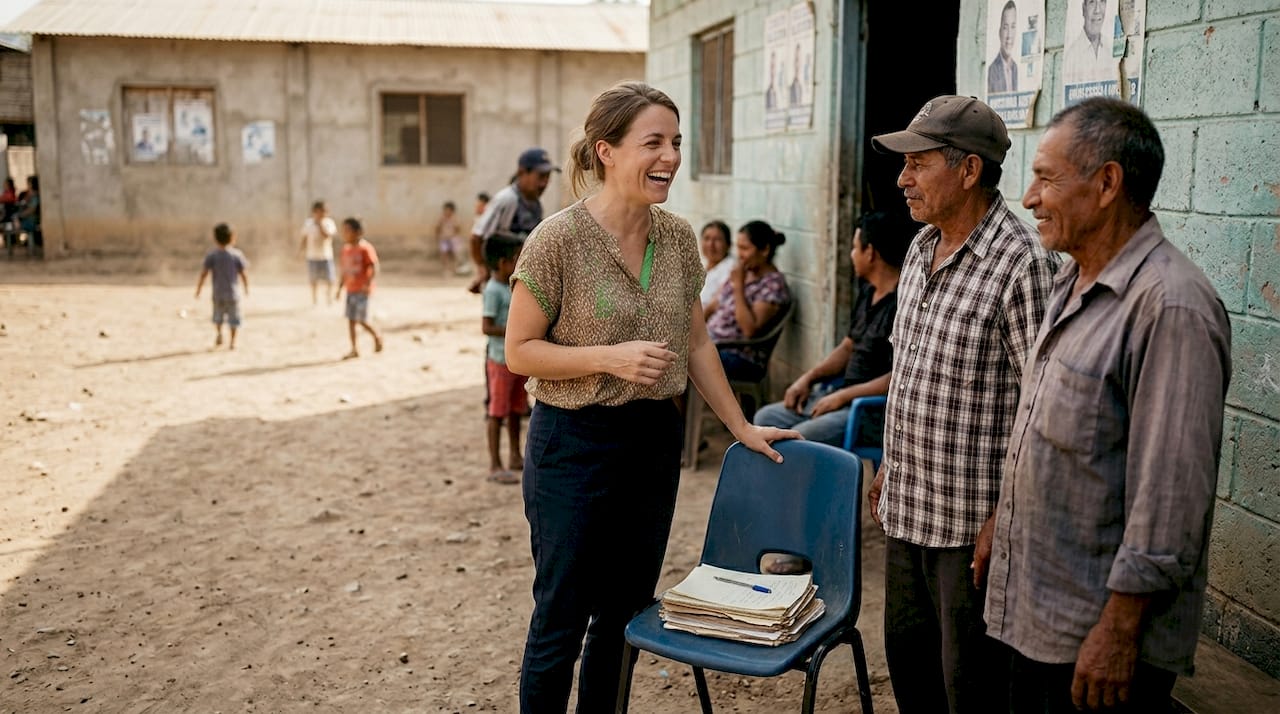
Trust is not given. It is earned through consistent, transparent behavior. Meet people where they are. Attend existing community gatherings before calling your own. Listen more than you speak in the early stages.
| Approach | Outcome |
|---|---|
| Top-down program design | Low ownership, high dropout |
| Stakeholder-led co-design | High ownership, sustained participation |
| One-time consultation | Surface-level buy-in |
| Ongoing dialogue | Deep trust and long-term commitment |
World Bank CDD projects show that community-driven development works best when communities are involved from the design phase, not just the implementation phase. This is a principle you can apply even without World Bank funding.
Pro Tip: Use a simple stakeholder map on paper. Draw three circles: inner circle for decision-makers, middle for influencers, outer for general community members. This visual helps you plan who to engage first and how.
If you are building an online presence alongside your ground-level work, this step-by-step launch guide can help you extend your reach digitally.
Step-by-step execution: Recruiting volunteers and implementing activities
With foundational relationships and goals in place, it is time to move from planning to action. Execution is where many leaders feel the pressure. The key is to start small, document everything, and scale what works.
Recruiting volunteers
- Announce the opportunity through trusted community channels: town criers, WhatsApp groups, church and mosque announcements.
- Be specific about what volunteers will do, how much time it requires, and what they will gain.
- Prioritize diversity. Aim for a team that reflects your community’s gender, age, and geographic spread.
- Provide basic training before any activity. Even a two-hour orientation improves performance significantly.
- Recognize and appreciate volunteers publicly. Recognition costs nothing and retains people.
Designing and running activities
Common engagement activities include health fairs, environmental clean-ups, and skills-building workshops, each with different cost and volunteer requirements.
| Activity | Volunteers needed | Estimated cost | Best for |
|---|---|---|---|
| Health fair | 10 to 20 | Moderate | Health awareness |
| Environmental clean-up | 5 to 15 | Low | Environmental issues |
| Skills workshop | 3 to 8 | Low to moderate | Economic empowerment |
| Town hall meeting | 2 to 5 | Very low | Policy dialogue |
| Youth sports event | 8 to 15 | Low | Youth engagement |
Pro Tip: Pilot your activity in one ward or neighborhood before scaling. A small test run reveals logistical problems you would never spot on paper.
Leverage the role of social media to promote activities and share results. Platforms like WhatsApp, Facebook, and X (formerly Twitter) reach Nigerians faster than printed flyers. You can also use community forums to keep discussions alive between physical events.
Evidence from stakeholder engagement research confirms that inclusive, well-structured participation leads to better project outcomes across Nigerian communities.
Measuring impact and iterating for sustained engagement
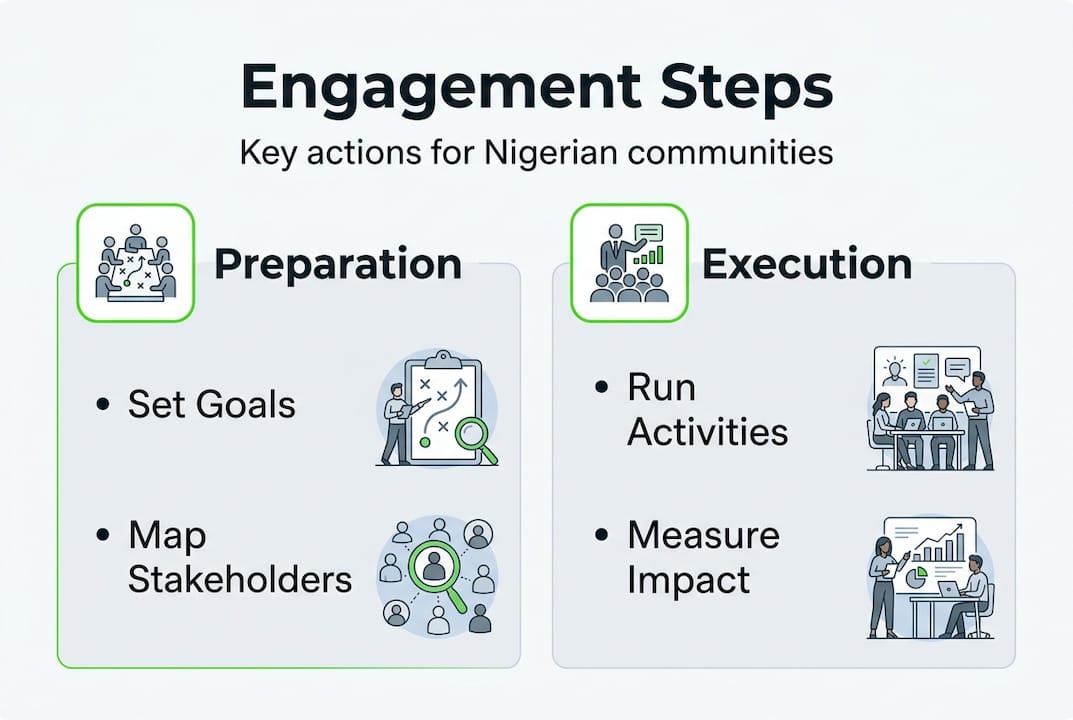
Executing activities is only half the challenge. Measuring what works ensures lasting success. Without clear metrics, you are guessing, and guessing wastes resources.
Key metrics to track:
- Attendance numbers: Are more people showing up over time? Declining attendance is an early warning sign.
- Demographic diversity: Are women, youth, and marginalized groups represented in roughly equal proportion to their share of the community?
- Feedback quality: Collect written or verbal feedback after every activity. Look for patterns, not just praise.
- Behavior change indicators: Has open defecation reduced? Are more people using health services? Are youth staying in school?
- Community ownership signals: Are community members initiating activities themselves, without waiting for you?
Measurable community engagement can influence mental health and socioeconomic mobility, as demonstrated by large-scale participatory projects targeting Nigerian women. This is not just a feel-good outcome. It is a documented, trackable result.
| What to measure | How to measure it | When to measure |
|---|---|---|
| Participation rate | Attendance register | Every activity |
| Community satisfaction | Short feedback form | Monthly |
| Behavior change | Observation and surveys | Quarterly |
| Economic outcomes | Income tracking, savings data | Biannually |
“What gets measured gets managed.” Apply this principle to community work and you will always know where to improve.
Iteration is essential. After each activity cycle, hold a brief review with your core team. Ask what worked, what did not, and what you would do differently. Then adjust. Communities evolve, and your approach must evolve with them.
You can explore the mental health benefits of sustained community participation to understand the deeper human impact of the work you are doing.
Why sustainable community engagement demands local leadership
Here is an uncomfortable truth most development reports avoid: the majority of externally funded community programs in Nigeria do not outlast their funding cycles. When the NGO leaves or the government project ends, the community returns to square one. Why? Because the program was never truly owned by the community.
Top-down models rarely sustain engagement. Communities must lead, with government and organizations acting as partners, not directors. This is not idealism. It is what the evidence consistently shows.
The most resilient community initiatives we have seen in Nigeria share one trait: a local leader who was trusted, accountable, and deeply embedded in the community before the initiative began. That trust cannot be imported or manufactured. It grows from years of showing up, being honest, and delivering on small promises before making big ones.
If you want your engagement work to outlast your personal involvement, invest in building other local leaders. Train them. Give them responsibility early. Let them fail safely and learn. The goal is not a successful project. The goal is a community capable of solving its own problems.
You can deepen your understanding of participation impact and how online and offline engagement reinforce each other in the Nigerian context.
Next steps: Amplify your impact through connected engagement
You now have a clear framework: understand the barriers, prepare thoroughly, execute with discipline, measure honestly, and lead locally. The next step is extending that work into digital spaces where millions of Nigerians are already having conversations about the issues that matter.
Naijatipsland.com is built for exactly this purpose. You can start online discussions that complement your ground-level work and reach community members who cannot attend physical events. Explore the documented engagement benefits to strengthen your case when speaking to funders or local government. And if you are new to digital organizing, the guide to online discussions gives you a practical starting point. Your community work does not have to stay local. With the right tools, it can inspire change far beyond your ward.
Frequently asked questions
What are the most important first steps in organizing community engagement in Nigeria?
Defining purpose and mapping stakeholders are the essential first steps. Start with a SMART goal and identify every group that has a stake in the issue before planning any activity.
How can community leaders ensure activities are inclusive in Nigeria?
Leaders should actively recruit and include women, youth, and traditional leaders from the planning stage. Inclusion of these groups is critical for genuine, broad-based engagement.
What types of activities are most effective for local Nigerian engagement?
Health fairs, clean-ups, and workshops are practical, low-cost, and consistently effective. They create visible results that build community trust quickly.
How can the impact of community engagement be measured?
Track attendance, collect regular feedback, and monitor real-life changes like improved health behaviors or economic outcomes. Measurable impact includes improved mental health and socioeconomic mobility, both of which can be tracked with simple community surveys.