


Nigeria’s digital services sector is expanding at 15% annually, reshaping how Nigerians work, bank, and build wealth. This growth touches everything from agriculture to entertainment, yet many young Nigerians remain unsure how it affects their daily lives. This guide clarifies what the digital economy actually includes, how it transforms local industries and personal finance, and practical ways you can benefit from these changes. Whether you’re curious about cryptocurrency’s real role or seeking income opportunities, understanding this digital shift matters now more than ever.
Table of Contents
- Introduction To The Digital Economy In Nigeria
- Core Components And Framework Of A Digital Economy
- Impact Of The Digital Economy On Nigerian Local Industries
- Digital Economy’s Influence On Personal Finance And Inclusion
- Common Misconceptions About The Digital Economy In Nigeria
- How Nigerian Millennials And Gen Z Can Engage With The Digital Economy
- Conclusion: Navigating And Benefiting From Nigeria’s Digital Economy
- Explore More On Naijatipsland
- Frequently Asked Questions
Key takeaways
| Point | Details |
|---|---|
| Growth rate | Nigeria’s digital services sector expands at 15% annually, transforming key economic sectors |
| Four pillars | Digital infrastructure, skills, services, and entrepreneurship form the framework driving this economy |
| Sector impact | E-commerce transactions grew 28% annually while agriculture market access rose 30% and entertainment revenue jumped 40% |
| Financial inclusion | Fintech tools increased inclusion from 46% to 64%, cutting SME transaction costs by 40% |
| Youth opportunity | Nigerian youth represent 60% of digital economy participants, leading innovation in fintech and entrepreneurship |
Introduction to the digital economy in Nigeria
The digital economy encompasses all economic activities enabled by internet technology, mobile services, fintech platforms, e-commerce sites, and digital content creation. In Nigeria, this translates to how you use mobile money, shop online, stream Nollywood content, or sell products through social media. Nigeria’s digital services sector is growing at 15% annually, making it one of Africa’s fastest expanding economic segments.
Three major Nigerian economic sectors feel the strongest impact. Agriculture benefits from digital marketplaces connecting farmers directly to buyers, bypassing middlemen. Finance transforms through mobile banking apps that serve previously unbanked communities. Entertainment evolves as streaming platforms and digital content creation generate new revenue streams for Nigerian creators.
Understanding the digital economy matters because it directly affects your ability to earn income, access financial services, and participate in modern commerce. For millennials and Gen Z, this knowledge opens doors to opportunities your parents’ generation never had. The Nigeria digital economy report shows this sector creates jobs faster than traditional industries.
Key components shaping Nigeria’s digital landscape include:
- Mobile internet penetration reaching urban and rural communities
- Fintech platforms offering payments, savings, and lending services
- E-commerce sites enabling online retail and marketplace transactions
- Digital content creation spanning music, video, and social media
- Tech startups solving local problems with innovative solutions
Core components and framework of a digital economy
A four pillars framework helps organize how the digital economy functions. These pillars interact to create the ecosystem where digital business thrives. Understanding each component clarifies where opportunities exist and how you can position yourself to benefit.
Digital infrastructure forms the foundation. This includes mobile networks, internet connectivity, and the physical technology enabling online activity. Nigeria’s improving 4G coverage and emerging 5G networks expand what’s possible for businesses and individuals. Without reliable infrastructure, other pillars cannot function effectively.
Digital skills and capacity building represent the human element. As automation and online platforms reshape work, Nigerians need technical literacy, digital marketing knowledge, and platform management abilities. Training programs and online courses help bridge skill gaps, preparing youth for digital economy jobs.
Digital services encompass platforms and applications people actually use. Fintech apps like OPay and PalmPay, e-commerce sites like Jumia, and ride-hailing apps like Bolt all qualify as digital services. These platforms create convenience while generating economic value and employment.
Nigerian digital entrepreneurship drives innovation through the fourth pillar. Startups identify local problems and build digital solutions, from agritech platforms helping farmers to edtech apps improving education access. This entrepreneurial energy fuels continued digital economy expansion.
| Pillar | Nigerian Examples | Economic Impact |
|---|---|---|
| Infrastructure | 4G/5G networks, data centers | Enables all digital activities |
| Skills | Coding bootcamps, digital marketing training | Prepares workforce for new jobs |
| Services | Fintech apps, e-commerce platforms | Creates convenience and efficiency |
| Entrepreneurship | Tech startups, digital agencies | Drives innovation and job creation |
These pillars don’t operate independently. Infrastructure enables services, which require skills to use effectively, inspiring entrepreneurs to build new solutions. This interconnected cycle accelerates digital economy growth.
Pro Tip: Focus on developing skills in high-demand areas like digital marketing, data analysis, or mobile app development to position yourself for digital economy opportunities.
Impact of the digital economy on Nigerian local industries
Quantifiable changes show the digital economy’s real effect on Nigerian sectors. E-commerce transaction volumes grew 28% annually, digital agriculture market access rose 30%, and entertainment revenue jumped 40%. These aren’t abstract statistics but indicators of transformed business models and new income sources.
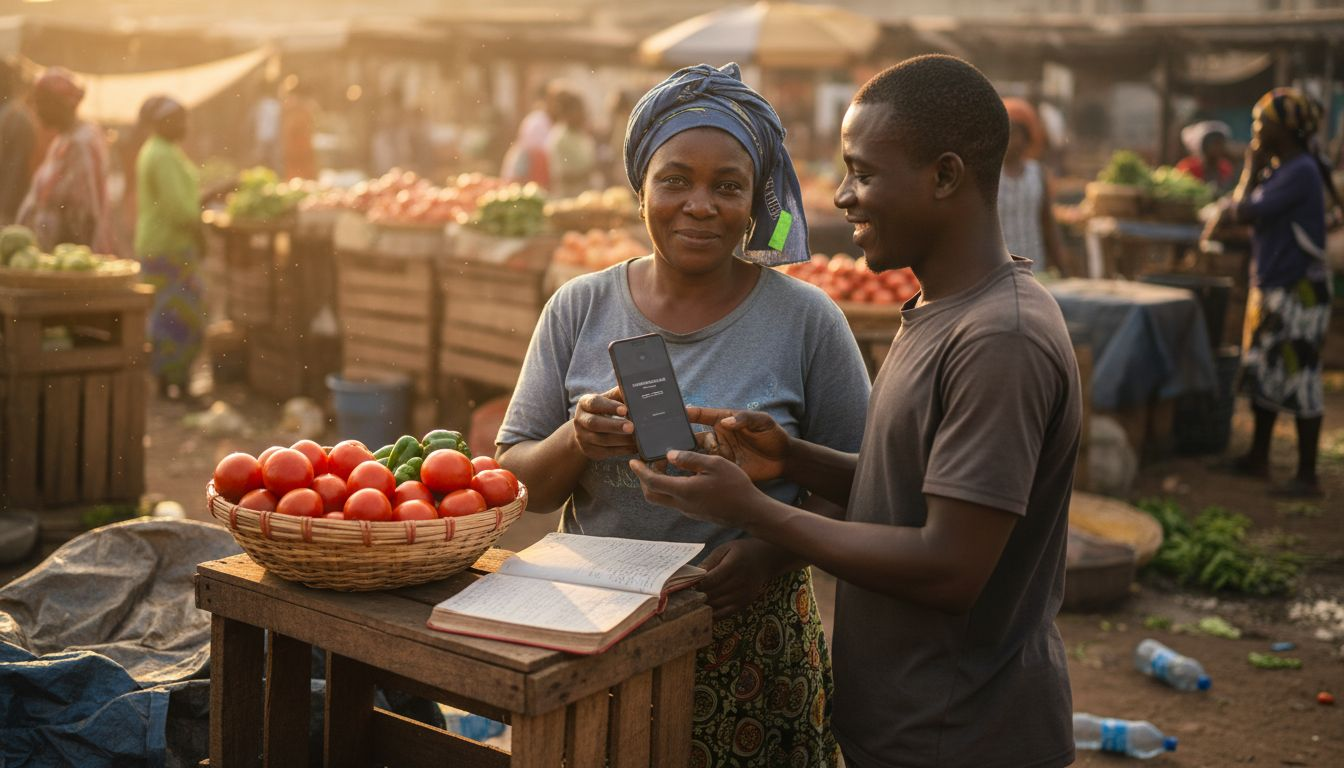
Agriculture traditionally struggled with inefficient supply chains and information gaps. Digital platforms now connect farmers directly to markets, provide weather data, and offer mobile-based agricultural extension services. A yam farmer in Benue can check Lagos market prices instantly and negotiate better deals. This 30% market access increase translates to higher farmer incomes.
E-commerce reshapes retail by eliminating geographic barriers. Small businesses in Ibadan sell nationwide through platforms like Jumia and Konga. Online businesses in Nigeria range from fashion boutiques to electronics retailers, all reaching customers they couldn’t access through physical stores alone. The 28% growth rate reflects both established platforms and social media commerce.
Entertainment experiences perhaps the most visible transformation. Streaming services, YouTube monetization, and digital music distribution create revenue streams independent of traditional gatekeepers. Nigerian artists now build global audiences online, while content creators earn through multiple platforms. This 40% revenue increase empowers creative talent.
| Sector | Digital Impact | Annual Growth | Primary Benefits |
|---|---|---|---|
| Agriculture | Market platforms, data services | 30% access increase | Direct buyer connections, price transparency |
| E-commerce | Online marketplaces, social commerce | 28% transaction growth | Nationwide reach, reduced overhead |
| Entertainment | Streaming, content monetization | 40% revenue increase | Global audience, multiple income streams |
| Finance | Mobile banking, digital payments | 18% inclusion rise | Universal access, lower costs |
Local SMEs particularly benefit from digital platforms. A Lagos tailor using Instagram for marketing and mobile payment for transactions operates more efficiently than competitors relying solely on foot traffic. Internet communities’ impact extends beyond commerce to knowledge sharing and collaborative problem solving.
Digital entrepreneurship opportunities emerge in every transformed sector. Someone understanding both agriculture and technology can build agritech solutions. Fashion enthusiasts with marketing skills thrive in e-commerce. The digital economy rewards those combining domain expertise with digital capabilities.
Digital economy’s influence on personal finance and inclusion
Fintech fundamentally changes how Nigerians access and manage money. Financial inclusion rose from 46% to 64% as mobile money platforms reached previously unbanked communities. This 18 percentage point jump represents millions of Nigerians gaining financial services access for the first time.
Mobile money transforms rural finance especially. Someone in a remote village without bank branches can now save money, receive remittances, and make payments through a basic phone. This access breaks down barriers that excluded rural Nigerians from formal financial systems. Youth in particular adopt these tools rapidly, managing finances entirely through mobile apps.
Transaction costs drop significantly with digital payments. SMEs using mobile payments instead of cash see a 40% reduction in transaction costs, eliminating expenses like cash handling, transport to banks, and security concerns. For small businesses operating on thin margins, this cost savings directly improves profitability.
Digital currency and finance extends beyond basic banking. Investment apps democratize access to stocks and mutual funds. Peer-to-peer lending platforms connect borrowers with lenders. Micro-investment tools let people invest small amounts regularly. These innovations particularly benefit millennials and Gen Z building wealth early.
Key personal finance benefits include:
- Instant money transfers without bank visits or delays
- Savings accounts accessible with no minimum balance
- Bill payment convenience reducing late fees and penalties
- Credit access for those without traditional collateral
- Investment opportunities previously requiring large capital
The significance for young Nigerians cannot be overstated. Digital finance tools provide unprecedented control over money management. You can track spending through apps, automate savings, and build credit histories that unlock future opportunities. Financial literacy combined with these tools accelerates wealth building.
Pro Tip: Start by adopting one mobile money platform and one savings or investment app, then gradually expand as you become comfortable managing finances digitally.
Common misconceptions about the digital economy in Nigeria
Several persistent myths prevent Nigerians from fully engaging with digital economy opportunities. Correcting these misconceptions helps you develop accurate understanding essential for participation.
Myth one claims the digital economy only serves wealthy urban residents. Reality shows rural fintech adoption growing rapidly as mobile networks expand. Financial inclusion data confirms rural areas experience the fastest inclusion growth. Mobile money works on basic phones, not just smartphones, making it accessible regardless of income level.
Myth two equates digital economy primarily with cryptocurrency. While crypto attracts attention, cryptocurrency represents less than 15% of Nigeria’s digital economy value. Most growth comes from e-commerce, fintech, mobile services, and digital content. Fixating on crypto alone misses the broader digital transformation.
Myth three assumes only multinational corporations benefit from digitalization. Local SMEs actually gain disproportionate advantages. Digital platforms let small businesses compete with larger companies by eliminating geographic constraints and reducing overhead. Many successful digital currency misconceptions stem from focusing on speculation rather than practical applications.
| Myth | Reality | Supporting Data |
|---|---|---|
| Only for urban wealthy | Rural adoption growing fastest | Financial inclusion rose from 46% to 64% nationally |
| Mainly cryptocurrency | Crypto is minor component | Less than 15% of digital economy value |
| Benefits only big companies | SMEs gain proportionally more | 40% transaction cost reduction for small businesses |
| Requires advanced technology | Basic phones sufficient | Mobile money works on feature phones |
Understanding these realities opens possibilities you might have dismissed. The digital economy isn’t some exclusive club but an accessible ecosystem where ordinary Nigerians already participate daily. Recognizing your existing digital economy involvement helps you expand participation strategically.
How Nigerian millennials and Gen Z can engage with the digital economy
Youth dominate digital economy participation, with 60% of participants being young Nigerians actively engaged in fintech and digital entrepreneurship. This majority position reflects both comfort with technology and openness to new economic models. Your generation leads Nigeria’s digital transformation.
Practical engagement starts with adopting available tools. Begin using mobile money for transactions, exploring how digital payments simplify daily commerce. Open a digital savings or investment account, even starting with small amounts. These foundational steps build comfort with digital finance.
Digital entrepreneurship offers multiple entry points. Earn online in Nigeria through freelancing, e-commerce, content creation, or digital services. Each path requires different skills and capital, letting you choose based on your strengths and resources. Many successful Nigerian startups began with founders identifying problems they personally experienced.
Step-by-step engagement approach:
- Assess your current digital skills and identify gaps through free online assessments
- Choose one skill area to develop deeply, such as social media marketing or graphic design
- Start using fintech tools daily to build familiarity and track spending patterns
- Identify a problem in your community that digital solutions could address effectively
- Test your solution idea with a minimum viable product or service before scaling
- Connect with online communities and forums to learn from others’ experiences
- Gradually expand your digital presence across multiple platforms and income streams
Digital agriculture presents opportunities beyond traditional farming. Agritech platforms need marketers, customer service representatives, and operations managers. You don’t need to be a farmer to participate in agricultural digitalization. Similar opportunities exist across all digitizing sectors.
Creative industries reward those combining talent with digital savvy. Musicians using streaming platforms, writers monetizing blogs, designers selling on global marketplaces, all leverage digital channels. The 40% entertainment revenue growth creates space for diverse creative pursuits.
Mobile platforms and local networks accelerate growth. WhatsApp Business, Instagram shops, and Facebook Marketplace require minimal investment while reaching substantial audiences. Starting small on these platforms builds experience and customer bases before expanding to more complex channels.
Conclusion: navigating and benefiting from Nigeria’s digital economy
Nigeria’s digital economy transforms industries and creates opportunities at unprecedented speed. The 15% annual growth rate signals sustained expansion rather than temporary hype. Understanding this transformation positions you to benefit rather than being left behind as traditional economic models evolve.
Nigerian youth drive this change as both primary users and innovative builders. Your generation’s technological comfort and adaptive mindset fuel the digital economy’s expansion. Recognizing your central role empowers confident participation rather than passive observation.
Continuous learning remains essential as digital tools and platforms evolve rapidly. Stay curious about emerging technologies, experiment with new platforms, and learn from both successes and failures. The digital economy rewards those who adapt quickly and maintain relevant skills.
Active engagement beats passive consumption. Whether you adopt fintech tools, start an online business, or develop digital skills, taking action moves you from spectator to participant. Each small step builds momentum toward greater digital economy involvement and the financial benefits that follow.
Explore more on Naijatipsland
Naijatipsland serves as your hub for understanding Nigeria’s evolving digital landscape and economic opportunities. Our platform combines news, analysis, and community discussions helping you stay informed about trends affecting your financial future and career prospects.
Our blog covers everything from digital entrepreneurship to personal finance strategies tailored for Nigerian realities. Dive deeper into topics like starting online discussion forums or explore how news forums shape Nigeria. Join conversations with other young Nigerians navigating the digital economy, sharing experiences and learning collectively. The community aspect helps you avoid common mistakes while discovering opportunities others have successfully pursued.
Frequently asked questions
What is digital economy?
The digital economy includes all economic activities powered by internet technology, mobile networks, and digital platforms. In Nigeria, this means fintech apps, e-commerce sites, streaming services, digital marketing, and online businesses. It’s not just one technology but an interconnected system transforming how people work, shop, bank, and create value.
How does the digital economy differ from traditional economy?
Traditional economy relies on physical presence, cash transactions, and geographic proximity between buyers and sellers. Digital economy removes these constraints through online platforms, digital payments, and virtual interactions. You can sell products nationwide from your phone or access banking without visiting a branch. This fundamental shift in how economic activities occur creates new opportunities while disrupting old business models.
How does the digital economy benefit Nigerian youth?
Young Nigerians gain financial inclusion through mobile banking, entrepreneurship opportunities via online platforms, and income through digital skills like content creation or freelancing. Financial inclusion through fintech rose from 46% to 64%, with youth leading adoption. Accessible mobile platforms require minimal capital to start businesses, democratizing entrepreneurship beyond those with traditional resources or connections.
Is cryptocurrency the main part of Nigeria’s digital economy?
No, cryptocurrency represents less than 15% of Nigeria’s digital economy value. Most growth comes from fintech services, e-commerce platforms, mobile money, and digital content. While crypto attracts media attention, practical digital services touching millions daily drive the real economic impact. Understanding digital currency facts helps separate hype from substance.
How can I start participating in Nigeria’s digital economy?
Begin by acquiring digital skills through free online courses and adopting fintech tools like mobile money apps. Explore online business opportunities such as social media marketing, freelance services, or e-commerce. Start small, learn continuously, and gradually expand your digital presence. Use community resources and startup guides to increase success chances while avoiding common mistakes.