

Every Nigerian content creator feels the weight of their influence when a simple post sparks conversation or drives a trend. Recognizing the growing power of social media personalities, many are curious about how their unique voices shape consumer choices and brand engagement across Nigeria. This article uncovers the evolving roles and categories of influencers, showing how authentic digital content and strategic engagement propel major shifts in the local marketing ecosystem.
Table of Contents
- Influencers in Nigeria: Definitions and Role
- Main Types of Nigerian Influencers Today
- How Influencers Drive Engagement and Behavior
- Regulations and Taxation for Influencers in 2026
- Risks, Challenges, and Best Practices
Key Takeaways
| Point | Details |
|---|---|
| Role of Influencers | Nigerian social media influencers significantly impact consumer behavior and brand perception through authentic content and strategic engagement. |
| Influencer Categories | Influencers are categorized into Macro, Micro, Nano, Celebrity, and Professional, each offering unique engagement strengths for brands. |
| Engagement Strategies | Successful influencers drive engagement by fostering authenticity, storytelling, and cultural relevance, enhancing their connection with the audience. |
| Emerging Regulations | Upcoming regulations in 2026 will include mandatory tax registration and transparency guidelines, emphasizing the need for ethical practices among influencers. |
Influencers in Nigeria: Definitions and Role
In the dynamic digital landscape of Nigeria, social media influencers have emerged as powerful agents of communication and consumer engagement. These digital personalities strategically leverage online platforms to shape public perceptions, brand narratives, and consumer behaviors across multiple sectors. Evolving social media influencer roles represent a transformative force in Nigerian media and marketing ecosystems.
Influencers in Nigeria can be broadly categorized across several distinctive types:
- Entertainment Influencers: Celebrities, musicians, and actors who leverage their popularity
- Lifestyle Influencers: Individuals showcasing fashion, beauty, travel, and personal experiences
- Technology Influencers: Tech enthusiasts discussing digital trends, gadgets, and innovations
- Educational Influencers: Professionals sharing knowledge in specific academic or professional domains
- Comedy and Skit Influencers: Content creators producing humorous digital content
These digital personalities function through strategic content creation, audience engagement, and brand partnerships. Their primary roles include:
- Generating authentic digital content
- Building engaged online communities
- Providing product recommendations
- Translating global trends for local audiences
- Creating narrative frameworks around brands and experiences
Beyond mere content creation, Nigerian influencers serve critical communication functions. Social media influencers as public relations agents demonstrate their capacity to shape public discourse, particularly among younger demographics.
Pro tip: Build your influencer brand by consistently delivering authentic, value-driven content that resonates with your specific audience segment.
Main Types of Nigerian Influencers Today
Nigerian social media influencers represent a diverse and dynamic ecosystem of digital content creators who play pivotal roles in shaping consumer perceptions and brand narratives. Emerging influencer categories in Nigeria demonstrate the complex landscape of digital communication and marketing strategies across various platforms.
The primary categories of Nigerian influencers can be classified as follows:
- Macro-Influencers: Celebrities and public figures with 100,000-1,000,000 followers
- Micro-Influencers: Niche content creators with 10,000-100,000 highly engaged followers
- Nano-Influencers: Local experts with 1,000-10,000 followers in specific communities
- Celebrity Influencers: High-profile personalities from entertainment and sports
- Professional Influencers: Industry experts in technology, finance, and academic domains
Each influencer category brings unique strengths to digital marketing. Micro-influencers in Nigerian marketing have demonstrated exceptional engagement rates, particularly in sectors like fashion, technology, and wellness. Their authenticity and targeted audience make them increasingly valuable for brands seeking meaningful connections.

The impact of these influencers extends beyond mere product promotion. They serve as cultural translators, bridging global trends with local Nigerian contexts, and creating narrative frameworks that resonate with younger demographics. By understanding specific audience segments, Nigerian influencers craft content that feels personal, relatable, and genuinely connected to community experiences.
Here’s a quick overview of influencer categories and their typical engagement strengths:
| Influencer Category | Follower Count Range | Engagement Strength | Typical Brand Appeal |
|---|---|---|---|
| Macro-Influencer | 100,000–1,000,000 | Broad reach, moderate engagement | Established brands, national campaigns |
| Micro-Influencer | 10,000–100,000 | High engagement, niche audiences | Local brands, targeted promotions |
| Nano-Influencer | 1,000–10,000 | Very intimate engagement, community focus | Small businesses, grassroots activations |
| Celebrity Influencer | Often exceeds 1 million | Mass appeal, strong influence | Premium brands, endorsements |
| Professional Influencer | Varies widely | Authority-driven, expert content | Industry leaders, B2B partnerships |
Pro tip: Focus on developing a consistent, authentic personal brand that provides genuine value to your specific audience segment, rather than chasing follower numbers.
How Influencers Drive Engagement and Behavior
Digital engagement strategies in Nigeria reveal the profound impact social media influencers have on consumer behavior and communication dynamics. Social media influencers as public relations agents demonstrate how these digital personalities shape audience perceptions and drive meaningful interactions.
Influencers drive engagement through several key mechanisms:
- Authenticity: Creating relatable, genuine content
- Storytelling: Crafting compelling narrative experiences
- Interactive Communication: Encouraging direct audience participation
- Cultural Relevance: Connecting global trends with local contexts
- Emotional Resonance: Building trust through personal connections
Influencer credibility and consumer behavior plays a critical role in shaping purchasing decisions. Trustworthiness emerges as the most significant factor, with consumers more likely to engage with and purchase from influencers who demonstrate genuine expertise and consistent messaging.
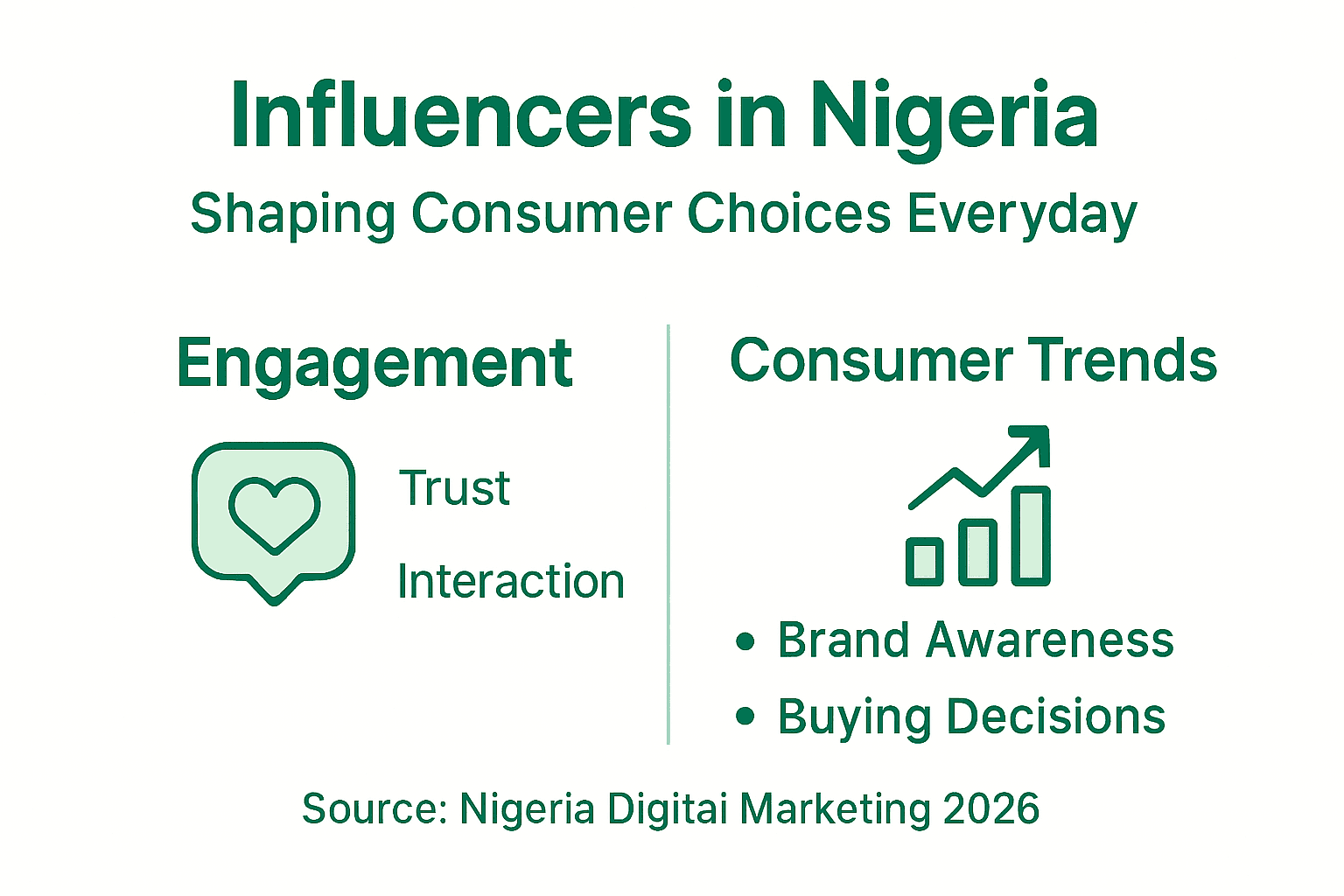
The psychological mechanisms behind influencer engagement are complex. By creating content that feels personal and intimate, influencers transform traditional marketing approaches. They leverage parasocial relationships, where audiences develop one-sided emotional connections, making their recommendations feel like advice from a trusted friend rather than a commercial advertisement.
Pro tip: Develop a consistent personal brand that prioritizes genuine connection over manufactured perfection, focusing on building real trust with your audience.
Regulations and Taxation for Influencers in 2026
The Nigerian digital landscape is experiencing significant transformations in regulatory frameworks governing social media influencers. Regulatory challenges of influencer marketing highlight the complex legal environment emerging for digital content creators in the coming years.
Key regulatory developments for influencers in 2026 include:
- Mandatory Tax Registration: Requirement for formal tax identification numbers
- Income Declaration: Comprehensive reporting of digital earnings
- Transparency Guidelines: Clear disclosure of sponsored content
- Licensing Requirements: Potential certification for professional influencers
- Ethical Marketing Standards: Stricter rules against misleading promotions
The Nigerian government is developing a comprehensive framework to address several critical aspects of influencer marketing. This includes establishing clear taxation protocols, defining legal boundaries for digital content creation, and creating mechanisms to ensure ethical practices in online marketing.
Taxation for digital content creators will likely involve graduated income brackets, with specific provisions for micro-influencers and professional content creators. These regulations aim to formalize the digital economy, providing both legal protection and financial accountability for influencers operating in Nigeria’s dynamic digital ecosystem.
Pro tip: Maintain meticulous financial records and consult with a tax professional specializing in digital entrepreneurship to navigate emerging regulatory requirements.
Risks, Challenges, and Best Practices
Nigerian influencers navigate a complex digital landscape fraught with multifaceted challenges. Social media influencers and risks reveal the intricate balance between maintaining authenticity and managing potential professional hazards.
Key risks and challenges for Nigerian influencers include:
- Misinformation Spread: Potential for unintentional fake news distribution
- Reputation Management: Handling public perception and potential backlash
- Ethical Dilemmas: Balancing sponsored content with genuine recommendations
- Legal Compliance: Navigating evolving regulatory frameworks
- Content Authenticity: Maintaining credibility amid commercial pressures
Public opinion formation challenges demonstrate the critical importance of responsible content creation. Influencers must carefully navigate the thin line between engagement and manipulation, ensuring their content remains both impactful and ethical.
To mitigate these risks, successful Nigerian influencers adopt comprehensive best practices. These include transparent sponsorship disclosures, consistent authenticity, ongoing audience education, and a commitment to delivering value beyond mere promotional content. Professional development, understanding legal requirements, and maintaining a genuine connection with their audience become crucial strategies for long-term success in the dynamic digital ecosystem.
To better understand digital influencer risks and strategies, see the summary below:
| Challenge | Impact on Influencer | Mitigation Strategy |
|---|---|---|
| Reputation Management | Can cause rapid loss of audience | Proactive response and transparency |
| Misinformation Spread | Damages credibility, legal issues | Fact-checking and audience education |
| Ethical Dilemmas | Conflicts with values, credibility loss | Clear disclosure and ethical guidelines |
| Regulatory Compliance | Possible fines, account restrictions | Regular legal review, expert consultation |
| Commercial Pressure | Content authenticity may decline | Consistent personal code of ethics |
Pro tip: Develop a personal code of ethics that prioritizes audience trust over short-term monetary gains, and consistently audit your content for authenticity and value.
Discover How Influencers Shape Trends and Stay Connected with Naijatipsland.com
Understanding the role of influencers in Nigeria reveals both the immense power and the challenges that come with shaping consumer trends and public opinion. Influencers battle the demands of authenticity, regulatory changes, and engaging diverse audiences while navigating ethical dilemmas. If you want to stay ahead in this evolving digital landscape, you need a vibrant community where conversations about these critical topics thrive.
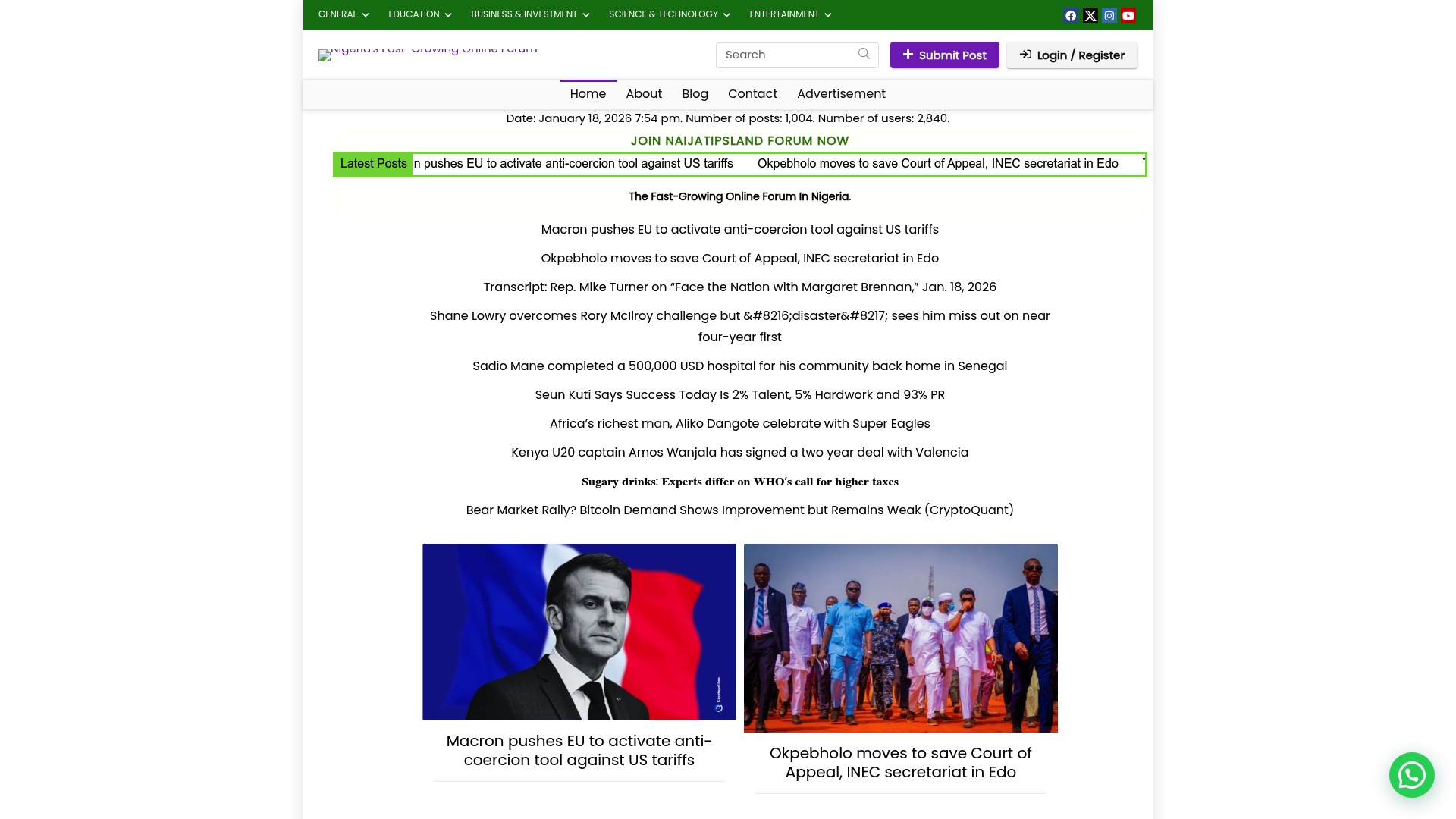
Join thousands of Nigerians at Naijatipsland.com, the ultimate platform for news, community engagement, and topical discussions on influencers, marketing strategies, and more. Whether you’re an aspiring influencer or a consumer eager to understand the shifting trends, our online forum empowers you to share insights, ask questions, and explore the latest developments. Start contributing today and be part of Nigeria’s fastest-growing digital conversation hub. Visit Naijatipsland.com now and take your place at the center of Nigeria’s influencer community.
Frequently Asked Questions
What are the main types of influencers in Nigeria?
Nigerian influencers can be categorized into five main types: entertainment influencers, lifestyle influencers, technology influencers, educational influencers, and comedy/skit influencers. Each category serves different audiences and brands.
How do influencers impact consumer behavior in Nigeria?
Influencers shape consumer behavior through authenticity, storytelling, and emotional resonance, creating relatable content that resonates with their followers, which improves engagement and drives purchasing decisions.
What should brands consider when partnering with influencers?
Brands should evaluate the influencer’s audience engagement, authenticity, and relevance to their products. Collaborating with influencers who align with the brand’s values can help in crafting impactful marketing strategies.
What challenges do influencers face in Nigeria?
Influencers in Nigeria encounter challenges such as misinformation, reputation management, ethical dilemmas, legal compliance, and pressure to maintain content authenticity amid commercial interests.