


Finding financial stability in Nigeria can feel nearly impossible when inflation bites and the Naira struggles against stronger currencies. Many young adults now look to cryptocurrency as a fresh solution, drawn in by its promise of global access and control over personal wealth. This overview breaks down the core concepts of cryptocurrency, explaining how these digital assets run on secure, decentralized networks that work outside old banking systems, so you can decide if this new financial world fits your goals.
Table of Contents
- What Is Cryptocurrency? Core Concepts
- Major Types and Leading Cryptocurrencies
- How Cryptocurrency Networks Operate
- Real-World Uses For Cryptocurrencies
- Risks, Scams, and Volatility Explained
- Legal Status and Regulation in Nigeria
Key Takeaways
| Point | Details |
|---|---|
| Understanding Cryptocurrency | Cryptocurrency is a decentralized digital asset that operates on blockchain technology, providing secure financial transactions without intermediaries. |
| Diverse Cryptocurrency Options | Leading cryptocurrencies have unique features and applications; investors should consider their various strengths for informed decision-making. |
| Investment Risks | Cryptocurrencies are highly volatile and susceptible to fraud; thorough research and risk management strategies are essential for investors. |
| Regulatory Landscape in Nigeria | The evolving regulatory framework governs cryptocurrency activities, necessitating compliance and awareness of legal restrictions for Nigerian investors. |
What Is Cryptocurrency? Core Concepts
Cryptocurrency represents a groundbreaking digital financial technology that operates entirely outside traditional banking systems. These digital assets use advanced cryptographic techniques to secure transactions and create new monetary units through decentralized networks.
At its core, cryptocurrency is a digital asset using blockchain technology that enables secure, transparent financial exchanges without intermediaries like banks or governments. Unlike traditional currencies, cryptocurrencies have several unique characteristics:
- Decentralized network structure
- Cryptographically secured transactions
- Public transaction ledgers
- Independent of central banking systems
- Global accessibility
The blockchain serves as the foundational technology powering cryptocurrencies. This digital ledger records every transaction across a network of computers, ensuring transparency and making fraudulent activities extremely difficult. Digital assets rely on an encrypted network to validate and permanently record each transaction.
Cryptocurrencies function through complex consensus mechanisms like Proof of Work or Proof of Stake. These systems allow network participants to validate transactions and create new digital coins without centralized control. For Nigerian users facing economic uncertainties, cryptocurrencies offer potential alternative investment and money transfer options.
Key Technical Components:
- Blockchain: Distributed digital ledger
- Cryptography: Security encryption method
- Consensus Mechanisms: Transaction validation protocols
- Digital Wallets: Personal cryptocurrency storage
Pro tip: Research thoroughly and start with small investments when exploring cryptocurrency to minimize potential financial risks.
Major Types and Leading Cryptocurrencies
Cryptocurrencies have evolved dramatically since Bitcoin’s inception, with each new digital asset introducing unique technological innovations and potential use cases. Influential cryptocurrencies span multiple technological approaches that address different financial and technological challenges.
Leading Cryptocurrencies and Their Characteristics:
- Bitcoin (BTC): First decentralized cryptocurrency
- Ethereum (ETH): Smart contract and decentralized application platform
- Ripple (XRP): Cross-border payment and financial transaction network
- Litecoin: Faster transaction processing alternative to Bitcoin
- Cardano: Blockchain platform focusing on sustainability and academic research
- Polkadot: Blockchain interoperability and cross-chain communication
Bitcoin remains the most recognized cryptocurrency, characterized by its limited supply and deflationary design. This scarcity model creates potential value appreciation, making it attractive to investors seeking digital asset preservation. Ethereum expanded cryptocurrency’s potential by introducing smart contracts, which enable automated, trustless agreements without intermediaries.

Here’s a comparison of leading cryptocurrencies and their main strengths:
| Cryptocurrency | Core Focus | Main Advantage |
|---|---|---|
| Bitcoin (BTC) | Digital cash | Scarcity and security |
| Ethereum (ETH) | Smart contracts | Programmable applications |
| Ripple (XRP) | Global payments | Low-cost, fast transfers |
| Litecoin | Fast transactions | Quick confirmation speed |
| Cardano | Sustainable platform | Peer-reviewed development |
| Polkadot | Blockchain connections | Cross-chain compatibility |
For Nigerian investors, understanding these cryptocurrencies’ unique value propositions is crucial. Each digital asset offers different technological advantages, investment potential, and risk profiles. Some focus on payment solutions, while others provide platform capabilities for decentralized applications and complex financial instruments.
Cryptocurrency diversity reflects the evolving digital finance landscape, offering multiple technological approaches to financial transactions and value storage.
Comparative Cryptocurrency Features:
- Transaction speed
- Transaction costs
- Network scalability
- Security mechanisms
- Developer ecosystem
Pro tip: Diversify your cryptocurrency portfolio across multiple assets to balance potential risks and maximize investment opportunities.
How Cryptocurrency Networks Operate
Cryptocurrency networks represent a revolutionary approach to financial transactions, utilizing decentralized systems that fundamentally differ from traditional banking infrastructures. These networks function through a complex web of interconnected computers, or nodes, that collectively manage and validate digital transactions.
Key Network Components:
- Nodes: Individual computers processing transactions
- Blockchain: Distributed digital ledger
- Consensus Mechanisms: Transaction validation protocols
- Miners: Network participants verifying transactions
- Cryptographic Security: Advanced encryption techniques
The network’s architecture relies on sophisticated consensus algorithms that ensure all participating nodes agree on transaction validity. Two primary mechanisms dominate this process: Proof of Work (PoW) and Proof of Stake (PoS). These algorithms prevent double-spending and maintain network integrity by requiring participants to solve complex mathematical problems or stake significant cryptocurrency amounts.
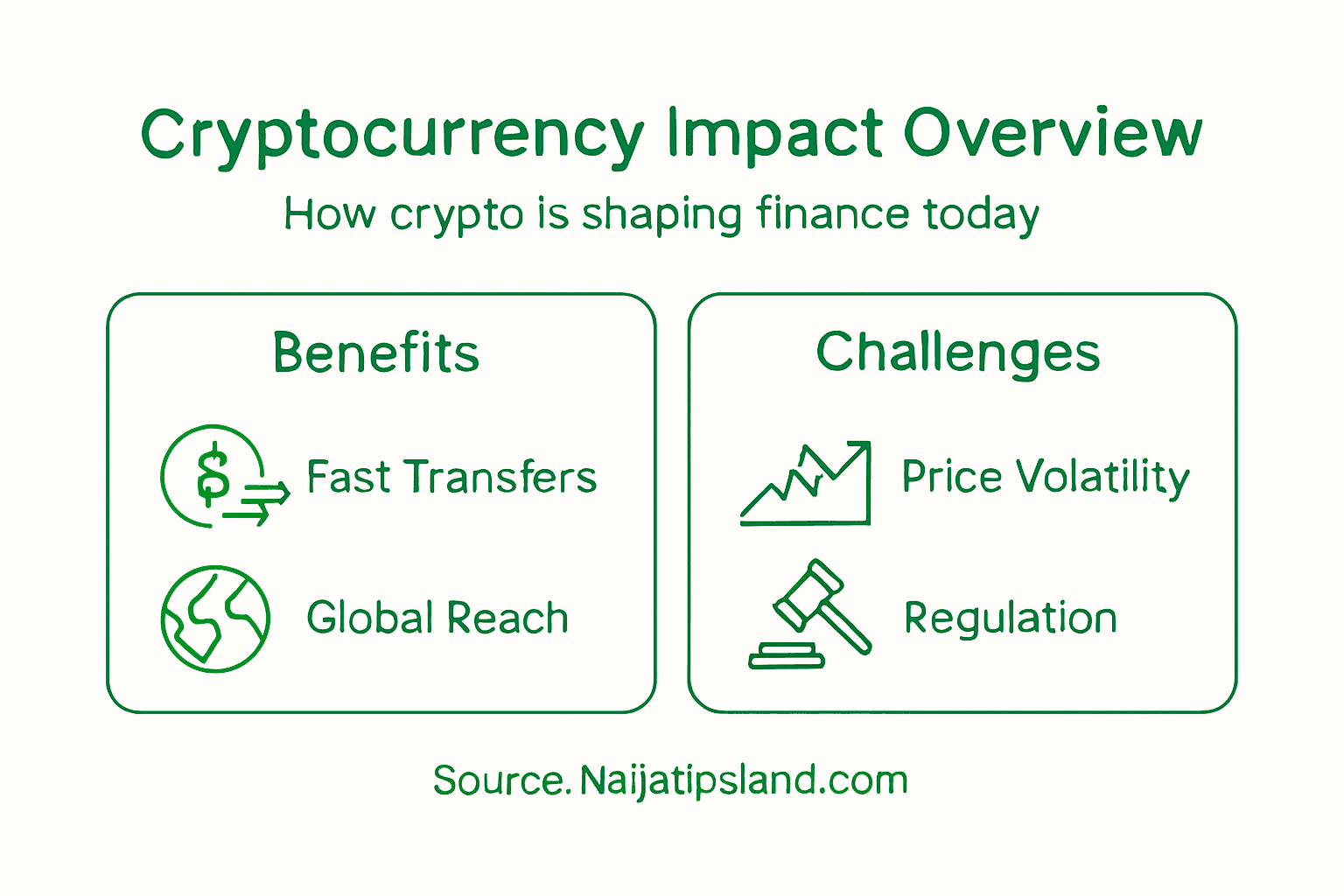
See how Proof of Work and Proof of Stake consensus mechanisms differ:
| Consensus Mechanism | Energy Usage | Security Approach | Key Example |
|---|---|---|---|
| Proof of Work (PoW) | High electricity required | Mining mathematical problems | Bitcoin |
| Proof of Stake (PoS) | Low electricity required | Stake-based validation | Cardano, Ethereum 2.0 |
Complex network structures influence transaction dynamics through unique topological characteristics. Some nodes function as central hubs, facilitating faster transaction propagation and enhancing overall network resilience. For Nigerian users, understanding these technical nuances can help navigate the intricate world of digital finance more effectively.
Cryptocurrency networks represent a paradigm shift in financial technology, offering transparency, security, and decentralization previously impossible in traditional financial systems.
Network Operation Steps:
- Transaction initiation
- Transaction broadcast to network
- Node verification
- Consensus achievement
- Transaction block addition
Pro tip: Learn the technical basics of blockchain networks before making significant cryptocurrency investments to understand potential risks and opportunities.
Real-World Uses for Cryptocurrencies
Cryptocurrencies transform global money transfers by offering innovative solutions to traditional financial challenges. These digital assets have expanded far beyond simple investment vehicles, creating practical applications that address real-world financial needs for individuals and businesses alike.
Practical Cryptocurrency Applications:
- Remittance Payments: Low-cost international money transfers
- Cross-Border Transactions: Reduced fees and faster processing
- Decentralized Finance (DeFi): Alternative investment platforms
- Supply Chain Tracking: Enhanced transparency and verification
- Microfinancing: Access to financial services for unbanked populations
Millions worldwide use cryptocurrencies for everyday financial transactions, particularly in regions with limited banking infrastructure. For Nigerian users, this represents a significant opportunity to overcome traditional financial barriers. Cryptocurrencies enable quick, low-cost remittances, allowing families to receive money from international sources with minimal transaction fees.
Decentralized Finance (DeFi) platforms are revolutionizing how people interact with financial services. These blockchain-based systems provide investment opportunities, lending mechanisms, and financial tools that operate without traditional intermediaries. Smart contracts enable automated, trustless agreements that reduce bureaucracy and increase financial accessibility.
Cryptocurrency technologies are bridging financial gaps, providing economic opportunities for individuals traditionally excluded from formal banking systems.
Key Financial Benefits:
- Lower transaction fees
- Faster international transfers
- Reduced dependence on traditional banks
- Increased financial privacy
- Global accessibility
Pro tip: Start with small cryptocurrency transactions to understand the ecosystem before making significant financial commitments.
Risks, Scams, and Volatility Explained
Cryptocurrency volatility presents significant investment challenges that require careful understanding and strategic management. Unlike traditional financial assets, digital currencies can experience dramatic price fluctuations within extremely short time frames, making them a high-risk investment landscape for Nigerian investors.
Primary Cryptocurrency Risk Factors:
- Market Manipulation: Susceptibility to large investor interventions
- Regulatory Uncertainty: Changing government policies
- Technological Vulnerabilities: Potential blockchain security breaches
- Scam Proliferation: Fake investment platforms
- Extreme Price Volatility: Rapid value fluctuations
Volatility modeling reveals complex risk patterns that investors must comprehend. Cryptocurrency prices can swing dramatically based on market sentiment, technological developments, regulatory news, and global economic conditions. For Nigerian investors, this means potential rapid gains or devastating losses within minutes or hours.
Cryptocurrency scams have become increasingly sophisticated, targeting inexperienced investors through complex schemes. These include fake investment platforms, phishing attacks, pump-and-dump strategies, and fraudulent initial coin offerings (ICOs). Scammers often exploit technological complexity and investors’ limited understanding to create seemingly legitimate investment opportunities.
Cryptocurrency investments require extensive research, constant vigilance, and a robust risk management strategy to navigate potential financial pitfalls.
Common Cryptocurrency Scam Types:
- Ponzi schemes
- Fake trading platforms
- Phishing websites
- Impersonation scams
- Fake initial coin offerings
Pro tip: Always verify investment platforms, use secure wallets, and invest only what you can afford to lose completely.
Legal Status and Regulation in Nigeria
Nigeria’s cryptocurrency regulatory landscape remains complex and continuously evolving. The Central Bank of Nigeria (CBN) has implemented strict regulations that significantly impact how digital currencies are traded and managed within the country’s financial ecosystem.
Key Regulatory Characteristics:
- Non-Legal Tender: Cryptocurrencies not recognized as official currency
- Banking Restrictions: Limited institutional crypto transactions
- Oversight by SEC: Securities regulation of certain crypto assets
- Anti-Money Laundering Focus: Strict compliance requirements
- Emerging Regulatory Framework: Continuous policy development
Cryptocurrency regulation involves multiple government agencies working to balance innovation with financial security. The Securities and Exchange Commission (SEC) has begun classifying some crypto assets as securities, creating a more structured approach to digital asset management. This indicates a shift from complete prohibition to controlled integration.
The regulatory environment presents significant challenges for Nigerian cryptocurrency investors. While the CBN initially imposed a total ban on crypto transactions through banking channels, recent developments suggest a more nuanced approach. The government is developing mechanisms to collect taxes, identify unlicensed operators, and ensure compliance with anti-money laundering regulations.
Cryptocurrency regulation in Nigeria represents a delicate balance between protecting investors and fostering technological innovation.
Regulatory Compliance Steps:
- Understand current legal restrictions
- Verify platform legitimacy
- Maintain detailed transaction records
- Report significant transactions
- Stay informed about policy changes
Pro tip: Consult legal and financial professionals to navigate the complex cryptocurrency regulatory landscape in Nigeria.
Explore Cryptocurrency’s Role in Nigeria’s Digital Finance Future
Navigating the complex world of cryptocurrency can be overwhelming, especially with volatility, regulatory uncertainty, and the risk of scams discussed in the article. Many Nigerian investors and users seek trustworthy platforms that provide clear discussions, up-to-date news, and community insights on these critical topics. Key concepts like blockchain technology, smart contracts, and decentralized finance are reshaping how money moves and how investments grow — but staying informed is essential to avoid costly mistakes.
Join a vibrant Nigerian community at Naijatipsland.com where you can engage with real people sharing their experiences and advice on cryptocurrency and financial innovation. Stay ahead of regulatory changes and market trends by participating in topical discussions and accessing timely information. Don’t let confusion or risk hold you back from seizing new digital finance opportunities — start exploring today on Naijatipsland, the hub for Nigerian news and forums focused on empowering you with knowledge and connection.
Frequently Asked Questions
What is cryptocurrency and how does it work?
Cryptocurrency is a digital asset that utilizes blockchain technology for secure and transparent transactions. It operates on a decentralized network without intermediaries like banks, using cryptographic techniques to secure transactions.
What are the main types of cryptocurrencies?
Leading cryptocurrencies include Bitcoin (BTC), Ethereum (ETH), Ripple (XRP), Litecoin, Cardano, and Polkadot. Each offers unique features and technological innovations, catering to different financial and technological needs.
What are the risks associated with investing in cryptocurrencies?
Investing in cryptocurrencies carries risks such as market volatility, regulatory uncertainty, potential technological vulnerabilities, and the prevalence of scams. It’s essential to conduct thorough research and understand these risks before investing.
How is cryptocurrency regulated?
Cryptocurrency regulation varies by country, but generally includes compliance with anti-money laundering laws, oversight of securities, and restrictions on banking transactions. Regulations are evolving to balance innovation with investor protection.
Recommended
- Bitcoin Becomes Digital Gold As Network Activity Drops 43% / Naijatipsland
- Bitcoin And Risk Assets Set To Rally / Naijatipsland
- ‘Skinny’ Fed Accounts For Crypto Is A Hedge Against Debanking — Lummis / Naijatipsland
- Bitcoin Open Interest Rises Amid Fear Index And Trading Decline / Naijatipsland
- Platformeconomie Uitgelegd: Belang, Werking en Kansen – Ondernemers Plaza Online
- Ρόλος Digital Transformation στη Λογιστική: Πλήρης Οδηγός – Χρήστος Καβαλλάρης – Λογιστής
- Cyber Risk in Financial Services: Managing Modern Threats