
The Kwara State Government has reaffirmed its resolve to strengthen immunisation efforts as part of a broader strategy to combat polio and other preventable childhood diseases across the state.
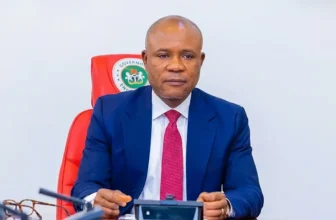
The Deputy Governor, Kayode Alabi, made this known in Ilorin, the state capital, on Thursday during a review meeting on the Abuja Commitment, where stakeholders, including local government chairmen, traditional rulers, and development partners, assessed progress on routine immunisation.
Represented by the state Commissioner for Health, Dr Amina El-Imam, Alabi stressed that vaccination remains a critical pillar in building a healthy population and achieving sustainable development in the state.
“Immunisation is central to our vision of a healthier Kwara. We must continue to prioritise vaccination to ensure that no child is left behind,” he said.
He commended the 16 local government chairmen for their active participation in the ongoing polio eradication campaign, urging them to deepen grassroots engagement.
“We expect stronger leadership at the local level, including active participation in immunisation activities, regular attendance at review meetings, and timely release of counterpart funds,” he added.
Alabi also lauded traditional rulers for their consistent support, noting their influence in promoting acceptance of vaccines within communities.
“We appreciate the vital role of our traditional leaders and assure them of continued government collaboration in achieving our health goals,” he said.
In her welcome address, the Executive Secretary of the Kwara State Primary Health Care Development Agency, Prof Nusirat Elelu, commended council chairmen for their dedication to improving primary healthcare delivery.
“There is a need to strengthen collaboration with traditional institutions to tackle non-compliance during immunisation exercises,” she said.
Elelu explained that while ad hoc health workers are selected at the local level, traditional institutions play a key role in validating the process to ensure credibility and community trust.
Speaking on behalf of local government authorities, the Chairman of the Association of Local Governments of Nigeria in Kwara State, Abubakar Abdullahi, praised the commitment of the state government and health workers.
“We remain committed to supporting immunisation efforts and will ensure that health workers operate in a safe and secure environment,” he said.
Also speaking, the World Health Organisation State Coordinator, Dr Eyitayo Emmanuel, highlighted challenges affecting routine immunisation in Nigeria, calling for intensified awareness campaigns.
“There is a need for stronger advocacy through radio, social media, and community engagement to address vaccine hesitancy,” he said.
Similarly, the United Nations Children’s Fund representative, Mr Bolaji Adebayo, underscored the burden of polio and its impact on child development.
“Sustained immunisation coverage is essential to protect our children and secure the future of our nation,” he noted.
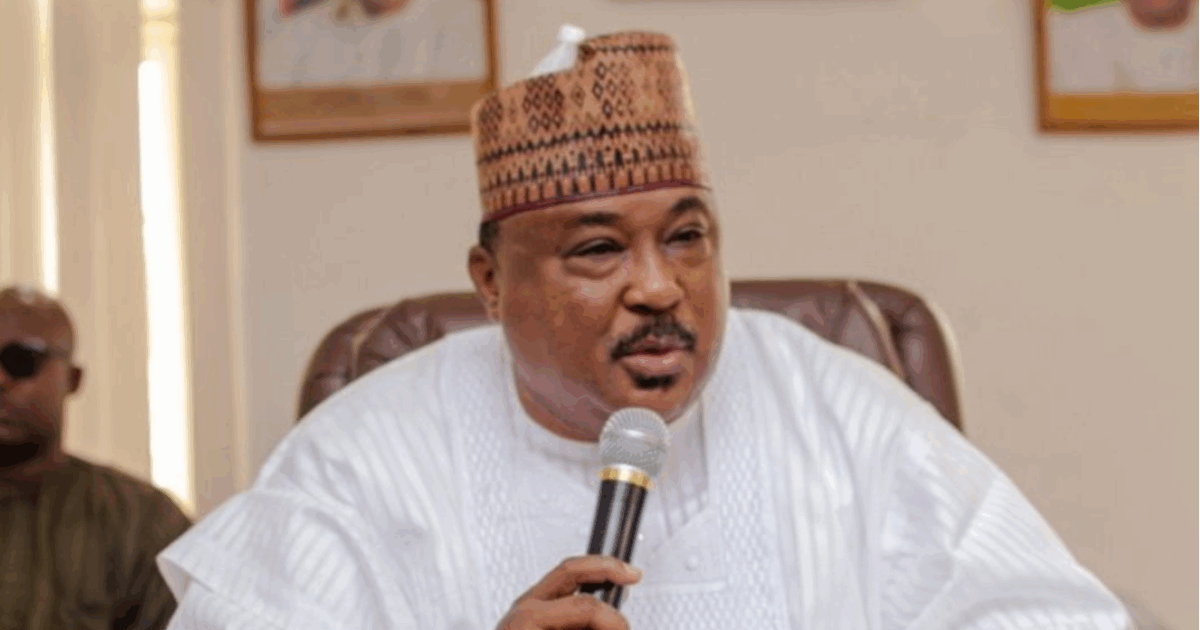
In his remarks, the Emir of Shonga and Chairman of the Northern Traditional Leaders Council on Health, Dr Haliru Yahaya, reaffirmed the commitment of traditional institutions to support government efforts.
“We will continue to collaborate with all stakeholders, participate in review meetings, and ensure community compliance with immunisation campaigns,” he said.
He added that traditional leaders remain well-positioned to drive acceptance and participation in vaccination programmes at the grassroots level.