Power Sharing: NDC zones 2027 presidential ticket to south, clears path for OK alliance

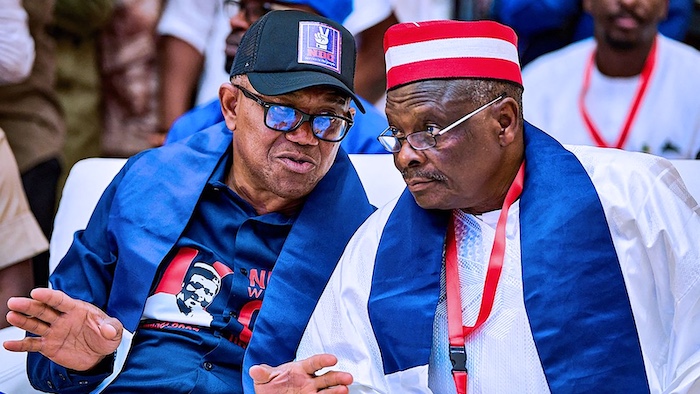
The Nigeria Democratic Congress (Nigeria Democratic Congress) on Saturday formally zoned its 2027 presidential ticket to Southern Nigeria, adopting a single four-year term arrangement in what party leaders describe as part of a broader power-sharing formula.
The decision was reached during the party’s National Convention in Abuja, where delegates adopted a motion moved by the lawmaker representing Ogbaru Federal Constituency, Afam Victor Ogene.
Announcing the resolution, NDC National Chairman Moses Cleopas said the zoning structure was designed to balance regional interests and strengthen internal cohesion within the party.
According to him, the presidency would rotate back to the North in 2031 after the South completes its four-year tenure.
The move is widely seen as strengthening the presidential ambition of former Anambra State governor, Peter Obi, as well as other southern aspirants positioning within the party ahead of the 2027 elections.
Kwankwaso Backs Zoning Arrangement
Former Kano State governor, Rabiu Kwankwaso, who recently aligned with the party, endorsed the zoning decision, describing it as consistent with fairness and internal balance.
He urged members to focus on rebuilding the country and strengthening the party as a credible opposition platform.
Obi Rallies Supporters
Speaking at the convention, Obi commended the party leadership for promoting multi-party democracy, while stressing the need for credible elections in 2027.
He also painted a grim picture of Nigeria’s current socio-economic conditions, citing insecurity, unemployment, and poverty as key challenges requiring urgent political change.
Dickson Promises Stability in NDC
The party’s National Leader, Seriake Dickson, assured members that the NDC has no factional crisis or pending litigation, describing it as a “new opposition platform” committed to strengthening democracy.
Growing Political Momentum
The convention attracted massive turnout in Abuja, with supporters of the Kwankwasiyya and Obidient movements flooding the venue amid heightened political mobilisation ahead of 2027.
Security agencies were later deployed to manage congestion as political activities around the capital intensified.