
Speaking at the launch ceremony in Abuja, Chinenye Atanda, Chief Executive Officer of MEA Energy, described the new filling station as more than an infrastructure investment, but a statement of intent about the company’s long-term commitment to Nigeria’s energy future.
She said that founded with a clear purpose to deliver reliable, efficient and responsibly sourced energy solutions, MEA Energy has built a strong footprint across Nigeria and the wider West African region through cross-border energy trading, supply and logistics
“MEA Energy was founded with a clear purpose: to provide reliable, efficient, and responsibly sourced energy solutions that support economic growth across Nigeria and the wider West African region.
“Over the years, we have built our business through energy trading, supply, logistics, and distribution, working across borders and markets to ensure that energy moves safely, efficiently, and consistently to where it is needed most. Today, we take a decisive step forward by extending that expertise directly to consumers.
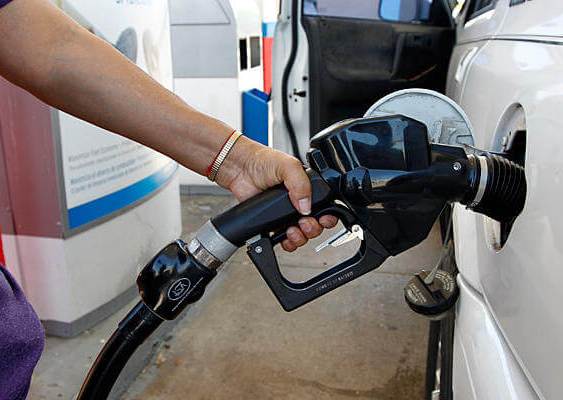
“This filling station represents our entry into retail fuel service delivery, bringing the MEA Energy promise closer to everyday Nigerians: motorists, businesses, and communities who depend on quality fuel and dependable service to keep moving,” he said.
The company’s planned 250-station rollout is expected to be executed in phases, with a focus on strategic urban and commercial corridors, supporting mobility, commerce, job creation and broader energy security.
Through its retail expansion, MEA Energy aims to contribute meaningfully to local economic activity while creating employment opportunities across host communities.
Chinenye added that from sourcing to storage, transportation, and now retail delivery, the company adhere to strict operational standards and regulatory requirements. “This station has been designed and built to meet those standards, because we believe that responsible energy delivery is not optional; it is essential.
“As a company operating within Nigeria and across West Africa, we also understand the broader role energy plays in national development. Reliable energy supply supports mobility, commerce, industrial activity, and job creation. Through this station and those we plan to develop in the future, we aim to contribute meaningfully to energy security, local economic activity, and employment opportunities,” she said.