

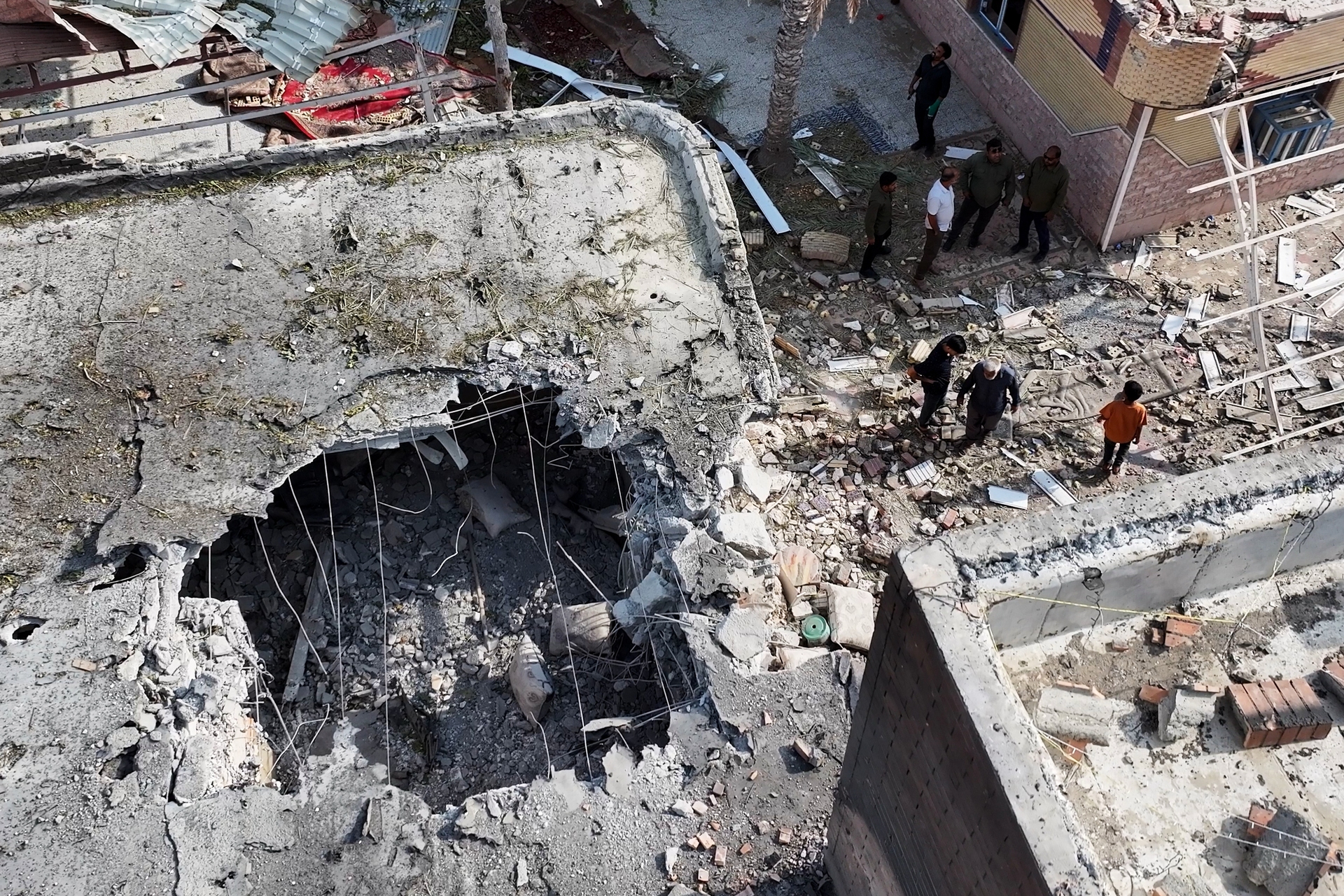
TEHRAN, Iran — The war between Iran and the United States has reached a strange juncture, a kind of in-between state that is neither war nor peace. While less destructive than an all-out conflict, experts view the current cycle of sporadic tit-for-tat attacks as highly unstable and susceptible to a dangerous escalatory spiral should either side miscalculate.
Following the collapse this summer of the Islamabad Memorandum that halted the fighting for a few weeks, Tehran has tried to raise the stakes by effectively closing off the Strait of Hormuz again and leaning on the militias it supports in Iraq and Yemen to target the interests of the U.S. and its allies. Washington has responded by trying to force Tehran’s capitulation through intermittent military strikes on southern Iran, an ongoing naval blockade and an economic pressure campaign.
Yet for all the posturing, the reality is that neither side is served by the status quo. Washington is unlikely to achieve its broader strategic objectives through military pressure alone, and Iran cannot hold out forever under current conditions. Both sides may be under the illusion that they can outlast the other. But in reality, some experts say, the most viable way out of the crisis is not an ambitious grand bargain, but a phased, compartmentalized approach to diplomacy.