

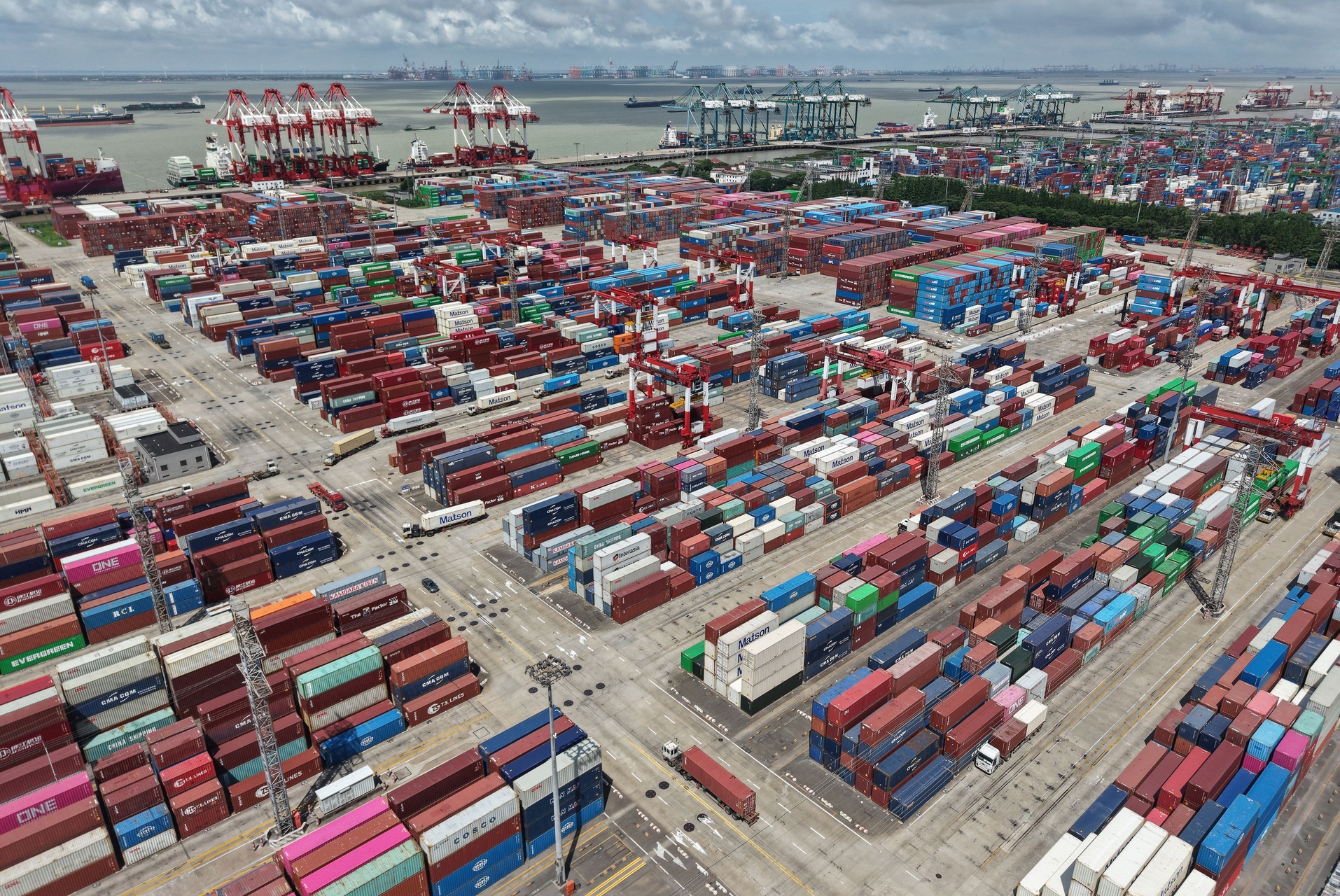
Last week, China’s Ministry of Commerce published Beijing’s first official response to allegations of overcapacity in Chinese industry. Excessive production in key sectors has been blamed for undermining manufacturing and employment in China’s trading partners by flooding export markets with goods produced below market costs.
The problem is mainly due to the large subsidies that Chinese firms receive, often from their local governments, which feed intense competition and race-to-the-bottom price wars, undermining their profitability. Failing firms are propped up by their local government supporters, which prevents consolidation. China’s lackluster domestic economy, with its weak retail sales and high unemployment, further reinforces the overcapacity issue. As a result, China’s trading partners accuse Beijing of trying to export itself out of these internal problems while foreign businesses remain largely unable to penetrate China’s large consumer market.
The Commerce Ministry report, tellingly titled “China’s Position on the So-Called Excess Capacity Issue,” is a full-throated rejection of the overcapacity problem. But it also much more than that: It is the Communist Party’s attempt to defend economic globalization and China’s position in it as the “world’s factory.” It is supremely defensive, but also overconfident. Reading it will not reassure China’s interlocutors abroad.