

TL;DR:
- Mastering a structured content submission process increases your chances of publication and audience growth on Nigerian and international platforms. Preparation, understanding platform guidelines, and professional pitching are essential to avoid rejections, while consistent follow-up builds strong editorial relationships. Focusing on local platforms first and maintaining discipline in submissions help creators develop credibility and scale their reach effectively.
The content submission process is the structured method by which creators present original work to online platforms for review, approval, and publication. Mastering this process is the single most reliable way to expand your reach, build credibility, and grow a loyal audience across Nigerian and international platforms. Tools like Grammarly help you polish your writing before submission, while platforms like Medium, Naijatipsland, and Allwork.Space each carry specific requirements you must meet. Optimal article length sits at 500 to 800 words for most editors, and originality is non-negotiable. Getting these fundamentals right from the start separates creators who get published from those who keep getting ignored.
What does the content submission process require before you start?
Preparation is the part most Nigerian creators skip, and it is exactly why their submissions get rejected. Before you write a single word for a target platform, you need to understand what that platform actually wants. Read the submission guidelines from top to bottom. Check the tone, the preferred topics, the word count range, and the audience demographics. A piece written for Naijatipsland’s community forum reads differently from one written for a tech publication like DZone.

Your toolkit matters just as much as your research. Use Grammarly or ProWritingAid to catch grammar errors and passive voice before submission. Run your draft through a plagiarism checker like Copyscape or Quetext to confirm originality. Editors increasingly require proof of previous work to filter out AI-generated submissions and verify credibility. Build a simple portfolio, even a Google Drive folder with three to five published clips, and link to it in every pitch.
Here is a quick comparison of what common platforms typically require:
| Platform | Format | Originality Check | Portfolio Required | Account Setup |
|---|---|---|---|---|
| Naijatipsland | Web form or CMS | Yes | Recommended | Yes (registration) |
| Medium | Built-in editor | Yes | No | Yes |
| DZone | Markdown + YAML | Strict | Yes | Pre-approval needed |
| Allwork.Space | Email pitch first | Strict | Yes | No |
| Next City | Email pitch | Yes | Yes | No |
Account setup is often overlooked. Many platforms require you to register as a contributor before you can submit anything. Some platforms require pre-approval as a contributor and use technical formatting standards. Complete your contributor profile fully, including your bio, social links, and areas of expertise. An incomplete profile signals to editors that you are not serious.
Pro Tip: Before submitting anywhere, read at least five recently published articles on that platform. This tells you the actual editorial voice and topic depth they favor, not just what the guidelines say.
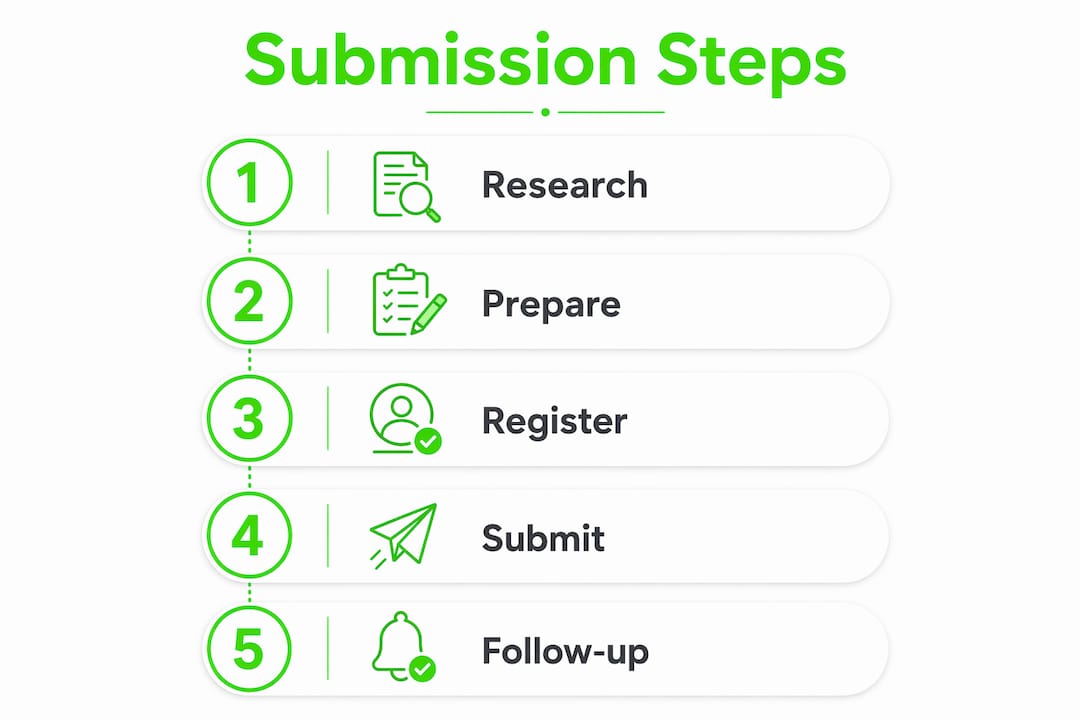
How to submit your content correctly: a step-by-step guide
Getting the submission right requires following a clear sequence. Skipping steps or rushing the process leads to rejections that have nothing to do with your writing quality.
Draft your pitch email. A good pitch includes a direct opening, a concise article summary, a specific fit statement explaining why your piece suits that publication, a brief credential note, and a polite closing. Keep the entire email under 200 words.
Write a strong subject line. A subject line stating the article title or pitch type greatly increases the chance of editorial attention. Use a format like: “Pitch: [Article Title] for [Section Name].”
Prepare your manuscript file. Format your article according to the platform’s stated preference. Google Docs works for most general publications. Technical platforms like DZone require Markdown with YAML front matter. Never submit a raw .docx file to a platform that specifies plain text.
Complete all metadata fields. When using a CMS or submission portal, fill in every field: title, meta description, tags, contributor name, and category. Errors in submission metadata cause swift rejections regardless of article quality. Treat metadata as editorial content, not an afterthought.
Attach or link your portfolio. Include a link to two or three relevant published pieces. This is your credibility signal.
Review internal links and images. Check that every link in your article works. Confirm that any images you include are either original, licensed, or royalty-free. Missing permissions on images are a common reason for rejection.
Submit and record the date. Log every submission in a simple spreadsheet: platform name, article title, submission date, and current status. This keeps you organized when managing multiple submissions.
Pro Tip: Before you hit send or click submit, read your pitch email out loud. If it sounds stiff or overly formal, rewrite it. Editors are people, and a natural, confident tone reads better than corporate language.
How to handle follow-ups and post-submission responses
Most Nigerian creators either follow up too soon or never follow up at all. Both approaches cost you opportunities. Waiting one to two weeks is standard before sending a follow-up, and one polite email referencing your submission details is acceptable. Sending multiple follow-ups within days of submitting marks you as difficult to work with.
When you do follow up, keep it brief. Reference the article title, the date you submitted, and ask politely whether the editor has had a chance to review it. Do not restate your entire pitch. Do not apologize for following up. Confidence and brevity are what editors respect.
Here is how to handle the three most common outcomes:
Acceptance: Read the contract carefully before signing. Pay attention to exclusivity clauses. Exclusivity periods of commonly 7 days are standard, meaning you cannot republish the piece elsewhere during that window. Understand whether the platform takes first rights, all rights, or non-exclusive rights.
Rejection: Do not take it personally. 30 to 50 percent of rejections come from misalignment with publication aims, not poor writing. Revise your fit statement, adjust the angle, and resubmit to a more suitable platform.
No response: Non-response from editors is standard practice. After a reasonable waiting period of two to three weeks with no reply, assume rejection and move on. Resubmit the piece elsewhere without burning the relationship.
When an editor requests revisions, respond within 48 hours. Acknowledge the feedback, make the changes clearly, and resubmit with a brief note explaining what you changed. Editors remember creators who are easy to work with.
Common challenges and best practices for Nigerian content creators
Nigerian creators face specific obstacles that go beyond general submission advice. Unstable internet connections can interrupt file uploads mid-process. Always draft your content offline in Google Docs or Microsoft Word before attempting to upload. Save a local copy of every submission file.
Generic pitches are the single biggest reason for rejection among new Nigerian bloggers. Editors triage submissions within seconds based on subject line clarity, sender identity, and audience fit. A pitch that could apply to any publication gets ignored immediately. Your fit statement must name a specific section, reference a recent article the platform published, and explain why your piece adds something new.
AI content restrictions are tightening across every major platform. AI-generated content restrictions and exclusivity rules are strictly enforced as of 2026. Write your content yourself. If you use AI tools for research or outlining, disclose it where the platform requires. Submitting undisclosed AI content risks a permanent ban from the platform.
The creators who build lasting relationships with editors are not always the most talented writers. They are the ones who follow guidelines precisely, respond quickly, and treat every interaction as a professional exchange.
A few more practices that separate successful Nigerian creators from the rest:
- Tailor every submission to the platform’s current editorial focus, not just its general topic area.
- Keep a running list of platforms that accept Nigerian voices and perspectives, including Naijatipsland, where you can submit news articles directly to an engaged local audience.
- Engage with editors and platform communities on social media before pitching. Familiarity increases your acceptance rate.
- Study the steps for submitting a news tip on Nigerian platforms to understand local editorial expectations.
- Never submit the same article to two competing platforms simultaneously without confirming both allow simultaneous submissions.
Key takeaways
A precise, well-prepared content submission process is the difference between consistent publication and a folder full of ignored pitches.
| Point | Details |
|---|---|
| Prepare before you pitch | Research platform guidelines, build a portfolio, and set up your contributor profile before submitting. |
| Structure every pitch correctly | Include a direct opening, article summary, fit statement, credentials, and a strong subject line. |
| Metadata is editorial content | Fill every CMS field completely; errors in metadata cause rejections regardless of writing quality. |
| Follow up professionally | Wait one to two weeks, send one polite email, and move on if there is no response. |
| Respect exclusivity rules | Observe the platform’s republication window, typically seven days, before sharing content elsewhere. |
What working with Nigerian platforms taught me about submissions
From Naijatipsland’s perspective, the most consistent pattern we see among Nigerian creators who succeed is not exceptional talent. It is discipline in preparation. The creators who get published regularly are the ones who read the guidelines, match their content to the platform’s actual audience, and treat every submission like a professional application.
One misunderstanding we encounter often is the belief that a well-written article sells itself. It does not. An article submitted to the wrong section, with incomplete metadata, and a vague pitch email will be rejected even if the writing is excellent. The submission package is part of the product.
We have also noticed that Nigerian creators sometimes underestimate the value of local platforms as a starting point. Building a track record on platforms like Naijatipsland gives you published clips, audience feedback, and editorial experience that strengthens your pitches to larger international outlets. Start local, build your record, then scale outward. That sequence works far better than pitching international publications with no prior credits.
Patience is the skill nobody talks about. Editorial timelines are slow. A two-week wait feels long when you are eager to publish, but it is completely normal. Use that time to prepare your next submission rather than refreshing your inbox.
— Naijatipsland
Start publishing with Naijatipsland today
Naijatipsland is built for Nigerian creators who want to reach an engaged, growing audience without the barriers of international editorial gatekeeping.
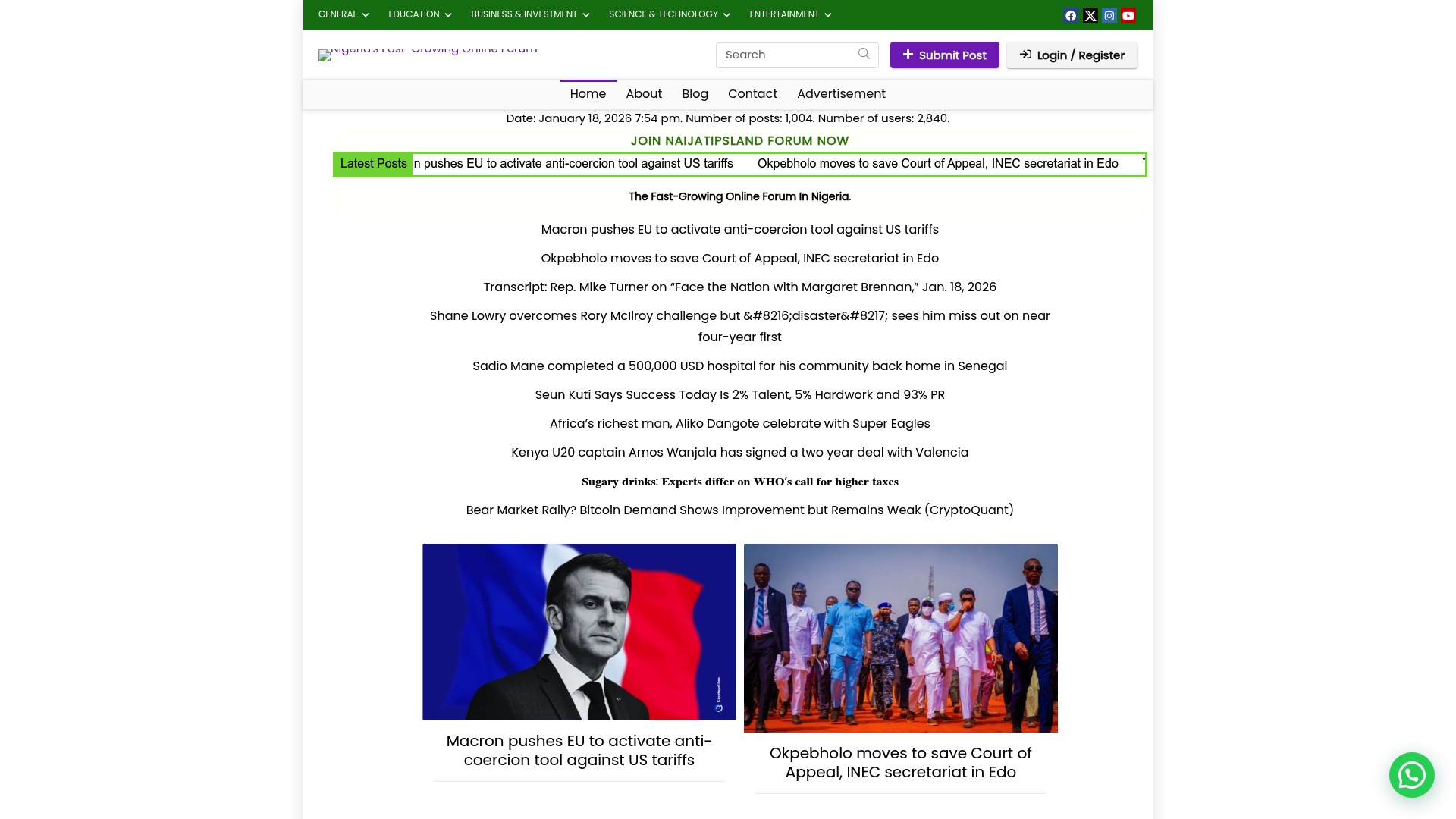
Whether you are covering politics, entertainment, sports, or lifestyle, Naijatipsland gives you a platform to publish, connect, and grow. Explore our entertainment updates section to see the kind of content that resonates with Nigerian readers, and use it as a model for your own submissions. You can also read our guide on writing for Nigerian journalists to sharpen your craft before your next pitch. If you want to understand how to build your audience as a columnist after publication, that resource covers the post-submission growth phase in detail. Visit Naijatipsland to get started.
FAQ
What is the content submission process?
The content submission process is the structured sequence of steps a creator follows to present original work to a platform for review and publication. It includes preparation, pitching, file formatting, portal submission, and post-submission follow-up.
How long should my article be for most platforms?
Most editors prefer articles between 500 and 800 words for optimal performance. Always check the specific platform’s guidelines, as technical publications like DZone may require longer, more detailed pieces.
How do I write a pitch email that gets accepted?
A strong pitch includes a direct opening sentence, a concise article summary, a specific fit statement naming the publication’s audience, brief credentials, and a polite closing. Keep the total length under 200 words.
When should I follow up after submitting content?
Wait one to two weeks before sending a single polite follow-up email. If there is still no response after another week, treat it as a rejection and resubmit the piece to a different platform.
Can I submit AI-generated content to Nigerian platforms?
Most platforms, including major ones operating in Nigeria, prohibit undisclosed AI-generated content as of 2026. Write original content yourself, and disclose any AI assistance where the platform’s guidelines require it.