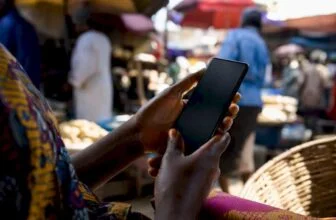


Posting on social media feels effortless, but every message leaves a lasting mark on your reputation and relationships. A single click can spark misunderstandings, damage trust, or even spread misinformation to hundreds of people you know. Staying in control online is harder than it seems, especially when emotions are high or you’re reacting in the moment.
The right approach helps you protect your image and connect positively with others, no matter what gets posted in your feed. You can avoid common mistakes and build credibility with practical habits. These trusted actions will show you how to share wisely, use respectful language, and think twice before spreading unverified news—making your online presence safer and stronger.
Get ready to discover the most effective strategies for protecting your privacy, maintaining healthy conversations, and stopping the impact of misleading information before it starts. Taking charge of your social media choices begins here.
Table of Contents
- 1. Think Before You Post: Avoid Impulsive Sharing
- 2. Use Respectful Language in All Interactions
- 3. Fact-Check Before Spreading News
- 4. Protect Your Privacy and Personal Info
- 5. Be Mindful of Others’ Cultural Differences
- 6. Handle Arguments Calmly and Privately
- 7. Credit Sources and Give Proper Recognition
Quick Summary
| Takeaway | Explanation |
|---|---|
| 1. Think Before You Post | Reflect on the impact of your posts before sharing. One impulsive share can harm relationships and damage your reputation long-term. |
| 2. Use Respectful Language | Choose words carefully to avoid offending others. Respectful communication fosters positive interactions and reflects your true character. |
| 3. Fact-Check Before Sharing News | Verify information before sharing to prevent spreading misinformation. Your credibility relies on the accuracy of what you circulate. |
| 4. Protect Your Privacy Online | Avoid sharing personal information to safeguard against identity theft and privacy breaches. Manage your digital footprint wisely. |
| 5. Credit Creators for Their Work | Always acknowledge original creators when sharing content. Crediting sources builds trust and supports the creative community. |
1. Think Before You Post: Avoid Impulsive Sharing
Your phone buzzes with drama, gossip, or a heated moment. You want to react instantly. Stop. That impulse to share everything immediately can damage relationships and wreck your reputation before you realize it.
Impulsive posts happen in seconds but live forever online. Once you hit share, you cannot take it back, no matter how quickly you delete it. Screenshots exist. People copy your words. Misunderstandings spread like wildfire across your timeline.
The biggest regrets about social media come from posts shared without thinking about the consequences first.
Why does this matter to you? Your online presence follows you everywhere. Potential employers check your profiles. Friends judge your character based on what you share. Family sees posts you never meant for them. One careless post can shift how people perceive you entirely.
Netiquette research on social conduct shows that considering the impact of your content before posting protects your relationships and reputation. Acting with sensitivity means restraint, not just typing faster.
Here are the risks of impulsive sharing:
- Spreading misinformation that you did not verify
- Offending people you care about without meaning to
- Creating conflict with family members or friends
- Damaging job opportunities or professional relationships
- Sharing private information that others told you in confidence
- Posting in anger, then regretting the tone later
The solution? Build a pause into your routine. Before posting anything, ask yourself these questions:
- Is this true, or am I sharing rumors?
- Would I say this to this person’s face?
- Could this hurt someone’s feelings or reputation?
- Am I posting because I am emotional right now?
- Would my future self be proud of this post?
If you hesitate on even one answer, do not post it yet. Save your draft. Leave it for an hour. Read it again with fresh eyes. You will often see why it was not a good idea.
Your Nigerian network is tight, and everyone knows everyone. What you post today might reach your aunty, your boss, or someone who lost respect for you because of one careless share. Think about your actual audience, not just the moment.
Pro tip: Set a personal rule: wait 30 minutes before posting anything emotional or controversial, and use your phone’s draft feature to save posts for later review instead of publishing immediately.
2. Use Respectful Language in All Interactions
Words matter more online than you think. A comment that seems funny to you might hurt someone deeply. The tone disappears when you type, leaving only your words behind for people to interpret however they want.
Respectful language means choosing words that do not demean, insult, or discriminate against others. It means treating people online the same way you would treat them face-to-face. This is not about being fake or quiet. It is about being honest without being harmful.
Your words on social media represent who you are, and respect is the foundation of every healthy interaction.
Why does respectful language matter? Because professional guidance emphasizes responsible expression that upholds your integrity and protects your relationships. What you say online affects how people see you, how they trust you, and whether they want to engage with you.
In Nigeria, respect is cultural currency. Disrespecting elders, using derogatory terms about people’s backgrounds, or insulting others online carries real consequences in your community. Your parents see your posts. Your extended family sees your posts. People remember what you said.
Disrespectful language includes:
- Name-calling or insults directed at individuals or groups
- Discriminatory comments about someone’s ethnicity, religion, or background
- Mockery or sarcasm that demeans people
- Profanity used to attack or belittle others
- Spreading harmful stereotypes or generalizations
- Using slurs or dehumanizing language
Respectful alternatives always exist. When you disagree with someone, you can express your point without attacking theirs. When you are frustrated, you can communicate that without lashing out.
Here is how to practice respectful language:
- Pause and reread your comment from someone else’s perspective
- Ask yourself if your words could hurt or offend anyone
- Choose specific criticism instead of personal attacks
- Acknowledge when you are wrong or misunderstood something
- Use “I” statements instead of blaming (“I disagree because” not “You are wrong”)
Respectful language does not mean you cannot disagree or share strong opinions. It means you can do both while maintaining dignity for yourself and others. You get taken seriously when you speak respectfully, and people listen to your ideas instead of your tone.
Pro tip: Before posting any comment in a discussion or debate, read it aloud to hear how it sounds, and imagine explaining it to the person you are discussing with face-to-face.
3. Fact-Check Before Spreading News
You scroll your timeline and see a shocking headline. Your first instinct is to share it immediately. Wait. That instinct is exactly what spreads misinformation across the internet and damages real lives.
Misinformation travels faster than truth on social media. A false story can reach thousands of people before anyone fact-checks it. By then, the damage is done. People believe it, share it further, and the lie grows bigger.
When you share without verifying, you become part of the problem, not part of the solution.
Why does fact-checking matter so much? Research shows that community-based fact-checking reduces misleading posts by 62 percent and encourages people to delete false content. Your choice to verify before sharing actually stops misinformation from spreading.
In Nigeria, false information about politics, health, security, or public figures spreads rapidly. People panic, make bad decisions, or damage someone’s reputation based on lies you helped amplify. You bear responsibility for what you share, even if you did not create it.
Common signs that news might be false include:
- Sensational headlines designed to shock or anger you
- No credible source or author listed
- Emotional language meant to make you react without thinking
- Images that seem out of context or poorly edited
- Claims that major news outlets have not reported
- Stories from unfamiliar websites with no reputation
Here is how to fact-check before sharing:
- Check if major Nigerian news outlets have reported this story
- Look up the source and verify it is legitimate and reputable
- Search for the claim on fact-checking websites like Africa Check
- Read multiple sources to see if they tell the same story
- Check the date to ensure the story is current, not recycled
- Look for evidence and expert quotes that back up the claims
Do not just rely on the headline. Read the actual article. Verify details. Ask yourself if this makes sense or if it seems designed to manipulate your emotions.
Social media misinformation poses serious public health risks, which is why verification matters before you spread anything. Taking five minutes to fact-check prevents hours of damage.
Your credibility depends on what you share. Share false information, and people stop trusting you. Share verified truth, and you become someone others respect and rely on for accurate information.
Pro tip: Use the reverse image search feature on Google to check if photos attached to news stories are real, recent, and used in the correct context before sharing.
4. Protect Your Privacy and Personal Info
Your phone number. Your home address. Your workplace location. Your relationship status. Every detail you share on social media becomes data that can be used against you. Scammers, stalkers, and identity thieves are watching for this information.
Privacy protection is not paranoia. It is practical self-defense. Once personal information is online, you cannot fully delete it. Screenshots exist. People save your data. The internet forgets nothing.
The information you share today could be weaponized against you tomorrow, which is why protecting privacy must happen before you post.
Why does this matter in Nigeria? Scams are rampant. Cybercriminals target young people with money in their accounts. They use your personal details from social media to impersonate you, access your accounts, or manipulate people close to you. Understanding online privacy protection helps you recognize and prevent these threats.
Experts recommend taking immediate action to protect your accounts. Use strong passwords with uppercase letters, numbers, and symbols. Change them regularly. Never use your name, birthdate, or phone number as part of your password.
Private information you should never share online includes:
- Full name, birthdate, and National Identification Number
- Home address or specific neighborhood you live in
- Phone numbers or email addresses
- School name or workplace details
- Relationship status or family member names
- Financial information or account details
- Your daily location or routine schedule
Here is how to protect your privacy on social media:
- Review your privacy settings on every platform you use
- Make your account private so only approved followers see your posts
- Limit who can comment, message, or tag you in photos
- Turn off location sharing for photos and posts
- Avoid posting in real-time about where you are
- Do not accept friend requests from strangers
- Check what information is visible on your profile
Privacy settings exist for a reason. Use them. Regularly review what your profile shows to the public. What felt safe yesterday might feel risky today as your circumstances change.
Do not assume your friends will keep your information private. Screenshots and shares happen instantly. Treat every post as potentially public information, because it effectively is.
Pro tip: Enable two-factor authentication on all your social media accounts so that even if someone steals your password, they cannot log in without a second verification step from your phone.
5. Be Mindful of Others’ Cultural Differences
Nigeria is not a monolith. Your Yoruba traditions differ from Igbo customs. Muslim practices differ from Christian celebrations. Your jokes land differently depending on who is reading them. What feels normal to you might offend someone from a different background.
Social media connects you to people from every region, religion, and ethnic group in Nigeria and beyond. Without cultural awareness, you risk insulting people unintentionally or spreading harmful stereotypes. One careless post can spark real conflict.
Understanding and respecting cultural differences builds trust and prevents misunderstandings that damage relationships online.
Why does cultural sensitivity matter on social media? Because awareness of cultural sensitivities fosters inclusivity and helps you communicate respectfully across differences. When you dismiss someone’s culture or mock their traditions, you diminish them as a person. That creates division, not connection.
In Nigeria, cultural identity runs deep. People feel strongly about their heritage. Mocking someone’s language, religious practices, food, or traditions is not funny. It is disrespectful. And people remember it.
Common cultural insensitivities to avoid:
- Making jokes about someone’s ethnic group or regional origin
- Mocking religious practices or beliefs you do not understand
- Stereotyping people based on where they are from
- Appropriating cultural symbols without respect or permission
- Dismissing someone’s concerns because they come from a different background
- Assuming everyone celebrates the same holidays or observes the same values
Here is how to practice cultural mindfulness:
- Learn about cultures different from your own before commenting
- Listen when someone explains why something offended them
- Apologize genuinely if you made a cultural mistake
- Ask questions respectfully instead of making assumptions
- Avoid generalizations about entire ethnic or religious groups
- Celebrate cultural diversity instead of just tolerating it
You do not need to be an expert on every culture. You just need to approach differences with genuine curiosity instead of judgment. When you see something from a culture unfamiliar to you, ask questions. Learn. Show interest.
Cultural sensitivity is not about being politically correct. It is about recognizing that people have different experiences, values, and ways of life that deserve respect. Your perspective is not the only valid one.
Remember that your Nigerian followers include people from dozens of ethnic backgrounds and religions. Content that feels safe to your immediate circle might hurt people you have never met. Think wider.
Pro tip: Before posting about someone else’s culture, religion, or tradition, pause and ask yourself whether someone from that background would feel respected or mocked by what you wrote.
6. Handle Arguments Calmly and Privately
Someone disagrees with you online. Your first instinct is to fire back publicly, proving them wrong in front of an audience. Stop. Public arguments are social media quicksand. The more you struggle, the deeper you sink.
Public arguments never resolve anything. They escalate. They spread. They damage your reputation far more than the original disagreement ever could. Everyone watching forms opinions about your character based on how you fight.
When you argue publicly on social media, you are not changing minds; you are creating enemies and entertaining onlookers at your expense.
Why does this matter? Research shows that public disputes damage reputation and rarely lead to positive outcomes. People judge you by your worst moment online. One heated comment can define how hundreds of people see you for months or years.
Public arguments breed problems you did not anticipate. Friends take sides. Family members get involved. People you respect lose respect for you. Your boss sees it. Your colleagues see it. Potential employers see it.
The damage does not stop when the argument ends. Screenshots live forever. People share your angry comments in group chats. Your words get quoted out of context. What started as a disagreement becomes a permanent part of your digital reputation.
Here are signs you should step away from an online argument:
- You are typing in all caps or using excessive punctuation
- You are repeating the same points over and over
- Other people are starting to pile on
- You feel anger rising in your chest
- You would not say these words to this person’s face
- You have already responded multiple times without resolution
What to do instead when conflict arises:
- Take a breath and wait at least 30 minutes before responding
- Do not engage publicly; scroll past if it is not worth your peace
- Send a direct message if you genuinely want to discuss the issue
- Keep private conversations respectful and focused on resolving the problem
- Accept that you may never change someone’s mind
- Know when to simply end the conversation and move on
Social media etiquette recommends handling conflicts privately instead of in public view. This protects your reputation while giving real dialogue a chance to happen.
Not every disagreement deserves your energy. Some people are not looking for conversation. They are looking for conflict. Do not give them what they want.
Your digital reputation matters. Employers, friends, and potential partners judge you based on your online behavior. Every public argument chips away at how people see you. Protect your image by refusing to fight in public.
Pro tip: Before responding to any comment that upsets you, copy your draft response, close the app for 20 minutes, then read it again with fresh eyes to decide if it deserves a public reply.
7. Credit Sources and Give Proper Recognition
You find a brilliant video, a hilarious meme, or an inspiring quote online. You share it instantly without mentioning who created it. That creator gets zero recognition while you get all the engagement. That is theft dressed up as sharing.
Crediting sources is not optional. It is basic respect. Every piece of content you share came from someone who invested time, creativity, or effort into making it. They deserve acknowledgment, not invisibility.
When you share someone else’s work without credit, you are stealing their opportunity to be recognized and rewarded for their creativity.
Why does proper attribution matter? Crediting sources respects intellectual property and builds your credibility as someone who shares ethically. People trust accounts that give proper recognition. They avoid accounts that steal credit constantly.
In Nigeria, content creators struggle to make a living. Musicians, comedians, artists, and writers depend on recognition to build audiences and opportunities. When you share their work without credit, you rob them of visibility and potential earnings.
The #RespectTheCreators campaign emphasizes that proper recognition ensures creators receive respect and opportunities for their work. This applies to every type of content, not just music.
Things you must credit the original creator for:
- Photos and artwork
- Videos and reels
- Music and audio
- Quotes and written content
- Memes and designs
- Research and statistics
- Ideas and concepts you discuss
How to give proper credit:
- Tag the original creator by username if sharing their post
- Mention their name in your caption if reposting content
- Include a link to their original work when possible
- Use “via” or “credit” language to indicate the source
- Ask permission before using someone’s content
- Link to the original source if sharing statistics or research
Giving credit takes five extra seconds. Type the person’s name. Tag their account. Add a “thanks to” caption. That is all. It costs you nothing but means everything to the creator.
When you build a habit of crediting sources, people see you as honest and respectful. They want to follow you. They want to work with you. Your reputation improves because you honor other people’s work.
Ignoring sources damages your credibility. People notice when you never credit anyone. They assume you are trying to claim credit that is not yours. Over time, your audience loses trust.
Pro tip: When sharing someone else’s work, write their name and what they created in your caption before you do anything else, so you never forget to add credit before hitting post.
Below is a comprehensive table summarizing the key guidelines for maintaining proper online etiquette as discussed in the article.
| Guideline | Description | Key Actions |
|---|---|---|
| Think Before You Post | Avoid sharing impulsively, as posts are permanent and can affect relationships and reputation. | Question intentions, save drafts, and delay emotional posts by 30 minutes. |
| Use Respectful Language | Ensure that words used in online interactions are free of offense and not harmful to others. | Review posts and comments, use positive language, avoid insults, and practice understanding. |
| Fact-Check Information | Verify the authenticity of any news or information before sharing it to prevent spreading misinformation. | Cross-check sources, review major news outlets, and use factual validation tools like reverse image search. |
| Protect Privacy | Safeguard personal information shared on social media to prevent misuse. | Edit privacy settings, limit information accessibility, and avoid sharing sensitive personal details. |
| Respect Cultural Differences | Recognize and honor how cultural backgrounds can affect perspectives and interpretations. | Learn about other cultures, avoid harmful stereotypes, and approach content with empathy and respect. |
| Handle Arguments Calmly | Manage disputes with composure, prioritizing respect and confidentiality for resolution. | Avoid public arguments, pause before responding, and, if needed, discuss issues privately. |
| Credit Content Creators | Acknowledge the original creators of any shared material to respect their intellectual contributions. | Tag creators, include credits in posts, and gain permission if necessary. |
These guidelines ensure respectful, thoughtful, and considerate online behavior, fostering positive engagements and protecting one’s reputation in digital spaces.
Master Social Media Etiquette and Stay Connected Confidently
Navigating social media responsibly is a real challenge for every Nigerian eager to protect their reputation and relationships online. This article uncovered key pain points like impulsive sharing, misinformation, and cultural sensitivity that can unintentionally damage your digital image. At Naijatipsland.com, we understand the importance of respectful and informed online interaction. Our community forum offers a safe space where you can engage thoughtfully, fact-check trending stories, and connect with others who value digital etiquette as much as you do.
Don’t risk your digital reputation. Join Naijatipsland.com today to stay updated, participate in meaningful discussions, and access resources that help you post with confidence and respect. Start building your trusted online presence now by visiting Naijatipsland home and becoming part of a growing community committed to respectful and verified content sharing.
Frequently Asked Questions
What are the risks of impulsive sharing on social media?
Impulsive sharing can damage relationships, spread misinformation, and harm your reputation. To avoid this, pause before posting and reflect on the potential impact of your words for about 30 minutes.
How can I ensure that I use respectful language in my online interactions?
Using respectful language involves choosing words that do not demean or insult others. Before commenting, reread your message from someone else’s perspective and ask yourself if it could hurt anyone’s feelings.
What should I do to fact-check news before sharing it?
To fact-check news, verify if reputable news sources have reported the story. Take the time to read multiple reliable sources and look for evidence backing the claims before sharing anything with your network.
How can I protect my privacy on social media?
To protect your privacy, review and adjust your privacy settings on all social media platforms. Make your account private, limit who can see your posts, and avoid sharing sensitive personal information like your full name or address.
Why is cultural sensitivity important on social media?
Cultural sensitivity is crucial because it helps you avoid offending others and fosters inclusivity in conversations. Educate yourself about different cultures and traditions to communicate respectfully and prevent misunderstandings.
How should I handle a disagreement on social media?
When you encounter a disagreement, step away from public responses and try to discuss the issue privately. Avoid escalating the conflict by keeping communication respectful and focused on finding a resolution.