Aramco President & CEO: Attacks on the Region’s Energy Infrastructure Threaten Global Economies

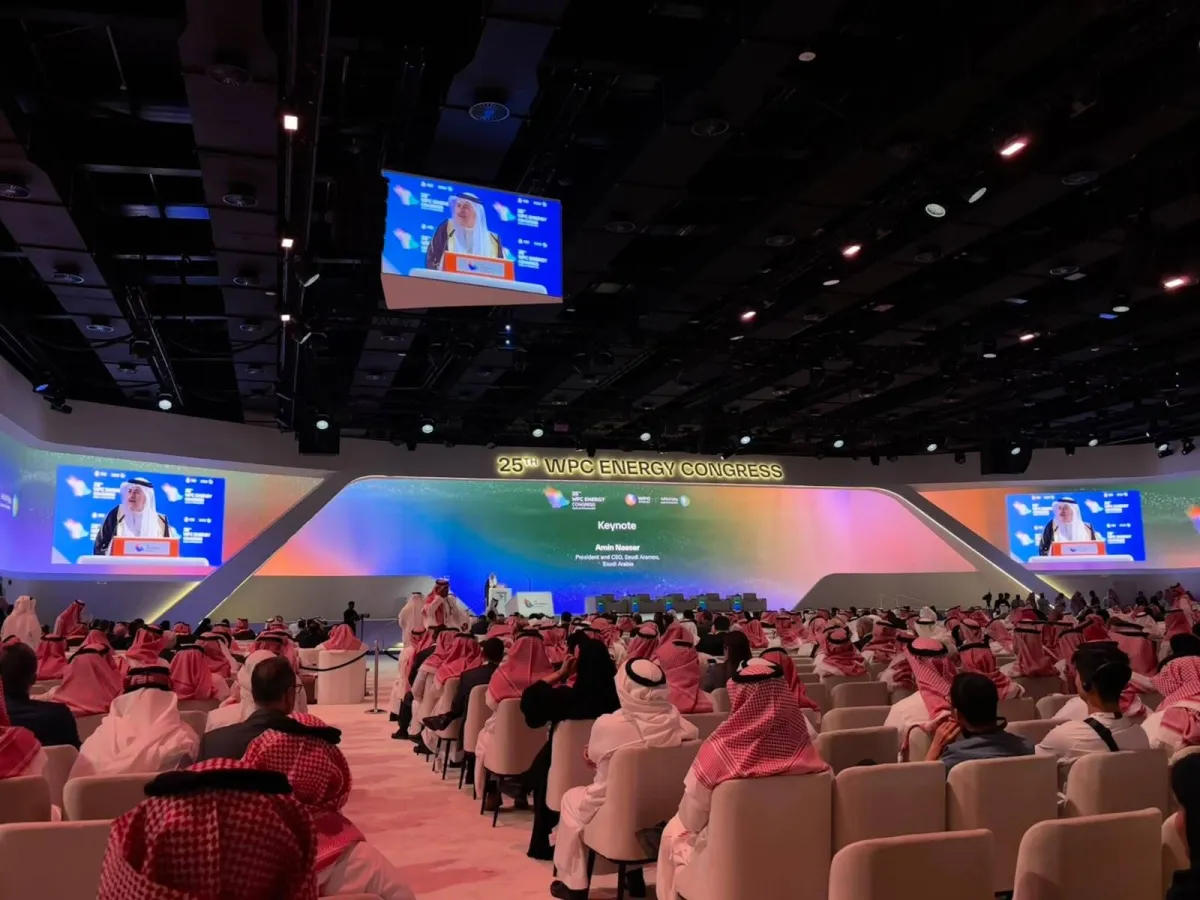
Amin H. Nasser, President & CEO of Aramco, has warned that the consequences of attacks on the region’s energy infrastructure extend beyond its own markets to economies and markets around the world. He stressed that protecting energy facilities and supply routes requires international cooperation, as recent disruptions pose challenges to global energy security.
Speaking at the 25th WPC Energy Congress in Riyadh, Nasser said disruptions in the Strait of Hormuz and attacks on energy infrastructure across the region had exposed the extent to which the links in the global supply chain are interconnected. He noted that continued disruptions were intensifying pressure on crude oil and refined product markets, particularly diesel.
He added that available commercial inventories now offer only a limited buffer against shocks, warning against relying on them as a permanent solution for energy security. He stressed that restoring the flow of supplies through the Strait of Hormuz and rebuilding market confidence remain essential to easing pressure across the energy supply chain.
Nasser explained that Saudi Arabia’s energy system had continued to operate with high reliability throughout the crisis, supported by strategic investments in infrastructure and operational capabilities, diversified export routes, integrated facilities, and digital protection systems.
Proactive Investments Strengthen Resilience
Nasser stressed that resilience in the energy sector cannot be achieved through a single pipeline, facility, or technology. Rather, it requires an integrated system encompassing infrastructure, spare production capacity, multiple export routes, and the financial and human resources needed to maintain operations and investment during crises.
He added that Aramco, in coordination with the Ministry of Energy, was exploring additional crude oil export options, alongside expanding storage capacity outside the Kingdom and deploying advanced technologies to inspect facilities, accelerate maintenance and repair work, and limit damage.
He emphasized that the costs of investments needed to build resilience are borne by the entities that undertake them, while the benefits extend to economies, consumers, businesses, and investors. Avoiding disruptions, he noted, has economic value that deserves greater recognition, helping sustain the investments essential to energy security.
iktva Supports Supply Continuity
Nasser noted that Aramco’s In-Kingdom Total Value Add program (iktva), launched more than a decade ago, had helped establish a domestic supply base and strengthen the company’s ability to respond to exceptional circumstances.
He said that more than 90% of the materials used to restore operations over the past eight months had been sourced locally, enabling restoration work to be completed in hours and days rather than weeks and months.
He added that localizing supply chains is an important factor in strengthening preparedness for crises, while also supporting the domestic economy, developing national industries, and creating jobs.
Nasser stressed that building resilience requires sustained investment over many years, rather than short-term decisions. He also highlighted the importance of protecting the capabilities already developed and preparing for the Kingdom’s future needs.
80% Increase in Gas Production Targeted by 2030
Regarding the company’s future plans, Nasser said expanding gas production was a key pillar of Aramco’s strategy, with the company targeting an approximately 80% increase in sales gas production by 2030 compared with 2021 levels.
He added that gas expansion complements the National Renewable Energy Program, which includes solar and wind projects aimed at diversifying electricity generation sources and reducing emissions.
He explained that combining gas with renewable energy supports a more diversified and resilient electricity generation mix, helping improve resource utilization and meet the needs of the domestic economy. This is being pursued alongside the development of carbon capture, utilization and storage (CCUS), artificial intelligence, and advanced digital solutions.
He noted that these efforts align with the objectives of Saudi Vision 2030, particularly economic diversification, the development of local capabilities, industrial growth, job creation, and the establishment of a more sustainable energy system.
The Middle East: A Pillar of Global Energy Security
Nasser stressed that the Middle East remains a key pillar of global energy security, given its substantial share of proven oil reserves and spare production capacity. He noted that more than 90% of the world’s spare production capacity is concentrated in the region, according to his remarks.
He added that diversifying supply sources does not necessarily mean being able to diversify the geographical locations from which energy originates. He warned that attacks on the region’s infrastructure have repercussions for markets and economies worldwide.
He emphasized that protecting the energy facilities and transportation routes on which the global economy depends requires joint international efforts. No single country, regardless of its capabilities, can protect every element of the global supply system on its own.
Multiple Pathways for the Energy Transition
Regarding the future of energy, Nasser said transition pathways would differ from one country to another according to their needs and economic circumstances, stressing that oil and gas would remain important components of the global energy mix.
He added that providing reliable and affordable energy is essential to supporting economic growth, creating jobs, and improving living standards, particularly in developing economies facing challenges in meeting growing energy demand.
He concluded by emphasizing the importance of building an integrated energy system combining oil, gas, and renewable energy, one that operates efficiently under normal conditions and can withstand pressure during crises. Such a system, he said, would strengthen energy security in Saudi Arabia and around the world while supporting future growth.