


Scrolling through financial news, you have probably noticed conversations about digital currency reshaping how people save, invest, and spend in Nigeria. As more tech-savvy Nigerians explore digital options, questions about the benefits and misconceptions of cryptocurrency, virtual currency, and central bank digital currencies are becoming more common. This guide breaks down digital currency’s core meaning and common misconceptions, helping you make smarter choices for your investments and daily financial moves.
Table of Contents
- Digital Currency Meaning And Common Misconceptions
- Types Of Digital Currency And Key Differences
- How Digital Currency Works In Practice
- Digital Currency Use In Nigeria And Africa
- Legal Status, Risks, And Staying Safe
Key Takeaways
| Point | Details |
|---|---|
| Understanding Digital Currencies | Digital currencies encompass various types, including Cryptocurrencies, Stablecoins, and Central Bank Digital Currencies (CBDCs), each with distinct features and uses. |
| Misconceptions Impact Adoption | Common misconceptions about digital currencies hinder their acceptance, including beliefs about regulation and real economic value. |
| Regulatory Landscape in Nigeria | The regulatory framework for digital currencies in Nigeria is evolving, requiring users to stay informed about compliance and legal considerations. |
| Investment and Security | Users should conduct thorough research on digital currencies’ technology and potential risks before investing to ensure informed decision-making. |
Digital Currency Meaning and Common Misconceptions
Digital currency represents a transformative approach to financial transactions that goes far beyond traditional monetary systems. At its core, digital currency is an electronic form of money that exists primarily in digital environments, enabling near-instantaneous exchanges across digital platforms. Unlike physical cash, these digital assets are managed through computer systems, particularly via internet networks.
Digital currencies come in multiple distinct forms, each with unique characteristics:
- Cryptocurrency: Decentralized digital currencies like Bitcoin, operating without central bank control
- Virtual Currency: Digital tokens used within specific online ecosystems or gaming platforms
- Central Bank Digital Currencies (CBDCs): Government-issued digital money with official regulatory backing
Many Nigerians harbor misconceptions about digital currencies that can hinder understanding and adoption. Digital money fundamentally challenges traditional financial paradigms by eliminating physical currency constraints and reducing transaction costs. Contrary to popular belief, digital currencies are not just speculative investments but increasingly sophisticated financial instruments with real-world utility.
The primary distinctions between different digital currency types often confuse potential users. While cryptocurrencies operate on decentralized blockchain networks, CBDCs represent government-backed digital representations of national currencies. Central bank digital currencies involve complex regulatory considerations beyond simple monetary exchange, including data privacy, payment integrity, and broader economic implications.
Key misconceptions about digital currencies include:
- All digital currencies are unregulated
- Digital currencies are only used for illegal transactions
- Digital currencies lack real economic value
- Only tech-savvy individuals can use digital currencies
Understanding these nuances helps Nigerians make informed financial decisions in an increasingly digital economic landscape. Digital currencies offer unprecedented opportunities for financial inclusion, reducing transaction fees and enabling cross-border exchanges with minimal friction.
Pro tip: Before investing in any digital currency, thoroughly research its underlying technology, regulatory status, and potential risks to make an informed decision.
Types of Digital Currency and Key Differences
Digital currencies represent a diverse ecosystem of electronic financial instruments, each with unique characteristics and operational frameworks. Digital currency classifications reveal complex technological and regulatory landscapes that extend far beyond simple monetary transactions. Understanding these variations is crucial for Nigerian investors and financial enthusiasts seeking to navigate the evolving digital financial environment.
The primary types of digital currencies include:
- Cryptocurrencies: Decentralized digital assets using blockchain technology
- Stablecoins: Digital currencies pegged to stable assets like fiat currencies
- Central Bank Digital Currencies (CBDCs): Government-issued digital money
- Virtual Currencies: Digital tokens used within specific platforms or ecosystems
Digital currencies demonstrate remarkable diversity in technological implementation and regulatory frameworks. Cryptocurrencies like Bitcoin represent the most radical departure from traditional financial systems, operating without central authority and utilizing advanced cryptographic techniques for security and transaction verification.
Each digital currency type differs significantly in key characteristics:
- Control Mechanism: Ranging from fully decentralized to government-regulated
- Transaction Transparency: Varying levels of anonymity and public record-keeping
- Volatility: Some currencies experience extreme price fluctuations while others maintain stable values
- Regulatory Status: From completely unregulated to officially sanctioned financial instruments
Central Bank Digital Currencies (CBDCs) represent a particularly interesting development for Nigerian financial markets. These government-backed digital currencies offer a regulated alternative to decentralized cryptocurrencies, potentially providing greater financial stability and official recognition.

To clarify the distinctions between digital currency types, here’s a concise comparison table:
| Currency Type | Control Mechanism | Value Stability | Primary Use |
|---|---|---|---|
| Cryptocurrency | Decentralized networks | Highly volatile | Investment & transfers |
| Stablecoin | Pegged to assets | Maintains stable value | Payments & savings |
| CBDC | Central bank regulated | Stable, official currency | Domestic transactions |
| Virtual Currency | Platform-specific control | Value depends on platform | Gaming & online services |
Pro tip: Before investing in any digital currency, thoroughly analyze its underlying technology, regulatory environment, and potential long-term value proposition.
How Digital Currency Works in Practice
Digital currency transactions represent a sophisticated electronic exchange mechanism that fundamentally transforms traditional financial interactions. Digital currency operational models reveal complex technological infrastructures that enable near-instantaneous monetary transfers across digital platforms, challenging conventional banking systems.
The practical implementation of digital currencies involves several critical components:
- Digital Wallets: Secure electronic repositories for storing digital currency
- Blockchain Technology: Decentralized ledger system ensuring transaction transparency
- Cryptographic Security: Advanced encryption protecting transaction integrity
- Peer-to-Peer Networks: Direct transaction mechanisms bypassing traditional intermediaries
Central Bank Digital Currencies demonstrate innovative payment system designs that can potentially revolutionize financial inclusion. These digital monetary systems operate through sophisticated electronic platforms, allowing instant settlements and reducing reliance on physical cash infrastructure.
Digital currency transactions typically follow a structured process:
- Initiate Transaction: User selects recipient and amount
- Verify Digital Identity: Cryptographic authentication
- Process Transaction: Network validation and recording
- Complete Transfer: Funds moved between digital wallets
For Nigerian users, digital currencies offer unprecedented financial flexibility. They enable cross-border transactions with minimal fees, provide opportunities for individuals without traditional bank access, and create alternative investment mechanisms that transcend conventional financial limitations.
For a quick overview of how digital currency transactions work, see the following process summary:
| Step | Purpose | Security Feature |
|---|---|---|
| Initiation | Select recipient and amount | User authentication |
| Verification | Confirm digital identity | Cryptographic methods |
| Processing | Validate transaction | Ledger recording |
| Completion | Transfer funds | Digital wallet updates |
Pro tip: Always use multi-factor authentication and maintain robust cybersecurity practices when engaging with digital currency platforms to protect your digital assets.
Digital Currency Use in Nigeria and Africa
Digital currency adoption in Nigeria represents a dynamic and rapidly evolving financial landscape that challenges traditional economic frameworks. Cryptocurrency usage has surged dramatically across African markets, positioning Nigeria as a significant hub for digital financial innovation.
Key characteristics of digital currency usage in Nigeria include:
- High Trading Volume: Among the highest cryptocurrency trading rates in Africa
- Youth-Driven Adoption: Predominantly driven by tech-savvy younger populations
- Alternative Investment Strategy: Used as hedge against currency volatility
- Remittance Solutions: Facilitating cross-border money transfers with reduced fees
Digital financial services are transforming economic opportunities across the African continent. These technological innovations provide critical financial access to populations traditionally excluded from formal banking systems, particularly in rural and underserved communities.
The regulatory landscape for digital currencies in Nigeria remains complex:
- Central Bank Restrictions: Initial cryptocurrency trading limitations
- Evolving Legal Frameworks: Ongoing policy development
- Consumer Protection Measures: Increasing governmental oversight
- Cybersecurity Initiatives: Addressing potential financial risks
Nigerian entrepreneurs and investors are leveraging digital currencies as powerful tools for economic empowerment, creating alternative investment channels and financial mobility that transcend traditional economic barriers.
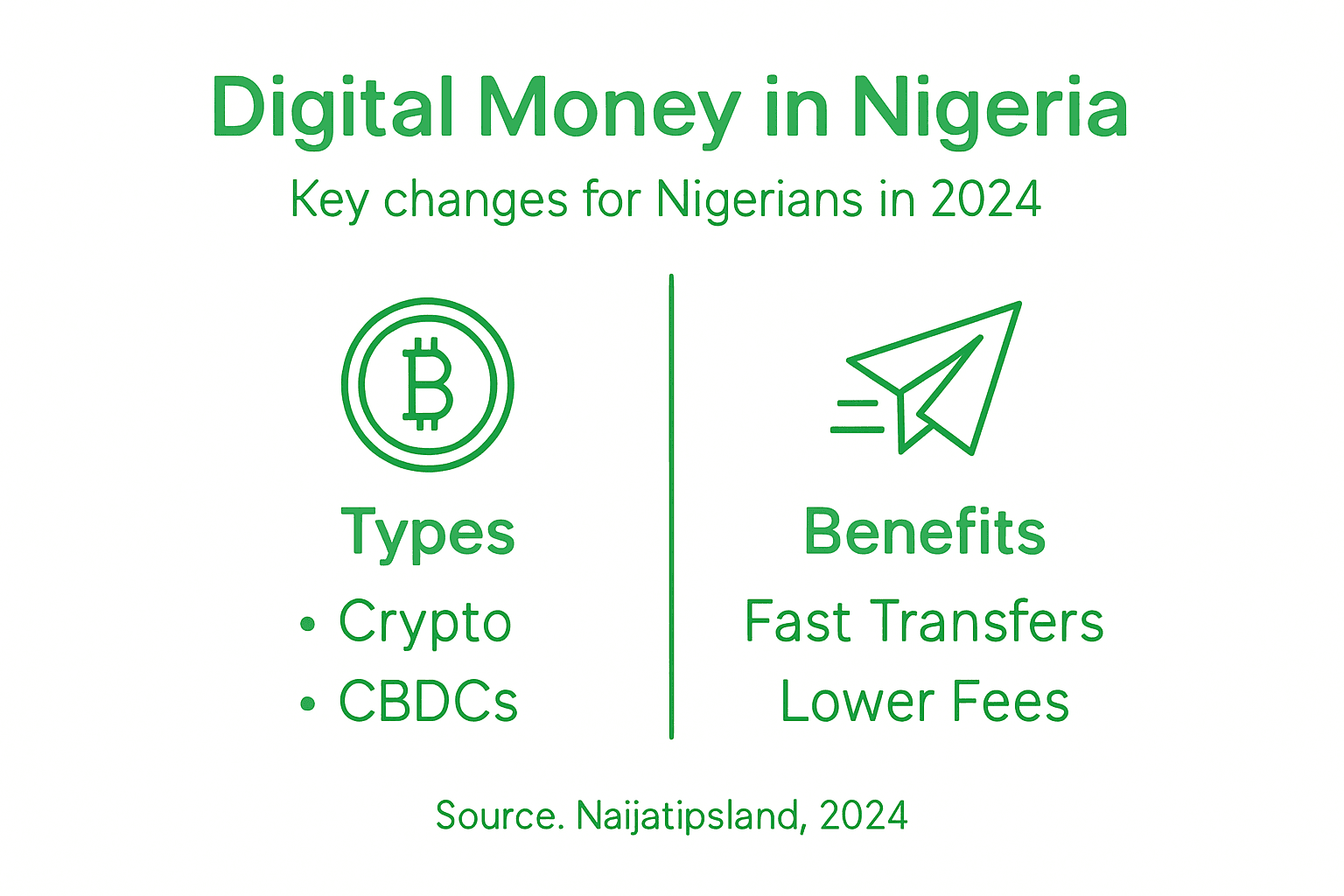
Pro tip: Always research current regulatory guidelines and understand potential risks before engaging with digital currency platforms in Nigeria.
Legal Status, Risks, and Staying Safe
Digital currencies in Nigeria exist within a complex legal framework that demands careful navigation and understanding. Recent legislation recognizes digital assets as financial securities, establishing critical regulatory oversight to protect consumers and manage potential financial risks.
Key legal considerations for Nigerian digital currency users include:
- Regulatory Compliance: Adherence to Central Bank of Nigeria guidelines
- Transaction Monitoring: Potential scrutiny of cryptocurrency exchanges
- Anti-Money Laundering Requirements: Mandatory identification and verification
- Limited Banking Channel Access: Restrictions on crypto-related transactions
Nigeria’s Central Bank Digital Currency framework introduces stringent access controls designed to mitigate potential financial vulnerabilities. The eNaira represents a government-backed digital currency approach that emphasizes consumer protection and systematic financial management.
Primary risks associated with digital currency usage encompass:
- Potential Fraud and Scam Vulnerabilities
- High Market Volatility
- Cybersecurity Threats
- Regulatory Uncertainty
- Limited Consumer Protection Mechanisms
Safety strategies for Nigerian digital currency users require proactive risk management and continuous education about emerging technological and regulatory developments in the digital financial ecosystem.
Pro tip: Always maintain comprehensive transaction records, use multi-factor authentication, and conduct thorough research before engaging with any digital currency platform.
Unlock the Power of Digital Currency Awareness with Naijatipsland
The rise of digital currencies presents both exciting opportunities and complex challenges for Nigerians. As the article highlights, understanding key concepts like cryptocurrency, Central Bank Digital Currencies, and their legal frameworks is essential to navigate this fast-changing financial landscape safely and effectively. If you want to stay informed about how digital currency impacts Nigeria’s economy and society, addressing risks like fraud and regulatory changes, you need a reliable platform where discussions, updates, and expert insights converge.
Join the vibrant community at Naijatipsland to engage with fellow Nigerians exploring digital innovations and economic trends. Stay ahead with up-to-date news and thoughtful conversations about investment risks, financial inclusion, and the technology shaping the future of money. Don’t wait — empower yourself today by visiting Naijatipsland, where knowledge meets community. Discover more about digital currency topics and participate in discussions that matter to you.
Frequently Asked Questions
What is digital currency?
Digital currency is an electronic form of money that exists primarily in digital environments. It enables near-instantaneous exchanges across digital platforms and can take various forms, including cryptocurrencies, stablecoins, and central bank digital currencies (CBDCs).
How does digital currency work in practice?
Digital currency transactions involve several key components: digital wallets for storing currency, blockchain technology for transaction transparency, cryptographic security for integrity, and peer-to-peer networks that facilitate direct transactions without intermediaries.
What are the main types of digital currency?
The main types of digital currency include cryptocurrencies (decentralized digital assets), stablecoins (pegged to stable assets), central bank digital currencies (government-issued digital money), and virtual currencies (used within specific platforms).
What are the risks associated with using digital currency?
Key risks include potential fraud and scam vulnerabilities, high market volatility, cybersecurity threats, regulatory uncertainty, and limited consumer protection mechanisms. It’s essential for users to stay informed and practice safe transaction strategies.