
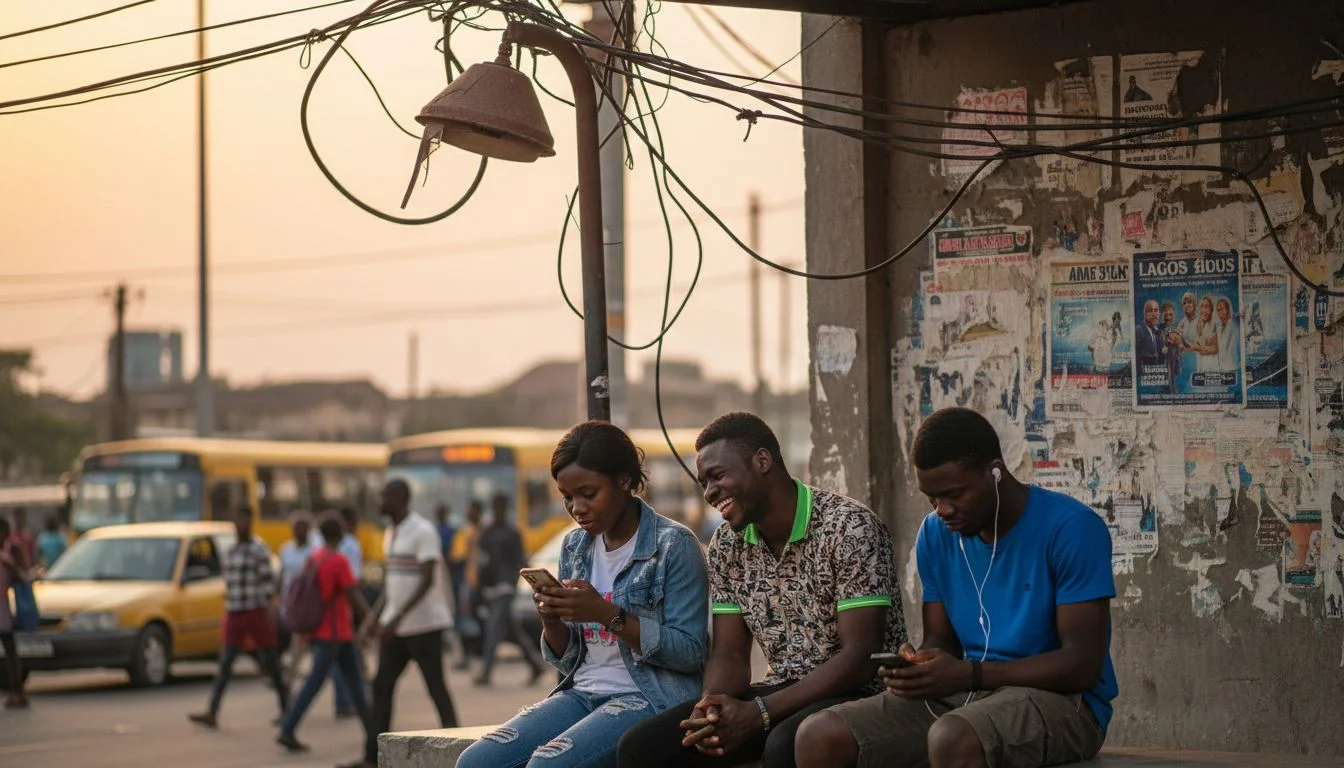
Scrolling through WhatsApp group chats or posting stories on Instagram has become second nature for many young Nigerians. Social media goes far beyond entertainment, shaping how we connect, share news, and spark real conversations in our communities. As platforms like Facebook and Twitter bridge gaps from Lagos to Kaduna, understanding the core features of social connectivity and why these digital spaces matter can help you navigate online interactions more intentionally in both personal and public life.
Table of Contents
- Defining Social Media and Core Functions
- Major Types and Nigerian Usage Trends
- Powering Social Movements and Community Life
- Influence on News, Opinion, and Culture
- Risks, Challenges, and Digital Literacy Needs
- Promoting Ethical and Responsible Engagement
Key Takeaways
| Point | Details |
|---|---|
| Understanding Social Media’s Role | Social media facilitates global connectivity and allows for dynamic interactions that transform traditional communication methods. |
| Nigerian Social Media Trends | Platforms like WhatsApp, Facebook, and Instagram serve varied purposes, reflecting local engagement patterns and cultural identity. |
| Empowering Activism and Community | Social media acts as a powerful tool for grassroots movements, enabling collective action and social change in Nigerian communities. |
| Promoting Digital Literacy | Developing critical digital literacy skills is essential for navigating online risks and fostering responsible engagement in digital spaces. |
Defining Social Media and Core Functions
Social media represents a dynamic digital ecosystem that has fundamentally transformed how people communicate, share information, and connect across geographical boundaries. Computer-mediated communication platforms enable users to interact through various digital channels, creating unprecedented opportunities for global connectivity.
At its core, social media encompasses a wide range of digital platforms designed to facilitate social interaction, content sharing, and network building. The fundamental characteristics of these platforms include:
- Enabling real-time and asynchronous communication
- Allowing users to create and customize personal profiles
- Facilitating content sharing across diverse media formats
- Supporting community engagement and networking
- Providing interactive communication channels
Social Networking represents the primary mechanism through which these platforms operate, connecting individuals with shared interests, backgrounds, or professional domains. Researchers define social media through multiple perspectives – technological, usage-oriented, and user-centered approaches – highlighting the complex and evolving nature of these digital interactions.
Social media transforms communication from a one-way broadcast model to a dynamic, multi-directional exchange of information and perspectives.
The technological infrastructure behind social media platforms enables sophisticated interactions that go beyond traditional communication methods. These platforms leverage algorithms, user data, and advanced networking technologies to create personalized, engaging experiences that adapt to individual user preferences and behaviors.
Pro tip: Understand the specific features of each social media platform to maximize your digital communication and networking potential.
Major Types and Nigerian Usage Trends
Nigeria’s social media landscape reflects a vibrant and dynamic digital ecosystem characterized by diverse platform usage and unique engagement patterns. Social media research indicates that Nigerian users predominantly utilize platforms that facilitate communication, information sharing, and entertainment.
The major types of social media platforms popular among Nigerian users include:
- Messaging Apps: WhatsApp, Telegram, Signal
- Social Networking Sites: Facebook, Twitter, LinkedIn
- Content Sharing Platforms: Instagram, YouTube, TikTok
- Professional Networking: LinkedIn, Twitter Spaces
- Localized Community Platforms: Nairaland, Nigerian-specific forums
Mobile Access plays a crucial role in driving social media engagement across Nigeria. With increasing smartphone penetration and affordable data plans, young Nigerians have embraced digital communication channels as primary means of interaction, entertainment, and information exchange.
Nigerian social media usage represents a unique blend of global digital trends and localized communication strategies.
Digital interaction patterns reveal that Nigerian users leverage social media for multiple purposes, including professional networking, social activism, entertainment, and community building. The platforms serve as critical spaces for expressing cultural identity, sharing perspectives, and connecting with broader social networks.
Here’s a summary of how major social media types impact Nigerian users:
| Platform Type | Main Purpose | Typical User Engagement | Unique Nigerian Context |
|---|---|---|---|
| Messaging Apps | Private conversation | Daily chats, group updates | Used for civic campaigns |
| Content Sharing Sites | Visual storytelling | Posting, streaming, sharing | Popular with youth influencers |
| Social Networks | Building connections | News, networking, events | Drives social activism |
| Community Forums | Niche discussions | Threaded posts, debates | Local perspectives, public issues |
Pro tip: Choose social media platforms strategically based on your specific communication and networking goals.
Powering Social Movements and Community Life
Social media platforms have transformed743400_EN.pdf) community engagement and social activism in Nigeria, creating unprecedented opportunities for collective action and democratic participation. These digital platforms serve as powerful tools for amplifying marginalized voices and organizing grassroots movements across diverse geographical and social boundaries.
Key ways social media empowers community movements include:
- Rapid information dissemination
- Low-cost mobilization strategies
- Real-time communication networks
- Accessible platform for public dialogue
- Documentation of social issues
- Direct engagement with political leadership
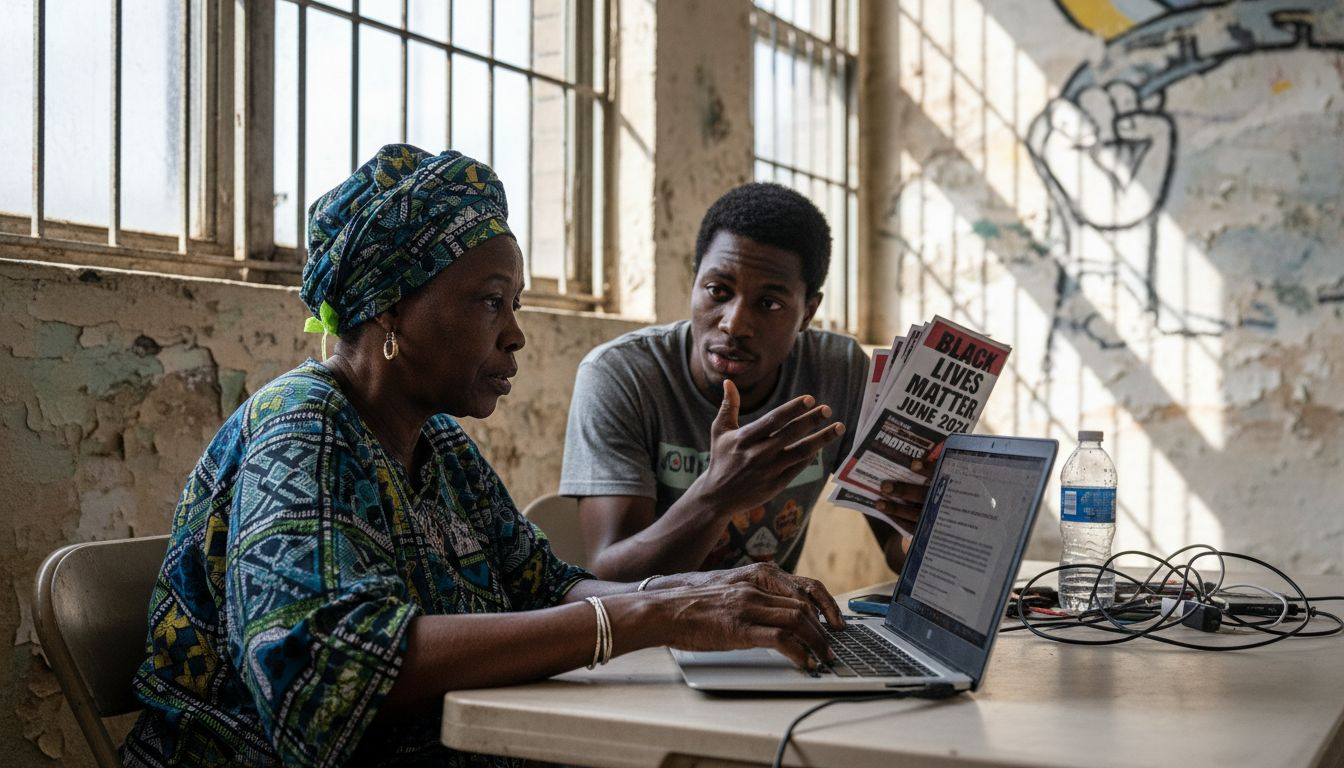
Grassroots Activism has found particularly strong expression through social media, with movements like #EndSARS demonstrating the transformative potential of digital connectivity. Digital platforms enable collective identity and social cohesion, allowing Nigerian youth to challenge systemic inequalities and demand meaningful social change.
Social media has become the digital town square where community narratives are created, challenged, and transformed.
These platforms transcend traditional communication barriers, enabling marginalized communities to share experiences, organize collective responses, and create visibility for critical social issues. The democratization of information sharing has fundamentally reshaped how Nigerian communities articulate their challenges and aspirations.
Pro tip: Leverage social media strategically by understanding platform-specific communication dynamics and community engagement principles.
Influence on News, Opinion, and Culture
Social media transforms news consumption in Nigeria, fundamentally reshaping how information is created, shared, and interpreted across diverse communities. The digital landscape has democratized media production, enabling citizens to become active participants in news generation and cultural discourse.
Key impacts of social media on news and culture include:
- Decentralizing traditional media narratives
- Amplifying marginalized perspectives
- Enabling rapid information sharing
- Creating alternative news platforms
- Facilitating real-time global conversations
- Challenging established cultural paradigms
Citizen Journalism has emerged as a powerful phenomenon, with everyday Nigerians using social platforms to document and disseminate news beyond conventional media channels. User-generated content reshapes societal perspectives, providing unfiltered insights into local experiences and challenging mainstream narrative control.
Social media has transformed information from a top-down broadcast to a dynamic, multi-directional conversation.
These digital platforms have become critical spaces for cultural expression, enabling Nigerians to negotiate identities, share diverse narratives, and challenge existing social norms. The intersection of technology and communication has created unprecedented opportunities for cultural dialogue and social understanding.
Pro tip: Develop critical media literacy skills to navigate the complex landscape of social media information and cultural narratives.
Risks, Challenges, and Digital Literacy Needs
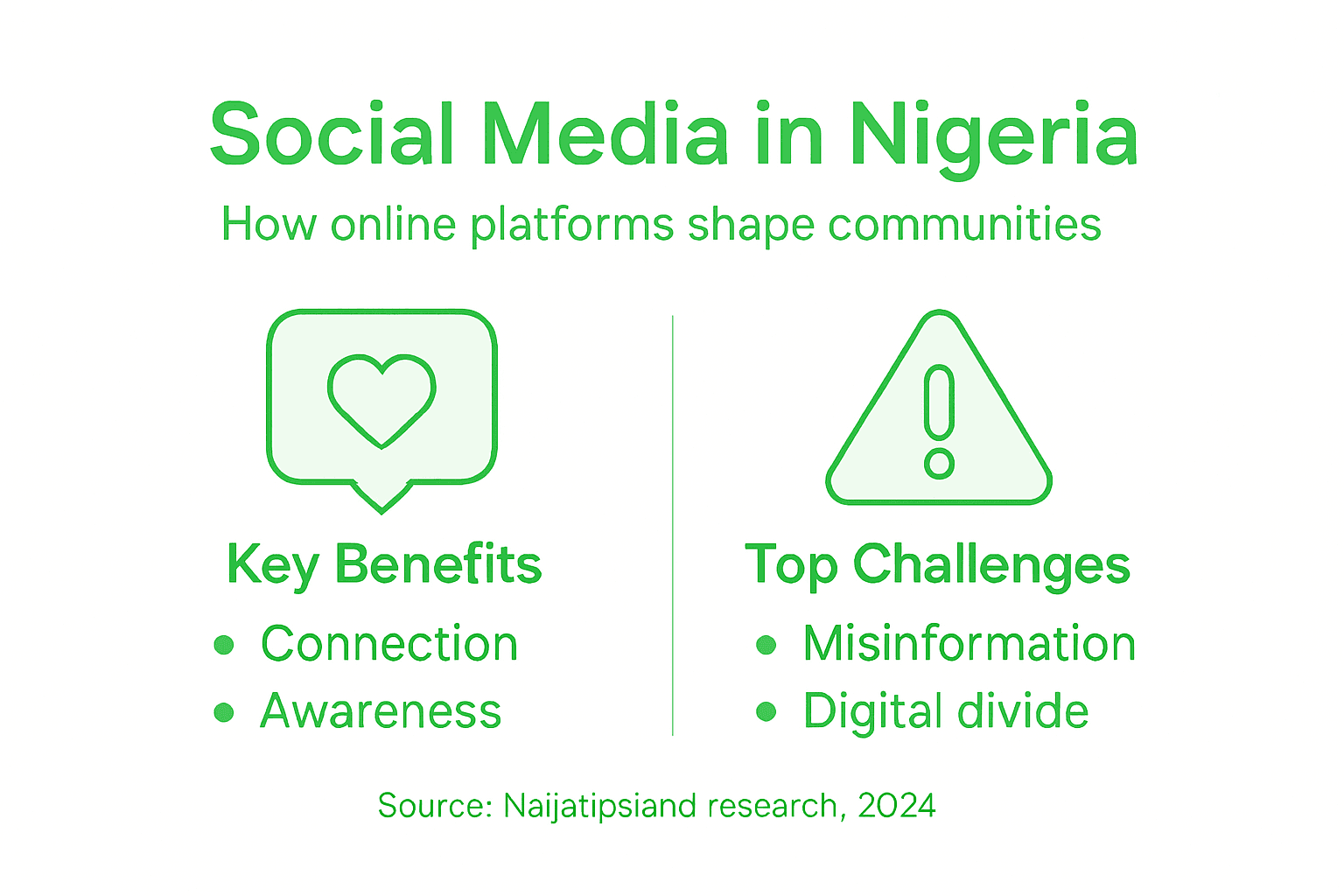
Key risks in social media usage743400_EN.pdf) have emerged as critical concerns for Nigerian digital communities, highlighting the complex landscape of online interactions. The digital environment presents multifaceted challenges that demand comprehensive understanding and strategic response.
Primary risks and challenges in Nigerian social media context include:
- Widespread misinformation spread
- Personal data privacy breaches
- Cyberbullying and online harassment
- Mental health psychological impacts
- Digital divide and unequal access
- Limited digital literacy skills
Digital Literacy has become a crucial skill set for safely navigating online platforms. Psychological research emphasizes the importance of developing critical thinking abilities to evaluate online content, protect personal information, and maintain healthy digital interactions.
Effective digital citizenship requires proactive learning and continuous adaptation to evolving technological landscapes.
Addressing these challenges necessitates a multi-stakeholder approach involving educational institutions, technology platforms, government agencies, and community organizations. The goal is to create comprehensive digital literacy programs that empower Nigerian users with knowledge, skills, and resilience against potential online risks.
Compare the core risks and ideal responses for safer social media use in Nigeria:
| Key Risk | Potential Impact | Ideal Countermeasure |
|---|---|---|
| Misinformation Spread | Public confusion, panic | Fact-check before sharing |
| Cyberbullying | Mental health decline | Active moderation, reporting abuse |
| Privacy Breaches | Identity theft, financial loss | Strong passwords, privacy settings |
| Limited Digital Literacy | Vulnerability to scams | Community education initiatives |
Pro tip: Develop a personal digital safety checklist to systematically evaluate and manage your online interactions and content consumption.
Promoting Ethical and Responsible Engagement
Ethical social media engagement requires a comprehensive approach that balances individual expression with community responsibility. Nigerian digital communities increasingly recognize the importance of creating respectful, transparent, and accountable online environments that foster constructive dialogue and mutual understanding.
Key principles of responsible social media engagement include:
- Practicing empathy and mutual respect
- Verifying information before sharing
- Protecting personal and community privacy
- Challenging misinformation constructively
- Maintaining civil discourse
- Respecting diverse perspectives
Digital Citizenship involves understanding the broader implications of online interactions. Responsible communication strategies emphasize clear communication objectives, audience awareness, and using plain language that promotes understanding across different cultural contexts.
Ethical online engagement transforms social media from a platform of conflict to a space of meaningful connection and mutual learning.
Creating a culture of responsible digital interaction requires collective effort from users, platform developers, educational institutions, and policymakers. This collaborative approach can help mitigate potential negative impacts while maximizing the positive potential of social media as a tool for community building and social progress.
Pro tip: Develop a personal code of online conduct that prioritizes respect, accuracy, and constructive dialogue.
Connect, Engage, and Empower Your Community with Naijatipsland
Navigating the complex world of social media in Nigeria comes with challenges like misinformation, privacy concerns, and the need for ethical engagement. The article highlights how these pain points impact Nigerian communities striving for meaningful connection, grassroots activism, and trustworthy information. At Naijatipsland.com, we understand these critical needs and provide a vibrant forum where Nigerians can safely share insights, discuss current affairs, and promote responsible dialogue.
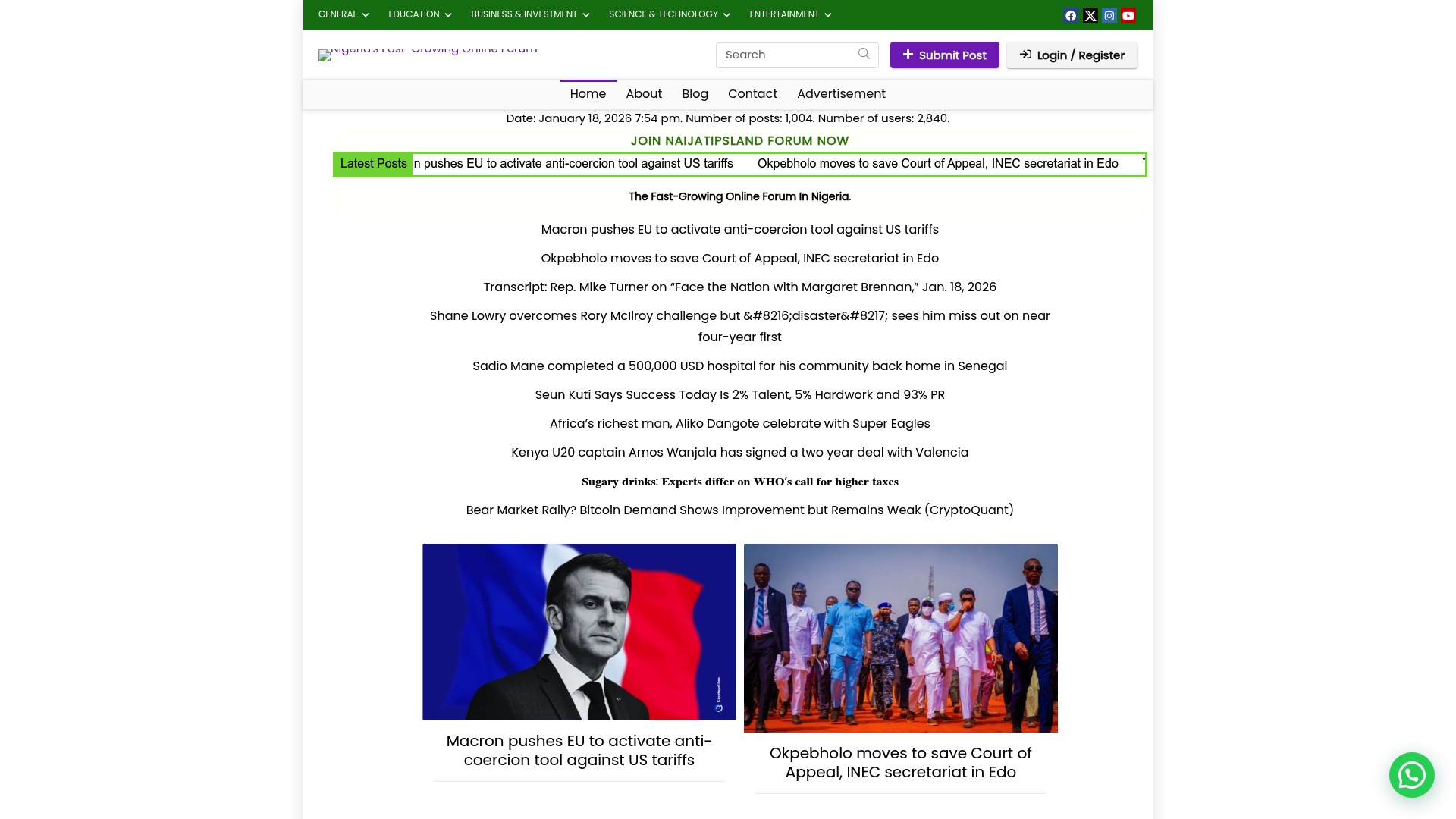
Join thousands of Nigerians who are transforming online interaction into a source of empowerment right now. Visit Naijatipsland to participate in conversations about politics, culture, and social issues. Submit your own posts or join discussions that matter. Take control of your digital experience while supporting ethical social media usage. Discover how you can make a difference today by becoming part of a community that values respect, accurate information, and active engagement at Naijatipsland Registration and start shaping Nigeria’s digital future.
Frequently Asked Questions
What are the core functions of social media platforms?
Social media platforms primarily facilitate real-time communication, content sharing, network building, and community engagement while allowing users to create personal profiles and customize their interaction experiences.
How do social media trends in Nigeria compare to global digital trends?
Nigerian social media trends reflect a unique blend of global digital trends influenced by local cultural contexts, where users actively engage for purposes like entertainment, professional networking, and social activism.
What are the key risks associated with social media use?
Key risks include misinformation spread, privacy breaches, cyberbullying, mental health impacts, digital divide, and limited digital literacy skills, which can affect users’ online experiences and safety.
How can individuals promote responsible social media engagement?
Individuals can promote responsible engagement by practicing empathy, verifying information before sharing, protecting privacy, maintaining civil discourse, and respecting diverse perspectives to foster constructive dialogue.
Recommended
- Role Of Social Media In Nigeria – Impact And Challenges
- Role Of Community Forums In Nigerian Online Life
- Why Participate In Online Discussions: Impact In Nigeria
- Top 4 Naijaworld.com Alternatives In 2026 For Staying Connected To Nigeria / Naijatipsland
- Understanding Online Community Management: Key Concepts Explained|CS
- Nigeria Financial News | UK to Nigeria Money Transfer | SabiSend
- Advantages of Social Media in Business Growth – Jarrod Harman