
Nigeria’s political landscape is more dynamic than headlines suggest. Despite widespread perceptions of dysfunction, voter turnout exceeded 27 million in the 2023 general elections, revealing active civic participation. Politics shapes every development outcome, from infrastructure quality to economic policy, yet misconceptions prevent many Nigerians from engaging meaningfully. Understanding how political processes influence national progress empowers citizens to demand accountability and participate in shaping Nigeria’s future.
Table of Contents
- Understanding Politics In Nigeria And Its Scope
- How Politics Influences National Development Indicators
- Key Political Challenges Impacting Development
- Common Misconceptions About The Role Of Politics In Nigeria
- Framework To Analyze Political Influence On Nigerian Development
- Strategies For Improving Political Accountability And Development Outcomes
- Discover How To Engage Effectively In Nigerian Politics Online
Key takeaways
| Point | Details |
|---|---|
| Political influence | Politics directly shapes economic growth, infrastructure quality, and social service delivery across Nigeria. |
| Major challenges | Corruption diverts 25-30% of public funds while ethnic politics creates policy deadlocks. |
| Common myths | Stereotypes oversimplify reality, ignoring reform efforts and rising youth political engagement. |
| Analysis framework | Five dimensions help evaluate political impacts: governance quality, stability, inclusion, corruption control, and policy consistency. |
| Actionable strategies | Transparency initiatives, civic education, and youth activism drive meaningful accountability improvements. |
Understanding politics in Nigeria and its scope
Politics in Nigeria encompasses the processes, institutions, and decisions that govern how the nation functions. It determines public policies, allocates resources, and shapes the direction of national development. Without understanding this scope, citizens struggle to engage effectively with issues affecting their daily lives.
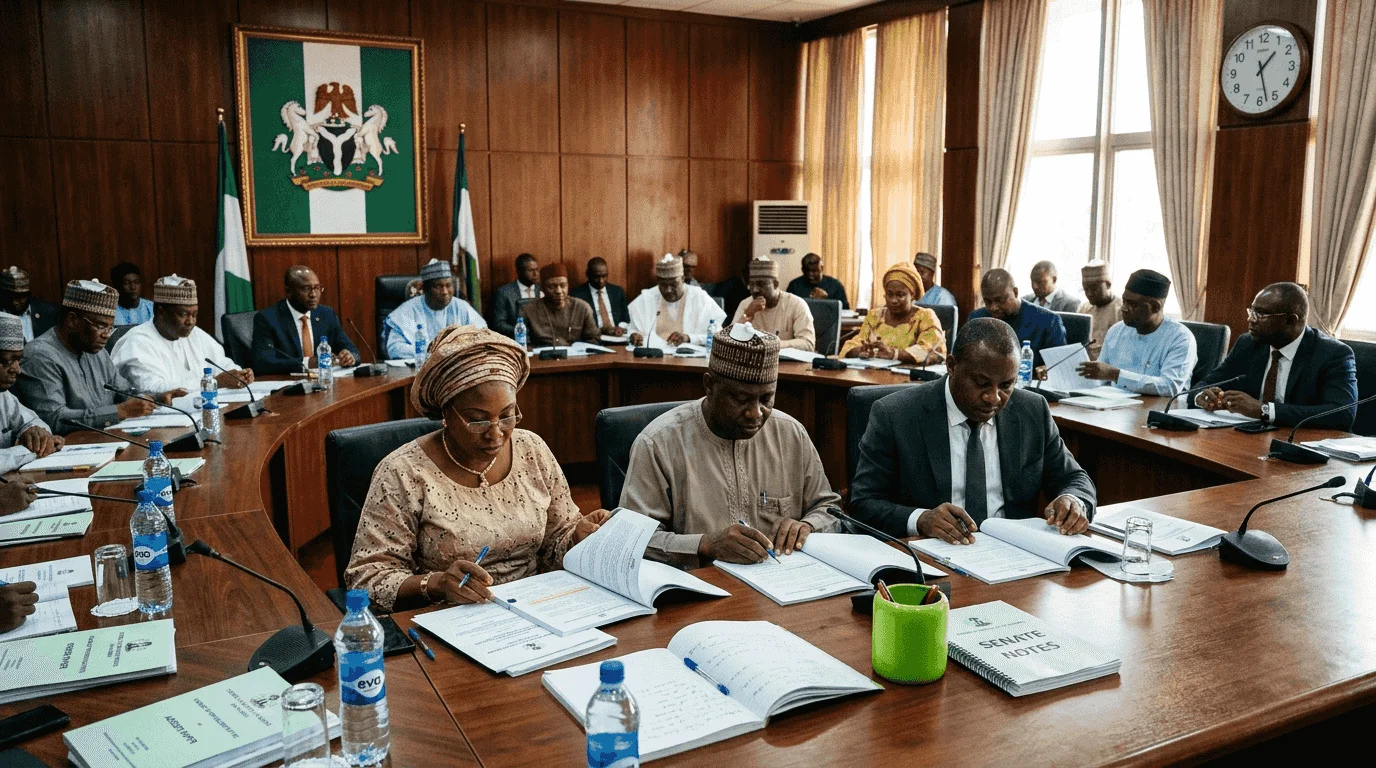
Nigeria’s political architecture includes several key institutions. The Executive branch implements policies and manages government operations. The Legislature creates laws and represents constituent interests. The Judiciary interprets laws and ensures constitutional compliance. Political parties organize elections and shape policy platforms. These institutions interact through elections, policy formulation, and governance processes that ultimately determine how Nigeria develops.
These political processes drive critical decisions affecting economic growth, infrastructure development, and social welfare programs. Nigerian democracy operates through these mechanisms to translate citizen preferences into policy outcomes. When politics functions effectively, resources flow to productive investments. When dysfunction prevails, development stalls and opportunities vanish.
Understanding this scope helps Nigerians move beyond surface-level complaints to meaningful engagement. You can evaluate policy proposals, hold leaders accountable, and participate in shaping national priorities. Politics is not just what politicians do; it is how collective decisions affect every Nigerian’s future.
How politics influences national development indicators
Political decisions create ripple effects across Nigeria’s economy and society. The quality of governance directly impacts whether investments materialize, infrastructure gets built, and services reach citizens. These connections explain why some regions prosper while others stagnate.
Political instability creates uncertainty that suppresses both domestic and foreign investment. Investors require predictable policy environments to commit capital. When political conflicts escalate or leadership changes disrupt continuity, investment decisions get postponed or canceled. GDP growth suffers as economic activity contracts.
Corruption diverts approximately 25-30% of public funds away from intended development projects annually. This massive leakage means schools lack proper facilities, hospitals run without essential equipment, and roads remain unrepaired. The human cost is immense: reduced educational outcomes, preventable health crises, and economic opportunities lost to poor infrastructure.
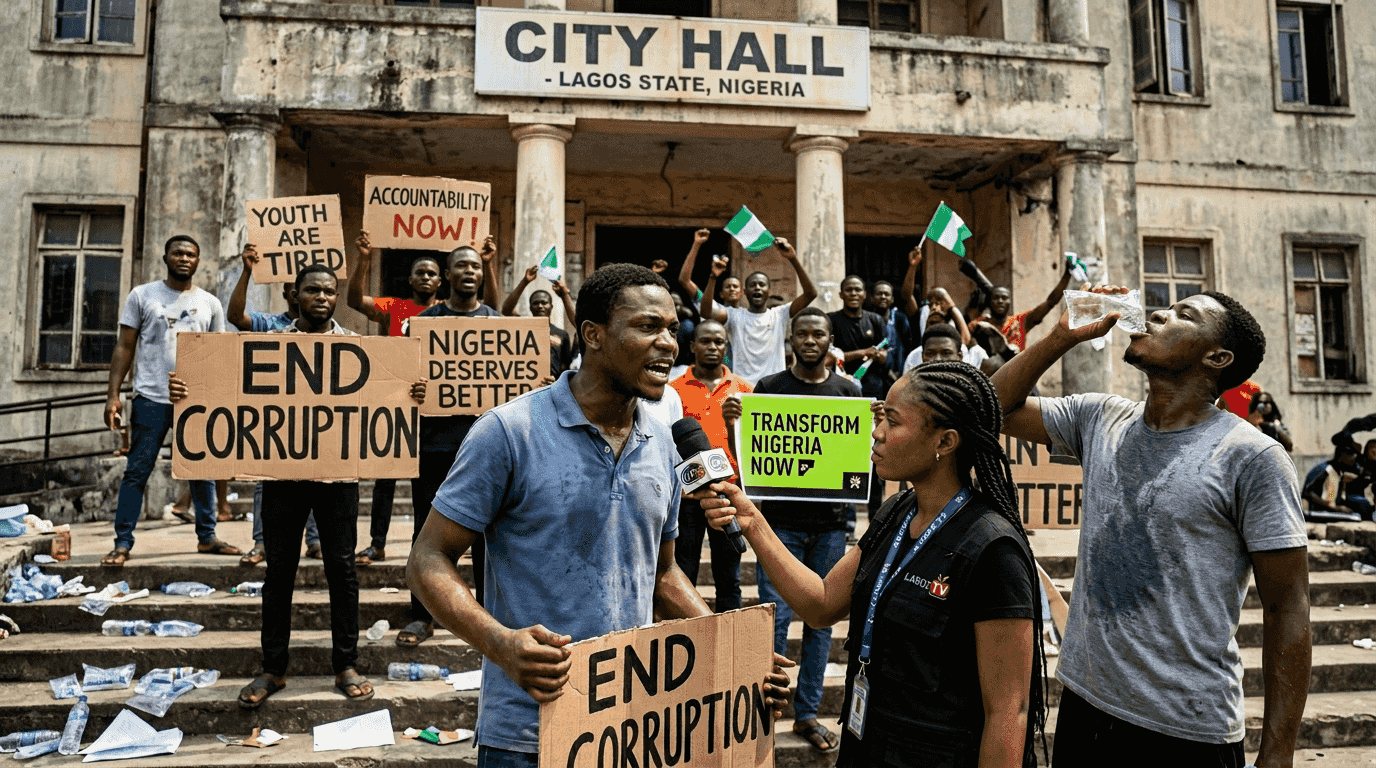
Factional politics creates additional obstacles. When politicians prioritize ethnic or regional interests over national welfare, critical infrastructure projects face delays or cancellation. Budgets get allocated based on political calculations rather than development needs. Oil politics illustrates this dynamic, where revenue distribution fights overshadow productive investment discussions.
Political priorities shape economic policy in profound ways. Trade agreements, tax structures, regulatory frameworks, and industrial policies all flow from political decisions. When leaders prioritize inclusive growth and competitiveness, prosperity expands. When rent-seeking dominates, stagnation follows.
Pro Tip: Evaluate political promises against actual development outcomes to build realistic understanding. Track specific commitments on infrastructure, jobs, or services, then measure delivery rates. This evidence-based approach cuts through rhetoric to reveal genuine performance.
Key political challenges impacting development
Several deep-rooted challenges undermine Nigeria’s political effectiveness and development potential. Recognizing these obstacles helps citizens advocate for meaningful reforms rather than cosmetic changes.
Corruption drains resources and trust: Public fund diversion reaches 25-30% annually, representing billions lost to theft and mismanagement. Beyond financial costs, corruption erodes citizen confidence in government legitimacy. When people believe the system is rigged, they disengage from civic participation, weakening democratic accountability further.
Ethnic and regional politics fragment unity: Nigeria’s diversity becomes a weakness when politicians exploit ethnic identities for electoral gain. Policy debates devolve into regional competitions rather than merit-based analysis. This factionalism creates deadlocks preventing passage of crucial legislation and undermines national cohesion.
Weak governance reduces institutional effectiveness: Many government agencies lack capacity, resources, or independence to perform core functions. Civil service politicization replaces merit with patronage. Regulatory bodies fail to enforce rules consistently. These weaknesses allow dysfunction to persist across election cycles.
Political instability deters long-term planning: Frequent leadership changes and policy reversals create uncertainty. Businesses hesitate to invest when rules might change abruptly. Development programs get abandoned mid-stream when new administrations take office. This short-term focus prevents the sustained effort needed for transformative change.
“Corruption diverts approximately 25-30% of public funds away from intended development projects annually, significantly impairing service delivery and undermining citizen trust in governance.”
These challenges interact and reinforce each other. Corruption fuels ethnic politics by creating spoils to fight over. Weak institutions enable both corruption and instability. Breaking these cycles requires coordinated reforms across multiple dimensions, which Nigerian democracy continues working to achieve.
Common misconceptions about the role of politics in Nigeria
Stereotypes about Nigerian politics prevent nuanced understanding and discourage constructive engagement. Challenging these myths opens space for more productive conversations about governance and development.
Myth: Politics equals corruption only. While corruption remains a serious problem, reducing Nigerian politics solely to theft ignores important reform efforts. Anti-corruption agencies have secured convictions and recovered billions. Electoral processes have improved with technology adoption. Civil society organizations monitor government performance more effectively than ever. These positive developments coexist with ongoing challenges.
Myth: Nigerians are politically disengaged. Data contradicts this narrative. Voter turnout in major elections demonstrates millions of citizens actively participating in democratic processes. Youth movements like EndSARS reveal strong political consciousness and willingness to demand accountability. Social media platforms buzz with political debates daily. The real issue is often not apathy but frustration with limited options and slow change.
Myth: Politics only harms development. This overly pessimistic view ignores how effective political leadership has driven progress in specific areas. Some state governors have implemented innovative programs improving education, healthcare, and infrastructure. Policy reforms have attracted investment and created jobs in targeted sectors. While aggregate performance disappoints, success stories exist and provide models for replication.
Myth: Individual citizens cannot influence political outcomes. Collective action repeatedly proves this wrong. Grassroots campaigns have blocked harmful legislation, forced leadership accountability, and elevated new voices into power. Youth political participation increasingly shapes national conversations and electoral outcomes.
Pro Tip: Question sweeping generalizations about Nigerian politics and seek data-backed insights instead. Verify claims with credible sources, compare different perspectives, and recognize complexity. This critical thinking approach builds more accurate understanding and identifies genuine opportunities for improvement.
Framework to analyze political influence on Nigerian development
A structured approach helps you evaluate how political factors shape development outcomes systematically. This framework provides five key dimensions for analysis.
Assess governance quality: Examine how effectively institutions perform core functions. Do agencies deliver services efficiently? Are regulations enforced fairly? Does the civil service operate on merit or patronage? Strong governance correlates with better development outcomes across sectors.
Evaluate political stability: Consider leadership continuity, peaceful power transitions, and policy consistency. Stable environments enable long-term planning and investment. Instability creates uncertainty that freezes economic activity and derails development programs.
Measure ethnic and regional inclusion: Analyze whether policies and resource allocation reflect national interests or factional priorities. Inclusive politics builds cohesion and ensures development benefits reach all regions. Exclusionary approaches fuel conflicts and waste resources on regional competitions.
Track corruption control efforts: Monitor anti-corruption initiatives, conviction rates, and transparency measures. Reducing fund diversion directly increases resources available for development. Improved accountability rebuilds citizen trust in government.
Review policy consistency: Examine whether economic and social policies remain stable across administrations or get reversed frequently. Consistent frameworks allow markets to plan, attract investment, and generate sustainable growth.
| Framework Component | Impact on Development | Key Indicators |
|---|---|---|
| Governance Quality | Determines service delivery efficiency and institutional effectiveness | Civil service performance, regulatory enforcement, public satisfaction |
| Political Stability | Enables long-term planning and investment confidence | Peaceful transitions, policy continuity, leadership tenure |
| Inclusion | Shapes resource distribution fairness and national cohesion | Regional development balance, ethnic representation, policy equity |
| Corruption Control | Affects funds available for actual development projects | Conviction rates, transparency scores, recovered assets |
| Policy Consistency | Influences business confidence and economic planning | Policy reversals, reform sustainability, regulatory predictability |
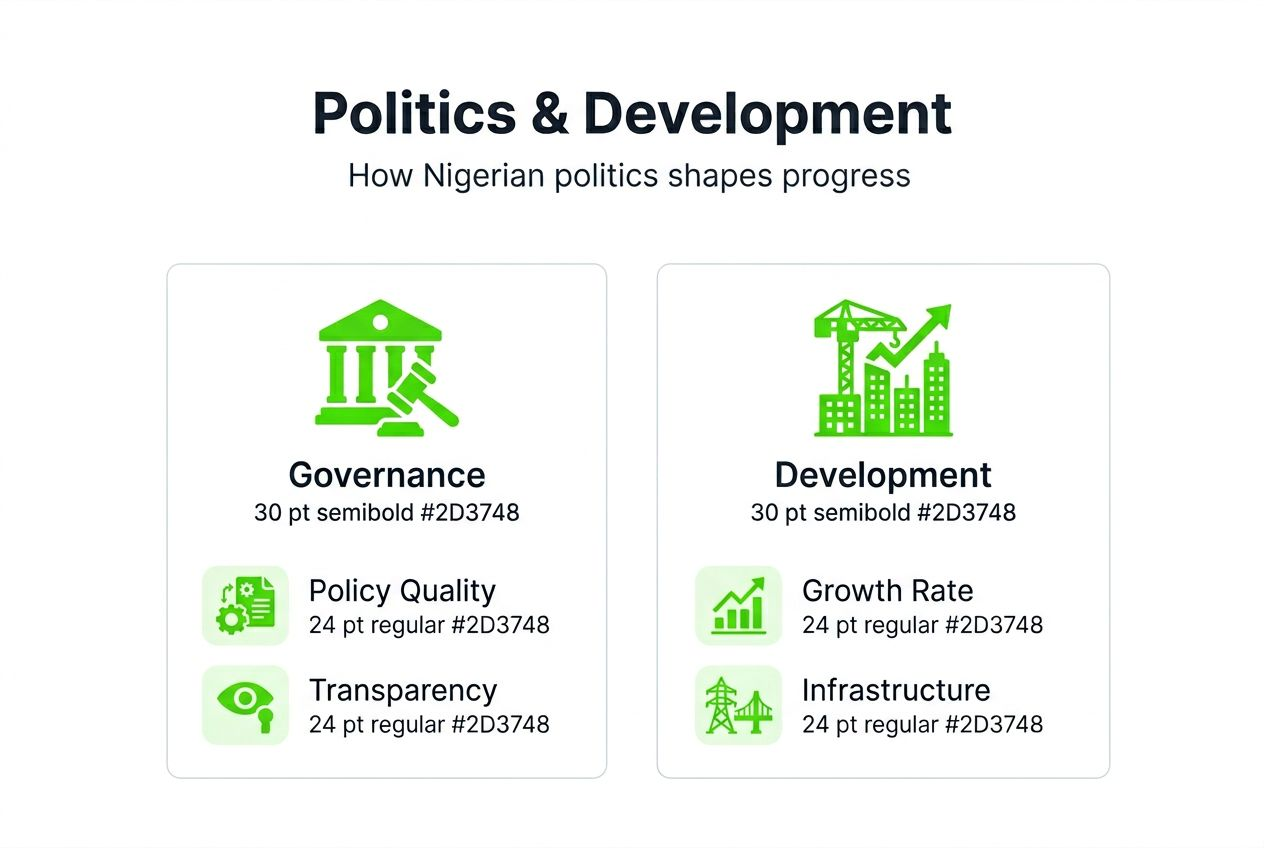
Apply this framework by scoring each dimension for a specific political scenario, then identifying which factors most strongly influence outcomes. For example, analyzing a failed infrastructure project might reveal weak governance, high corruption, and policy inconsistency as root causes. This diagnosis points toward targeted solutions rather than generic reforms.
Strategies for improving political accountability and development outcomes
Citizens and institutions can take concrete steps to strengthen Nigerian politics and accelerate development progress. These strategies work when applied persistently and collectively.
Implement transparency initiatives: Demand public disclosure of government budgets, contracts, and performance data. Technology platforms can publish this information in accessible formats. Transparency reduces opportunities for corruption and enables citizens to monitor resource use effectively.
Enact and enforce anti-corruption policies: Support legislation strengthening prosecution powers, protecting whistleblowers, and recovering stolen assets. Enforcement matters more than laws on paper. Pressure judicial and investigative bodies to pursue cases vigorously and transparently.
Promote civic education: Invest in programs teaching Nigerians about democratic processes, rights, and responsibilities. Informed citizens make better voting decisions, recognize manipulation tactics, and demand genuine accountability. Education empowers participation beyond just casting ballots.
Support youth and civil society campaigns: Young Nigerians increasingly drive accountability movements using social media and grassroots organizing. Civil society organizations monitor elections, track government performance, and advocate for reforms. Amplifying these voices strengthens democratic checks on power.
Engage in online political discussions respectfully: Digital platforms enable citizens to debate policies, share information, and organize collective action. Constructive dialogue builds consensus and pressures leaders to respond to public concerns.
Pro Tip: Use respectful, evidence-based arguments in online discussions to influence public opinion and policy effectively. Attack ideas, not people. Cite credible sources. Acknowledge legitimate points from different perspectives. This approach builds your credibility and persuades others more successfully than aggressive rhetoric.
Discover how to engage effectively in Nigerian politics online
Understanding Nigerian politics is just the beginning. Meaningful engagement transforms knowledge into action that shapes governance and development outcomes.
Naijatipsland.com provides resources helping you participate in political conversations productively. Our guides on starting discussions show you how to frame issues, engage diverse perspectives, and build consensus around solutions. These skills matter whether you are debating national policies or local governance challenges.
Effective online engagement requires understanding forum etiquette and respectful dialogue practices. Political discussions become more productive when participants focus on ideas rather than attacks, support claims with evidence, and acknowledge complexity. Our platform fosters these constructive conversations that elevate discourse quality.
Join thousands of Nigerians using online forums to influence political outcomes through informed, respectful engagement. Your voice contributes to the collective pressure that drives accountability and reform. Apply the frameworks and strategies from this article to analyze issues, propose solutions, and collaborate with fellow citizens working toward better governance.
FAQ
What is the main role of politics in Nigeria?
Politics governs how decisions affecting Nigeria’s governance, policies, and development get made. It shapes national priorities, determines resource allocation across sectors, and influences which development projects receive funding. Understanding politics helps citizens engage meaningfully with issues affecting their lives.
How does corruption affect Nigeria’s development?
Corruption diverts approximately 25-30% of public funds away from intended infrastructure and service projects annually, representing massive development losses. It undermines government efficiency, erodes citizen trust in institutions, and creates inequality by allowing connected individuals to capture public resources meant for collective benefit.
What role do Nigerian youths play in politics today?
Youths increasingly drive political engagement as active voters and civic actors demanding accountability from leaders. They leverage online platforms to influence policy debates, organize movements like EndSARS, and challenge traditional power structures. This generation reshapes Nigerian politics through technology-enabled participation and fresh perspectives on governance.
Recommended
- What Is Nigerian Democracy And Why It Matters
- How Governor Aliyu Is Balancing Fiscal Caution With Development Urgency In Sokoto State / Naijatipsland
- 2027 Critical To Nigeria’s Democratic Experience, Say INEC , NPC / Naijatipsland
- NIGERIA DAILY: Why Saturday’s FCT Area Council Elections Recorded Low Voter Turnout / Naijatipsland