
An international expedition has for the first time extensively documented hidden reserves of freshwater beneath the ocean floor, offering fresh insights into what’s largely a poorly understood system.
Water makes up nearly 70 per cent of our planet’s surface but it is also stored in underground aquifers.
Many coastal communities depend on these aquifers for their freshwater supply.
The aquifers have been known to continue offshore into zones of freshened, slightly briny water under the seafloor but these have remained virtually unexplored – until now.
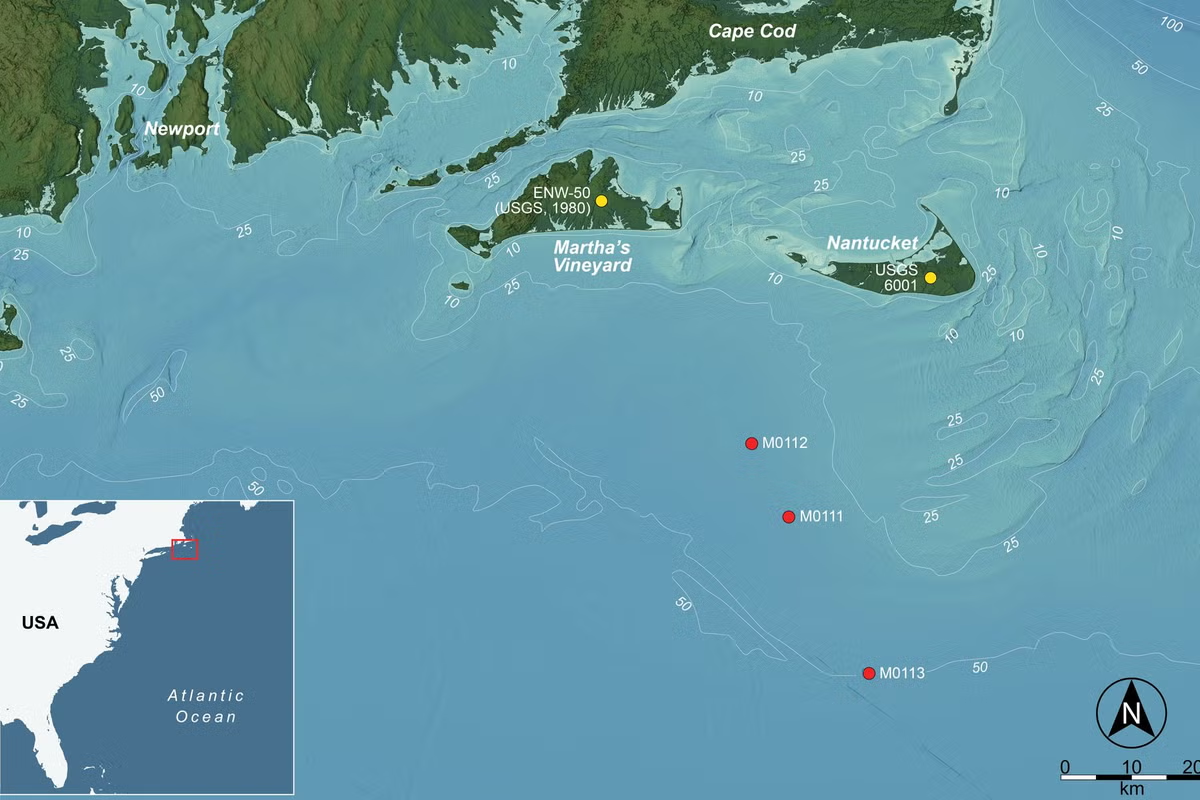
The International Ocean Discovery Programme Expedition 501 has now documented and sampled freshwater in a zone about 200m below the seafloor. Sediment samples taken from beneath the ocean floor off the coast of New England have confirmed, for the first time, the presence of offshore freshwater systems.
The findings could shed more light on similar hidden water aquifers around the world, researchers said.
In ongoing studies, scientists hope to sample the water stored within the sediments, including from sandy layers that act as aquifers and keep the water in place beneath the seafloor, known as aquitards.
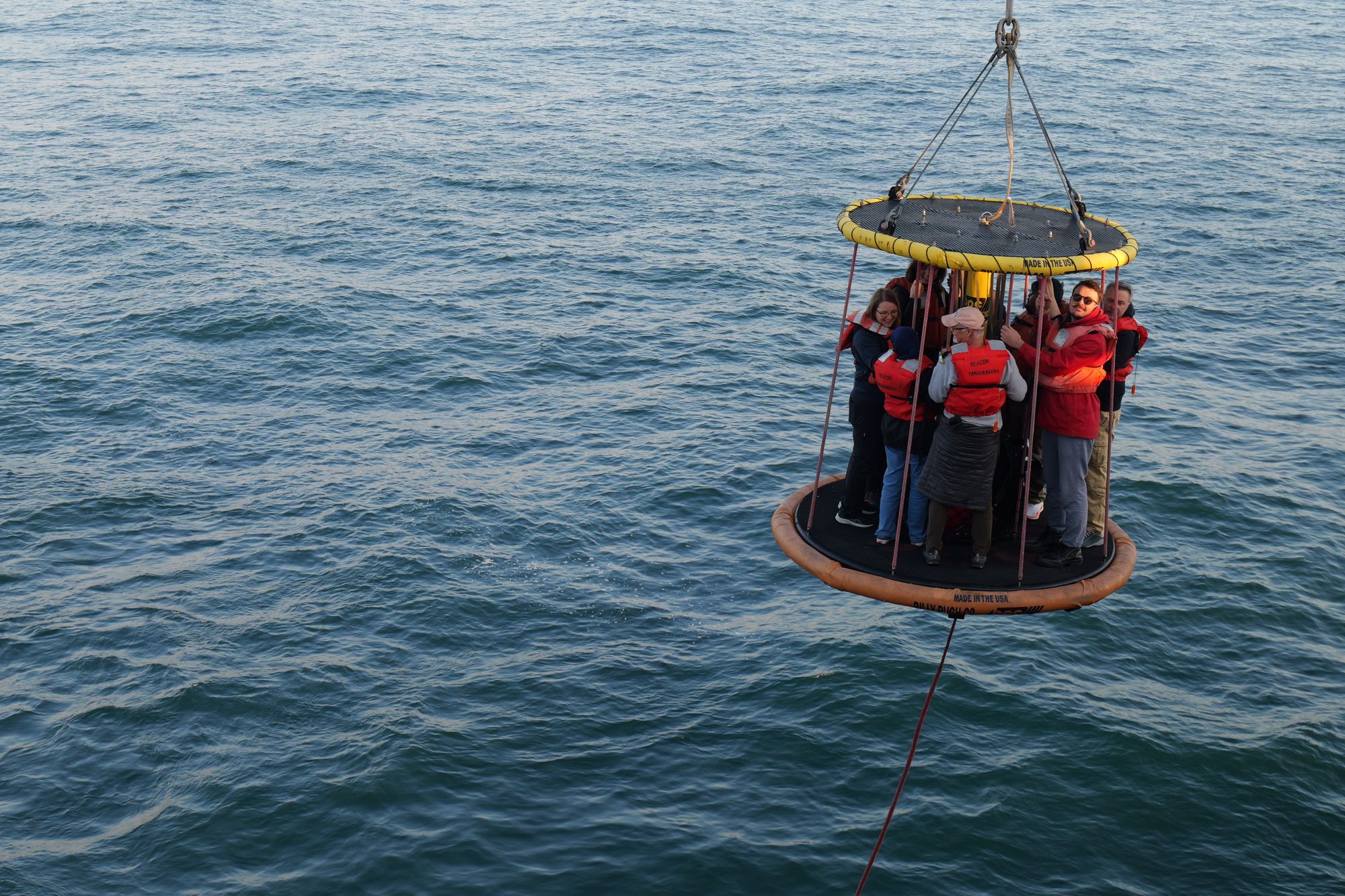
“We were excited to see that freshened water exists in multiple kinds of sediments – both marine and terrestrial,” geologist Brandon Dugan from the Colorado School of Mines said.
“Freshened water in such different materials will help us understand the conditions that emplaced the water.”
Since many coastal regions rely on groundwater for their freshwater supplies, the findings are highly relevant to society, researchers say.
The northeastern coast of the US is one of the most studied areas thought to have offshore freshwater reserves. Estimates suggest there could be nearly 1300 cubic kilometres of sequestered freshwater along the Atlantic continental margin between New Jersey and Maine.
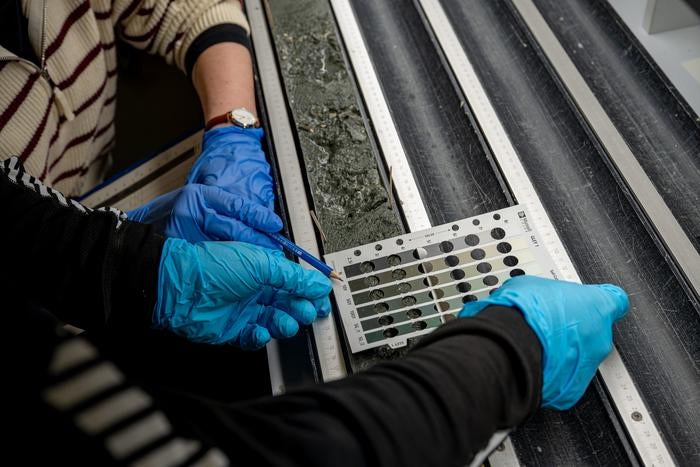
To put this in perspective, researchers say New York City uses 1.5 cubic kilometres of freshwater each year, or about 1.5 trillion litres.
“Expedition 501 has been innovative from the outset, introducing new tools, new methods, and new collaborations across the ocean drilling community,” said Sarah Davies, a sedimentologist from the University of Leicester.
Ongoing work by about 40 researchers from 13 countries could reveal how nutrients cycle through the Earth’s continental shelf sediments and how these processes shape ocean ecosystems.
“The onshore operations continue that momentum, and the cores are already revealing an exciting story,” Dr Davies said.