

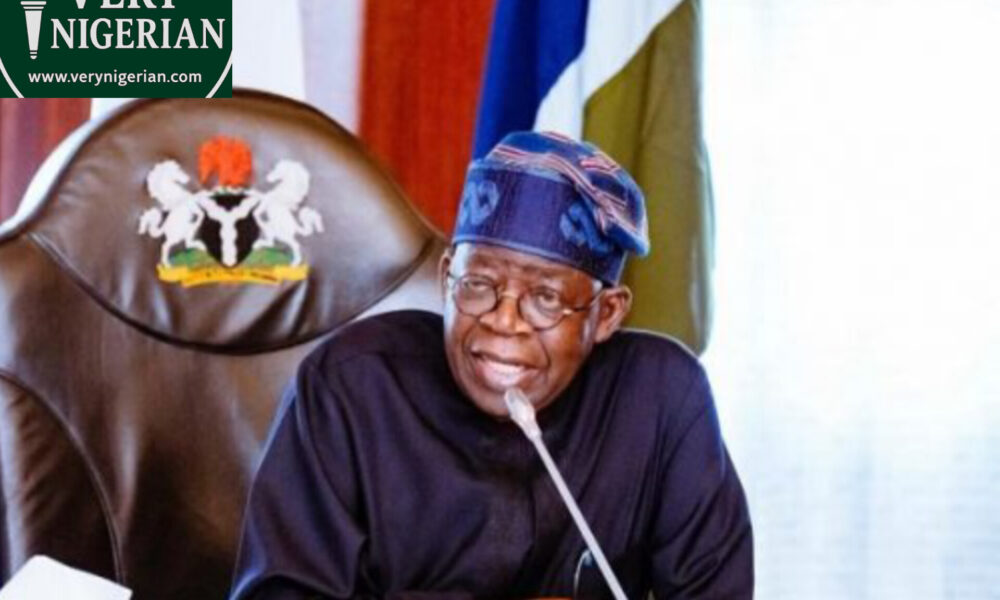
The Federal Government has approved a transition period for the rollout of direct payments by oil contractors into the Federation Account, following the recent Executive Order 9 signed by Bola Ahmed Tinubu.
The move is aimed at improving the management of petroleum revenues and protecting public funds from leakages.
The decision was reached by the Implementation Committee set up to oversee Executive Order 9 of 2026 after its first meeting held on February 26, 2026.
In a statement released on Monday, the Minister of Finance and Coordinating Minister of the Economy, Wale Edun, who chairs the committee, said the transition period would help ensure a smooth introduction of the new payment system.
The policy follows the Executive Order issued by President Bola Ahmed Tinubu directing that revenues from petroleum operations be handled in a way that protects public funds and strengthens the finances of the three tiers of government.
The order seeks to ensure that payments such as profit oil, royalty oil and tax oil are made directly into the Federation Account.
According to Edun, the committee agreed that the shift to the new system must be carried out carefully to maintain investor confidence while protecting Nigeria’s revenue.
“With respect to Section 2, Sub-section 3 of Executive Order 9 on direct payments by contractors into the Federation Account, the Implementation Committee agreed that this transition must be implemented in a manner that respects existing contractual and financing arrangements and maintains investor confidence,” he said.
He added that the committee has therefore approved a defined transition period before the full operationalization of the new payment system.
“For this reason, the Committee approved a defined transition period for the operationalization of direct payments by contractors of profit oil, royalty oil and tax oil into the Federation Account,” Edun said.
He explained that during the transition period, the existing payment arrangements will remain in place until detailed operational guidelines are released.
“Until the Committee issues detailed guidelines, contractors will continue to remit under the current process. During the transition period, the Committee will issue clear, standardised guidance to ensure an orderly changeover,” he said.
To ensure proper implementation, the committee also approved the creation of a technical subcommittee that will prepare the detailed framework for the transition.
According to Edun, the technical subcommittee has been given three weeks to develop the guidelines that will govern the new system of direct remittance.
The subcommittee will also begin a review of the Petroleum Industry Act in order to address structural and fiscal issues that may be affecting revenues accruing to the Federation.
Edun said the review is expected to examine areas of the law that may weaken government revenues from petroleum operations.
“The Technical Subcommittee will develop the detailed guidelines for the transition to direct remittance within three weeks and commence a review of the Petroleum Industry Act to address structural and fiscal anomalies that weaken Federation revenues,” he said.
The subcommittee will be led by the Special Adviser to the President on Energy Mrs. Olu Verheijen and will include senior officials from key government institutions.
These include the Solicitor-General of the Federation and Permanent Secretary of the Federal Ministry of Justice, the Chairman of the Nigeria Revenue Service, the Chairman of the Forum of Commissioners of Finance, as well as representatives of the Minister of State for Petroleum Resources (Oil).
The Budget Office of the Federation will serve as the secretariat for the subcommittee.
The Implementation Committee said its work is aimed at ensuring that revenues generated from Nigeria’s oil and gas sector are properly accounted for and paid into the Federation Account in line with constitutional provisions.
According to the statement, the committee restated the directive of President Tinubu that revenues from petroleum operations must be handled in a way that protects public funds and supports the fiscal stability of federal, state and local governments.
“The Committee reaffirmed the President’s directive that revenues accruing to the Federation from petroleum operations must be handled in a manner that upholds constitutional principles, protects revenues accruable to the Federation and supports the fiscal stability of all three tiers of government,” the statement said.
As part of the new measures contained in Executive Order 9, the government has also directed the NNPC Limited to stop certain deductions related to production sharing contracts.
According to the committee, NNPC Limited will stop collecting a 30 per cent management fee and a 30 per cent frontier exploration fund deduction from profit oil and profit gas under Production Sharing Contracts. The Executive Order 9 said this directive takes immediate effect.
In addition, all remittances of gas flare penalties into the Midstream and Downstream Gas Infrastructure Fund have been suspended with immediate effect in line with the Executive Order.
The implementation committee said it will continue to provide guidance and updates as work on the new system progresses.
It also thanked stakeholders in the petroleum industry and government institutions for their cooperation in implementing the reforms.
According to the committee, the reforms are part of the President’s broader efforts to ensure that Nigeria’s petroleum resources translate into clear and measurable benefits for citizens across the country.