
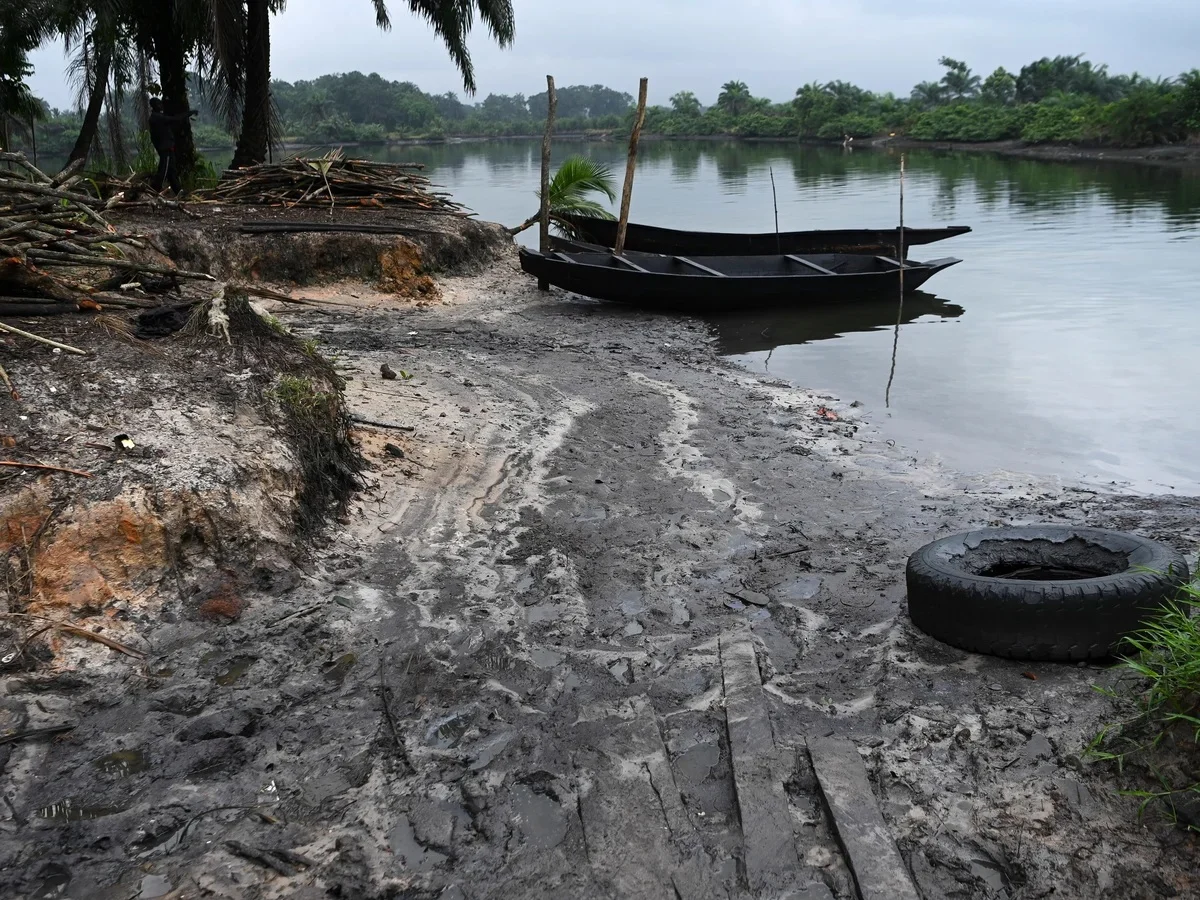
ABOUT 18,149 oil spill incidents were recorded in Nigeria between 2006 and 2024, with devastating consequences for communities, human health and the environment, former Vice Chancellor of Lagos State University (LASU), Professor Olanrewaju Fagbohun, has disclosed.
Fagbohun made the disclosed this in a keynote paper at the unveiling of the state of the Nigerian Environment Report: ‘Voices from the communities,’ in Benin, the Edo State capital
The event, organised by the Environmental Defenders Network (EDEN), also featured the celebration of environmental heroes, and was attended by environmental activists, lawyers, civil society organisations and other stakeholders.
He said the figures, obtained from the National Oil Spills Detection and Response Agency (NOSDRA), offered a grim picture of the environmental crisis confronting the country.
Fagbohun said the report provides disturbing evidence of the devastating consequences of environmental degradation, particularly in the Niger Delta, where communities have continued to bear the burden of pollution arising from oil exploration and other extractive activities.
He said data and findings contained in the report showed that the crisis had gone beyond environmental damage, warning that polluted water, degraded farmlands and other ecological hazards were increasingly threatening the health, livelihoods and future of affected communities.
He cited Ogoniland as one of the worst affected areas, as groundwater contamination in parts of the region had exceeded World Health Organisation (WHO) limits by as much as 900 times, leaving affected communities exposed to potentially carcinogenic water.
Fagbohun further disclosed that in Bayelsa State, exposure to oil spills had been linked to rising infant mortality and pregnancy losses, while unregulated mining and mineral extraction had compounded the environmental and public health challenges confronting communities.
He lamented that heavy-metal contamination of critical water bodies, extensive land degradation and hazardous child labour had become increasingly associated with poorly regulated extractive activities, describing the situation as a crisis requiring urgent collective action.
ALSO READ: IPOB accuses FG of delaying appeal against Nnamdi Kanu’s conviction
Fagbohun therefore called on governments, communities, civil society organisations and other stakeholders to confront the worsening environmental challenges, declaring the programme open.
Earlier, the Executive Director of EDEN, Comrade Chima Williams, said the 56-page report was the first of its kind by civil society organisations in Nigeria to comprehensively document environmental challenges across the country from the perspective of affected communities.
WATCH TOP VIDEOS FROM NIGERIAN TRIBUNE TV