
About 1,200 people in Texas lost a total of $56.8 million last year to scams that used cryptocurrency kiosks. According to FBI complaint data, that’s more than any other state and about twice as much as was stolen in Florida, which came in second. Prosecutors and sheriffs are pushing the state to regulate crypto ATMs that it doesn’t even watch because of the losses.
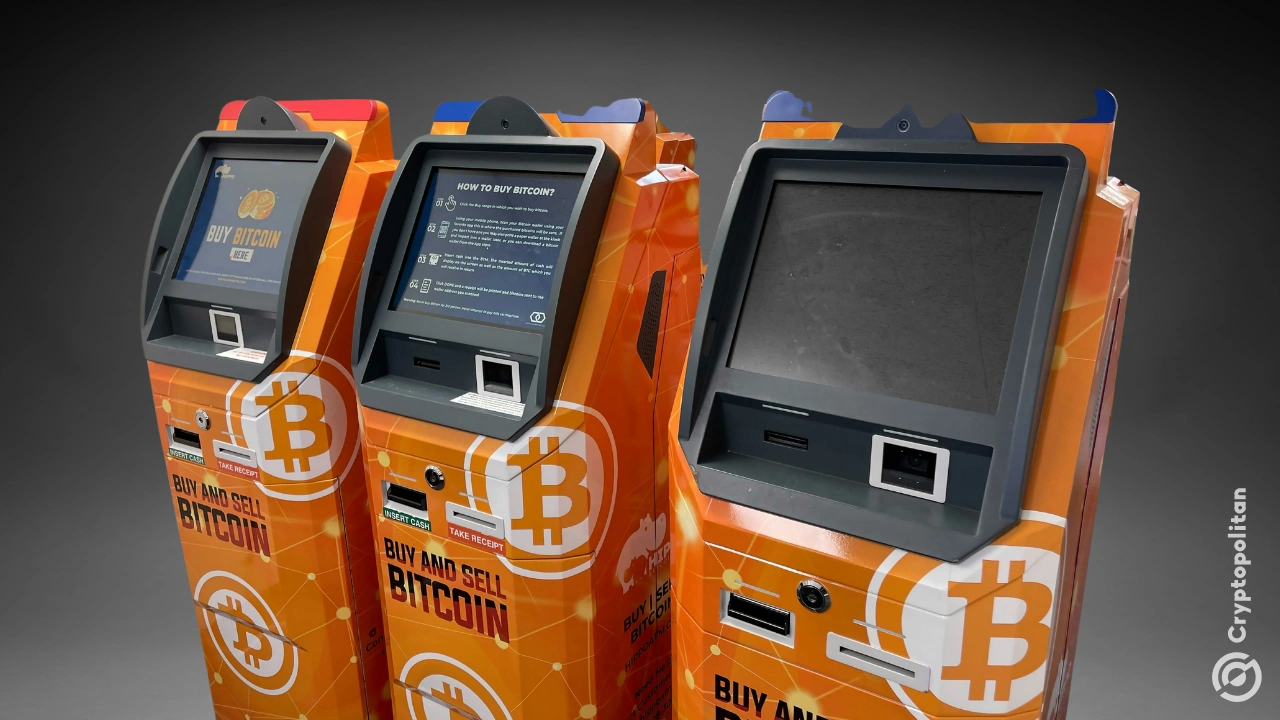
Many of these kiosks, which look like ATMs, can be found in Texas gas stations, grocery stores, and convenience stores. However, no organization keeps track of the exact number. People can put cash into the machines, buy cryptocurrency, and very quickly have it sent to a wallet address.
Con artists only care about speed. Once the money arrives, the con artists split it up among many wallets and mix it with clean money. According to the Texas Financial Crimes Intelligence Center, victims have only 36 to 48 hours to recover any of their money. Clawbacks don’t happen often.
The caller says they are a police officer, a court official, or a utility company. For example, they say that the target missed a jury summons or a fine that needs to be paid. Then, they stay on the line while the target drives to a kiosk and deposits cash.
In one case reported by the Tribune, a fake Travis County officer called a 72-year-old Austin woman named Maria and said she was going to be arrested. The caller also texted her court papers with a real case number and her home address. She just stood there at the machine. “That thing is a Bitcoin machine.” She said, “I’m not putting any money there.” Some people did not get as lucky. Someone lost almost $100,000, and someone else lost $63,000.
No state rules, and a settlement over a seized crypto machine
Texas doesn’t license or keep an eye on the kiosks, which is a hole that public safety advocates say fraudsters take advantage of. In May, Adam Colby, who runs the Texas Financial Crimes Intelligence Center, told a Texas House committee that the machines “do not do anything useful, and no sane person would choose to use them except to hide illegal funds.”
Some officers went right for the gear. Sheriff Chuck Havard took a power tool to a Bitcoin Depot kiosk in June 2025 after a family said they had been scammed out of $25,000. This happened in Jasper County, which is northwest of Houston. The machine gave his office back about $32,000. Bitcoin Depot sued the county and reached a settlement after a similar seizure happened in McLennan County in 2023, after an 82-year-old woman lost $15,000.
“Crypto is a wonderful, amazing, horrible, terrible invention,” said Michael Levine, chief felony prosecutor for the Cyber and Financial Crimes Division of the Harris County district attorney’s office. “The advantage of crypto is you can move money much faster without supervision.”
Cities move while the state debates
San Antonio logged about $39 million in losses across 660 reports between January 2024 and April 2026. On July 1, the city started requiring bilingual English and Spanish warning signs at its 193 kiosks, Cryptopolitan reported. Operators that skip the notices face fines of $100 to $500 per machine per day. Smith County Sheriff Larry Smith is lobbying state legislators for a flat-out ban after an elderly woman lost $13,000 to an inmate running the scam from a Georgia prison. Indiana, Tennessee, and Minnesota already banned the machines statewide.
Bitcoin Depot had more than 9,000 kiosks across North America. The company filed for Chapter 11 bankruptcy in May after its first-quarter 2026 revenue fell about 50% year over year. The Massachusetts attorney general sued the company in February.