
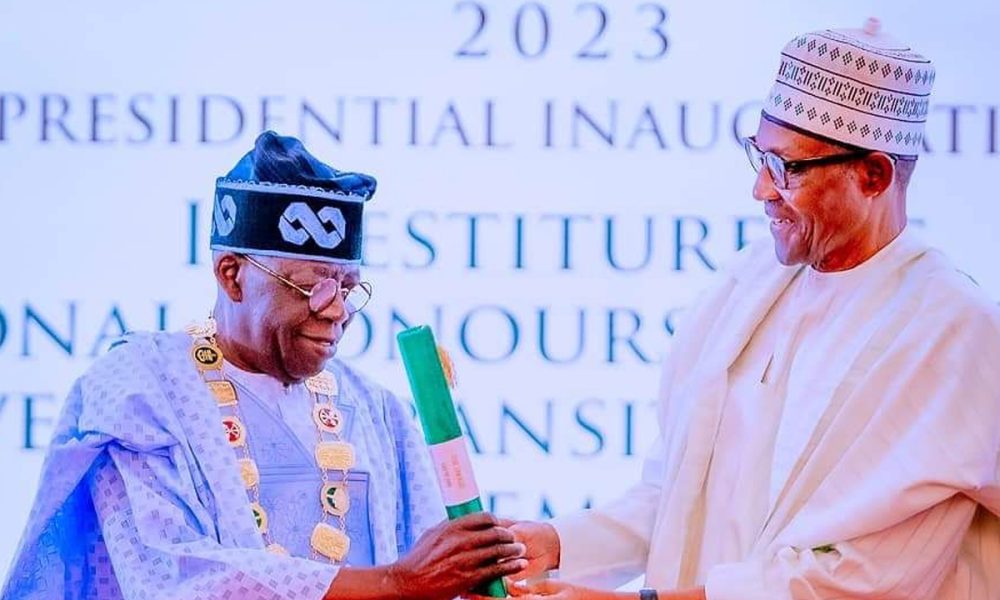
Today, May 29, once stood as Nigeria’s Democracy Day, the symbolic beginning of the country’s return to civilian rule after years under military dictatorship.
Though the official commemoration has now shifted to June 12 in recognition of the historic 1993 election struggle, May 29 still carries weight in the Nigerian story.
For many Nigerians, it remains more than just a date on the calendar. It is a reminder of the hopes that filled the air in 1999 — the belief that democracy would bring accountability, development, justice, security, and a better life for ordinary citizens.
But decades later, many Nigerians are still asking difficult questions.
From worsening economic hardship to insecurity, unemployment, corruption, failing infrastructure and rising distrust in public institutions, the promises of democracy often feel distant from the realities faced daily by millions across the country.
Yet, despite the disappointments, the struggles and the setbacks, the idea of democracy itself still matters. Because democracy is not just about elections or political speeches. It is about the right of the people to be heard. It is about leadership that serves, institutions that protect, and a system where citizens can demand accountability without fear.
May 29 therefore remains a moment of reflection — not to glorify the past, but to honestly examine the journey so far. To ask ourselves whether the sacrifices made for democratic rule have truly translated into meaningful progress for the average Nigerian.
As Nigeria gradually approaches another Democracy Day on June 12, the questions become even louder:
What kind of democracy are Nigerians truly experiencing?
Has democratic rule improved the lives of the people it was meant to serve?
And perhaps most importantly — what must change for democracy to genuinely work for everyone, not just the political elite?
The answers may differ depending on who is asked.
But one thing is certain: democracy cannot survive on ceremonies alone.
It must be felt in the homes, streets, schools, hospitals and pockets of ordinary Nigerians.
That remains the real test of democratic governance.