Iran talks up its ‘new cards’ to play if war with US and Israel resumes –but what are they?

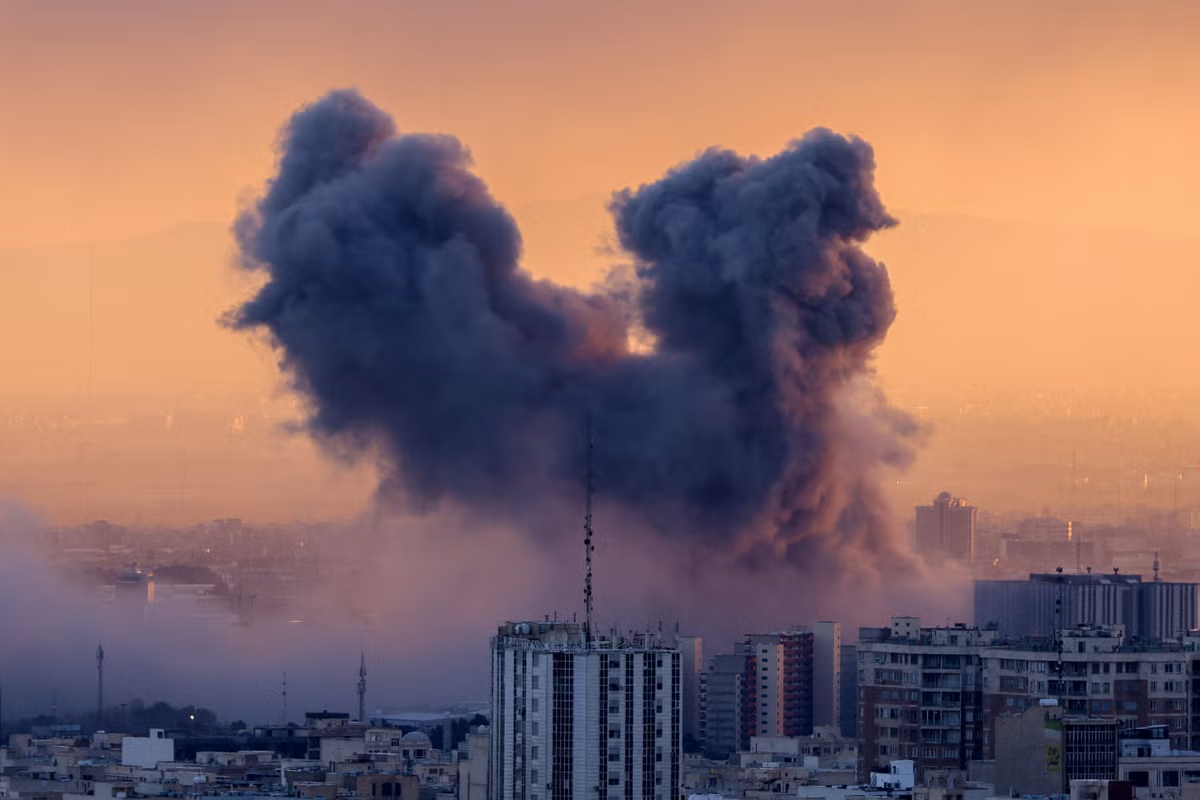
Iran has warned it has prepared “new cards” to use on the battlefield as fears grow that a two-week ceasefire with the US may end without a peace agreement.
Mohammad Bagher Ghalibaf, Tehran’s parliamentary speaker and top negotiator, said Donald Trump wants to “justify renewed warmongering” by “imposing a siege and violating the ceasefire”.
“We do not accept negotiations under the shadow of threats, and in the past two weeks, we have prepared to reveal new cards on the battlefield,” he added in a post on X (formerly Twitter).
The US says it has depleted Iran’s missile stores and launch capabilities. But before the ceasefire, Iran’s Revolutionary Guards Corp had been able to fire a steady stream of missiles and drones at targets across the Gulf.
Exactly what new cards Tehran has under its sleeve are unclear, but we take a look at possibilities:
Close the Bab el-Mandeb Strait using the Houthis
The Iran-aligned Houthis, the Yemeni rebel group who control significant portions of the country’s west, have already threatened that the strategic Bab el-Mandeb could be shut if President Trump does not change course.
“If Sana’a makes the decision to close the Bab el-Mandeb, no force would be able to reopen it,” Houthi deputy foreign minister Hussein al-Ezzi said.
“It is best for Trump – and the complicit world – to immediately end all practices and policies that obstruct peace, and to show the respect required for the rights of our people and nation.”
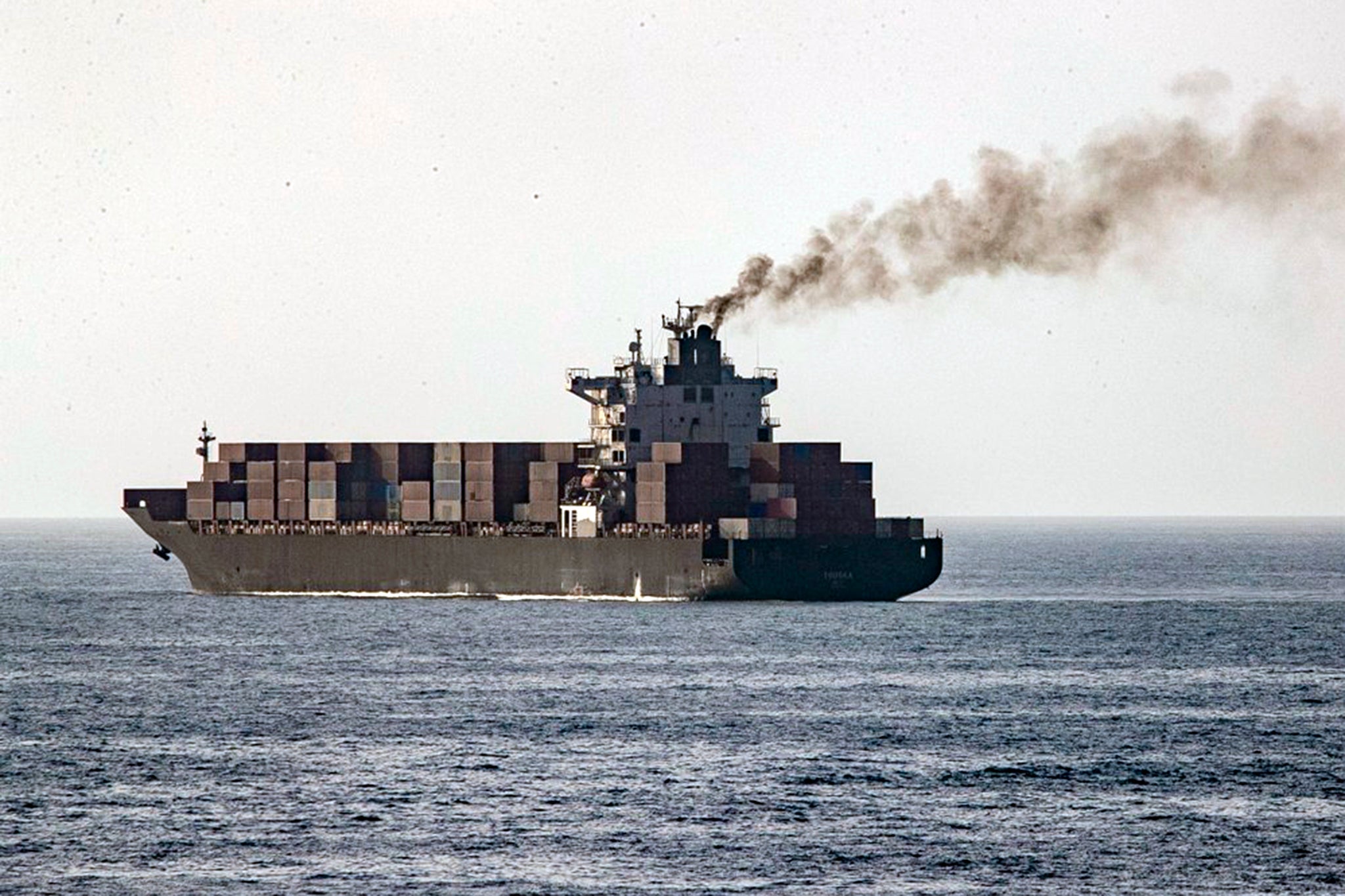
The Bab el-Mandeb Strait is a vital shipping corridor connecting the Red Sea to the Gulf of Aden and the Indian Ocean, through which flows a large portion of global trade, including energy supplies.
According to the US Energy Information Administration, in 2025, just over 4 million barrels of oil passed through the strait each day – around 6 per cent of the global total – although it was a far busier channel before the Houthis’ escalating threat to shipping in recent years.
Since Israel’s invasion and bombardment in Gaza began after the Hamas-led October 7 attacks, the Houthis launched several attacks on Israel, US and British tankers and commercial ships.
But a complete closure of the Strait would be new territory for tankers passing through the waterway – and it is unclear how effectively the Houthis would be able to carry it out.
Cyber attacks
Security agencies have now warned of the threat of cyber attacks by Iran-affiliated proxies, especially around water and energy facilities.
“Cyberattacks on drinking water and wastewater systems directly threaten public health and community resilience,” Jeffrey Hall, an administrator at the Environmental Protection Agency (EPA), said in a statement.
“A single breach can disrupt treatment or introduce contaminants, damage equipment, and erode public trust.”
The FBI, National Security Agency, US Cyber Command, US Department of Energy, and the Cybersecurity and Infrastructure Security Agency, all supported the advisory.
Iran has previously been accused of carrying out cyber attacks, including a large power outage in Turkey in 2015.
Tehran was also accused of several possible breaches of Israeli government websites in 2022, while in 2023 the US alleged an Iran-affiliated group had compromised at least 75 devices in several sectors.
Iran, meanwhile, says the US and Israel have carried out several cyber attacks against it.
Political attacks
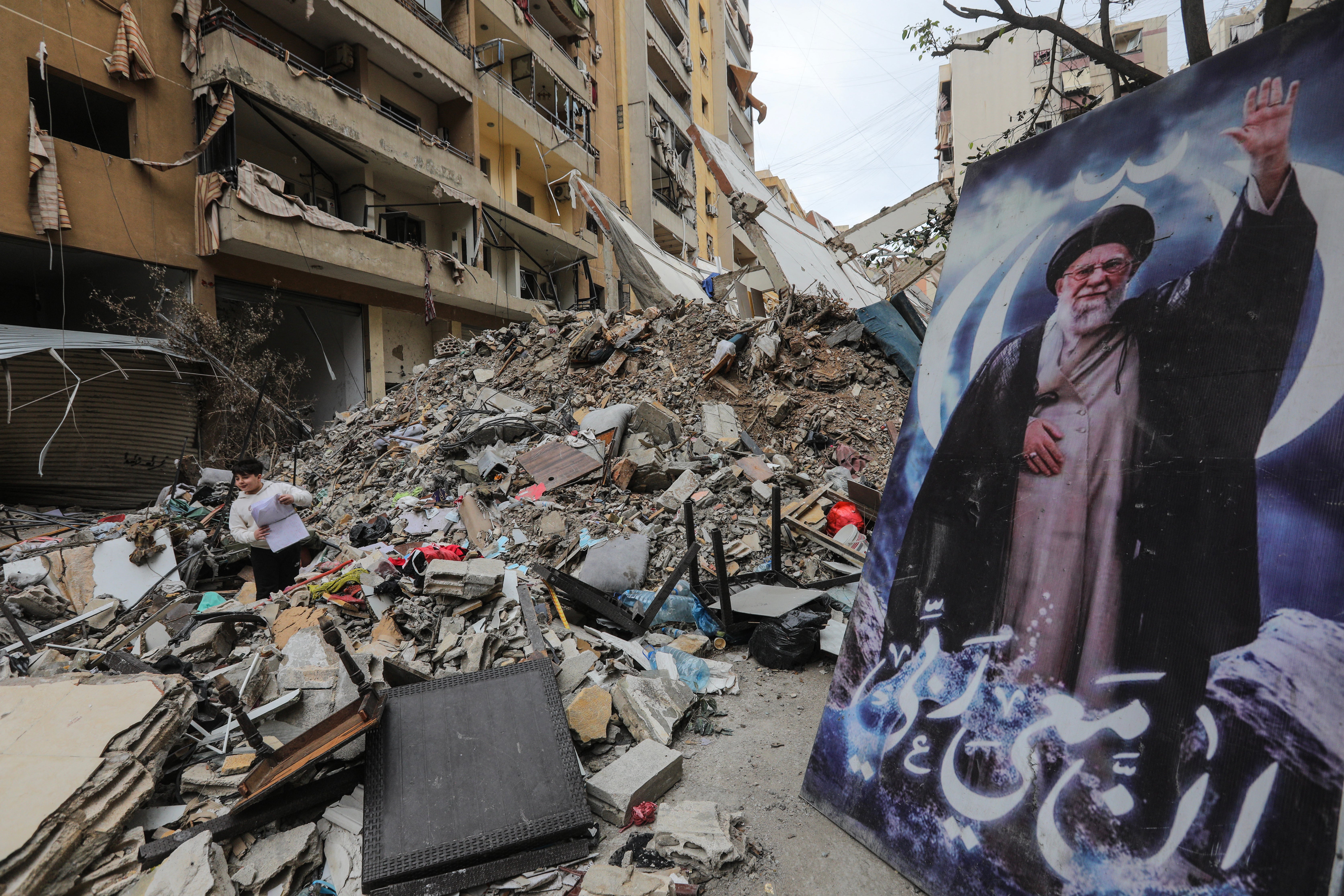
Tehran could look towards political targets to avenge the assassinations of former supreme leader Ayatollah Ali Khamenei and several of the regime and military’s top brass by the US and Israel.
Iran could seek to target diplomatic, consular or trade missions belonging to America and its allies.
It may also look at carrying out assassinations of key individuals linked to the US and its allies.
New attacks on energy sites and infrastructure in the Gulf
Iran could resume its attacks on energy sites and infrastructure across the Gulf, which have already caused significant economic damage.
According to the Atlantic Council, around 83 per cent of Iran’s total missile and drone strikes during the war targeted Gulf Cooperation Council (GCC) countries, in particular the United Arab Emirates (UAE).
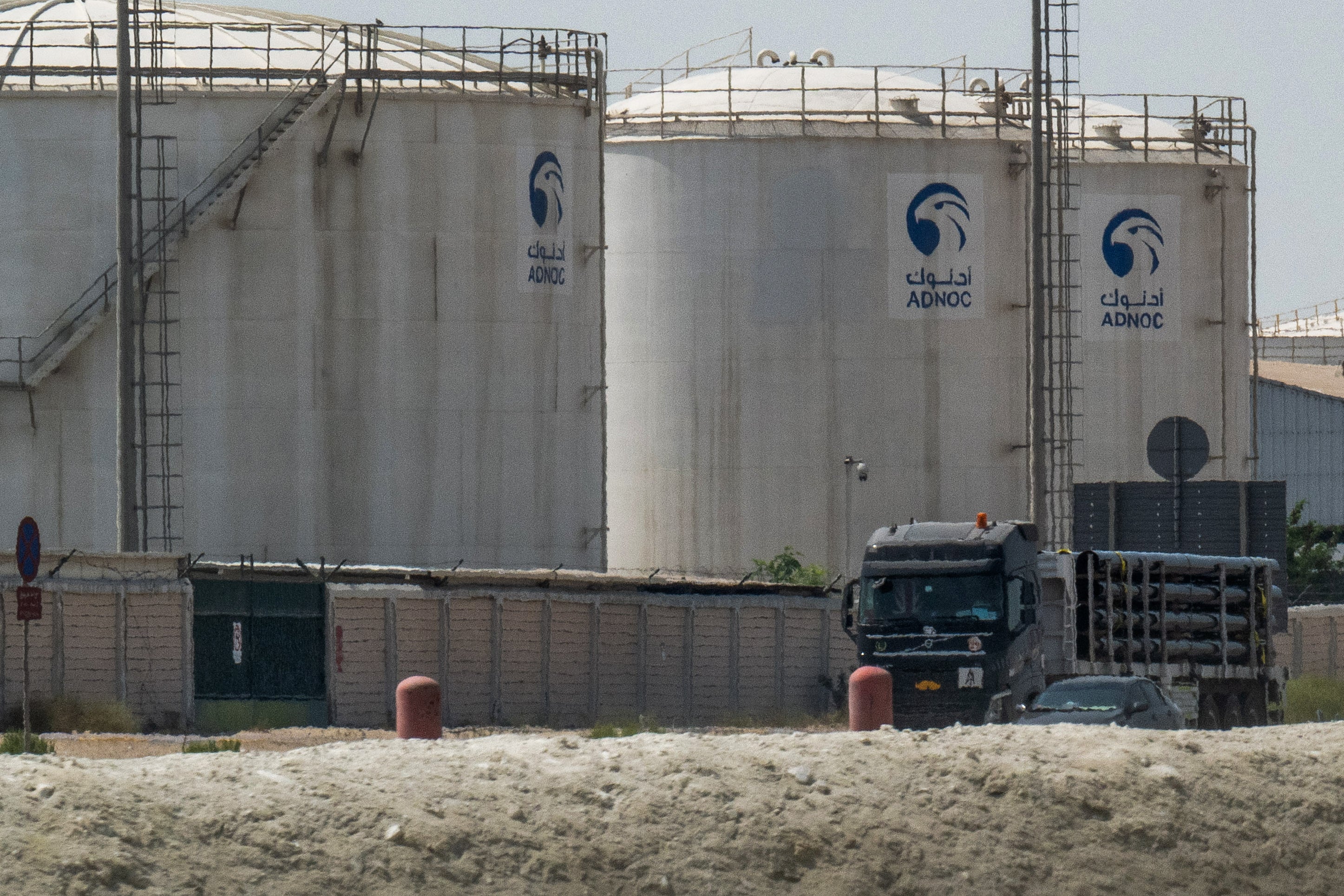
Iranian attacks have already damaged as much as $58bn (£43bn) of energy infrastructure, according to an estimate published by consulting firm Rystad Energy on Wednesday, reports the US business news site CNBC.
Iran has targeted the oil and gas infrastructure of its Gulf neighbours, such as production facilities, refineries, and pipelines, among other targets. Israel has attacked natural gas and petrochemical facilities in Iran.
Fatih Birol, executive director of the International Energy Agency, said more than 80 energy facilities have been attacked in total since US-Israeli strikes started the war on 28 February, with more than a third of those severely damaged.