
Nigeria bleeds billions to foreign domains as NiRA pushes executive order to curb capital flight

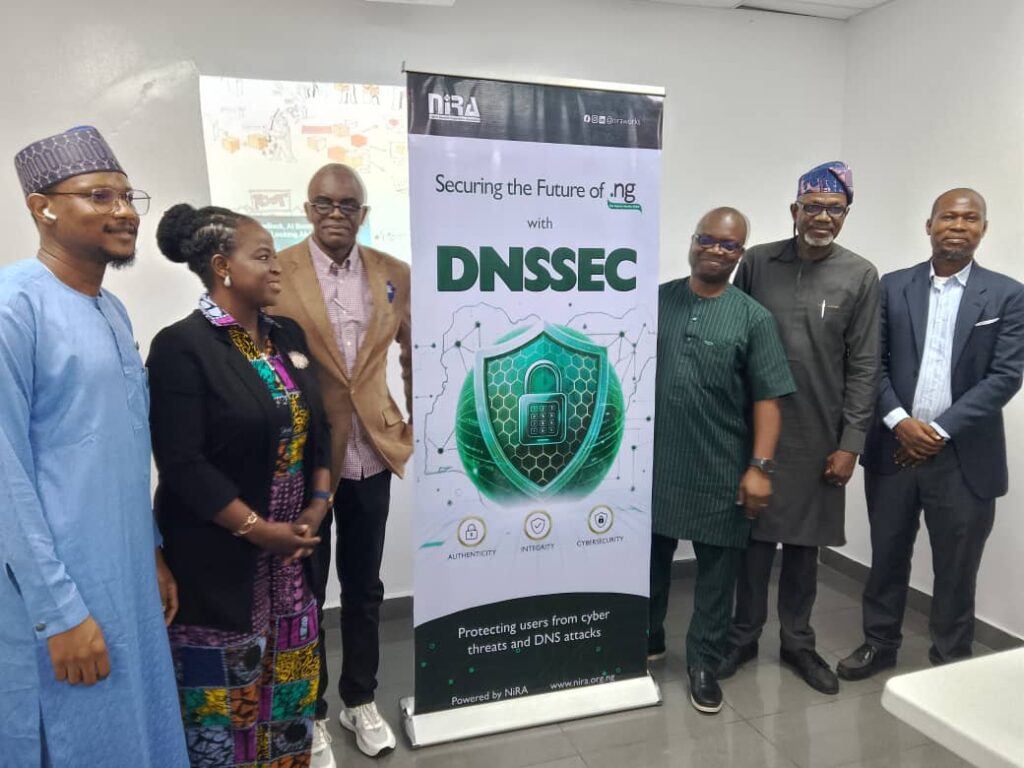

Nigeria is losing billions of naira each year to foreign domain name providers, prompting the Nigeria Internet Registration Association (NiRA) to call for an executive order mandating the use of .ng domains to curb capital flight and strengthen the country’s digital economy.
Speaking at the .ng Media Advocacy and Capacity Building Initiative, on Thursday, in Lagos, Oluwaseyi Onasanya, NiRA’s chief operating officer, said the continued reliance on foreign domain names such as .com and generic email platforms is driving capital flight and eroding Nigeria’s digital sovereignty.
“Even small payments accumulate into substantial losses when millions of businesses rely on foreign platforms,” she said, noting that most domain subscriptions are paid in dollars, putting additional pressure on Nigeria’s foreign exchange reserves.
Onasanya said the issue extends beyond finance to consumer perception and trust. According to her, Nigerian customers are more likely to trust businesses that use the local .ng domain because they are easier to verify and trace within the country.“
Digital identity signals legitimacy. When it is unclear or foreign, it can raise doubts and cost businesses real opportunities,” she said.
She cited cases where businesses lost deals due to the use of generic foreign email domains, which created suspicion about their authenticity. In one instance, a Nigerian official reportedly lost a business opportunity abroad after presenting a non-branded email address, which raised concerns about credibility.
NiRA estimates that Nigeria has over 65 million micro, small and medium enterprises (MSMEs), yet only a fraction use .ng domains. With about 240,000 .ng domains currently registered, this suggests that the vast majority of Nigerian businesses either lack an online presence or operate on foreign digital infrastructure.
This gap, Onasanya said, represents a missed economic opportunity, as revenues tied to domain registration, hosting and related services are largely captured the country.
“Every foreign domain registered by a Nigerian is a form of capital flight. That value leaves our economy instead of creating jobs and supporting local digital infrastructure,” she added.
Adesola Akinsanya, the NiRA president, said the challenge goes beyond technology and should be viewed as a strategic economic issue.“
Domain names are national assets. They influence how Nigeria is perceived globally and determine whether we retain value within our digital economy,” he said.
Akinsanya noted that despite Nigeria’s large internet user base, estimated at over 150 million and growing digital adoption, the country has not fully leveraged its domain name system as a tool for economic growth and digital competitiveness.
Globally, there are about 368 million registered domains, with country code top-level domains (ccTLDs) accounting for a significant share. Countries such as China and Germany have built strong local domain ecosystems through deliberate policies, resulting in millions of domain registrations tied to their national digital identities.
By contrast, Nigeria has roughly one domain per 1,000 people, far below leading digital economies, highlighting what NiRA described as a weak digital identity layer.
Onasanya said this also raises concerns about data control and sovereignty, as businesses operating on foreign domains often store their data outside Nigeria, limiting local oversight. “When you register on foreign platforms, your data resides Nigeria. That means reduced control and potential risks around data privacy and jurisdiction,” she said.
To address the challenge, NiRA called for stronger government intervention, including policies that mandate the use of .ng domains for official communications, business registration and government contracts.
The association said such measures could be implemented through executive orders rather than lengthy legislative processes, accelerating adoption across federal, state and local levels.
It also urged the Corporate Affairs Commission (CAC) to require businesses to register a digital address alongside their physical address, a move that could formalise Nigeria’s digital identity framework.
Industry stakeholders at the event said increased adoption of .ng domains would not only retain economic value locally but also improve trust in Nigeria’s digital marketplace and support the government’s broader economic reform agenda.
They also called on the media to play a more active role in raising awareness about the economic implications of low local domain usage. “This is not just a technology issue; it is about economic value, trust and national alignment,” Akinsanya said.
As Nigeria pushes to deepen its digital economy, estimated to contribute a growing share to GDP, addressing structural gaps such as domain adoption could become critical to unlocking value, boosting investor confidence and strengthening the country’s digital independence.