
When Musa fell ill in Bauchi State earlier this year, his symptoms seemed routine—fever, headache, and stomach pain.
In a statement shared with journalists, Doctors Without Borders, MSF, said he was treated for malaria at a private clinic and discharged after five days.
But his condition worsened.
“They could not understand what I was suffering from,” he said.
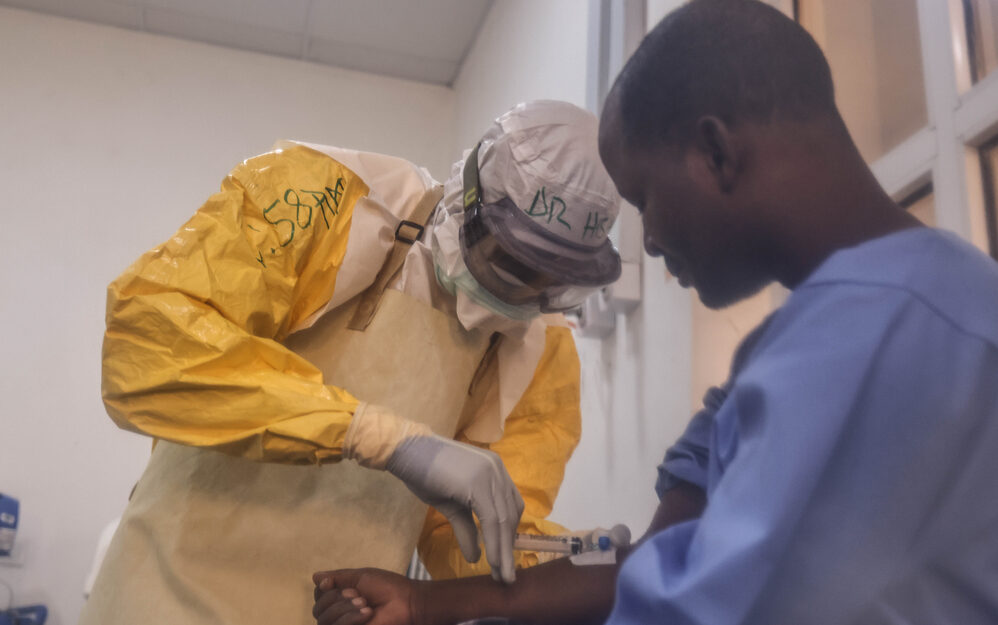
Days later, a community outreach team referred him to the Lassa Fever Treatment Centre at the Abubakar Tafawa Balewa University Teaching Hospital, where he was diagnosed with Lassa fever—by then in a severe condition.
“I thought I would not survive,” he added.
Mr Musa spent 29 days in treatment before recovering.
His experience highlights a persistent gap in Nigeria’s disease detection system, where Lassa fever symptoms are frequently mistaken for common illnesses such as malaria and typhoid—delaying life-saving treatment.
A disease that ‘disguises itself’
Early symptoms of Lassa fever—fever, weakness, and headaches—closely resemble those of malaria and typhoid, complicating early diagnosis.
“Lassa fever is a disease that essentially disguises itself,” said Ayokunnu Raji, MSF’s emergency medical programme manager, according to the statement.
“At the beginning, symptoms are very similar to other common illnesses… so by the time many patients arrive at our treatment centre, they are already critically ill,” he said.
The Nigeria Centre for Disease Control (NCDC) identifies early detection and laboratory confirmation as central to reducing fatalities in Lassa fever outbreaks.
Similarly, the World Health Organisation (WHO) notes that laboratory testing is required to confirm Lassa fever, as clinical symptoms alone are insufficient due to overlap with other diseases.

Rising cases, mounting risks
Nigeria is experiencing a severe Lassa fever season.
The NCDC reported 146 deaths from Lassa fever in Nigeria between January and mid-March. The report shows that the case fatality rate (CFR) stood at 25.1 per cent, significantly higher than the 18.7 per cent recorded during the same period in 2025.
Health workers are also increasingly affected.
The NCDC reported that 38 healthcare workers have been infected this year, which, according to the MSF, is more than double the number recorded during the same period last year. In February, three MSF staff members were infected, and one later died.

According to MSF, delayed diagnosis increases the risk to healthcare workers, as exposure may occur before Lassa fever is suspected and appropriate infection prevention measures are fully implemented.
Fear, stigma and late presentation
Beyond clinical challenges, fear and misinformation continue to delay care.
In some communities, Lassa fever is poorly understood and sometimes attributed to spiritual causes.
“At the beginning, people ran away. They didn’t want you to come close… people thought it was a curse,” Mr Musa said.
MSF says stigma and misconceptions can discourage early treatment, with some patients first seeking help outside formal health facilities.
To address this, outreach teams are working with community leaders, religious figures, and local health providers to improve awareness and encourage early referral of suspected cases.
After survival, lingering risks
Surviving Lassa fever does not always mark the end of its impact.

MSF notes that some survivors experience long-term complications, including hearing loss and neurological problems. Survivors may also temporarily carry the virus after recovery, posing a risk of further transmission.
To manage this, MSF provides follow-up care through survivor clinics, including medical monitoring, mental health support, and guidance on reducing transmission.
A recurring public health challenge
PREMIUM TIMES reports that Lassa fever remains endemic in Nigeria, with seasonal peaks typically occurring between October and April.
READ ALSO: 85% of Lassa fever cases concentrated in five states – NCDC
Although cases may decline as the dry season ends, the underlying challenge persists: early symptoms that mimic common illnesses, limited reliance on laboratory confirmation at the onset, and delayed referrals.

Public health authorities say strengthening early detection, testing, and frontline diagnosis will be critical to reducing preventable deaths.
For Mr Musa, that message is now personal.
“I tell people not to assume it is malaria,” he said.