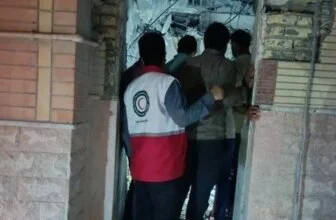


A pattern of systematic destruction pursued by Israel in the current war is becoming clearer by the day, extending in both context and objectives from the previous conflict and pushing entire Lebanese regions and governorates toward a “scorched earth” reality. The scale and nature of the targeting no longer suggest localized operations or limited military objectives.
Israeli operations are no longer confined to destroying sites, depots, and warehouses belonging to Hezbollah. They now extend to targeting entire built-up areas and residential neighborhoods, hindering the return of residents and prolonging displacement. This serves as a pressure tactic against Hezbollah’s support base on the one hand, and against the Lebanese state and its institutions on the other.
Lebanon was already unable to secure the resources needed for reconstruction after the previous war, making the task today even more difficult amid the massive and accumulating losses of the current conflict. The outlook is further darkened by the absence of any serious indications of external funding sources for recovery and reconstruction, as most countries that traditionally provided support are preoccupied with their own domestic conditions and major crises resulting from the ongoing war in the region. This makes it likely that Lebanon will be left to face its fate alone, burdened with costs far beyond its capacity- unless those concerned succeed in including a reconstruction funding clause in any potential ceasefire agreement.
Israeli Destruction Strategy
Former Lebanese minister Nasser Yassin points to a “strong similarity in the destruction strategy adopted by Israel between the previous war and the current one, particularly in terms of targeting buildings and facilities it claims belong to Hezbollah.” He notes that “the target bank often appears to be the same, with buildings struck in the previous war being targeted again.”
He adds that “what differs from the 2023–2024 war is the deliberate targeting of bridges to sever areas south of the Litani River and to pressure the Lebanese state,” adding: “Targeting official facilities may be partly linked to military plans and partly intended to pressure the state. This is a dangerous indicator that will impose high costs and cause additional direct losses amounting to billions of dollars.”
Yassin told Asharq Al-Awsat that “what Lebanon obtained after the previous war was a $250 million loan from the World Bank, in addition to $50 million allocated in the public budget- amounts that fall far short of the funding required for reconstruction.”
He adds that “this reality will worsen after the current war, as state revenues are insufficient. Gulf countries that typically contributed to reconstruction are now part of the war and are facing daily attacks from Iran, while major economic activity has been disrupted, shifting their focus more toward internal affairs. This is in addition to a political environment that may not be conducive to funding reconstruction, as successive governments have not demonstrated seriousness in implementing reforms.”
He adds: “Western countries also face their own challenges due to the repercussions of the Russia-Ukraine war and inflation driven by the regional conflict.”
Preliminary Estimates of the Scale of Destruction
The continuation of the war makes it difficult to assess the full extent of newly inflicted damage less than a month after its onset. However, research Specialist at Information International Mohammad Chamseddine points to an initial picture indicating the destruction of “4,500 units in the south and 1,600 units in Beirut’s southern suburbs completely, in addition to various levels of damage to 12,000 units.” He notes that “what distinguishes the current Israeli approach from the previous war is that it is more intense and the scale of destruction is greater.”
According to Chamseddine , the number of housing units that sustained minor or moderate damage in the previous war reached 317,000, while 51,000 units were completely destroyed, including 9,000 in the southern suburbs, 1,500 in the Bekaa, and 22,000 in the border strip area.
The World Bank previously estimated that the direct cost of the last Israeli offensive on Lebanon reached approximately $14 billion, noting the destruction and damage of more than 100,000 housing units, in addition to severe damage to infrastructure and public facilities.